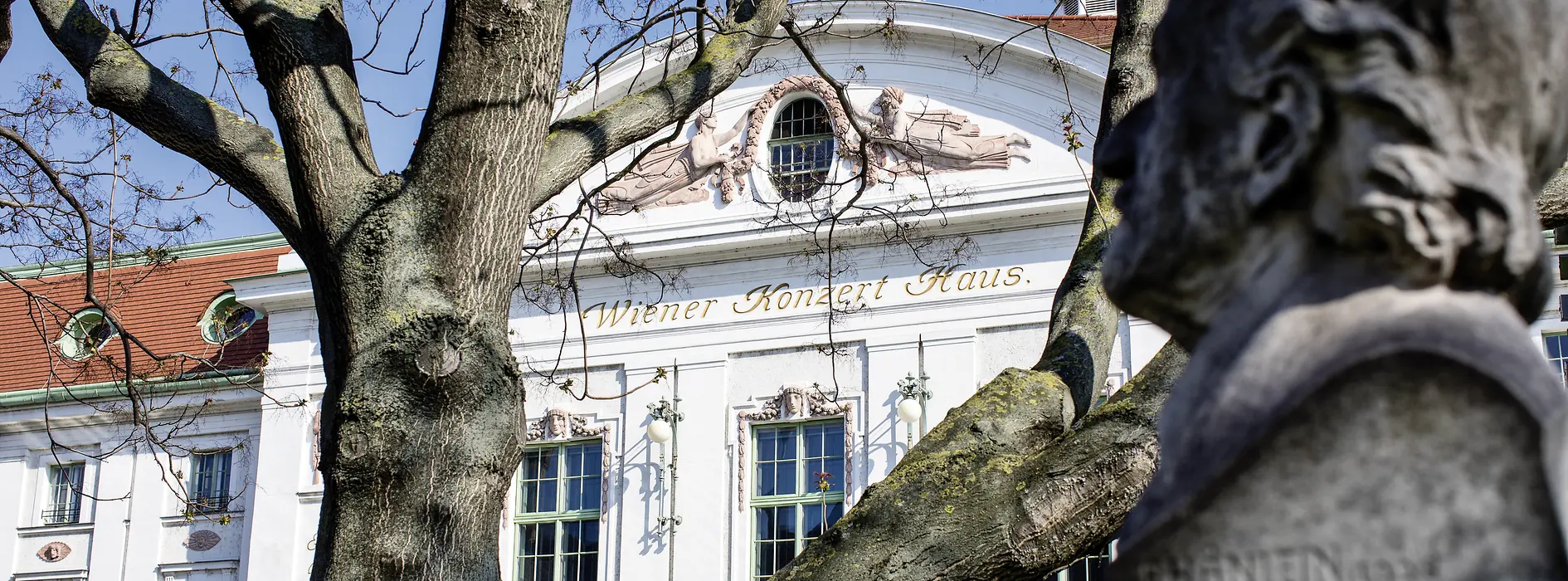
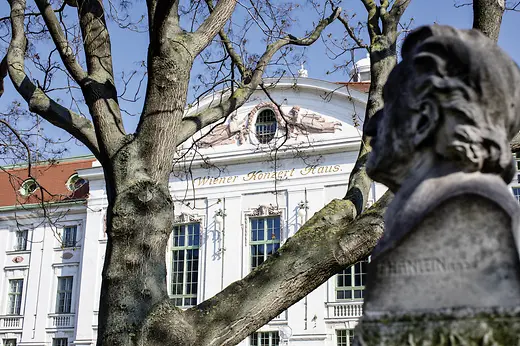
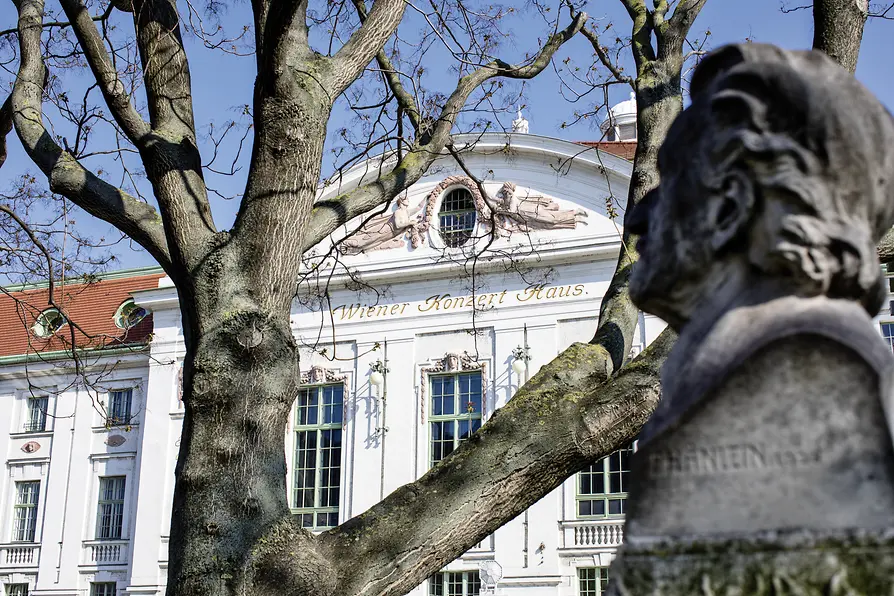
Wiener Konzerthaus
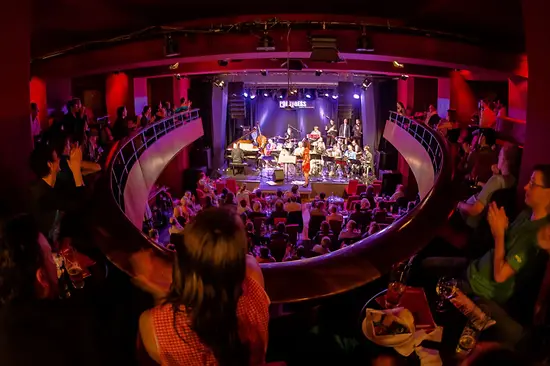
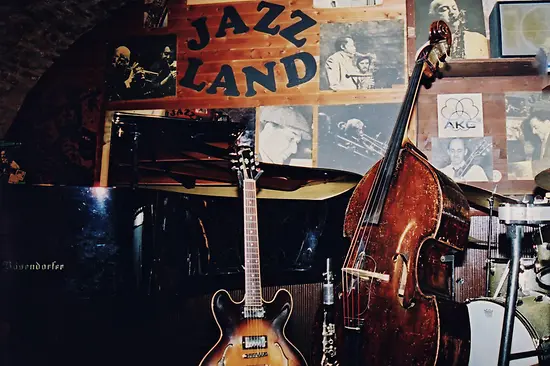
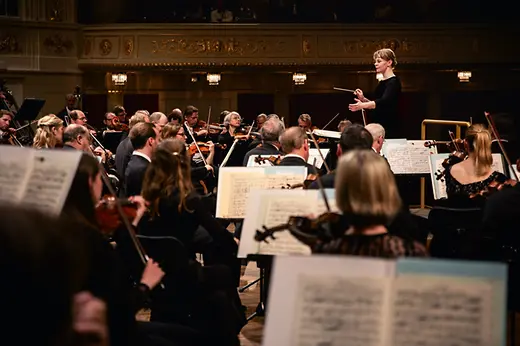
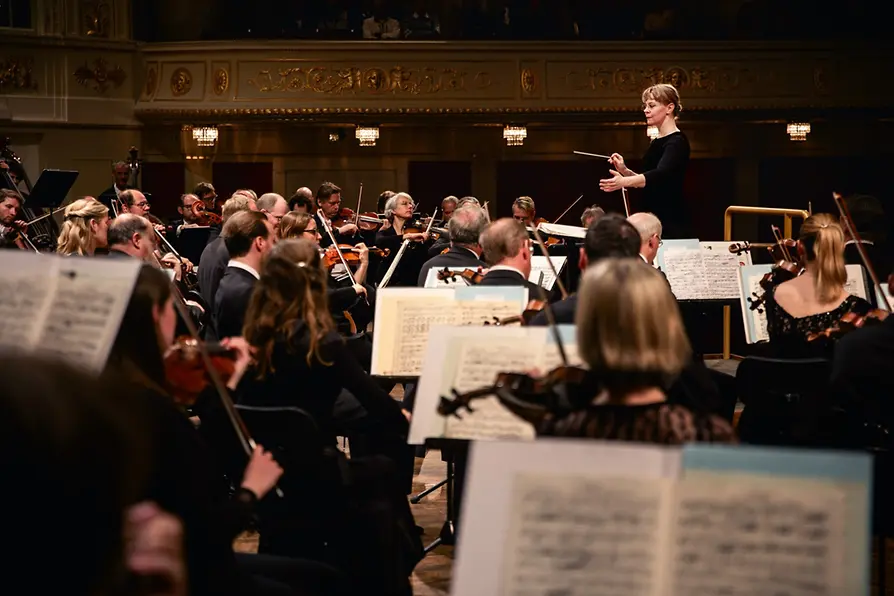
The musical range of the Wiener Konzerthaus covers not only the classical repertoire but also ranges from the Middle Ages, Renaissance and Baroque to Jazz and World as well as the progressives sounds of the present day.
From old to quirky
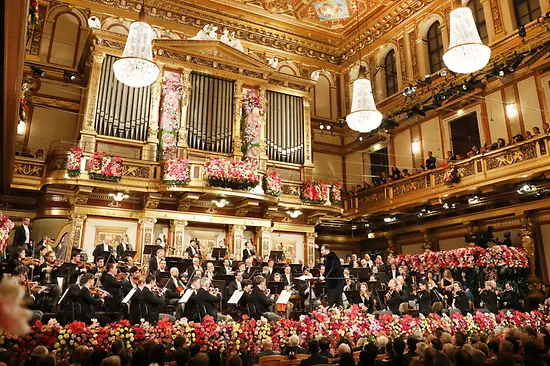
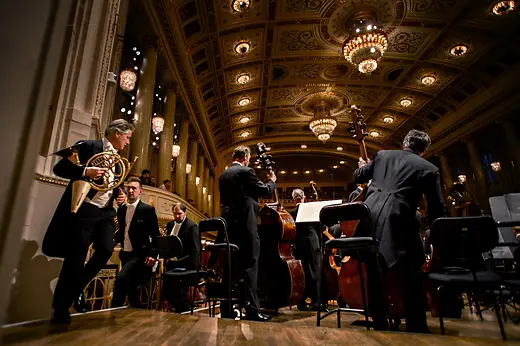
The program at the Wiener Konzerthaus has been varied from the outset: The Konzerthaus was opened in 1913 with a gala concert attended by Emperor Franz Joseph I. The Wiener Concertverein – from which the Wiener Symphoniker was to emerge – played a contemporary commissioned piece by Richard Strauss followed by Beethoven's 9th Symphony. This combination of modern, classical and international still characterizes the musical offering today.
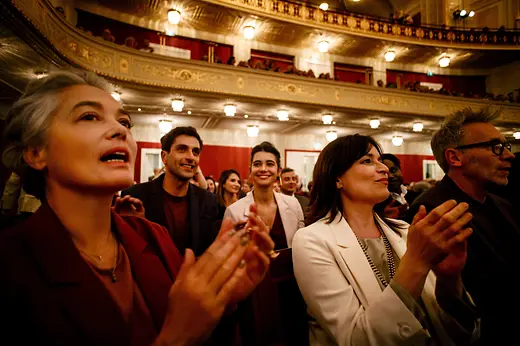
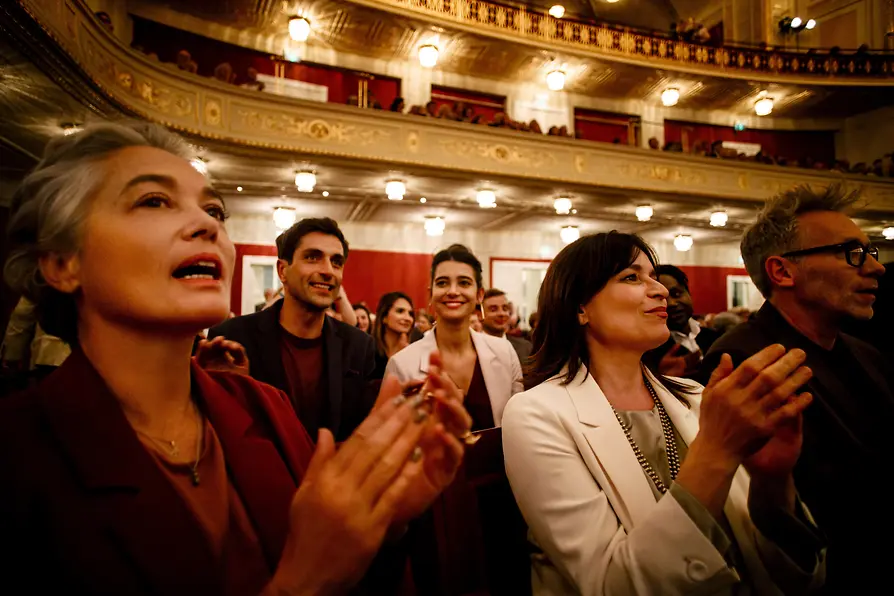
Popular festivals with dedicated fan communities are held in the Konzerthaus year after year. In January, for example, authentic performance ensembles present the best of Early Music at the Resonanzen. Wien Modern, the festival for contemporary compositions, is hosted with numerous concerts towards the end of the year.
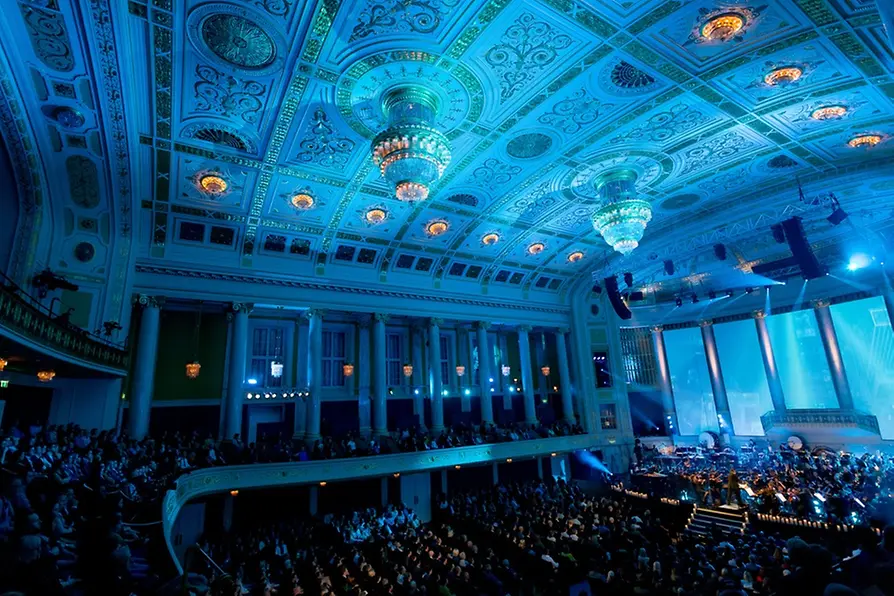
Guided tours
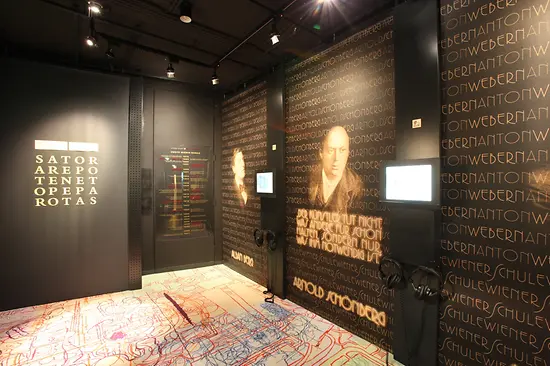
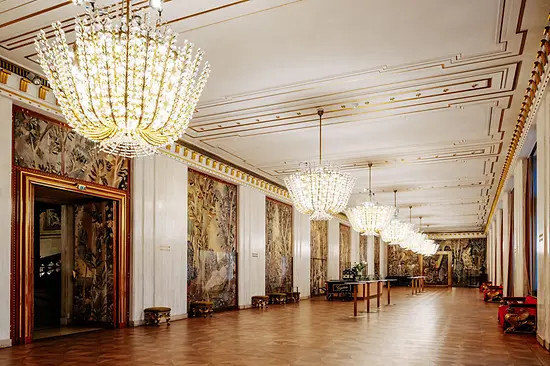
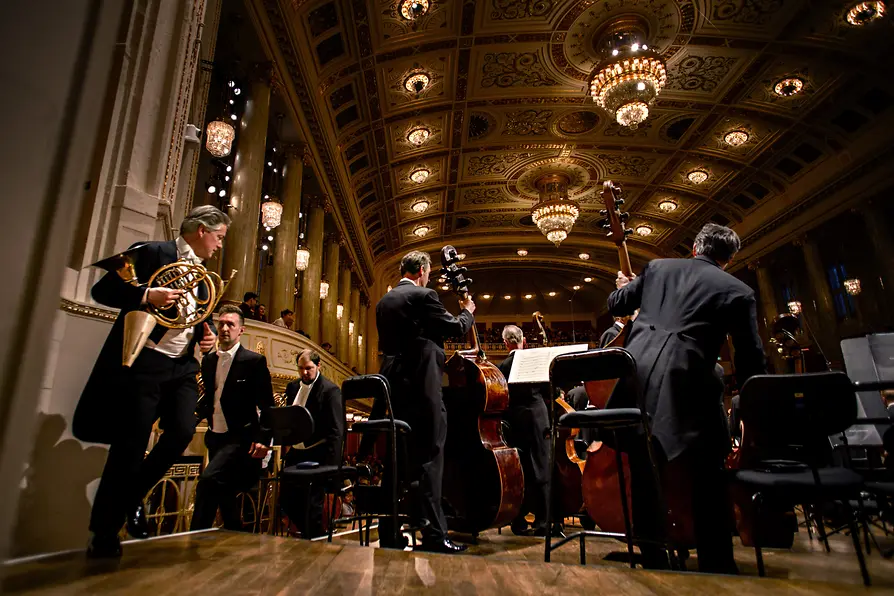
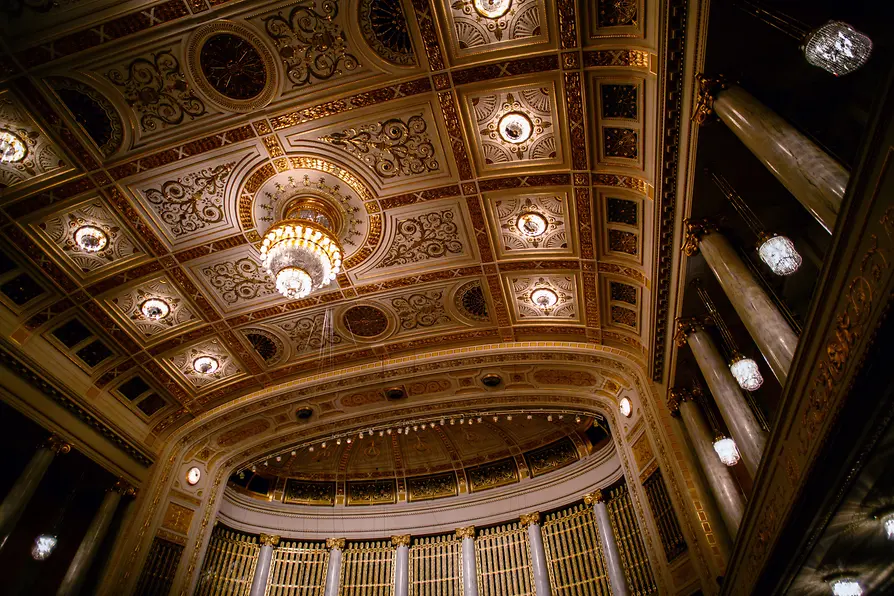
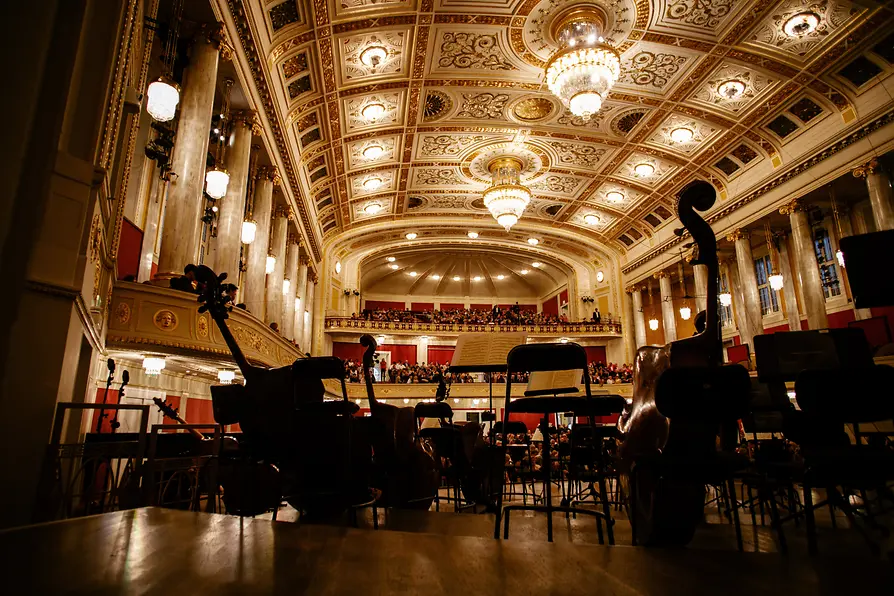
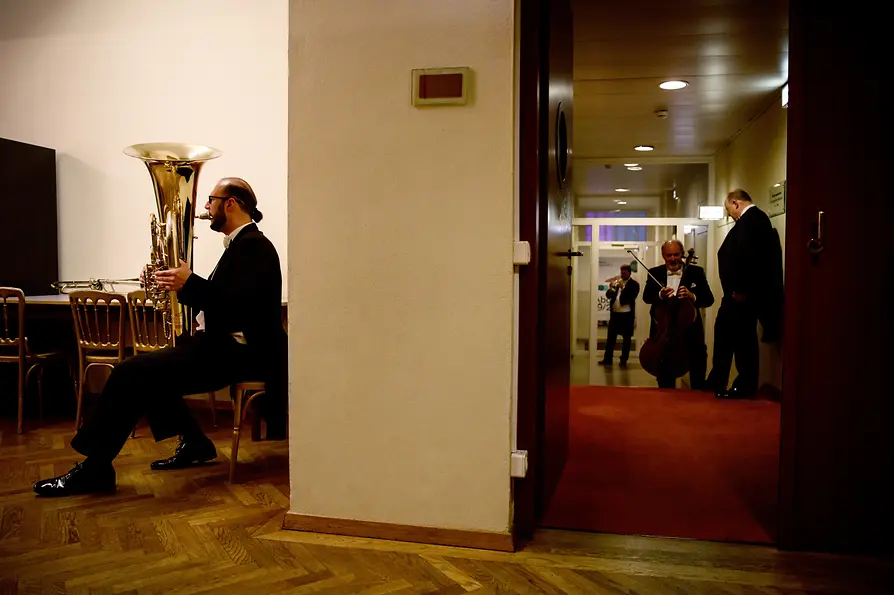
One-hour guided tours of the Wiener Konzerthaus are held in German and English (other languages upon request) and offer an exciting glimpse behind the scenes of the contemporary and ultra-modern concert house, which organizes over 900 events each season. The tours also offer insights into the building's architecture and its varied, century-old history, access to backstage areas and, if possible, a brief visit to a rehearsal.
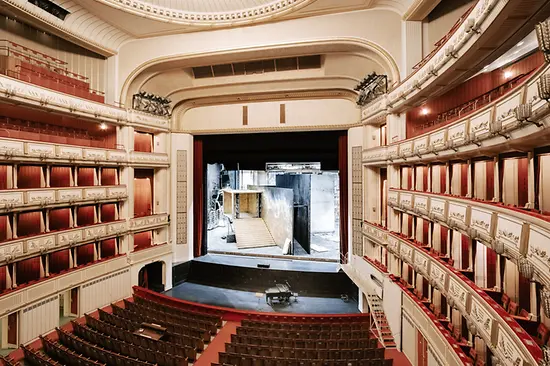
In addition to the Wiener Konzerthaus, there are many other music centers and event venues in Vienna, such as the world-famous Musikverein.
Display alternative text
This is the first of ten short films about Wiener Konzerthaus. The Austrian cabaret artist and actor Josef Hader expores the many, many rooms there.
This is the first of ten short films about Wiener Konzerthaus. The Austrian cabaret artist and actor Josef Hader expores the many, many rooms there.
Four concert halls
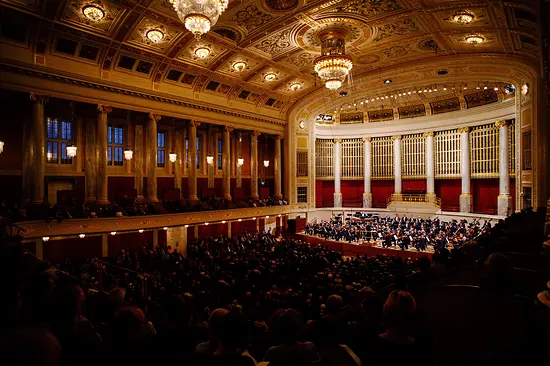
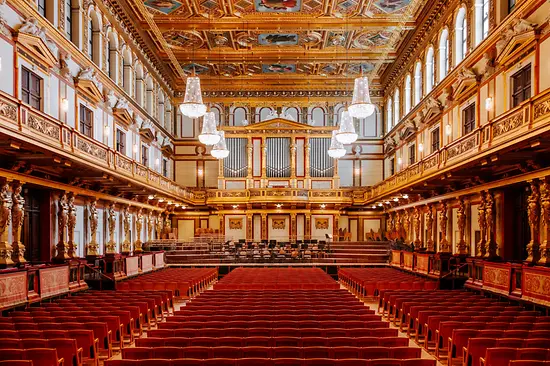
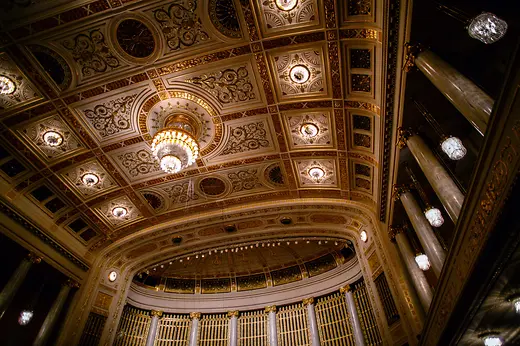
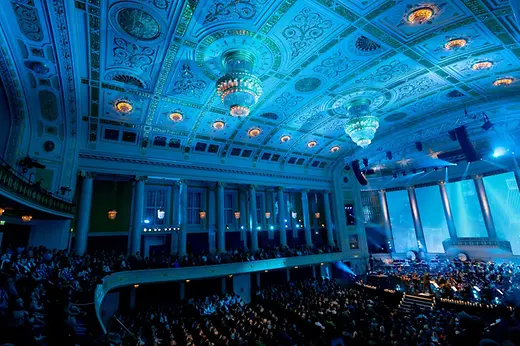
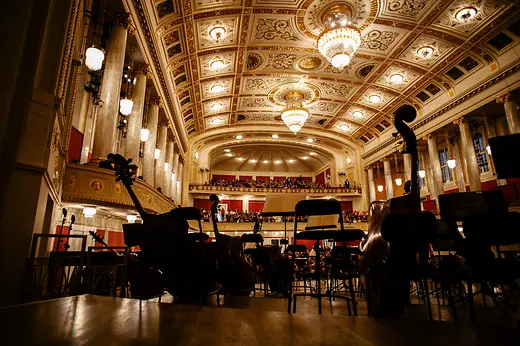
In 1890, the plans of the future "House for Music Festivals" already suggested that the new event venue was to represent scale and variety in Vienna. The vision was a multi-purpose building which, unlike the traditional Musikverein, was to appeal to different sections of the population and thus offers lots of space for a wide range of different events. The Wiener Konzerthaus was built in the years 1911 to 1913 by the architects Ferdinand Fellner, Hermann Helmer, and Ludwig Baumann – with three halls at the time:
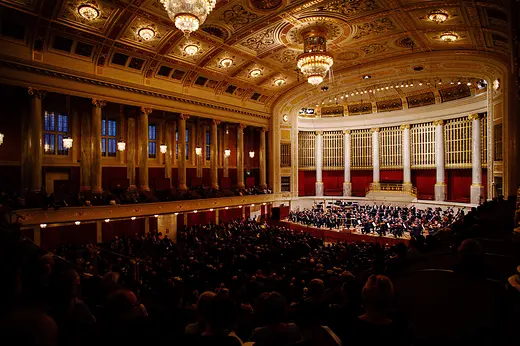
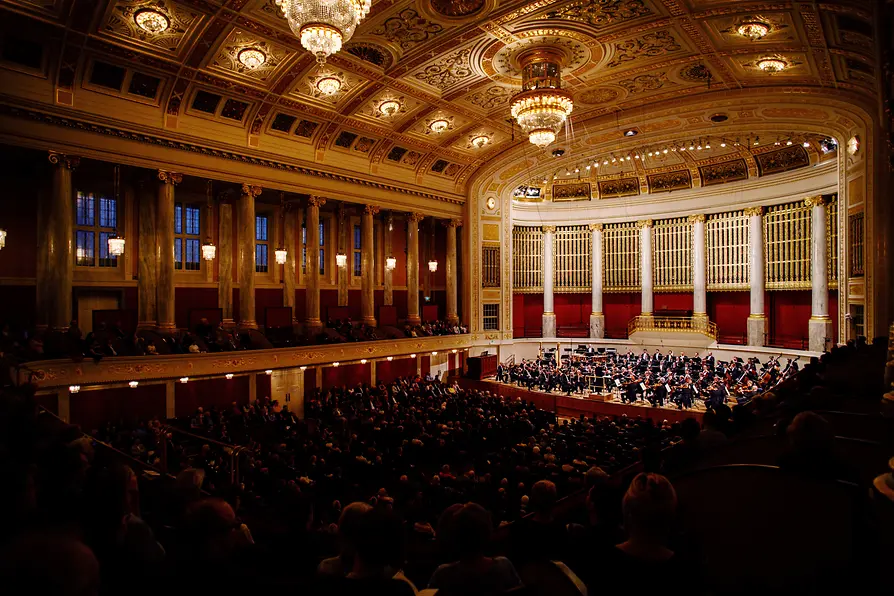
- Great Hall (1,865 seats)
- Mozart Hall (704 seats)
- Schubert Hall (366 seats)
- During the general refurbishment in the years 1998 to 2002, another hall was built that is technically capable of handling all pieces – the Berio Hall (400 seats)
Special feature: All of the wonderful concert halls of the Konzerthaus in Vienna can be used at the same time, as they are acoustically isolated from each other.
FAQ – Frequently Asked Questions
Where can I buy tickets for the Wiener Konzerthaus?
Tickets are available directly on the official website www.konzerthaus.at. All events are listed in the Program & Tickets section, with an option to filter by date and genre. Tickets for the guided tours can also be booked here. For each date, you can see when advance ticket sales start, as well as (if already available) prices and how many tickets are still available.
What can I experience at the Wiener Konzerthaus besides classical concerts?
In addition to the classical repertoire, the program spans from Early Music (for example, Baroque music) to Jazz & World and Pop & Rock. Raves have also been held at the Wiener Konzerthaus. Festivals such as Resonanzen (Early Music) and Wien Modern (new, progressive contemporary music) are also regularly hosted at the Konzerthaus. The best thing to do is click through the program and filter by genre!
How long does a guided tour of the Wiener Konzerthaus last, and what languages is it offered in?
The tours usually last about one hour. They are offered in German and English; additional languages are available upon request. In addition, when possible, there are behind-the-scenes insights (e.g., backstage areas, possibly a brief rehearsal visit). On a Konzerthaus tour, history comes to life in an impressive Art Nouveau setting.
- Lothringerstraße 20, 1030 Wien
- www.konzerthaus.at
- ticket@konzerthaus.at
Accessibility
no steps (Automatic sliding doors 140 cm wide)
Ramp 435 cm long
2 Parking spaces for people with disabilities
Assistance dogs allowed
Accessible toilet
“Klangberührt": 4 inclusive concerts in the Schubert Hall, recommended from 16 years
Further information on the “Klangberührt” series at:
https://konzerthaus.at/abonnement/id/3292
All halls accessible via elevator, inner ramp.
2 elevators from ground floor (door width: 90 cm, cabin depth: 190 and 140 cm, cabin width: 94 cm).
Wheelchair seats: 18 in the Grand Hall, 6 in the Mozart Hall, 3 in the Schubert Hall and 4 in the Berio Hall. Seeing-eye dogs permitted (by prior arrangement).