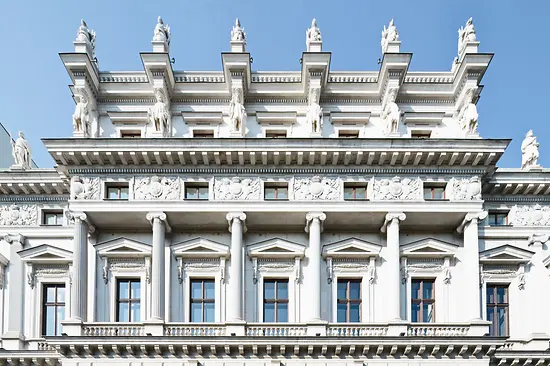
Naturhistorisches Museum Vienna (Natural History Museum)
Display alternative text
Video über das Naturhistorische Museum Wien
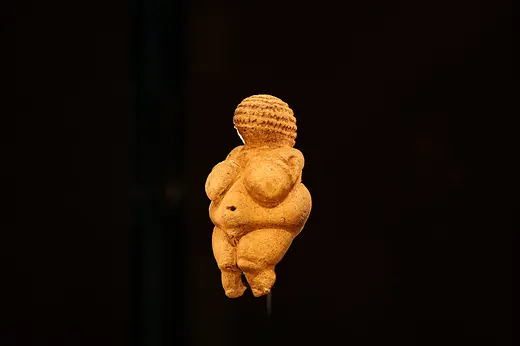
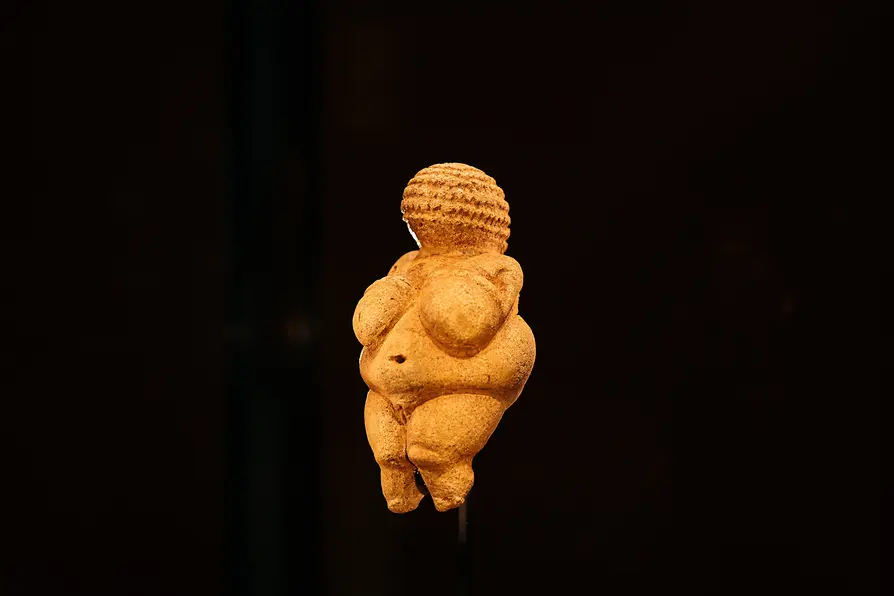
The showpiece of the collection is the 29,500 year-old and only eleven centimeter tall "Venus von Willendorf", which was found in the Wachau in Lower Austria in 1908. This masterpiece of Early Stone Age sculpture is one of the most famous archaeological discoveries in the world and is presented in the so-called 'Venus Cabinet' alongside the 36,000 year-old Statuette von Stratzing ("Fanny"), as befits its status. Right next door are the prehistoric collection newly opened in 2015 and the 'Gold Cabinet' with objects from across five millennia.
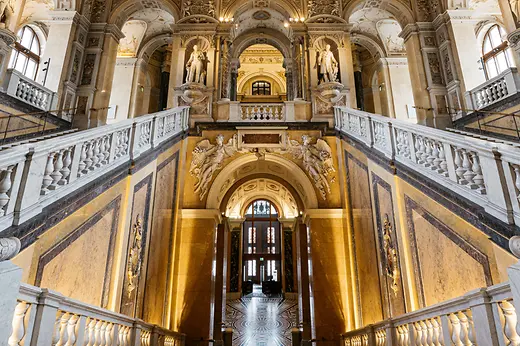
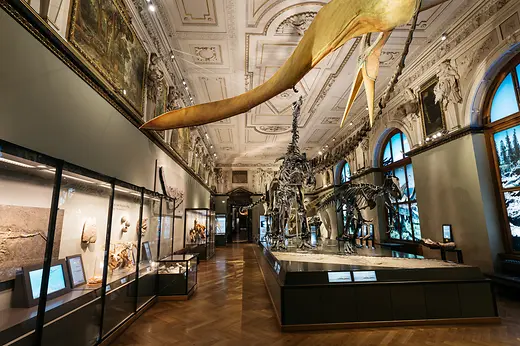
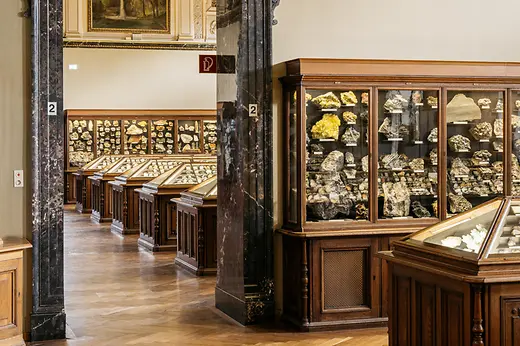
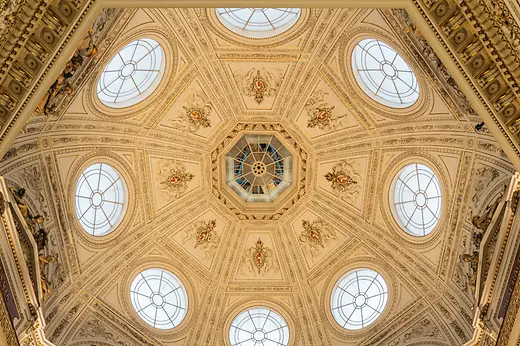
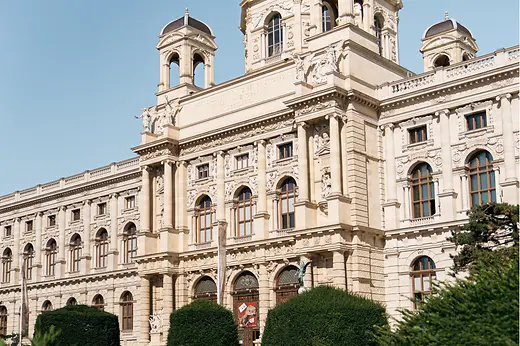
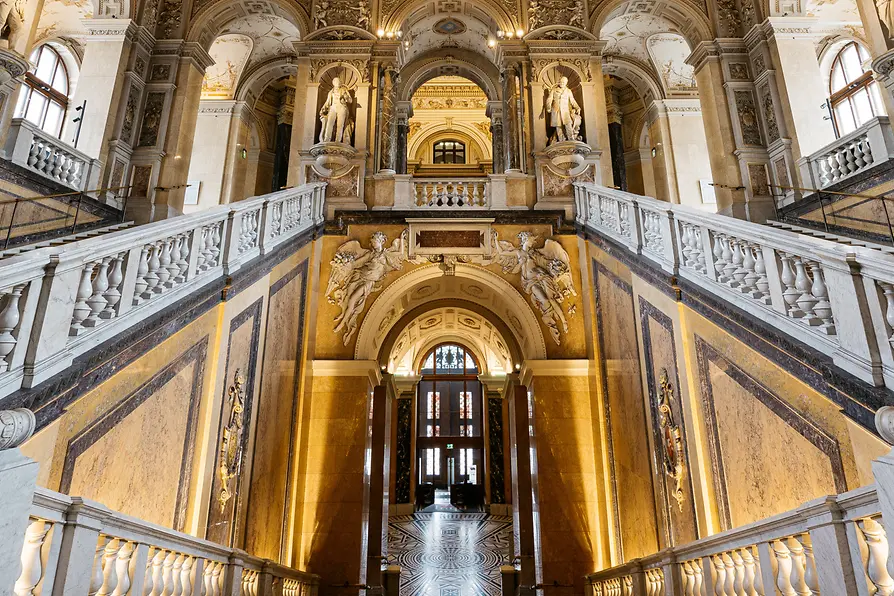
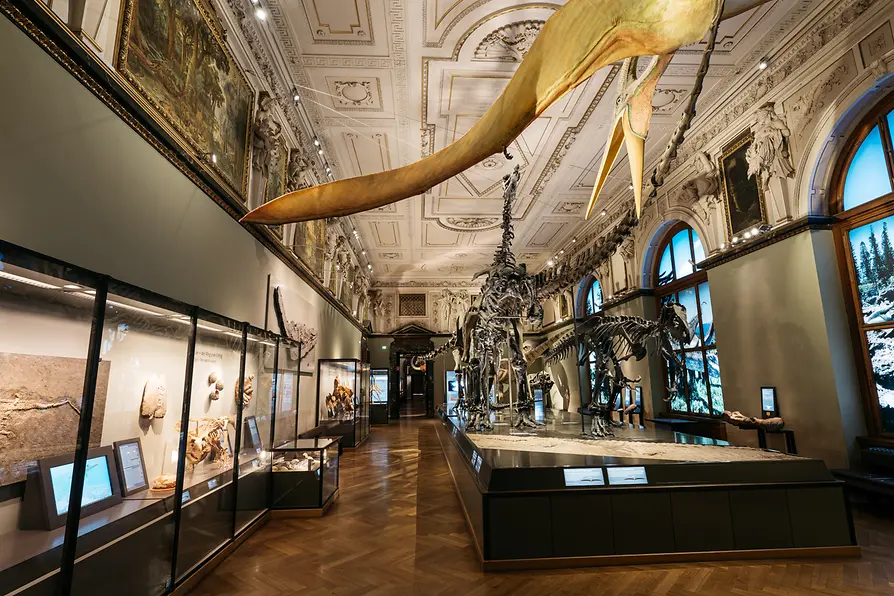
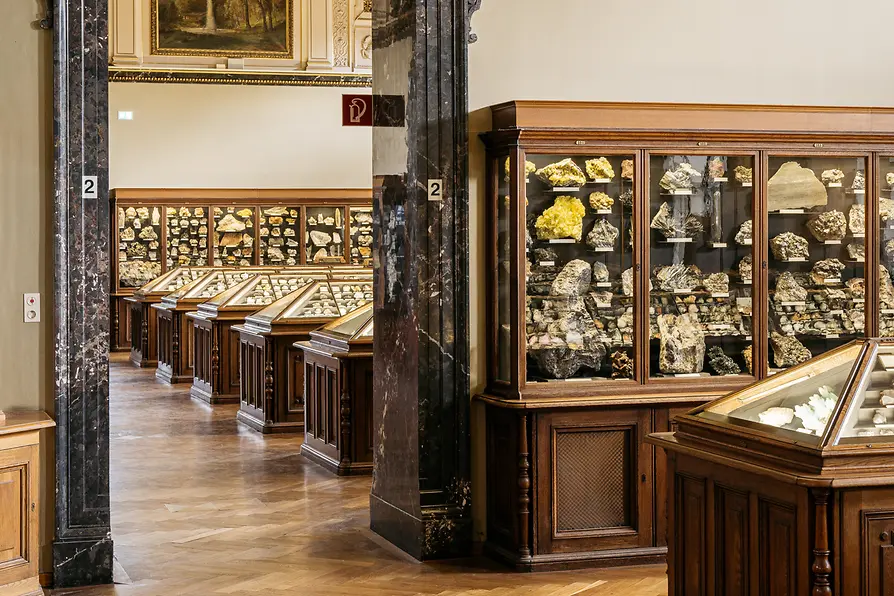
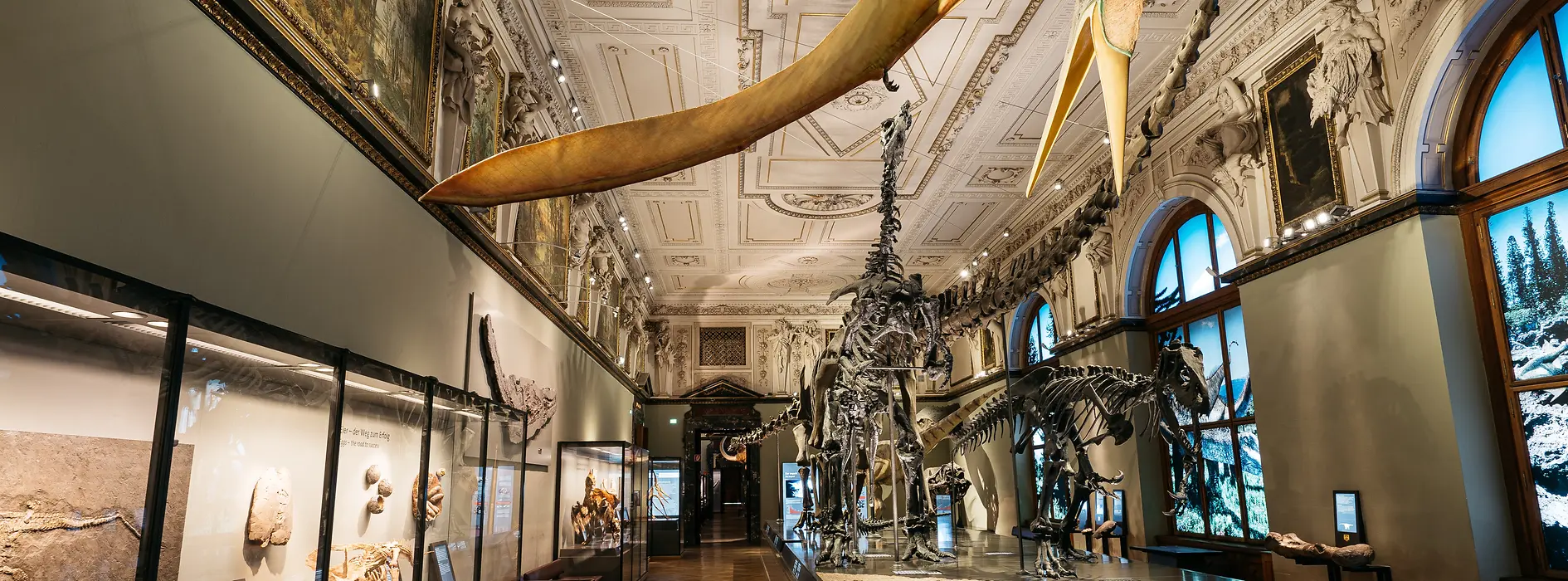
The dinosaur hall presents the skeletons and remains of the gigantic prehistoric animals with a lifelike allosaurus that moves and makes terrifying noises. The model was built for the Natural History Museum on the basis of the latest scientific findings. The world's first living model of a bird of terror in the original size and new exhibits of a fascinating horned dinosaur skull supplement the impressive permanent exhibition.
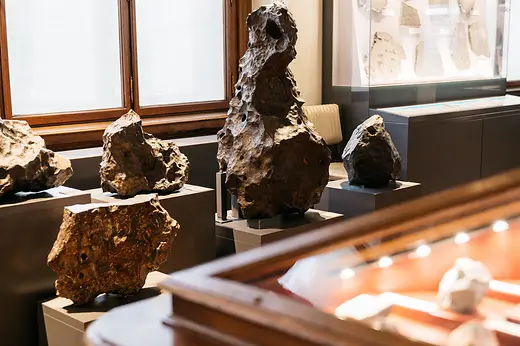
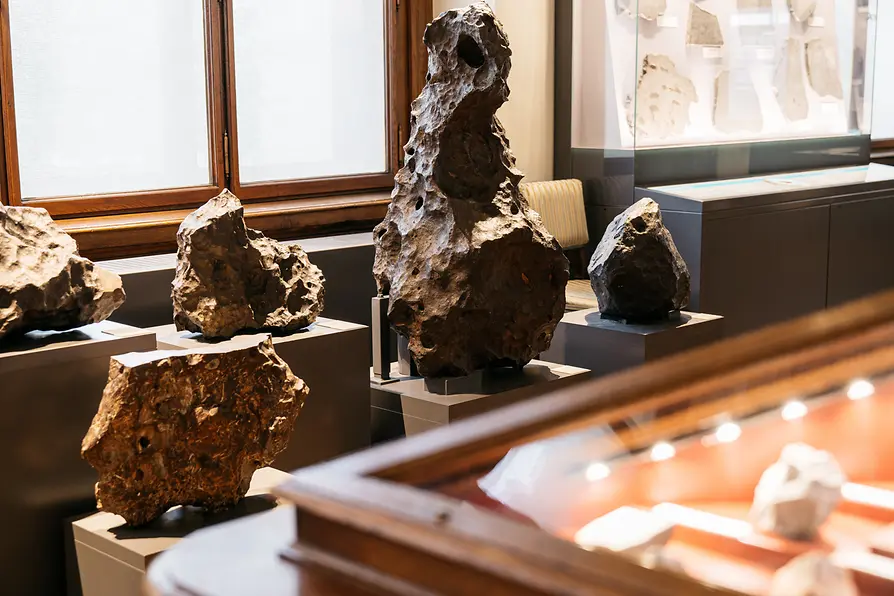
Also worth seeing is the biggest and oldest collection of meteorites in the world in the Meteorite Room. 1,100 rocks that "fell from the sky" can be seen there. And with the aid of a simulator, a power meteorite strike can be staged on the screen in 3D.
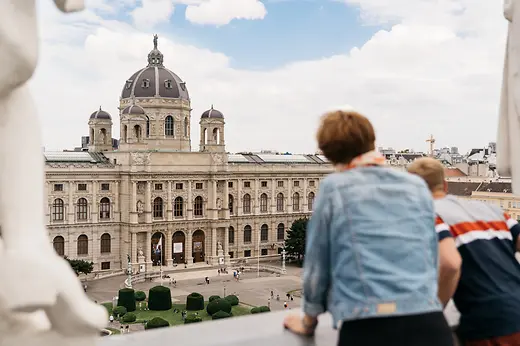
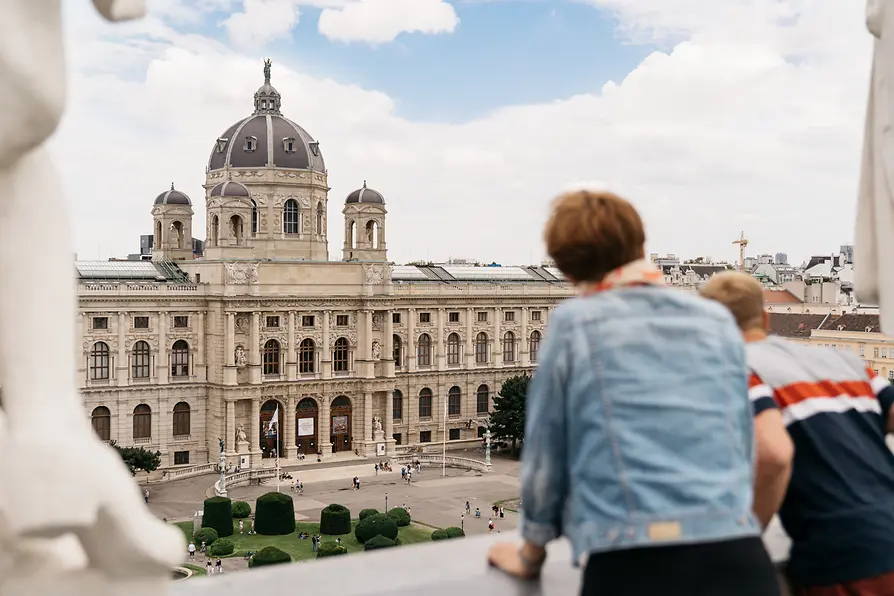
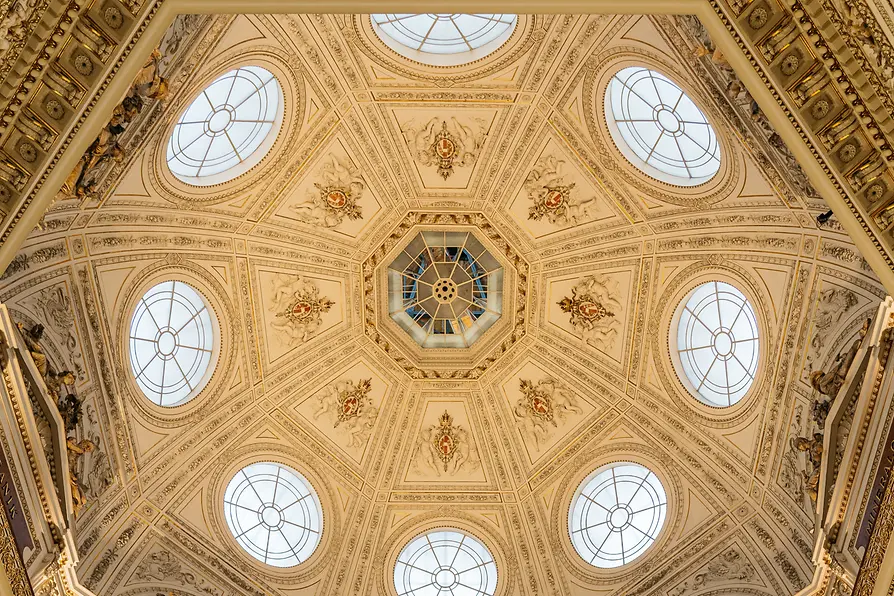
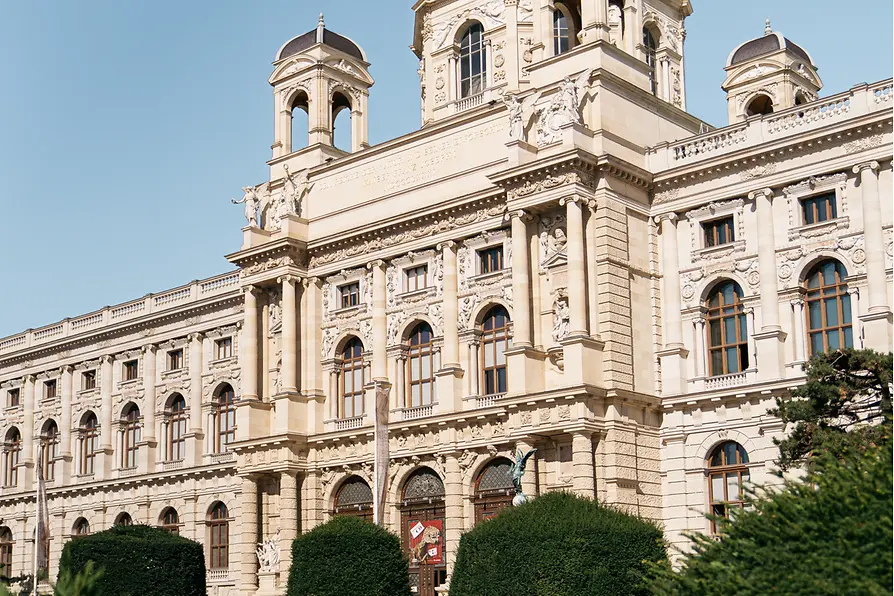
On a guided tour of the roof of the Naturhistorisches Museum Vienna, visitors enjoy a unique view of Vienna's Old City and the Ringstrasse (see website for dates).
- Maria-Theresien-Platz, 1010 Wien
- nhm.at
- info@nhm.at
Vienna City Card
Standard ticket price: 18€ / Reduced ticket price: 14€
Buy now with discount:
Prices
- Free admission for young people under 19 years of age
Opening times
- Th - Mo, 09:00 - 18:00
- We, 09:00 - 20:00
Guided tours
Guided rooftop tours (English):
Friday, Saturday, Sunday 3pm
Accessibility
Swinging doors
stairs
Entrance for wheelchairs Burgring 7
Accessible toilet
Assistance and guide dogs allowed; Guided tours for the blind possible, path for blind and visually impaired people (only in German): 15 free-standing, tangible exhibits from the fields of mineralogy, geology and anthropology. A map and descriptions of the objects are also available in Braille at the information stand.
All facilities suitable for wheelchair users (except the roof tour).
Access to restaurant/café: no steps. Seeing-eye dogs permitted in exhibition area.