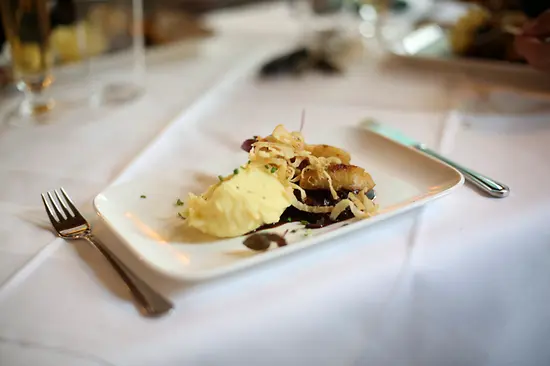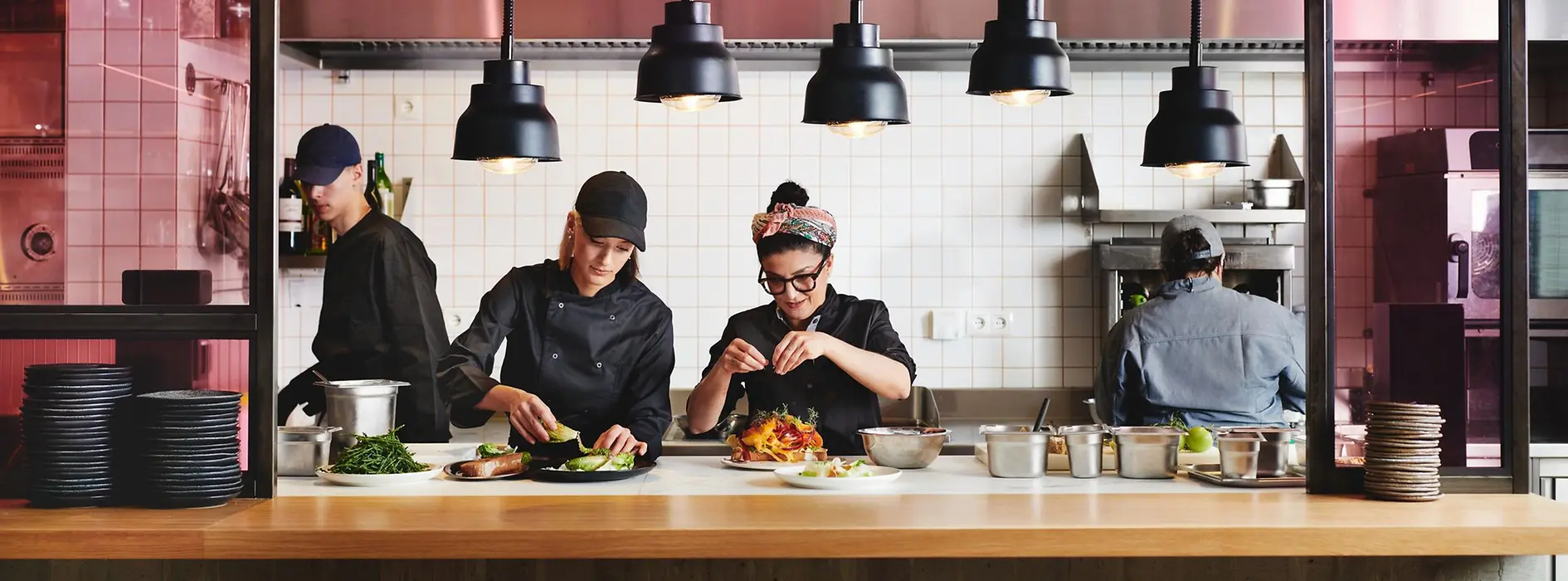
Girl power in the kitchen
Vienna is a city of immigration and migration, and has been for centuries. Many people from the Habsburg territories came to Vienna in search of work during the Austro-Hungarian Empire. That migration also shaped Viennese cuisine. Viennese cuisine is a melting pot, a blend of culinary styles from Bohemia, Austria, Hungary, Italy and the Balkans. It was the people who created it – and especially the women – who had a decisive influence on Viennese cuisine. They came to Vienna to work as cooks. At the turn of the 20th century, Vienna was a city of women, with every second woman being an immigrant.
Bohemian female cooks write history
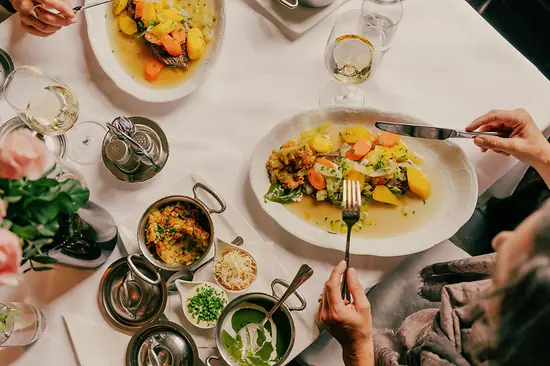
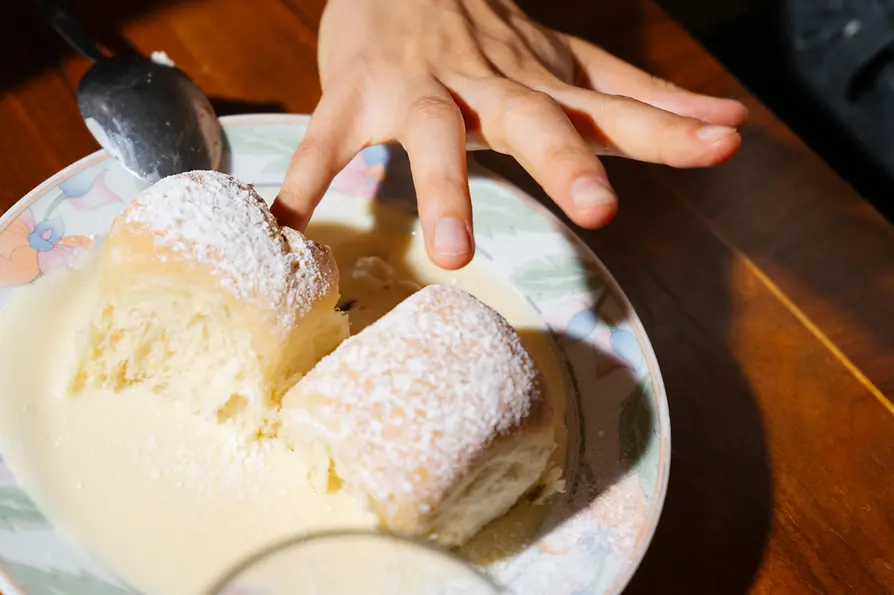
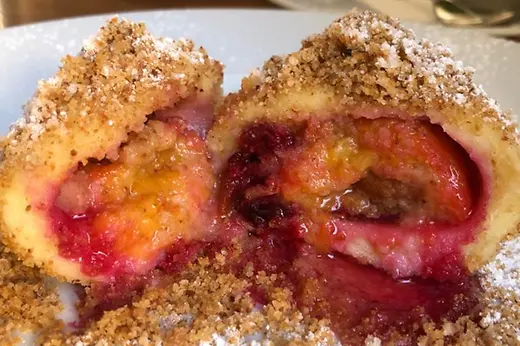
The influence of Bohemian cuisine is particularly evident. In the 18th and 19th centuries, many women came to Vienna from Bohemia. They worked as cooks in the households of Vienna’s upper middle class and the nobility. Any household of standing had a Bohemian cook. Those women brought the dishes and recipes from their Bohemian homeland with them, which over time became an essential part of Viennese cuisine. Besides hearty dishes such as roast pork with cabbage or beer goulash, above all the desserts, such as Germknödel, Buchteln, Mohnnudeln and Powidltatschkerl, can be traced back to these Bohemian women cooks. The women also brought sweet fruit dumplings (“knedlsk”) to Vienna. The Bohemian cooks had to provide not only the family with fine food, but the entire household staff, from the stable boy to the maid. While knowledge of the Bohemian culinary heritage remains very present today, the women behind it have almost been forgotten.
Women in the restaurant industry today
To this day, many women – and with them influences from other countries – continue to contribute to the development and vibrancy of Vienna’s culinary scene. And even today, it is important to shine a spotlight on committed women in a male-dominated industry.
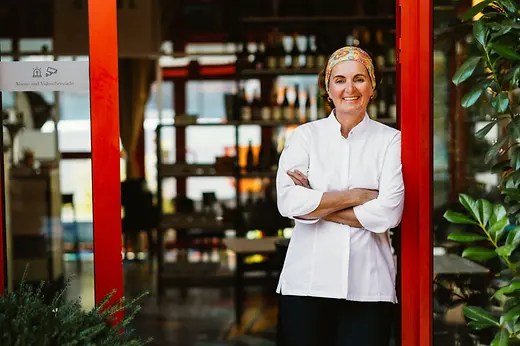
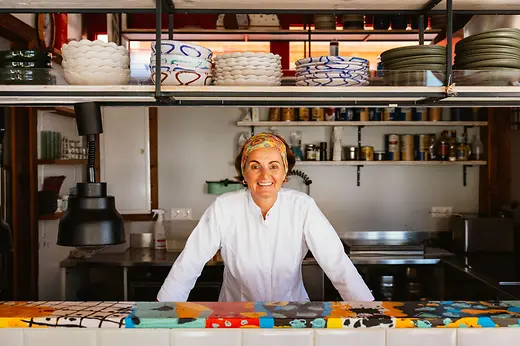
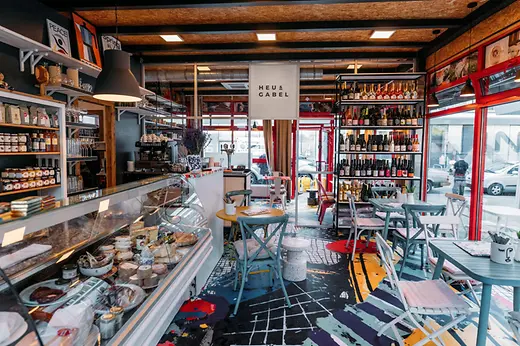
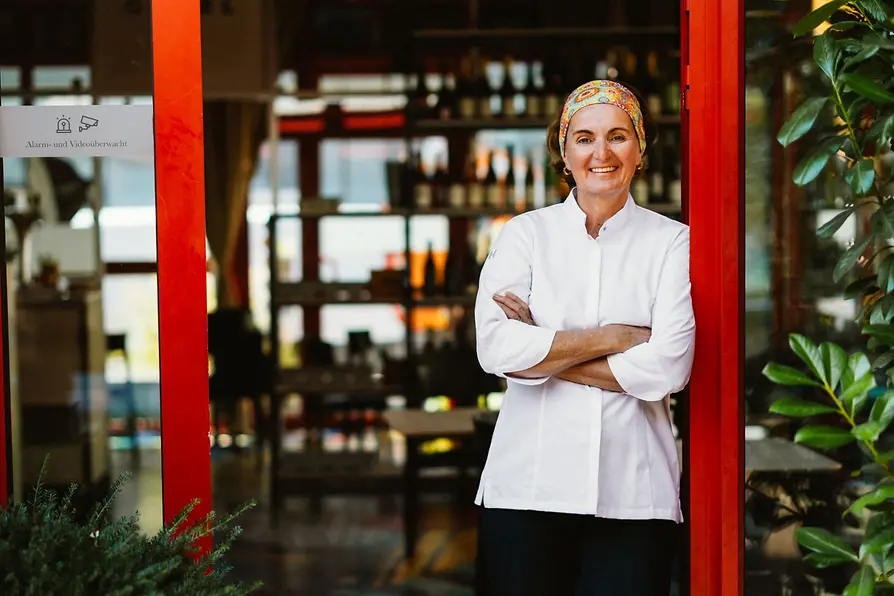
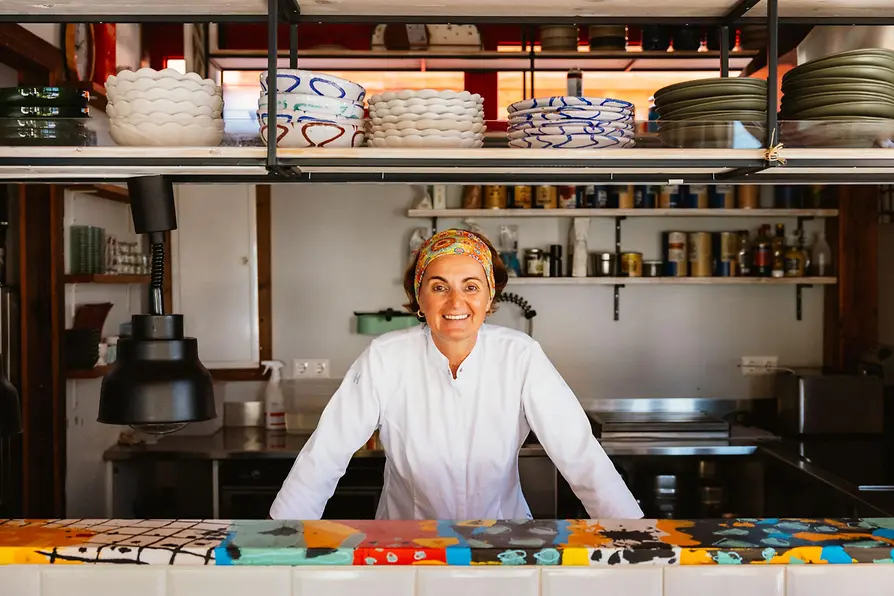
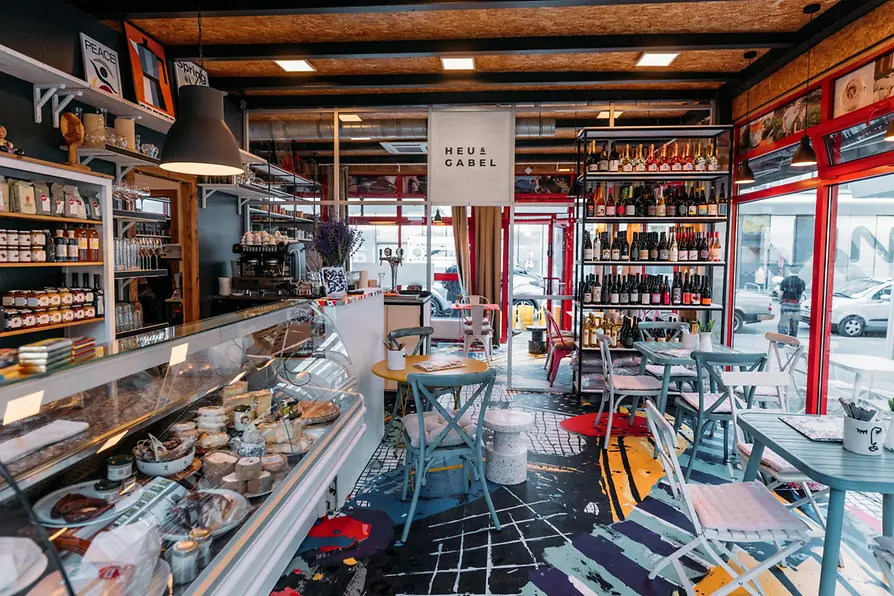
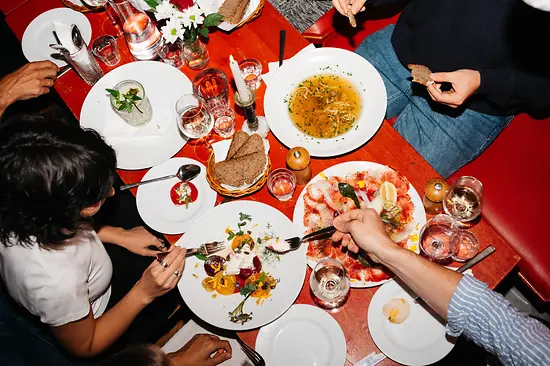
Toque-winning chef Heidi Ratzinger cooks at Heu & Gabel in the Meidlinger Markt. The experienced chef is renowned as a pioneer in the neighborhood; she previously worked at the Meidlinger Markt and was the first to earn a prestigious culinary award for a market restaurant. She focuses on contemporary Austrian tavern cooking with a market feel. The core values at Heu & Gabel are organic certification, seasonality, and close cooperation with regional producers. Ratzinger’s cooking thrives not on staging, but on product, craftsmanship, and flavor. Heu & Gabel at the Meidlinger Markt is also an organic deli.
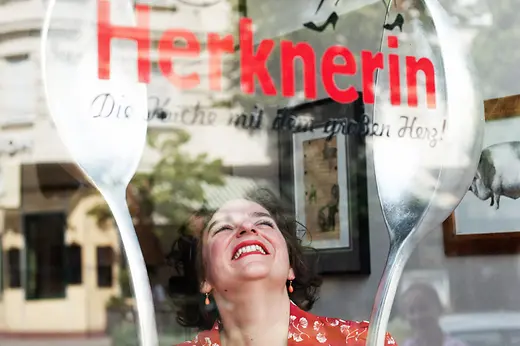
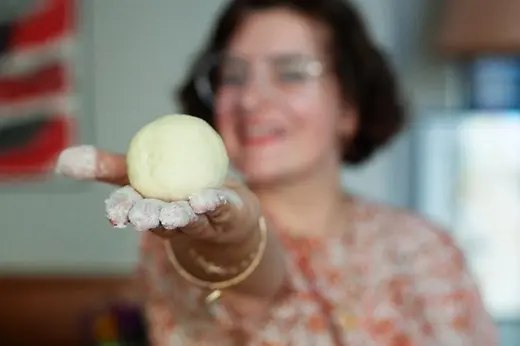
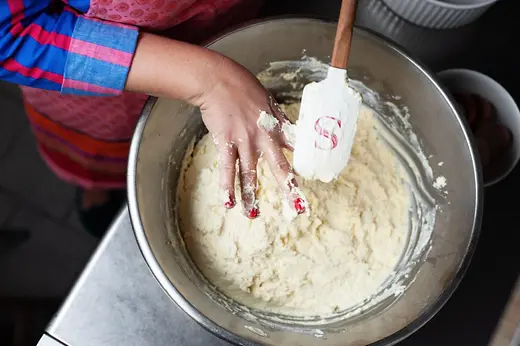
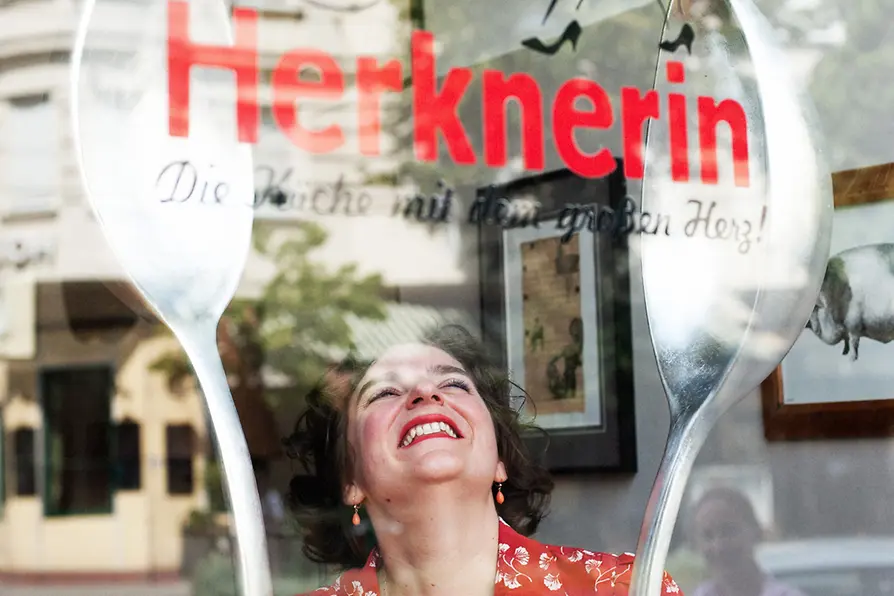
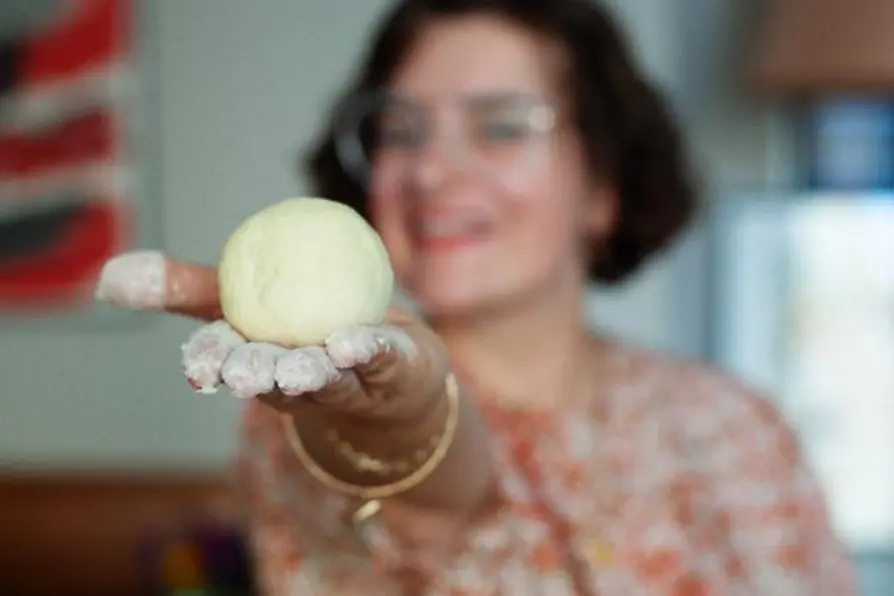
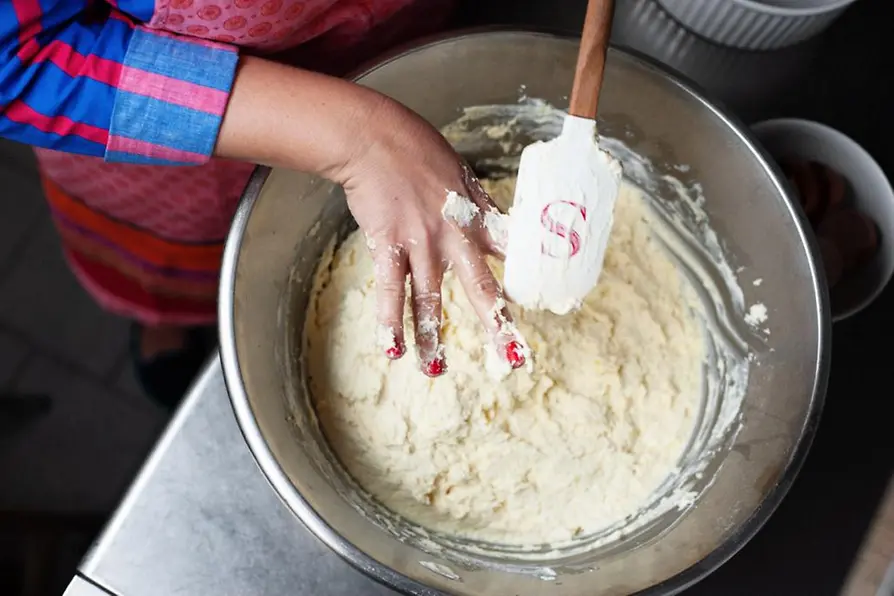
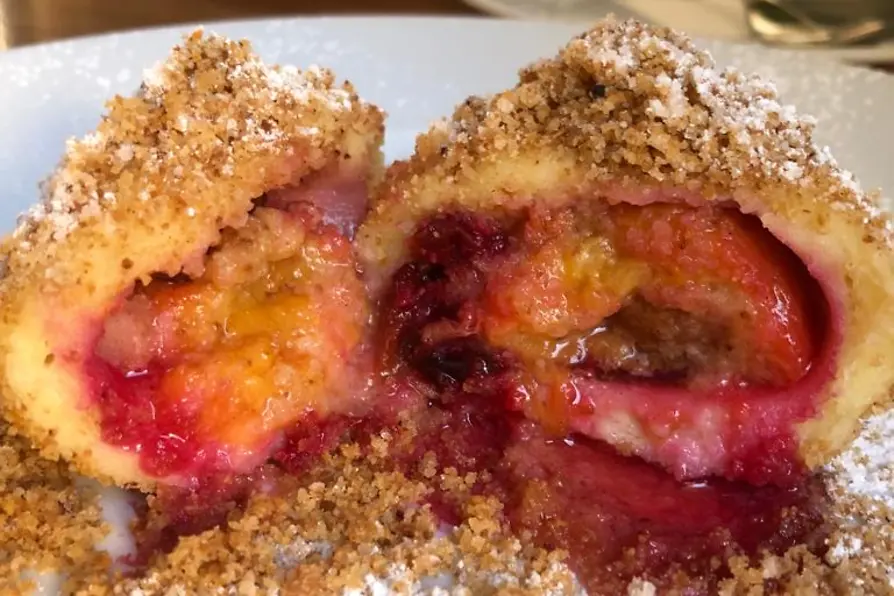
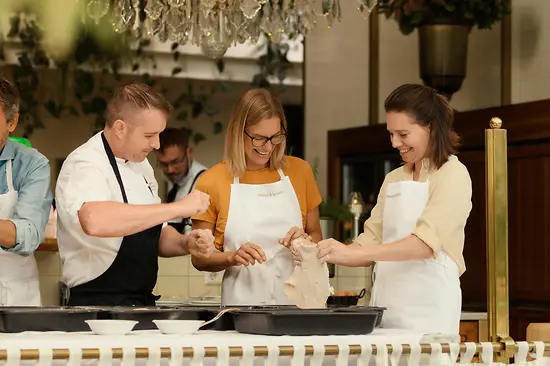
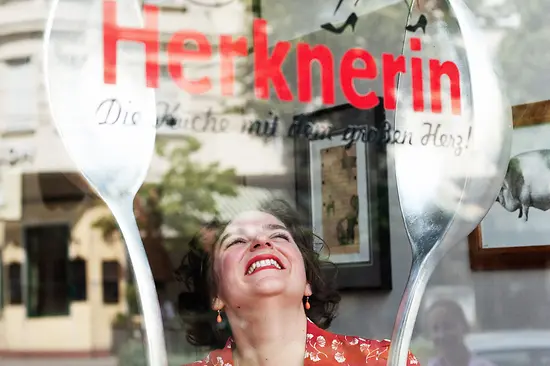
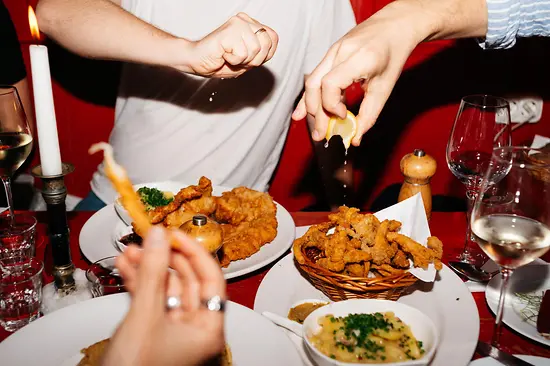
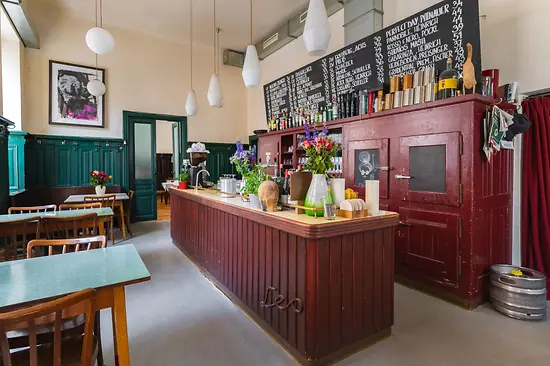
Stefanie Herkner is also an important exponent of Viennese cuisine. The charming, iconic hostess runs the restaurant “Zur Herknerin”. The name is a reference to the former restaurant “Zum Herkner”, run by her father, who was among the best chefs in the city. Although her parents did not want Stefanie Herkner to become a restaurateur as well, she very successfully opened a tavern in a former plumber’s workshop. She is known for her down-to-earth home-style cooking, her fantastic dumplings (sweet and savory), and sarma, the Serbian cabbage rolls. Stefanie Herkner also passes on the art of dumpling-making in cooking classes.
Parvin Razavi is originally from Iran and cooks at the restaurant &flora. The head chef was named Newcomer of the Year by Gault & Millau in 2023 for her creative cooking style, which combines Austrian, Middle Eastern, and international influences, and she currently holds three toques. Vegetables take center stage at Parvin Razavi’s, and meat becomes a sideshow. Her career is remarkable, as she is self-taught in the kitchen. Her fondness for Middle Eastern spices allows her to add a distinctive signature to her cooking.
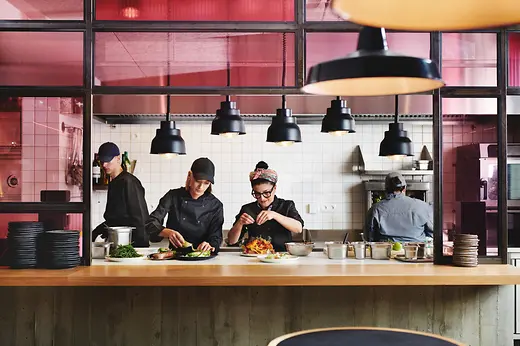
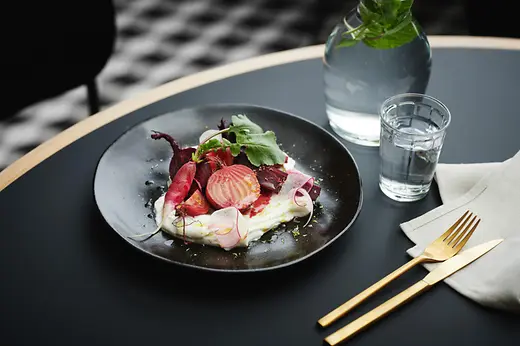
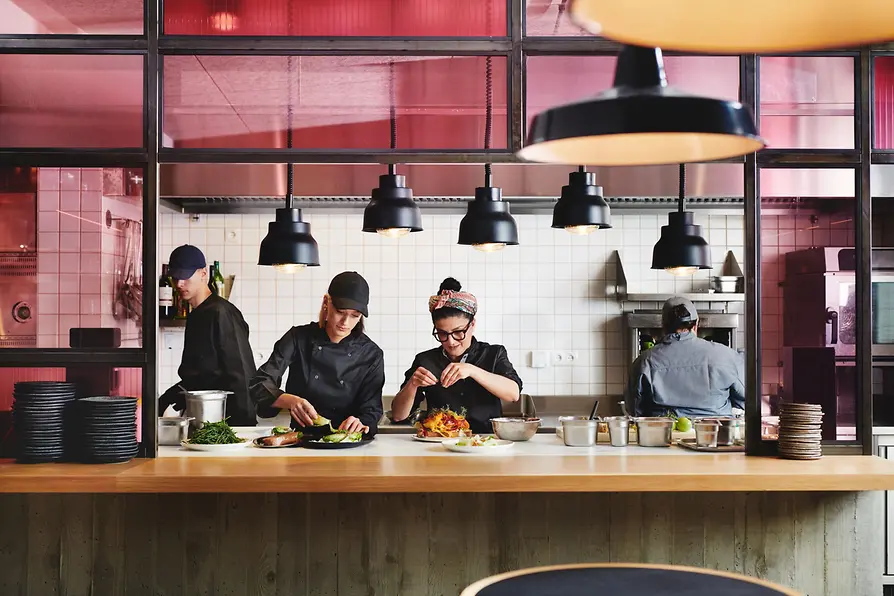
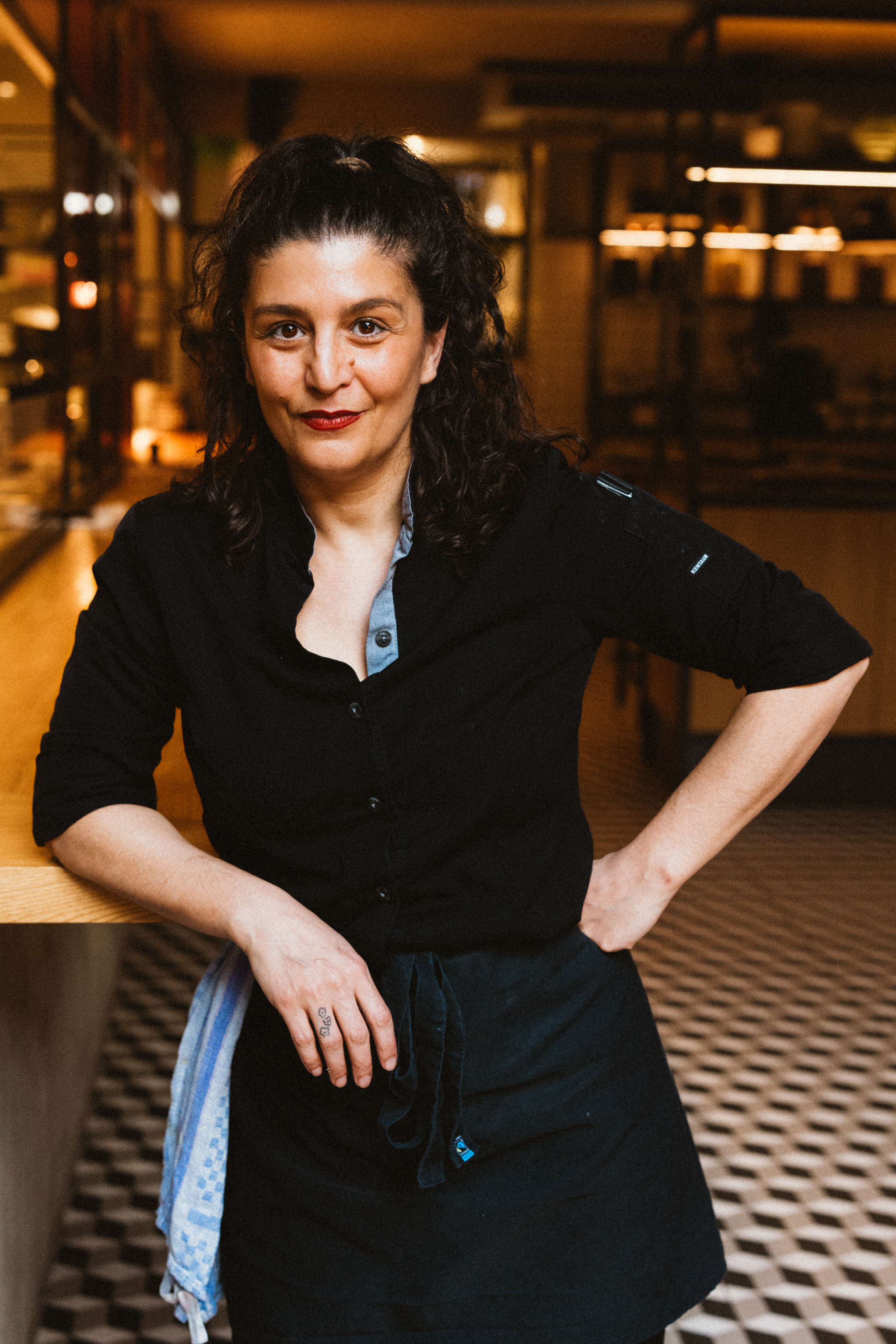
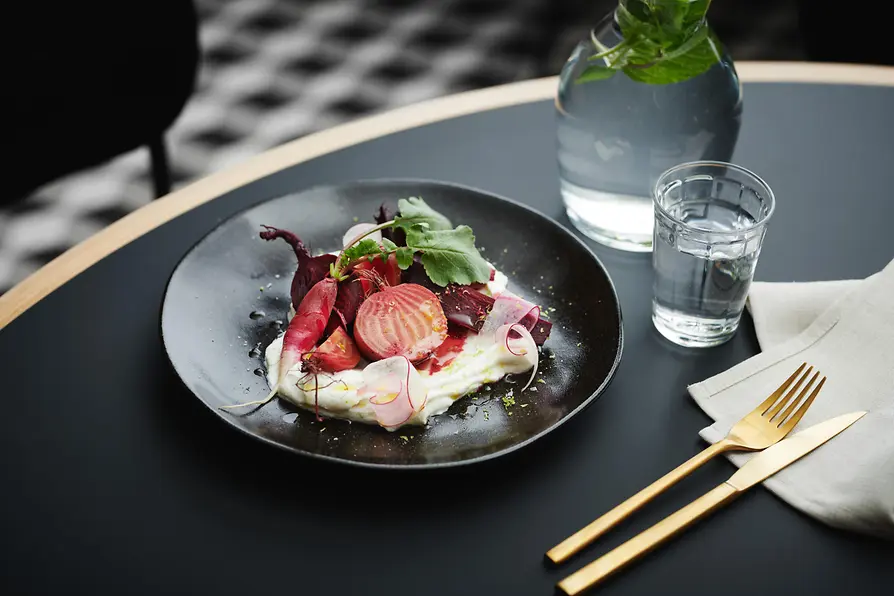
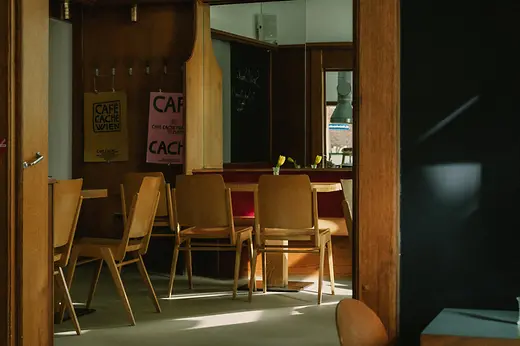
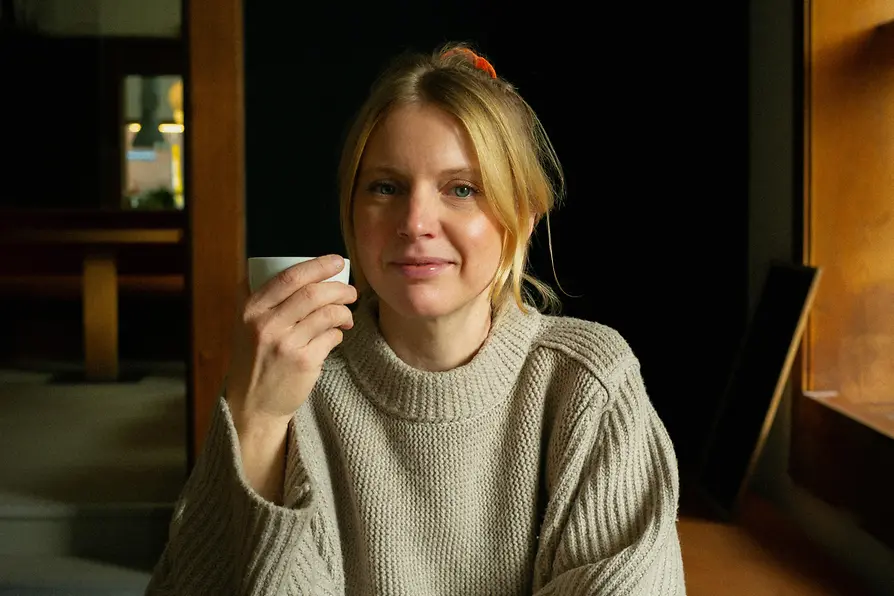
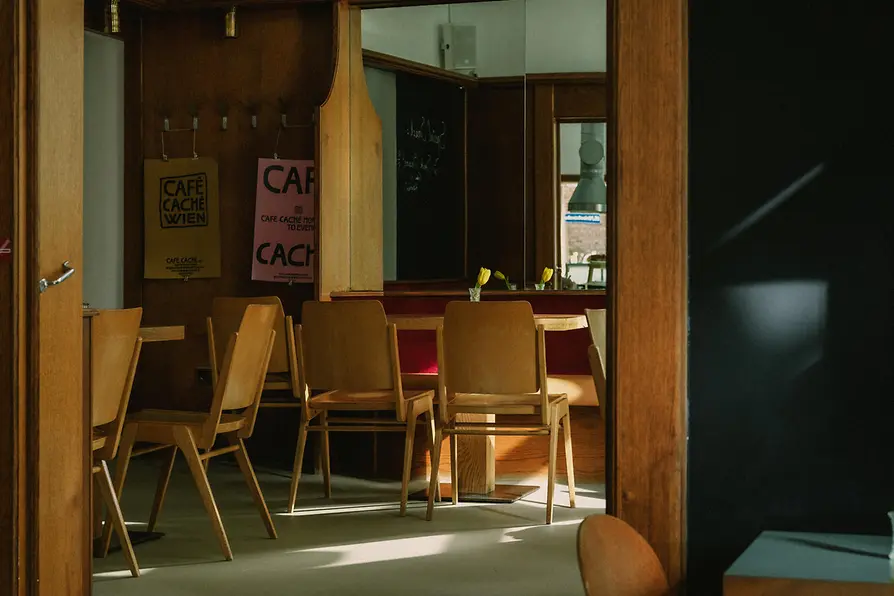
Lisa Machian brings French flair to Vienna with her Café Caché. Machian and her husband, Arnaud Champetier, a native of France, have taken over a former suburban coffeehouse in the 15th district, where they serve really good food. Lisa Machian is in charge of the kitchen. She learned a lot from her previous positions in London and Paris, which now influences her cooking style. The dishes are inspired by French cuisine, simple during the day and served in the style of a sophisticated bistro in the evening. The café’s retro-style ambience remains unchanged.
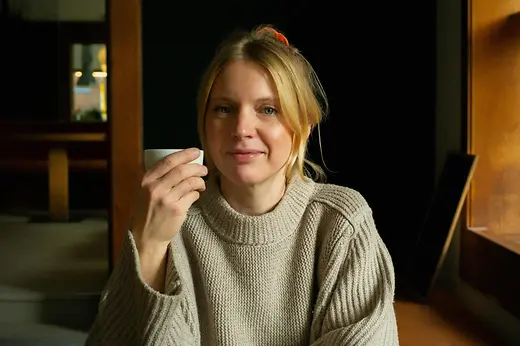
Ola Szwarc likewise incorporates her background and professional experience into her cooking style. Ola Szwarc was born in Poland, where she studied art. She has lived and worked as a chef in London, and now runs the Rosebar Centrala gasthaus with her partner, Nadim Amin. The cosmopolitan cuisine covers a wide range of tastes, from London to Poland. However, the Eastern European influences in the dishes clearly stem from Ola Szwarc.
Sweet dishes from female pastry chefs
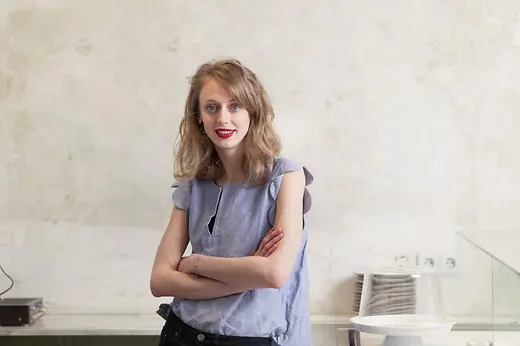
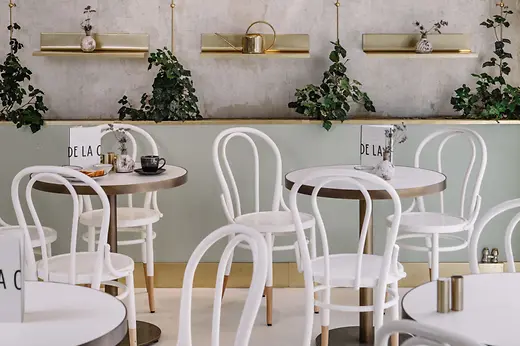
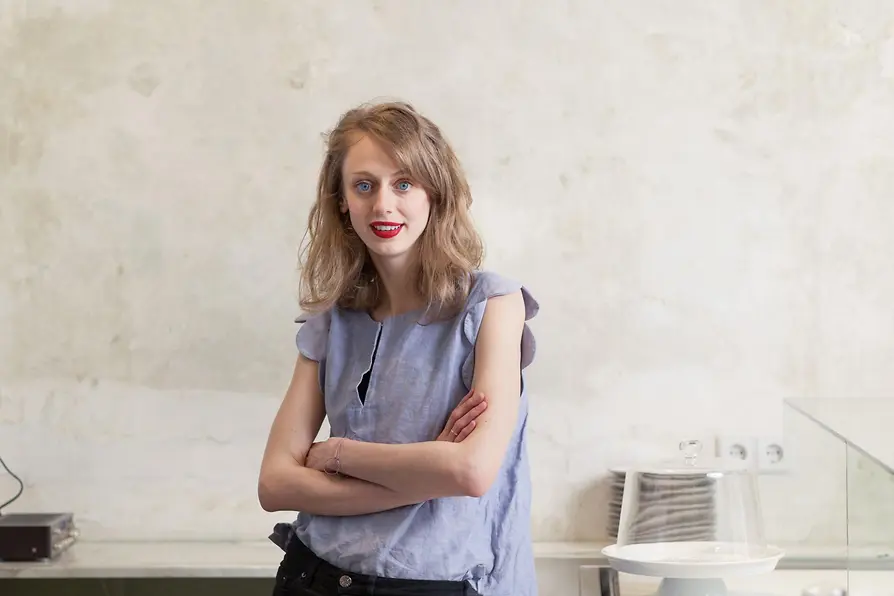
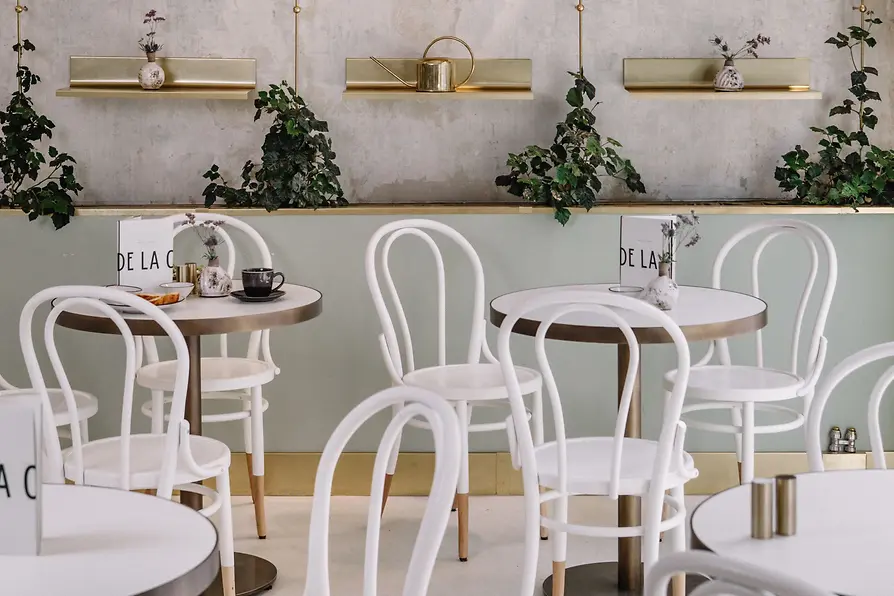
Pastry chef Julia Kilarski has made a name for herself in Vienna with her sweet works of art. After initially studying to become a lawyer, she changed fields and trained to become a master pastry chef. Soon afterwards, Julia Kilarski opened the delightful café-patisserie “Crème de la Crème” in the 8th district. She learned the craft of pastry-making in Paris. Her sweet creations are therefore French-inspired as well. The success of her concept led her to open a second branch in Kettenbrückengasse in 2025, bringing even more Parisian charm to Vienna.
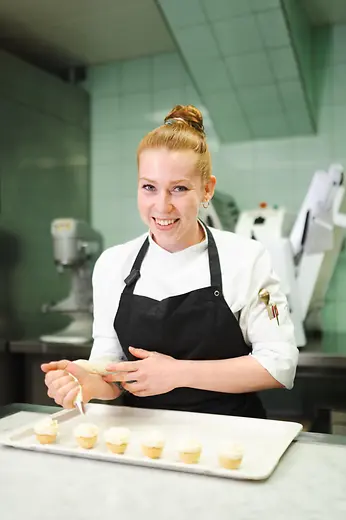
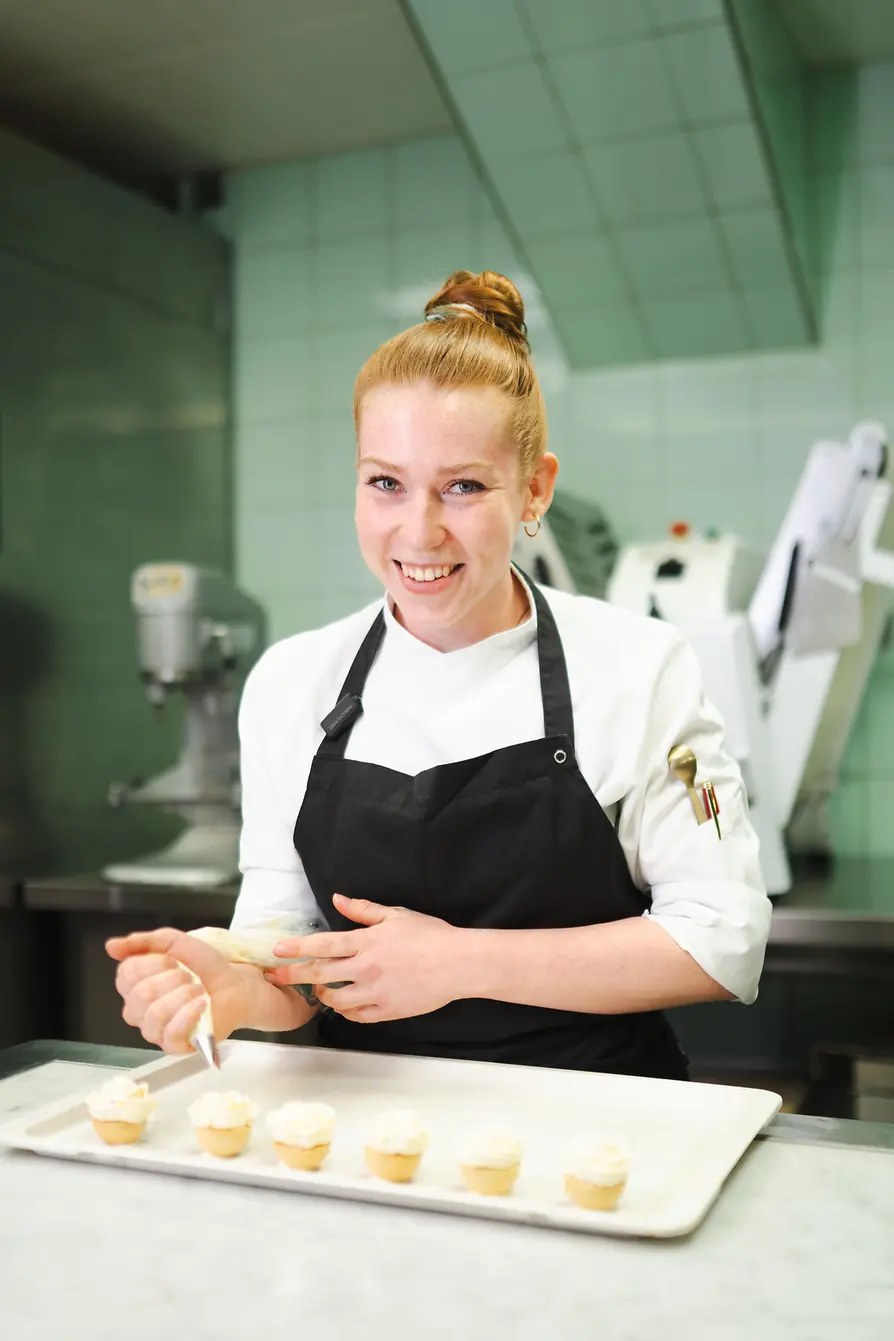
Natalie Stebbing is also making a big career in baking. Stebbing became head pastry chef at the famous Hotel Sacher in Vienna while still in her twenties. In 2022 she even won the German TV show “Das große Backen – Die Profis”. Her childhood and adolescence were international. She lived in Norway, England and Germany, and now she calls Vienna home. Despite developing a passion for baking early on, after graduating from high school she initially started a degree in education. Only then did she realize that her heart truly lay in the art of pastry-making.
Today, however, culinary enjoyment encompasses not just food but drinks as well.
Wine and coffee made by women
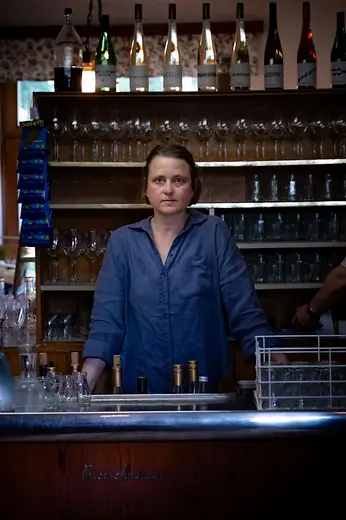
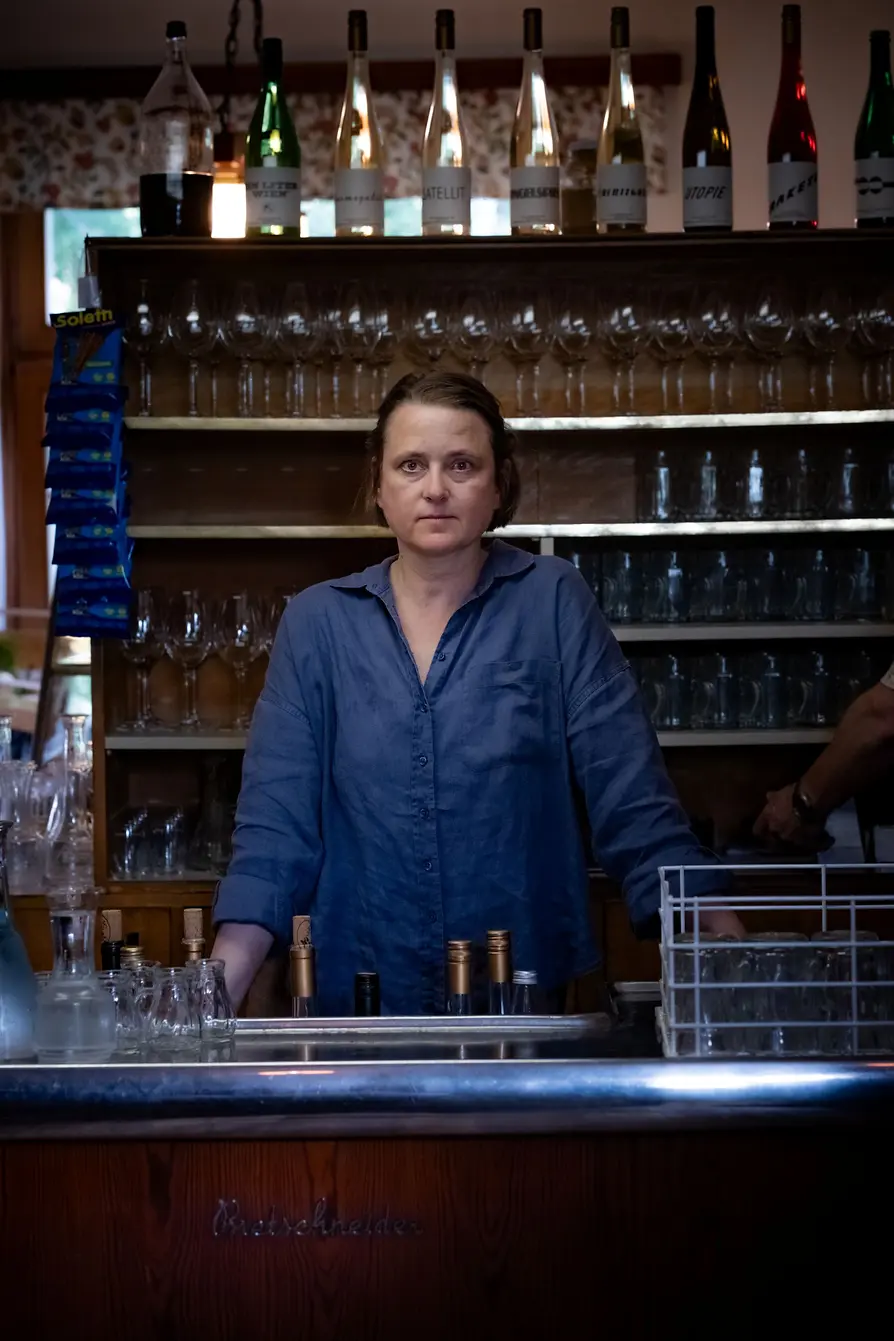
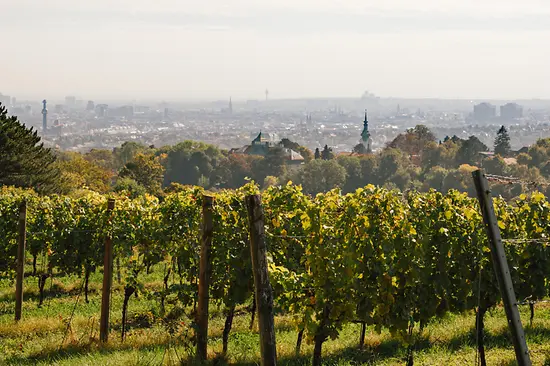
Women have traditionally been a rarity in the world of wine. This makes women like Jutta Ambrositsch, who is a very successful winemaker in Vienna, all the more important. Jutta Ambrositsch actually has a background in advertising, but in 2004 the art director quite spontaneously switched careers to become a winemaker. Her individual, characterful wines are causing a sensation and she quickly made a name for herself in the wine world. Ambrositsch also runs the “Buschenschank in Residence” together with her husband. It is a pure, authentic Heuriger serving food made from high-quality ingredients.
Peggy Strobel is the owner of a small 1950s-style café bar called Cafetière. Strobel used to be the manager of the Michelin-starred restaurant Mraz & Sohn and has now fulfilled her dream of owning her own café. The charming hostess celebrates espresso culture in this delightful café with its original 1950s décor. The fact that both the toast and the homemade ice cream taste better here than elsewhere has to do with the connections to the Michelin-starred cuisine at Mraz.
- Meidlinger Markt, 1120 Wien
- www.heuundgabel.at
- zuhause@heuundgabel.at
Opening times
- Mo, 08:00 - 16:00
- Tu - Th, 08:00 - 21:00
- Fr, 08:00 - 22:00
- Sa, 08:00 - 16:00
- Wiedner Hauptstraße 36, 1040 Wien
- zurherknerin.at
Opening times
- Th - Fr, 18:00 - 23:00
- Breite Gasse 9, 1070 Wien
- www.undflora.at
- foodlovers@undflora.at
Opening times
- Mo, 07:00 - 16:00
- Tu - Fr, 07:00 - 00:00
- Sa, 07:30 - 16:00
- on holidays - Su, 07:30 - 16:00
- Meiselstraße 2, 1150 Wien
- cafecache.at
- bonjour@cafecache.at
Opening times
- We - Sa, 17:30 - 23:00
- Brunch Sa, 09:00 - 15:00
- Rauscherstraße 5, 1200 Wien
- www.centrala.at
- hello@centrala.at
Opening times
- We - Sa, 17:30 - 23:00
- Lange Gasse 76, 1080 Wien
- cremedelacreme.at
Opening times
- Tu - Fr, 09:00 - 18:00
- Sa - Su, 10:00 - 17:00
- on holidays, 10:00 - 17:00
- Kettenbrückengasse 20, 1040 Wien
- cremedelacreme.at
Opening times
- We - Fr, 09:00 - 18:00
- Sa - Su, 10:00 - 17:00
- Philharmonikerstraße 4, 1010 Wien
- www.sacher.com
- culinary.wien@sacher.com
Opening times
- daily, 08:00 - 22:00
- Langackergasse 5a, 1190 Wien
- www.jutta-ambrositsch.at
- buero@jutta-ambrositsch.at
Opening times
You can find the current opening hours on the company's website.
- Wipplingerstraße 25, 1010 Wien
- diecafetiere.wien
Opening times
- Mo - Fr, 07:30 - 18:00
- Sa, 09:00 - 16:00
Where to find authentic Bohemian cuisine in Vienna today:
- Nordpolstraße 3, 1020 Wien
- www.nordpol3.at
Opening times
- Mo - Fr, 17:00 - 23:00
- Sa - Su, 12:00 - 23:00
- on holidays, 12:00 - 23:00
- Prater 116, 1020 Wien
- www.schweizerhaus.at
Opening times
- daily, 11:00 - 23:00
Accessibility
via ramp
Ramp 290 cm wide
via ramp
Ramp 90 cm wide
4 Parking spaces for people with disabilities
Assistance dogs allowed
Accessible toilet
18 steps to kitchen floor, 18 steps on buffet floor, 27 step to terrace on second floor, 19 steps in new building to second floor.
Elevator to second floor. Garden with gravel and concrete paths.