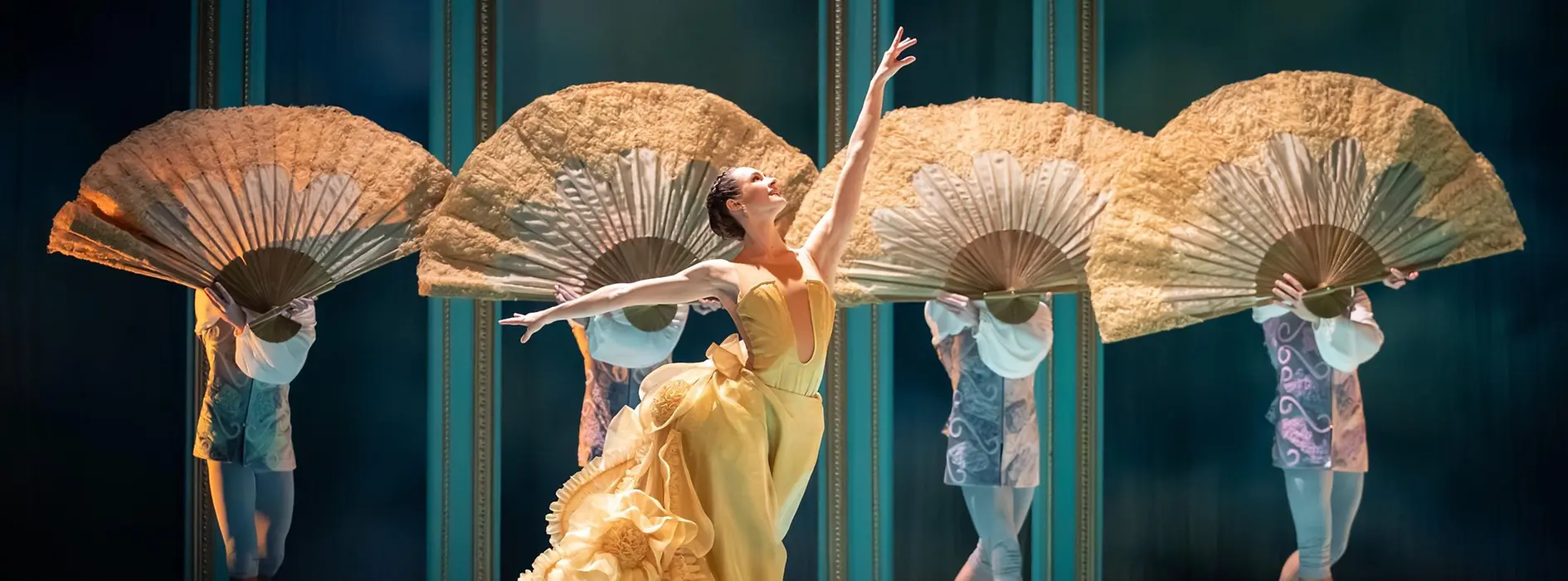
Vienna State Ballet
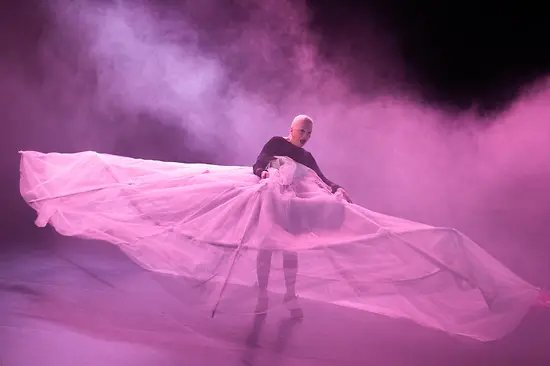
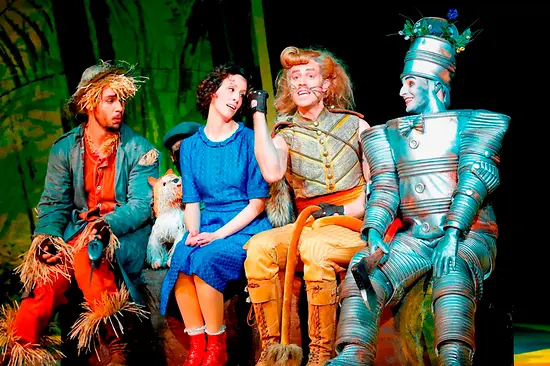
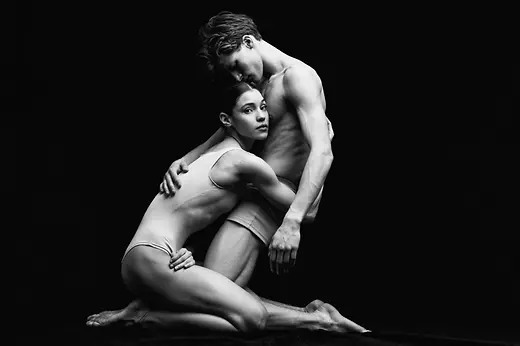
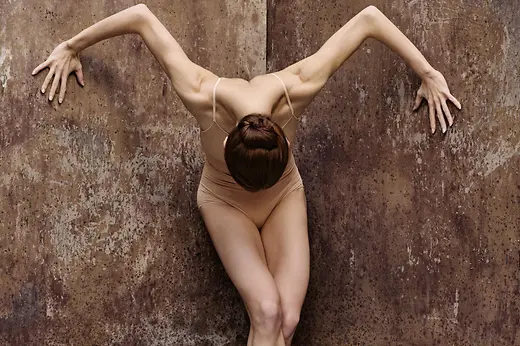
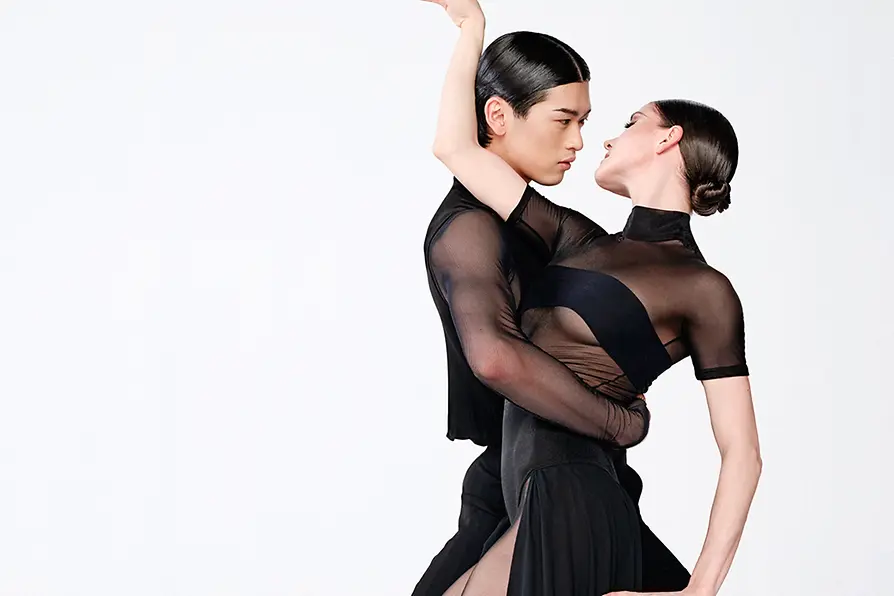
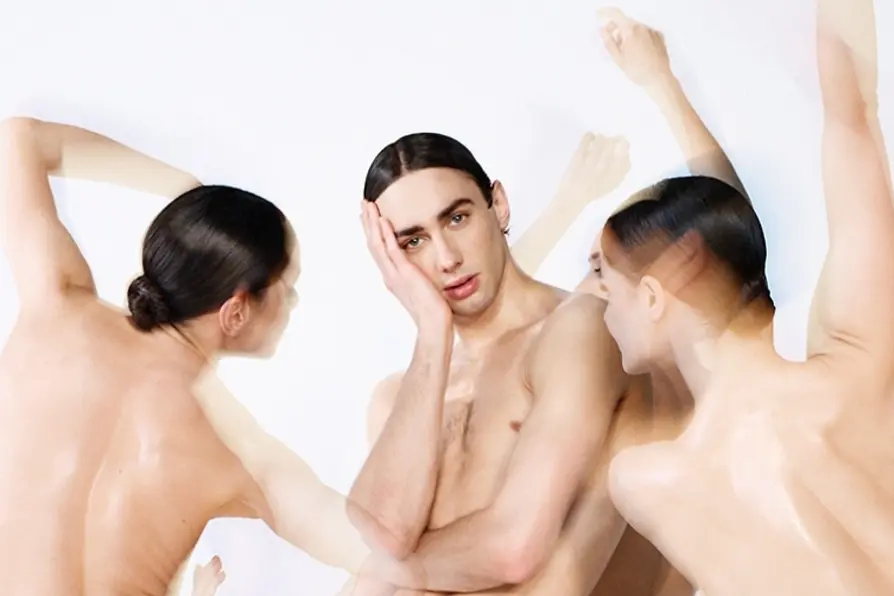
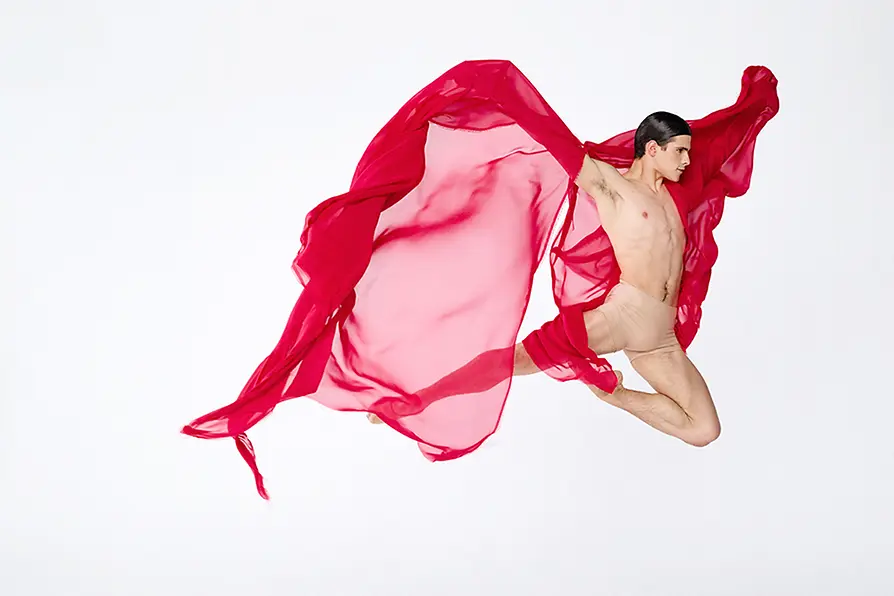
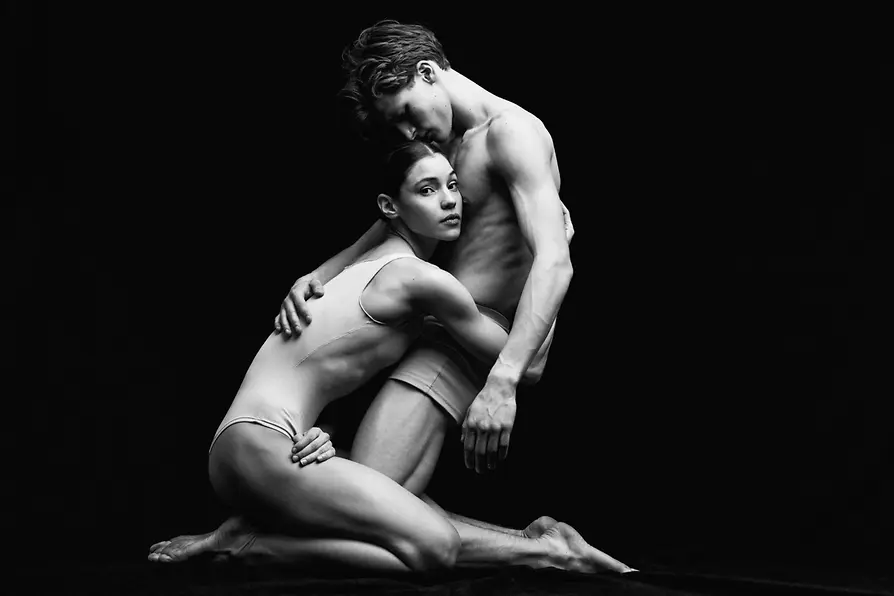
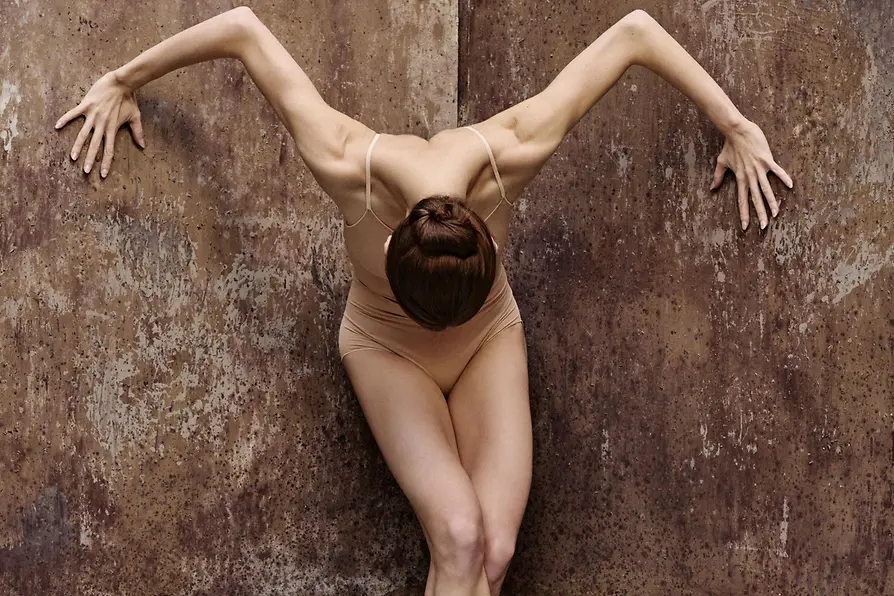
The ballet seasons of the Vienna State Ballet, which run from September to June each year, are full of excitement. The bandwidth ranges from large narrative ballets to American neo-classical performances and contemporary dance. Each season brings a Who's Who of dance art to the stages: Several premieres and works from the extensive repertoire reflect a fascinating cosmos of different forms, aesthetics, working methods, and casts.
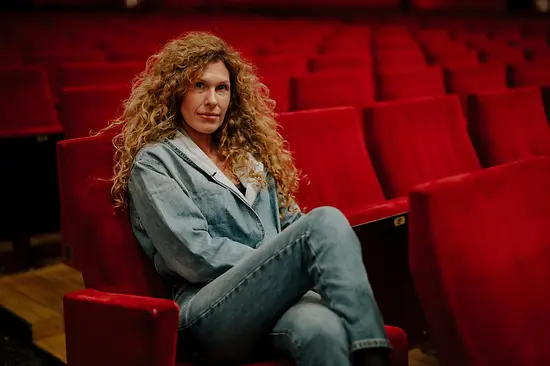
The ballet director is the Italian Alessandra Ferri – described by The New York Times as “one of the greatest dramatic dancers of all time.”
The best thing is to take a look right now at the current program of the Vienna State Ballet!
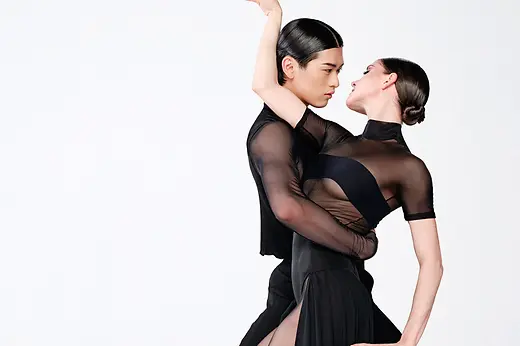
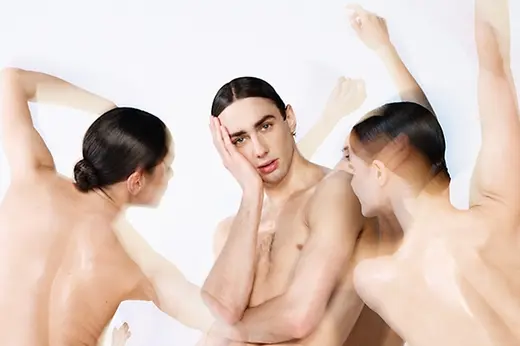
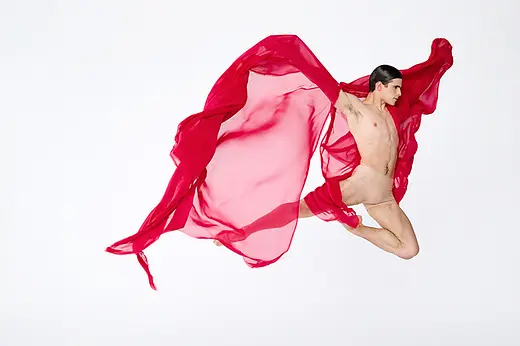
One company – two stages
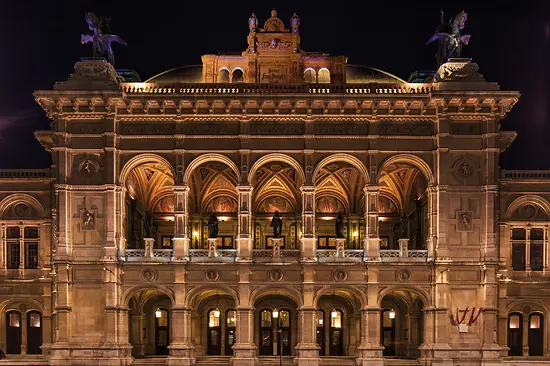
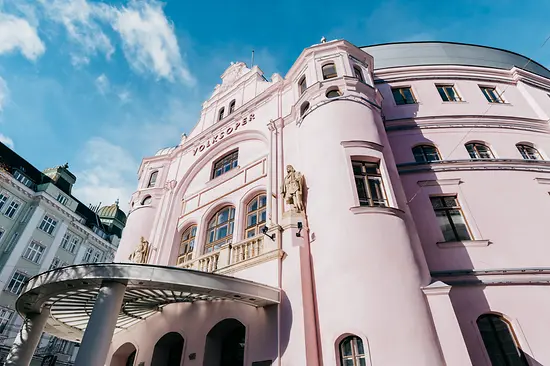
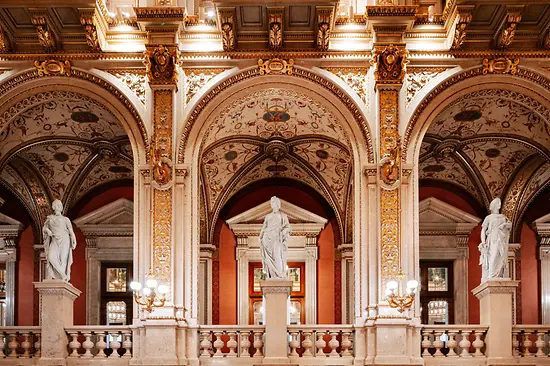
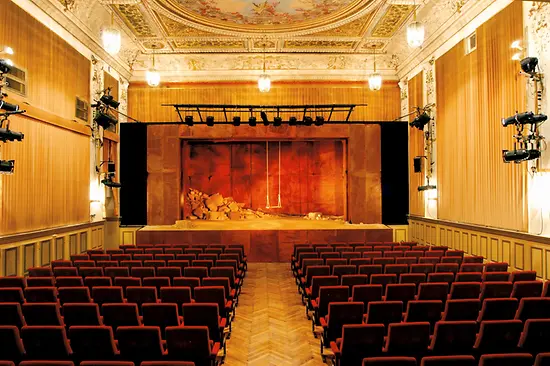
Two of Vienna's most beautiful and largest stages are the regular performance venues of the Vienna State Ballet: The Vienna State Opera – otherwise reserved for opera performances – and the Vienna Volksoper, where the genres of opera, operetta, and musical are also at home.
400 years of history
At the beginning of this development of ballet in Vienna stood an empress: Eleonore Gonzaga, the wife of Emperor Ferdinand II, performed a ballet in Vienna for the first time in 1622. This was followed by the first flowering of the new art form, which at the time was practiced solely by members of the nobility. This "noble" ensemble was led by the respective emperor himself. Only gradually were professional dancers accepted. The formation of a purely professional troupe only took place in the early 18th century.
Display alternative text
Wiener Staatsballett - Visionary Dances, 2026
Legends of the Viennese ballet scene
Among the dancers and choreographers of international origin working in Vienna are personalities whose names are now legendary:
from Italy: Santo and Domenico Ventura, Gasparo Angiolini, Gaetano Vestris, Salvatore Viganò, Jean Coralli, Filippo, Marie and Paul Taglioni, Carlotta Grisi, Fanny Cerrito
from France: Jean Georges Noverre, Louis Duport, Jean Aumer, Jules Perrot
from Denmark: August Bournonville, Lucile Grahn
from Germany: Heinrich Kröller
Among the Austrians who have written ballet history: Franz Hilverding, Fanny Elssler, Josef Hassreiter, Grete Wiesenthal, and Erika Hanka.
The formation of a national ensemble began in the second half of the 19th century with Josef Hassreiter, the creator of the global hit Die Puppenfee (The Fairy Doll). Local artists have dominated ballet happenings in Vienna ever since, although a string of singular personalities from abroad set highlights in Vienna time and time again – among them the great Rudolf Nureyev.
- Opernring 2, 1010 Wien
- www.wiener-staatsoper.at
-
+43 1 514 44 2250 (Information)
-
+43 1 513 1 513 (Tickets (credit card))
Accessibility
2 Steps (Swinging doors 87 cm wide)
Parking spaces for people with disabilities
Operngasse, Opernring intersection
Assistance dogs allowed
Wheelchair spaces: 22 (4 in the stalls/orchestra, 18 seats in the gallery as needed)
Accessible toilet
Tours in ten languages, prior notification for wheelchair users necessary (Tel. +43 1 514 44–2606). Language display.
Unfortunately, due to the historical nature of the building, the Vienna State Opera does not offer ideal conditions for accessibility. Nevertheless, it is important to us to make the performance as smooth as possible for visitors with limited mobility.
All of our seats are accessible by elevator, and accessible restrooms are also available. You can find all details and information at:
https://www.wiener-staatsoper.at/en/accessibility/
- Währinger Straße 78, 1090 Wien
- www.volksoper.at
-
+43 1 51444-3670 (Information)
-
+43 1 513 1 513 (Tickets (credit card))
- tickets@volksoper.at
Accessibility
Assistance dogs allowed
Wheelchair spaces: 2 (in stalls, 13 additional wheelchair seats possible, prior notification via phone required 10 days before performance)
Accessible toilet
Elevator not suitable for wheelchairs.