Pickled Vienna
Fermentation in Vienna: Tradition meets trend
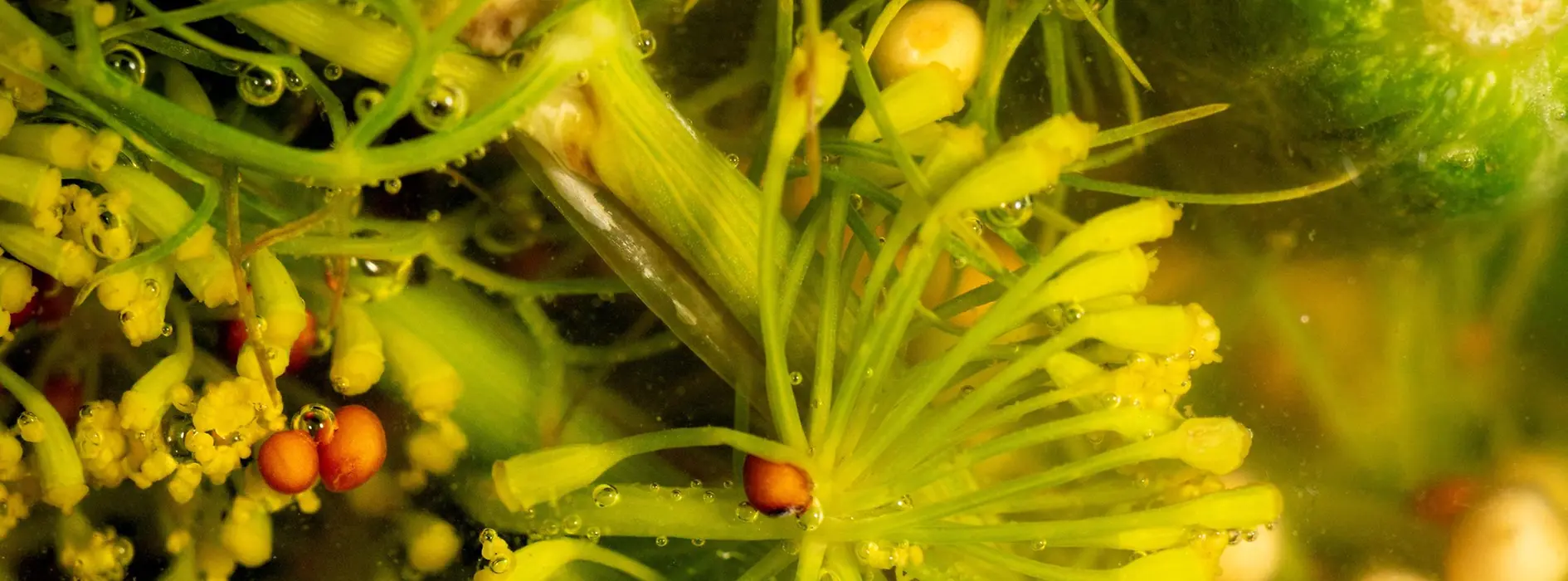
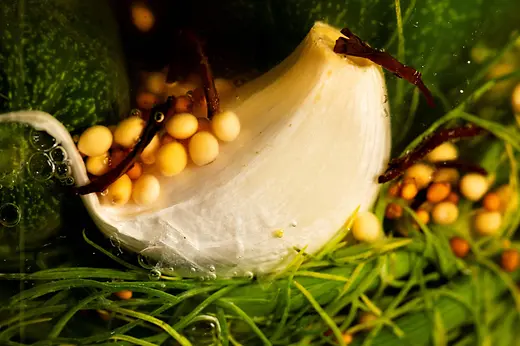
Fermenting is a millennia-old technique for preserving food. Once upon a time, fermented foods were part and parcel of everyday life. Salzgurken – or salted cucumbers – for instance, were eaten in the emperor’s time and were sold as a completely unpackaged “finger snack” in Vienna´s Prater all the way through to the 1980s. Today, they’re only really found at well-stocked sausage stands, alongside their cousins, vinegar pickles. Like sauerkraut, Salzgurken are lacto-fermented, meaning that they’re preserved through lactic acid fermentation rather than vinegar.
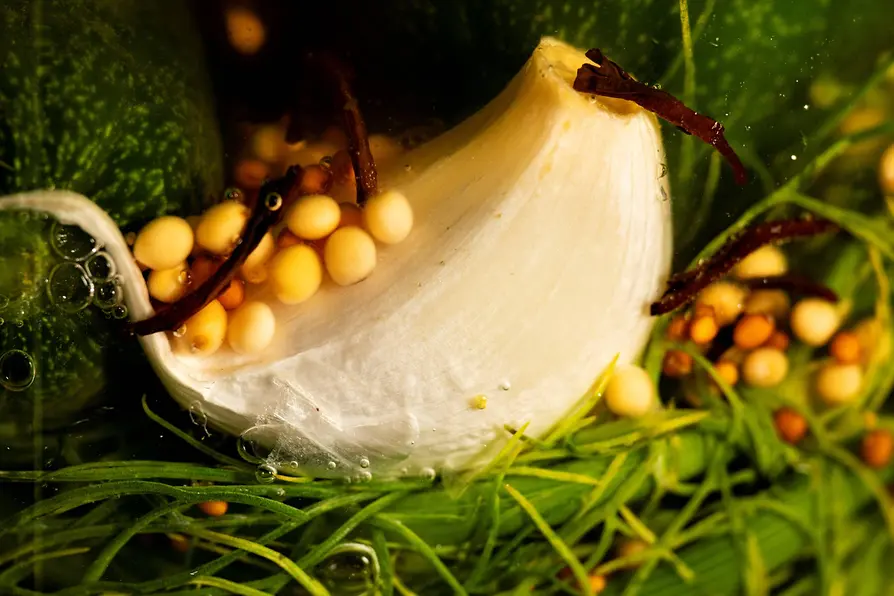
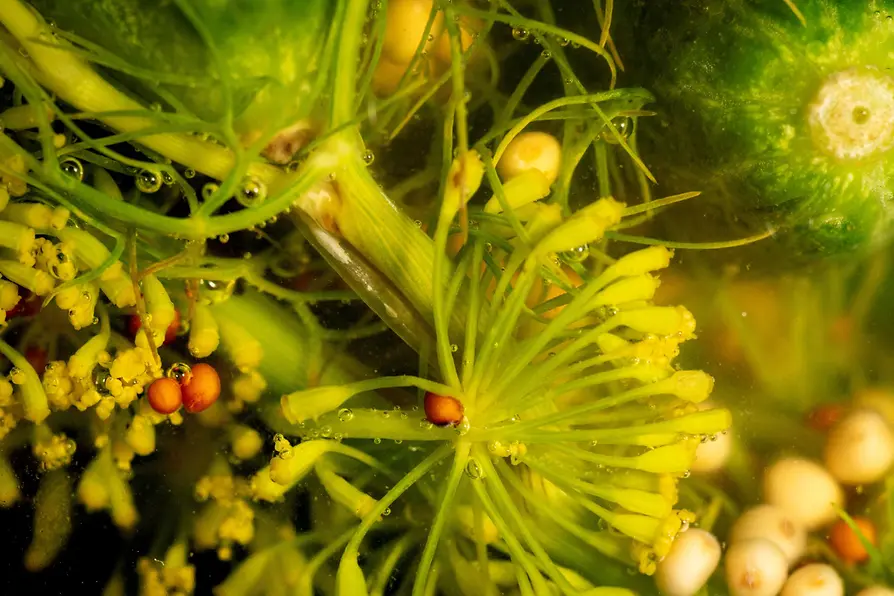
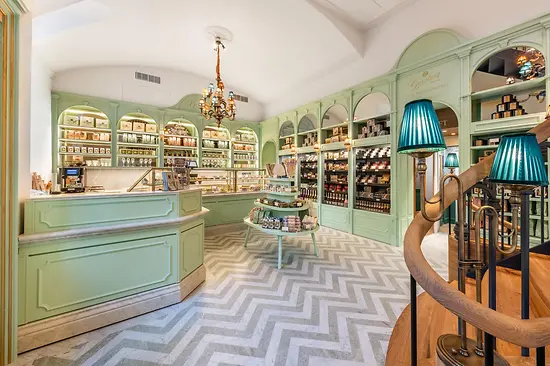
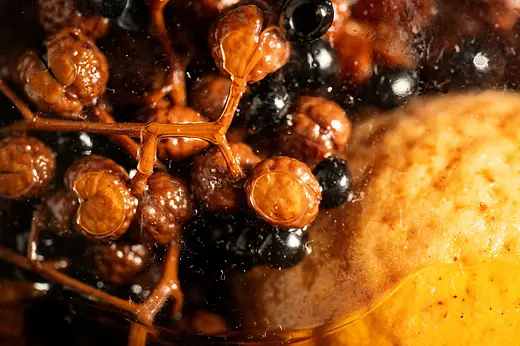
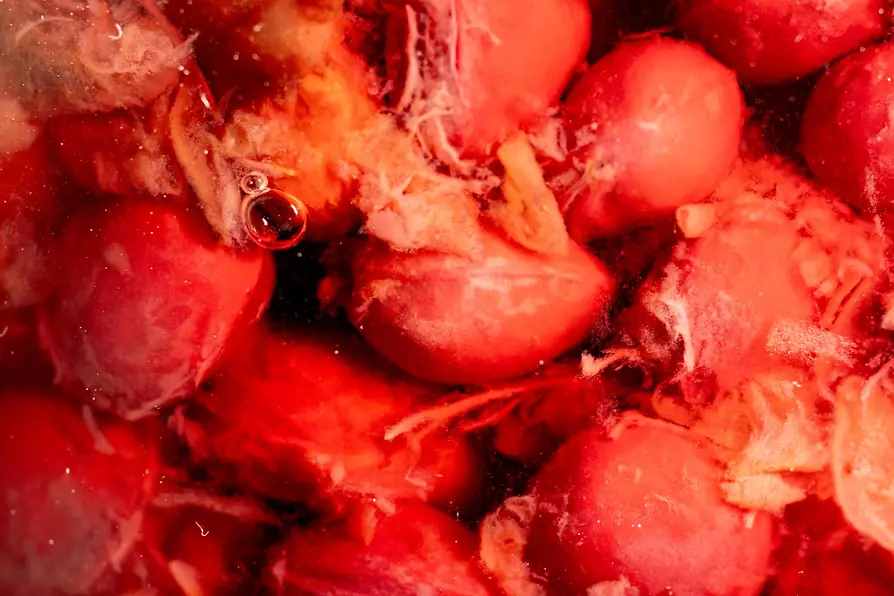
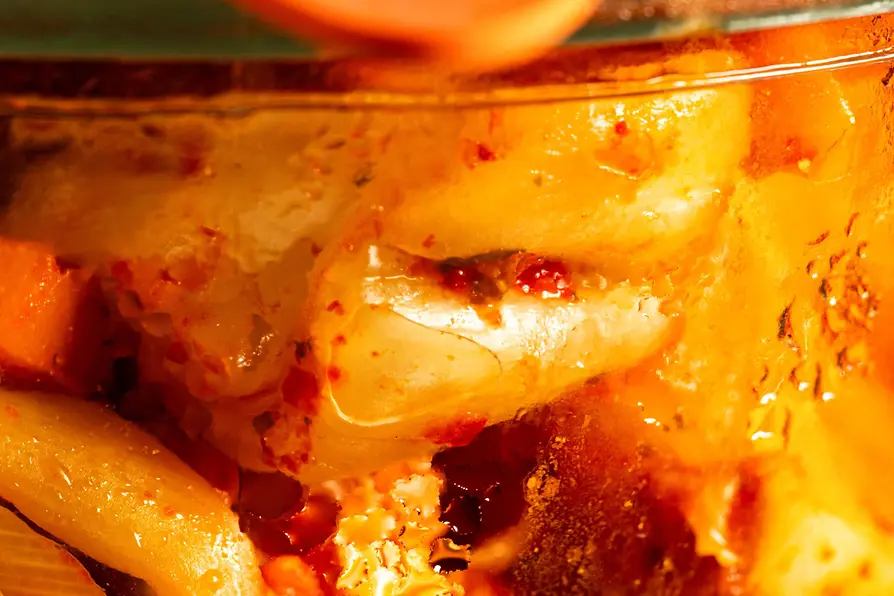
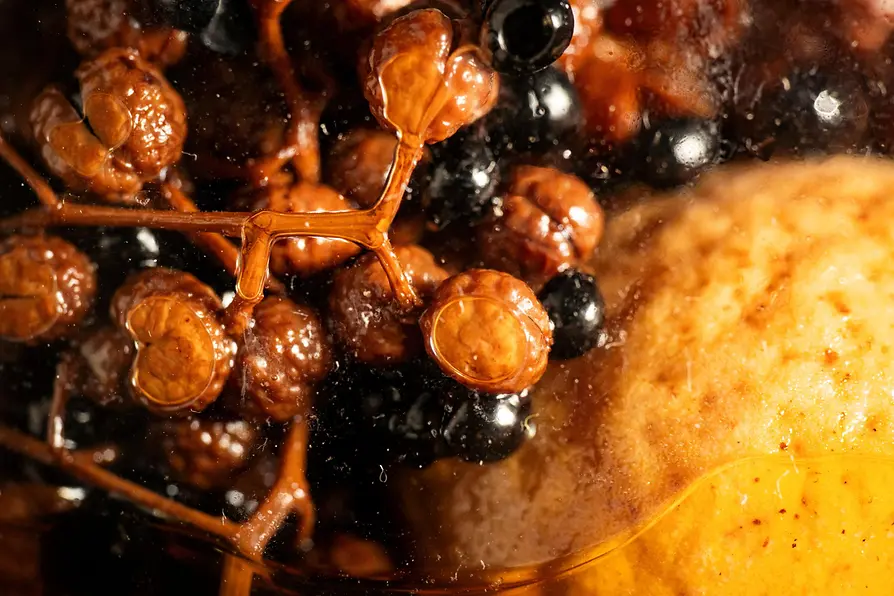
Fermenting is making something of a comeback at the moment in the form of misos, kimchis, and kombuchas. For Alexandra Liberda, it’s an “artisanal craft”. One that matures and grows with each repetition. Like a good sourdough or moldy cheese, it calls for a lot of patience. In 2020, she opened Augora Fermente, a restaurant and store in the sixth district. Today, she has six people working for her. And that’s just the official workforce. Unofficially, though, she employs billions of microorganisms. A silent team of bacteria, yeasts, and enzymes. Their mission? Fermentation.
At Augora, nothing gets “tossed out”. Things are processed, upcycled, fermented, and experimented with. Fermentation extends the life of foodstuffs. As an entrepreneur, profitability is her priority. A surplus of mung beans and green peppers – to cite one example at random – will be used to create a peppery miso with a kick. This is then sold as a delicacy in the store or served in the restaurant. In another case, unused raw fish roe from local pike is used to make a freshwater bottarga – salty, golden, fishy, and utterly unique, given that this typically Sardinian specialty is normally made from sea fish. Even so, pike bottarga still tastes like a sip of seawater taken straight from a seashell – and it pairs perfectly with pasta.
Sauerkraut and Kimchi Classes
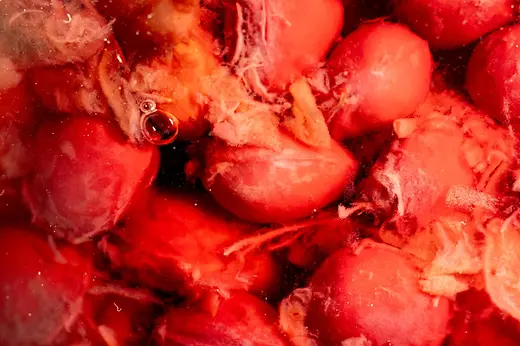
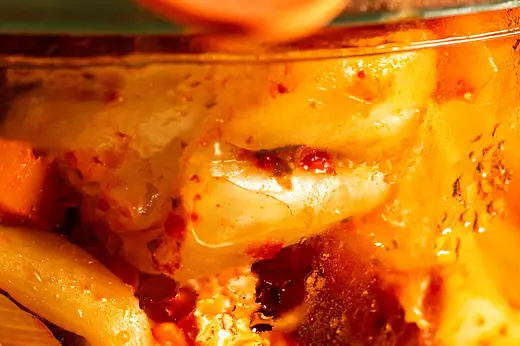
"Fermentation requires a lot of patience. People need to take their time and engage with the food. And anyone who doesn't want to do that is welcome to come to us,“ laughs Alexandra. Courses are offered regularly. On Sundays, when the shop is closed, the exchange begins: about bitter notes, umami, and the moment when a ”what-to-do-with-it" vegetable becomes a specialty. Fermentation is a craft that improves with practice. Alexandra passes on this feeling to her course participants. But there are no recipes, because: “Tomorrow it will taste different anyway.”
Addresses for Fermentation Fans:
Augora Fermente is the place to be for fermented foods: with an online store, a restaurant with a weekly lunch menu and evening pop-up, as well as a deli in the restaurant and regular fermentation workshops.
- Stumpergasse 1A, 1060 Wien
- www.augora.at
Opening times
- Tu - Fr, 10:30 - 19:00
- Sa, 10:30 - 17:00
A glance into Cucina Alchimia in the 13th district shows that fermentation can be an integral part of fine dining. Homemade miso butter, pickled vegetables, yuzu sauerkraut, black garlic mayo, kombucha shallots, and pickled smoked egg yolk with oyster mushroom tartare. Fermentation takes place in the restaurant's own laboratory—a vaulted cellar with perfect conditions for experimentation.
- Firmiangasse 2, 1130 Wien
- www.cucina-alchimia.org
Opening times
- We - Fr, 17:00 - 23:00
- Sa, 11:30 - 23:00
Next-level experimentation is the order of the day at Bruder in the sixth district. Here, the cocktails feature home-curated essences.
- Windmühlgasse 20, 1060 Wien
- bruder.xyz
Opening times
- We - Sa, 17:00 - 01:00
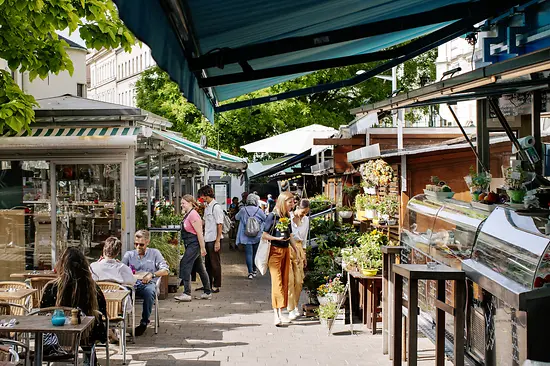
blvb at Brunnenmarkt is a magnet for people who love pickled, fermented and surprising flavors.
- Weyprechtgasse 12/1, 1160 Wien
- www.blvb.at
Opening times
- We - Fr, 12:00 - 19:00
- Sa, 08:00 - 14:00