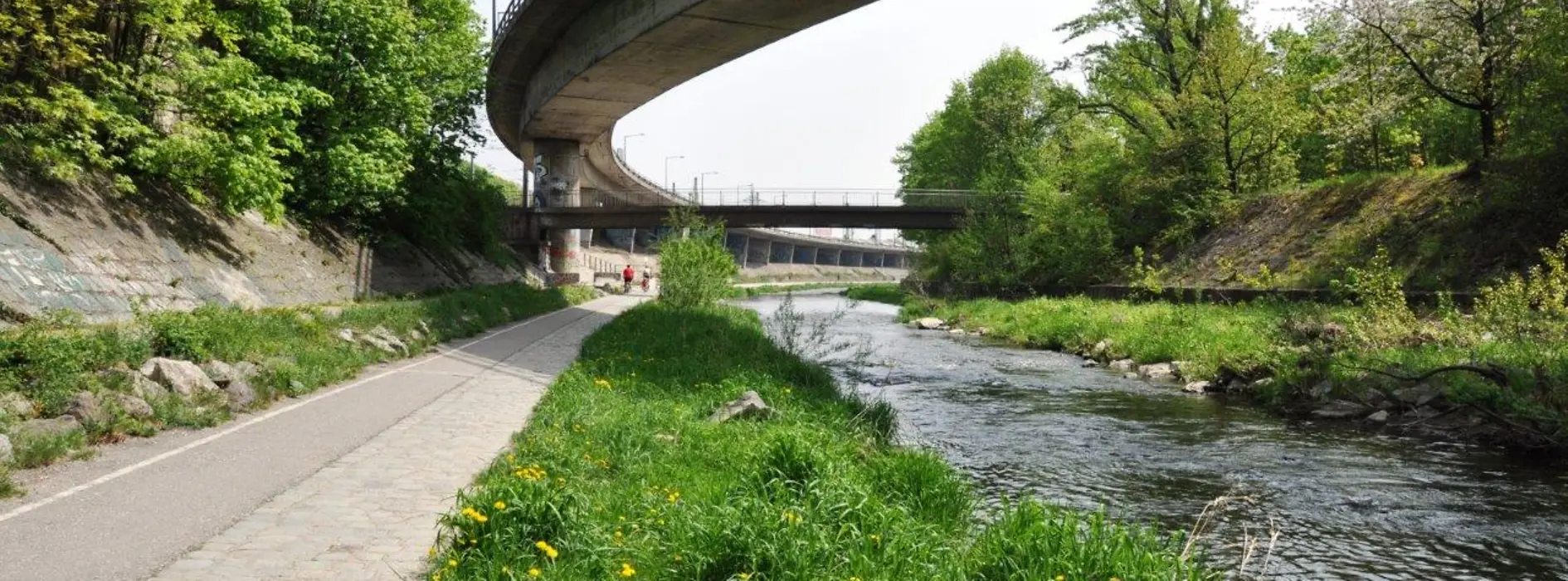
The Wien in Wien
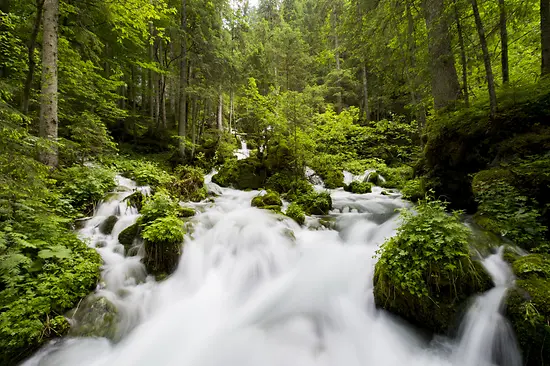
Before the river Wien was tamed through human activity, its kinetic energy was put to work powering mills and other industrial premises. One theory has it that the river gave the city its name. Documentary evidence dating back to 881 mentions the place name for the first time in a report on a battle at Weniam, which translates as wild stream.
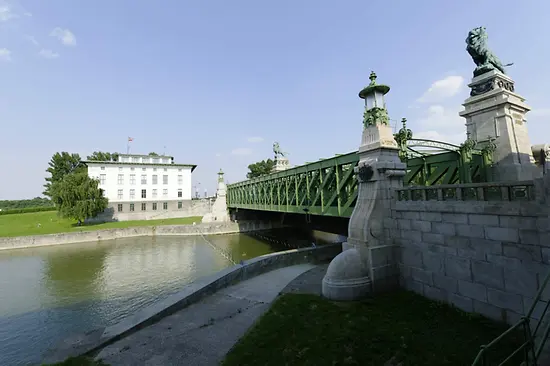
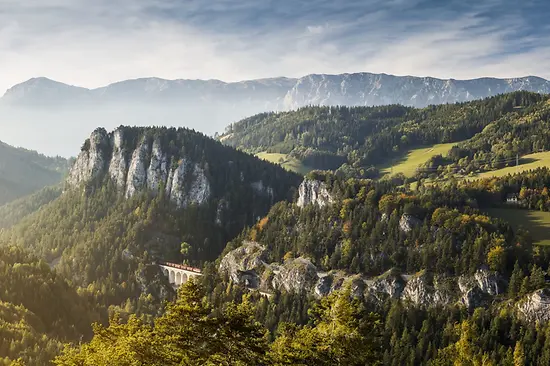
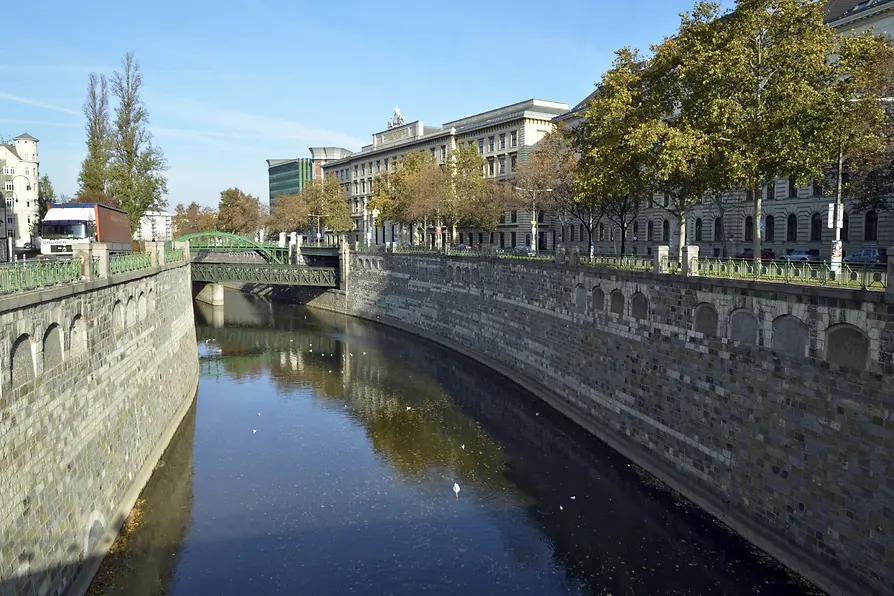
Now the more moderately-flowing river is embedded in a concrete channel that passes venerable old Viennese apartment buildings on its way to the Danube Canal. The source of the Wien is the Kaiserbründl spring in the leafy Vienna Woods. Empress Sisi even had the delicious spring water delivered to Schönbrunn for her coffee. Or was it part of her quest for inner beauty? This elixir is said to have lost nothing of its magical properties to this day.
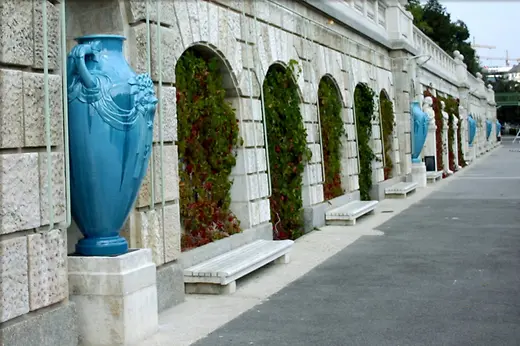
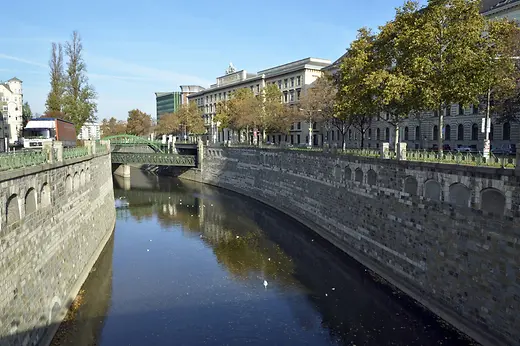
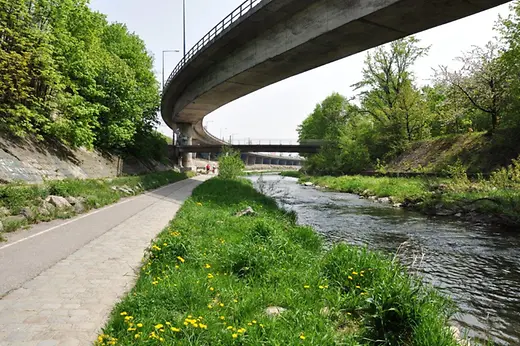
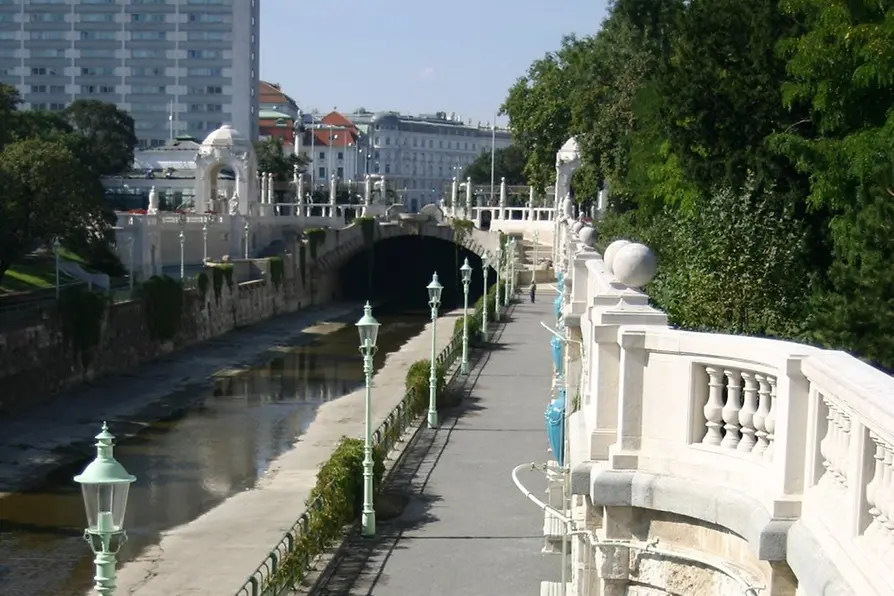
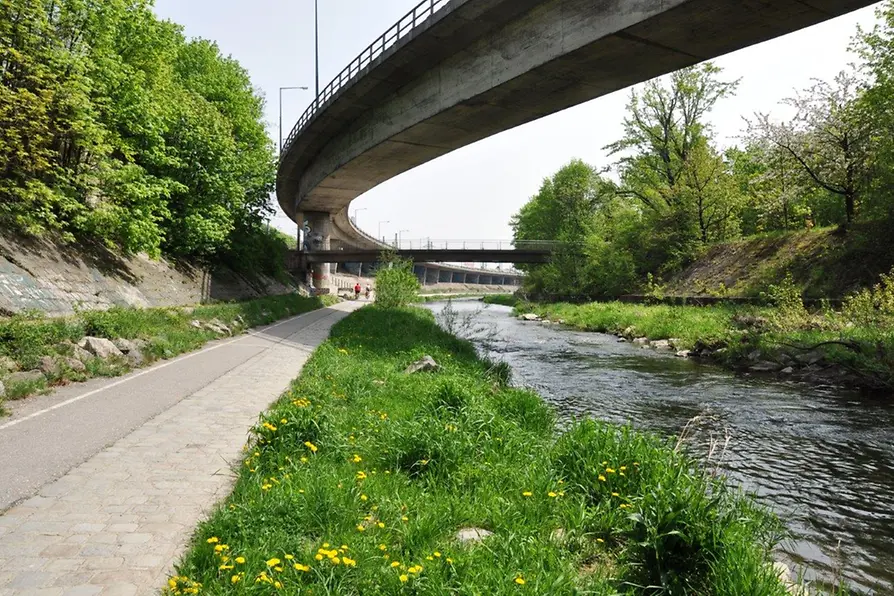
The river can be seen in its original state on the city’s western border in the thirteenth district where engineers and biologists have joined forces to restore it to its former glory. The banks have been returned as close as possible to their natural form and now provide a habitat for different types of flora and fauna. Stretching for seven kilometers through this oasis of greenery, the Wienfluss promenade runs alongside the river bed. Looking at the trickle of water, it is hard to believe that this is actually a wild river like the ones found in the Alps. 27 flood markers in the river bed remind visitors to leave the promenade immediately once the water reaches a certain level. Regulation of the Wien is an important part of the city’s flood protection measures. After a downpour, the rivulet can turn into a raging torrent in a matter of minutes.
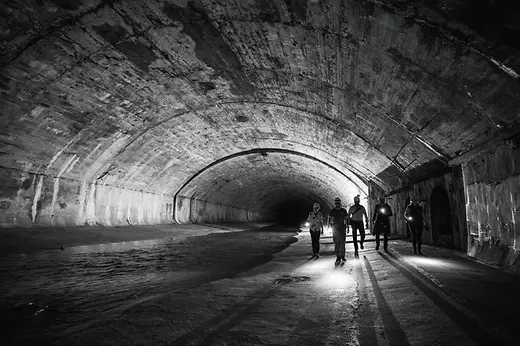
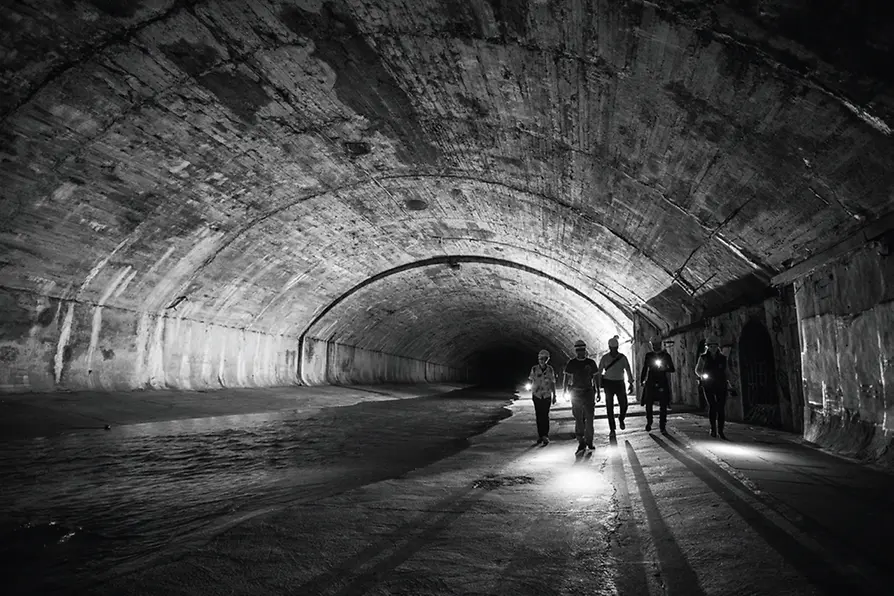
If you follow the river towards the first district, it suddenly disappears – from this point on it stays below ground. And beneath Naschmarkt, Vienna’s sewers shot to worldwide fame in the Hollywood classic ‘The Third Man’.
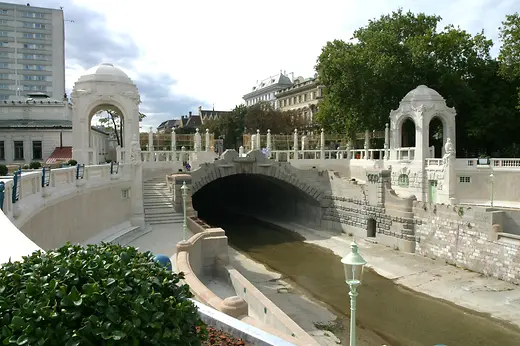
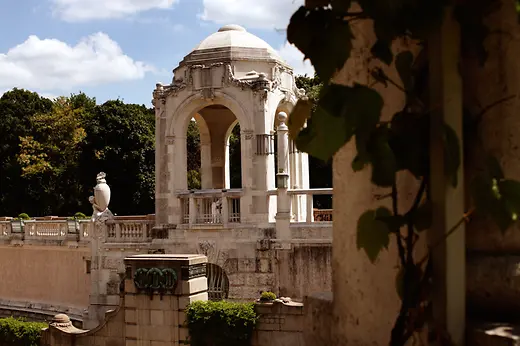
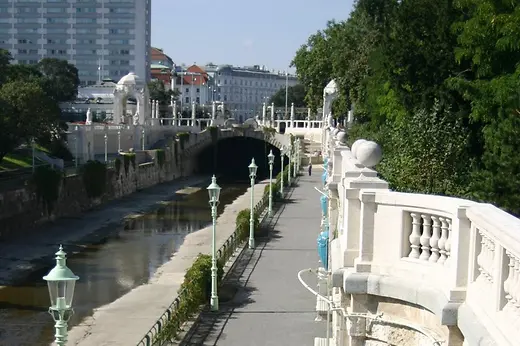
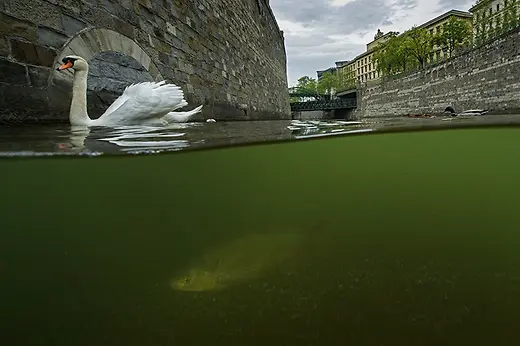
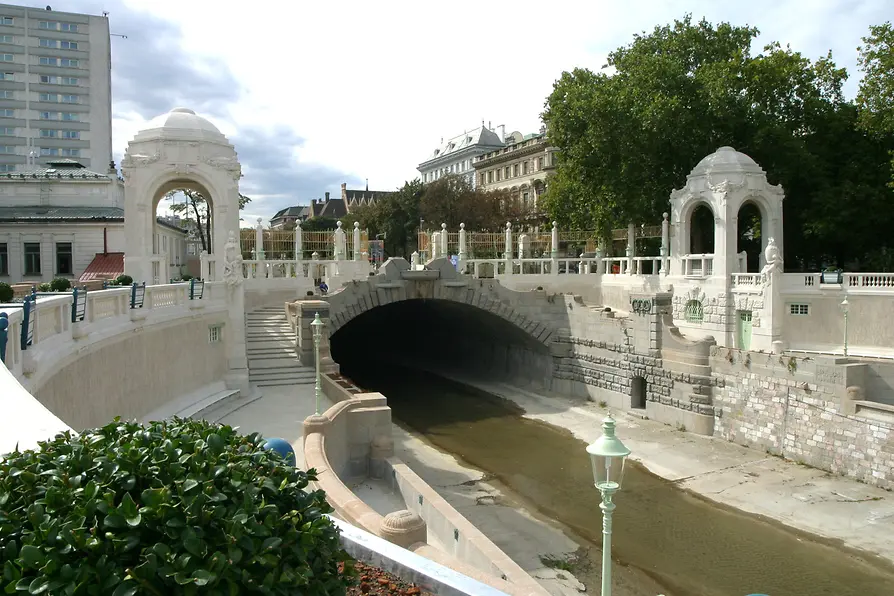
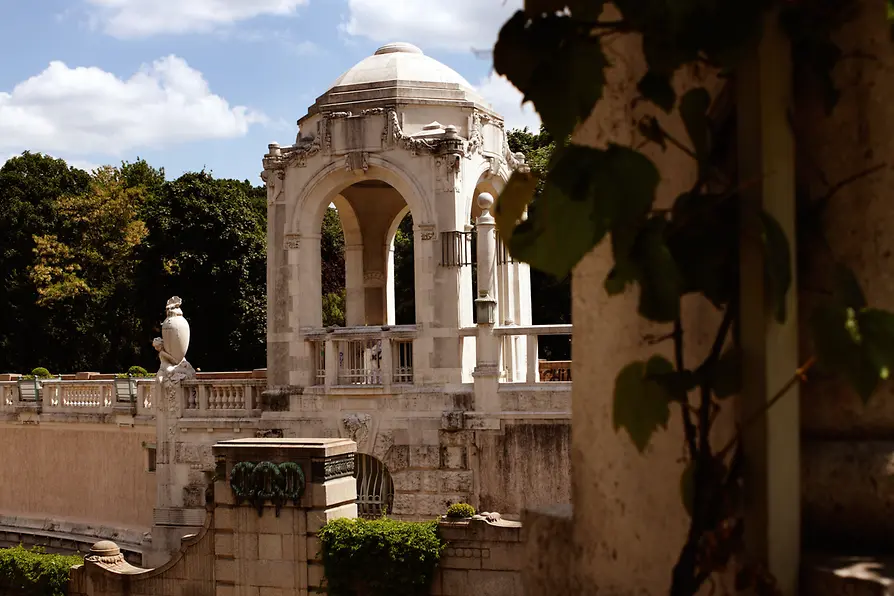
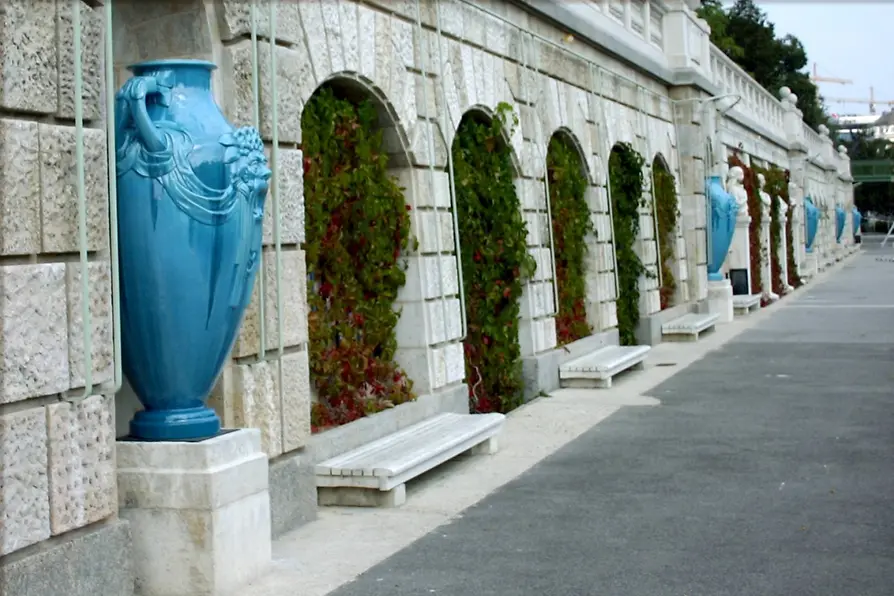
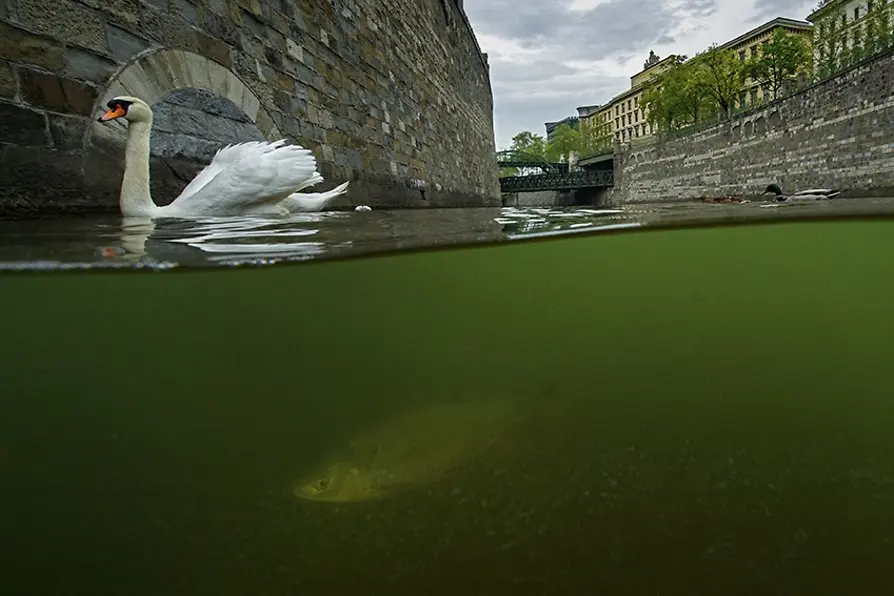
The archway in Stadtpark, which marks the end of the covered section, is crowned with the Wienflussportal, an architectural masterpiece designed by Friedrich Ohmann in 1906. Although the dull, flat concrete river bed looks fairly benign, it soon becomes clear that the Wien is still a wild river at heart. Swans, ducks and various species of fish can be found here, adding wildlife to the capital.
Text: Karoline Gasienica-Bryjak