Young Masters Old School
Human beings have been drawn to jewelry since time immemorial. We seek that one piece that suits us and that we identify a part of ourselves in: sometimes in opulent creations featuring a combination of rare gemstones and solid gold, and sometimes in minimalist silver forms. It’s fascinating to see how long-established jewelry makers and the next generation of creative young designers overlap in Vienna today.
Young Craftsmanship: Wiener Glanz
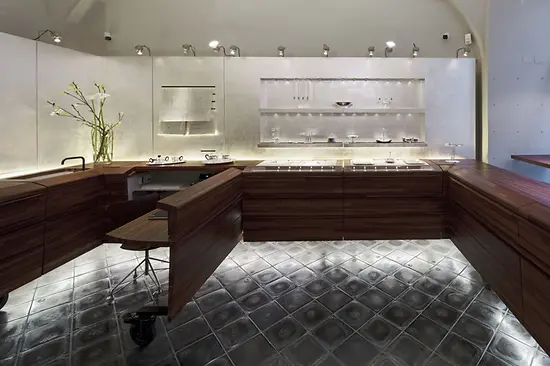
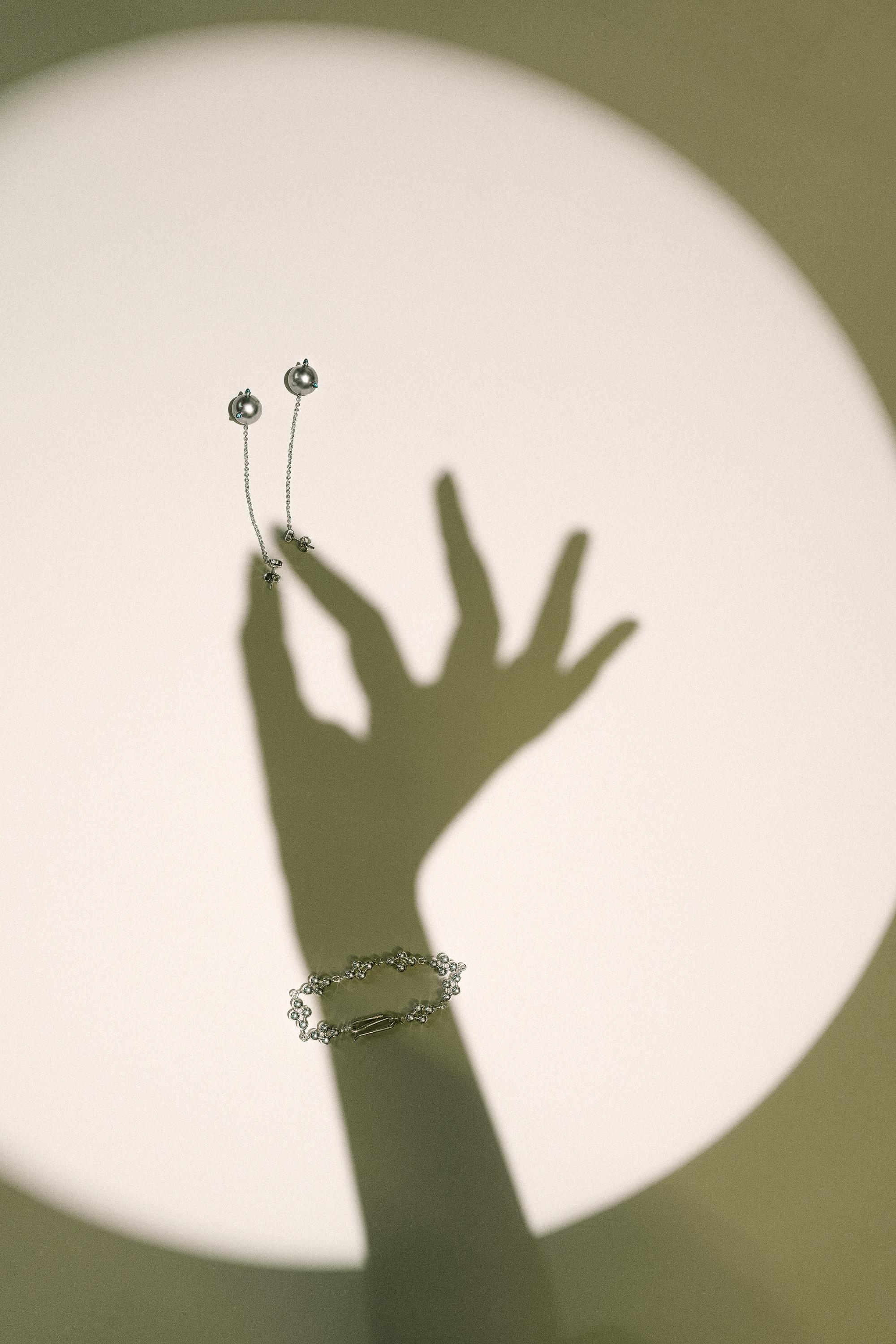
Lisa-Marie Zuna-Kratky, a young Viennese goldsmith, runs artisan jewelry studio Wiener Glanz at Schleifmühlgasse 18 in the 4th district. Large display windows offer a clear view of a curated selection of jewelry, presented in a minimalist yet flawless layout. Pared-down design that still elicits an emotional response. It’s clear that she draws inspiration from the works of the Wiener Werkstätte design collective.
Thanks to Josef Hoffmann and Koloman Moser – two of the co-founders of the Wiener Werkstätte – jewelry design in Vienna underwent a paradigm shift at the beginning of the 20th century. The focus shifted away from the material value of the piece, and toward innovative creative design and high-quality execution. This produced unique items that were acquired by a cosmopolitan and well-heeled clientele. Emilie Flöge – life partner and muse of Gustav Klimt – appeared as a model for Wiener Werkstätte jewelry, and her fashion salon, Schwestern Flöge, served as a
central hub for the jewelry trade. Still, jewelry remained a status symbol that was reserved for the upper echelons of society. Zuna-Kratky views things very differently today:
“I want to wear my jewelry every day, not just on special occasions. The piece of jewelry is a part of me and should become a part of who I am.”
Lisa-Marie works largely on a made-to-order basis. Her pieces are crafted to order, keeping her collection manageable and her formal language immediately recognizable. Many of her standard pieces are created from silver or gold-plated silver. Solid gold is reserved mainly for bespoke items, such as engagement rings. These are almost always one-off pieces created hand in hand with the individual who is about to pop the big question. With engagement rings, the work begins long before anything is actually cast. From experience, Zuna-Kratky can confirm: “The longer the preparation time for an engagement ring, the better.” Sometimes a ring is decided upon after three to five meetings. In some cases, it can take nearly a year until the design is finished and the ring is ready to be collected. But it is worth the extra effort, as pieces of jewelry like this are meant for eternity. To this day, it never fails to amaze Zuna-Kratky just how well proper jewelry can be brought back to life. “Many young people aren’t aware that well-worn silver or gold jewelry can be refurbished after years and look brand new again. Over and over again. And if tastes change, it can be melted down and turned into something new.”
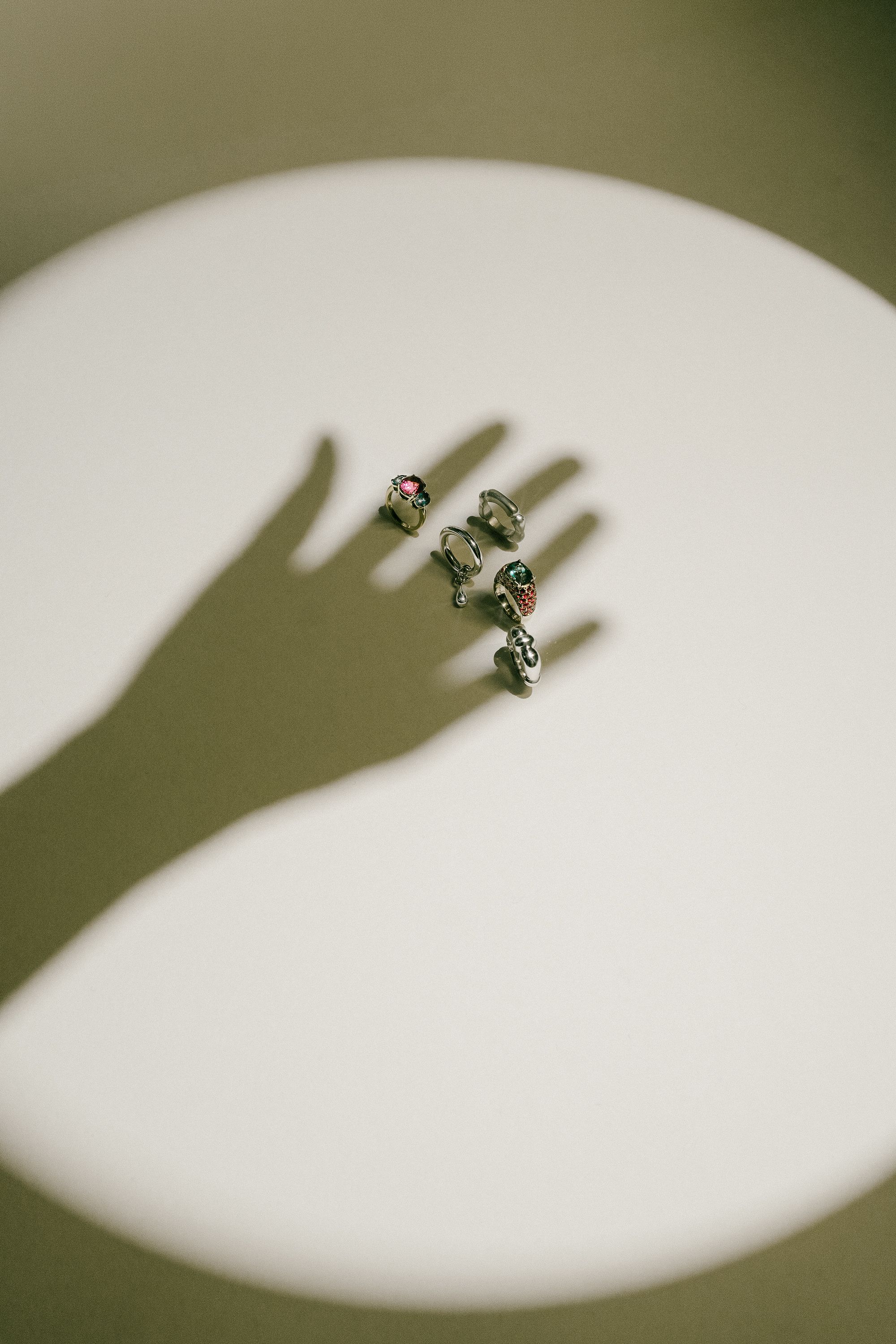
Selfmade jewelry that lasts a lifetime
Her approach is perhaps best reflected in her wax-modeling workshops. Here, five or six participants gather around the workbench in her studio to create their own pieces of jewelry in a matter of just a few hours. Special wax is used to shape rings or other forms, which can be cast in silver or gold later on. The same technique is used to custom-design wedding rings. Rather than starting with a model straight out of a catalog, participants are given a raw piece of material. They change the shape, adapt it and rework their early ideas before ultimately deciding what makes the final cut – a great deal of effort goes into pieces that are meant to bring joy for as long as possible. The jewelry designer has been running her studio since 2024.
Tradition for the present
The house of A. E. Köchert has been inextricably linked with Vienna since 1814. Located at Neuer Markt 15 since 1873, what began as a goldsmith workshop owned by Emanuel Pioté developed into one of Austria’s premier jewelers under Jakob Heinrich – and later Alexander Emanuel Köchert. As official jeweler and goldsmith to the Austro-Hungarian monarchy and holder of the imperial warrant, Köchert was entrusted with the care and restoration of key pieces in the Imperial Treasury. It was also on hand to offer personal style advice to the Habsburgs regarding the latest jewelry trends. “Above all else, a jeweler at the imperial court had to be exceptionally well-connected. They had the finest contacts, could source the rarest gemstones, and, naturally, employed the most talented craftspeople to turn them into something truly unique,” says Christoph Köchert – one of three owners now running the sixth-generation family business.
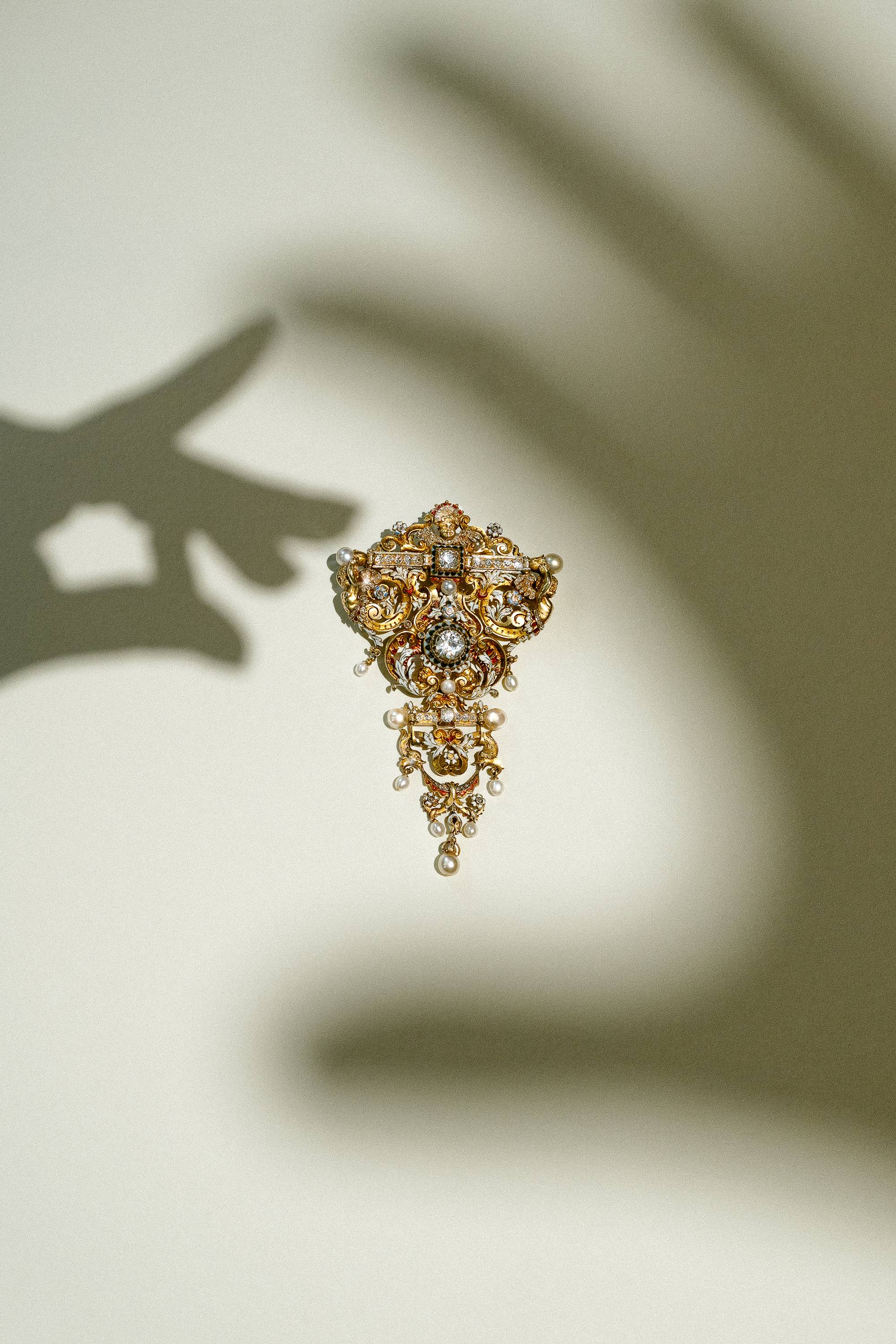
Style Icon Sisi
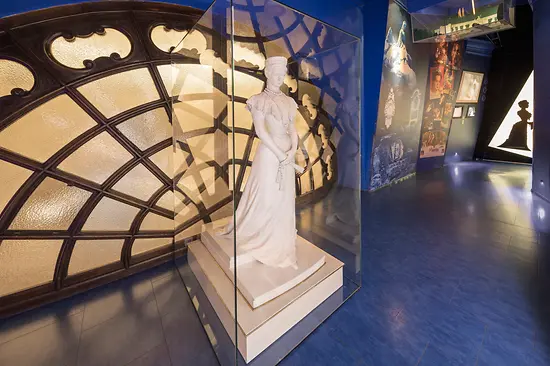
It was for Empress Elisabeth that the firm crafted the diamond stars that would mgo down in jewelry history as the “Sisi Stars”. A performance of Mozart’s Magic Flute at the court opera is said to have provided the inspiration for the famous stars. The Empress was reportedly so enchanted by the star-dusted costume of the Queen of the Night that Emperor Franz Joseph promptly commissioned a set of 27 stars for Sisi – which were subsequently immortalized in her iconic portrait by the German painter Franz Xaver Winterhalter. With that, Sisi sparked a genuine fashion craze across Europe, making stars instantly de rigeur everywhere. As a homage to Austria’s tragic Empress – and driven by rising demand due to a steady stream of new cinematic adaptations of her life – the stars are still produced according to the original designs today. And as popular as ever.
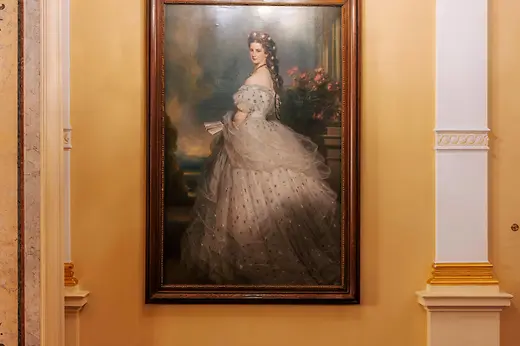
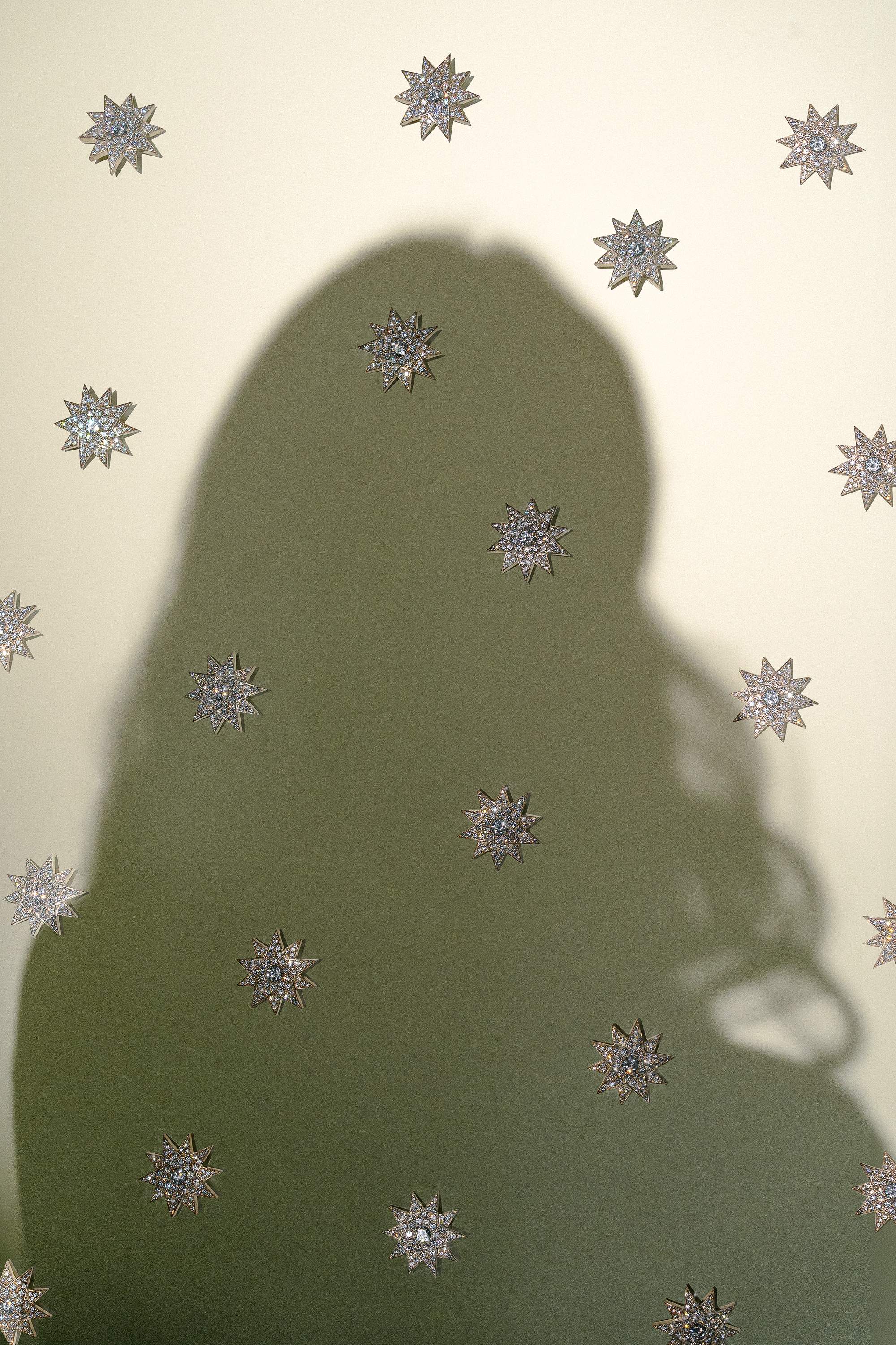
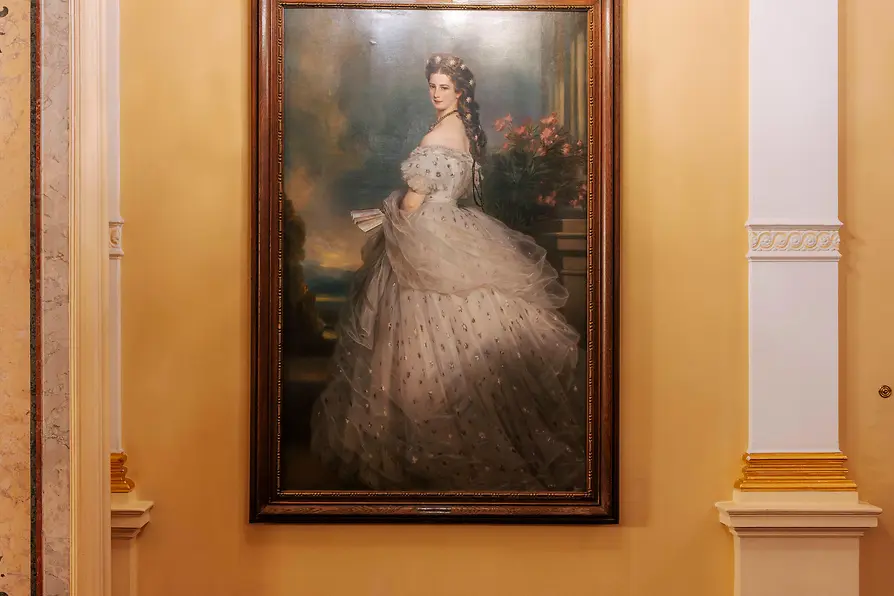
Just how strongly jewelry was geared toward social representation at the time is illustrated by one story from 1888. Ahead of German Emperor Wilhelm II’s visit to Vienna, Elisabeth wanted tohave a tiara from an existing set altered. The design proposals were rendered in ink and gouache on tinted paper before the Empress selected her favorite. Remarkably detailed renderings, countless examples of the sketches remain in the archives to this day. For the goldsmiths, however, a request like this meant a grueling schedule. The artisans worked day and night to make sure that Empress’s wish was fulfilled on time. And the Empress was delighted with the final product.
A Case for the Connoisseur
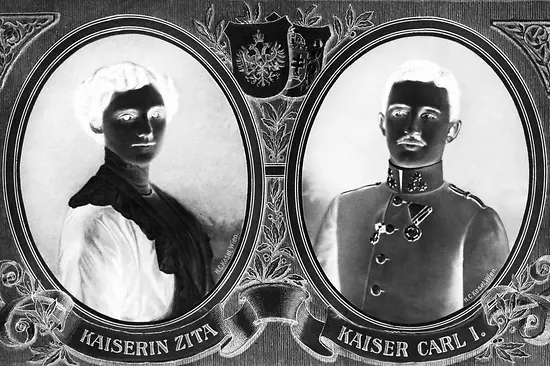
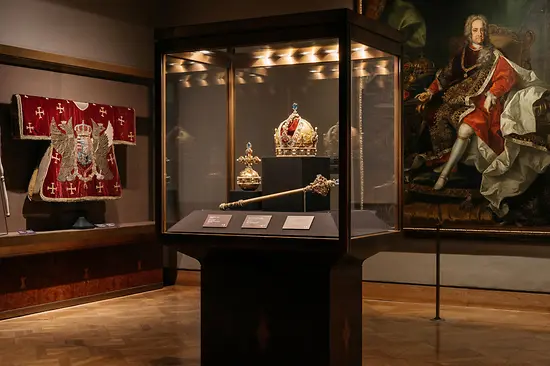
To this day, the house of Köchert remains the first port of call for historic imperial jewelry. When jewels that Emperor Karl I had removed from the treasury in 1918 resurfaced in Canada in November 2025 after more than a century, it was Christoph Köchert who was tasked with verifying them. Among the highlights was the Florentine Diamond, one of the world’s most famous gemstones. Its exact origins remain somewhat unclear; prior to entering Habsburg possession, it was believed to have been owned by the Medici family of Florence. The legendary 137.2-carat gemstone entered the Habsburg collections via Francis Stephen of Lorraine, husband of Maria Theresa. As the decorative element of a hat pin, the diamond’s utility extended well beyond coronation ceremonies. “It allowed one to show off one’s special standing among the European nobility,” says Köchert. Christoph Köchert examined the stone for authenticity: “I used a loupe to look for characteristic inclusions and elements known as naturals – miniscule unpolished areas on the girdle, which is the widest part of the stone. I compared the weight and facet pattern against historical records, and additionally verified its thermal conductivity using testing equipment.” It quickly became clear: the stone was genuine.
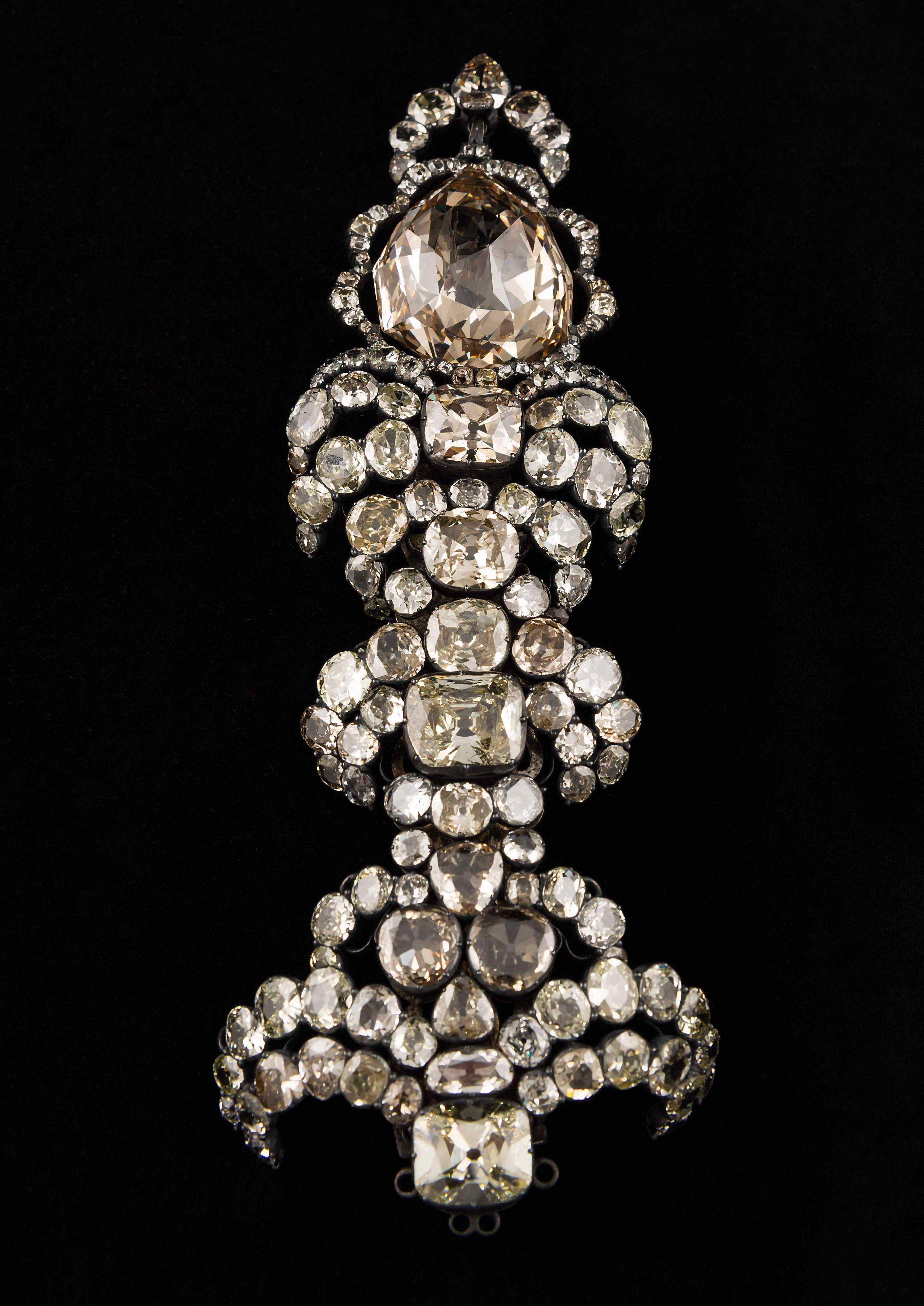
“A brownish yellow, like a fine Scotch whisky,” is how Köchert describes the Florentine. Featuring 126 facets, its unusual, nine-sided double rose – or briolette – was cut not for the bright electric lighting of today but to sparkle in the soft candlelight of the Renaissance. Along with the Florentine, a number of other pieces came to light, including an emerald clock that that once belonged to Maria Theresa. The trove of treasures was publicly displayed for the first time in Quebec in the autumn of 2026. The value of a collection like this cannot be measured in purely monetary terms. Suffice it to say: pieces like these would simply no longer be made in this form today. Yet there are still plenty of high-net-worth clients who gladly commission labor-intensive, elaborate projects.
“Today, however, the preference is for a more subtle form of luxury,”
explains Köchert. Not everything has to reveal its value at first glance. What matters most is typically a particularly rare stone, an extraordinary color, or unique clarity: an alexandrite that shifts between teal and violet, for instance, a Paraíba tourmaline, or an untreated ruby. The appeal of such rarities often lies in the fact that their distinction reveals itself only to a trained eye. Köchert notes: “Our designs continue to evolve. Old historical sketches can serve as an important source of inspiration – but we do not reproduce them; we translate them into the present day instead. Brooches for men are having a moment right now: a wonderful break from old conventions and, at the same time, a very contemporary approach to jewelry. I personally enjoy wearing a Sisi Star as a brooch from time to time.”
“Jewelry has been a clever way to communicate for centuries because every piece comes with a story to tell,”
says Christoph Köchert. Here, too, emotion comes full circle. Independent of rank, title, or status. circle. Independent of rank, title, or status. There is, after all, a clear link between past and present: The desire to find something distinctive and stand out from the crowd.
- Schleifmühlgasse 18, 1040 Wien
- wienerglanz.com
- hi@wienerglanz.com
- Neuer Markt 15, 1010 Wien
- koechert.com
- office@koechert.at
Opening times
- Mo - Fr, 10:00 - 18:00
- Sa, 10:00 - 17:00