The Habsburg Files
In the early hours of January 30, 1889, two gunshots pierced the silence of an idyllic winter’s night in the little town of Mayerling just outside Vienna. Shots were nothing out of the ordinary at a hunting lodge. The timing and their precise location, however, were. For the Habsburgs these shots were disastrous, as it would quickly transpire. In this night, the heir to the Austro-Hungarian throne, Crown Prince Rudolf, first shot his young lover Mary Vetsera before turning the gun on himself. It was the perfect scandal – but Rudolf was not the first badly-behaved Habsburg to come to the attention of the authorities over all those centuries. Aside from the numerous armed conflicts instigated by the Habsburgs at the cost of hundreds of thousands of lives, there were also the serious crimes and various psychological abuses inflicted by members of Europe’s most powerful dynasty. And the majority of these wrongdoings went completely unpunished. No member of the Habsburg family – which ruled Austria for nearly 640 years and spent most of that time in Vienna – would ever spend time behind bars. The Habsburg were unimpeachable. So it is high time to reopen the Habsburg crime files and shine a light on the sinister side of the emperors, kings and archdukes.
Murder in the Family
The first major family row in the Middle Ages ended in murder. An act, that by rights, should have brought a death penalty for the perpetrator: Johann von Schwaben (1290 - c.1313), Duke of Austria and Styria. The crime? Parricide – or, in plain terms, the murder of a close relative. He was not only the nephew of King Albert I of Germany, but his murderer, too. Johann’s father was the son of the first Habsburg king, Rudolf I. So he was a scion of the innermost circle of power. In theory, he should have had a glorious future ahead of him. But after Rudolf I’s passing in 1291, there was nothing of the king’s estate left for him.
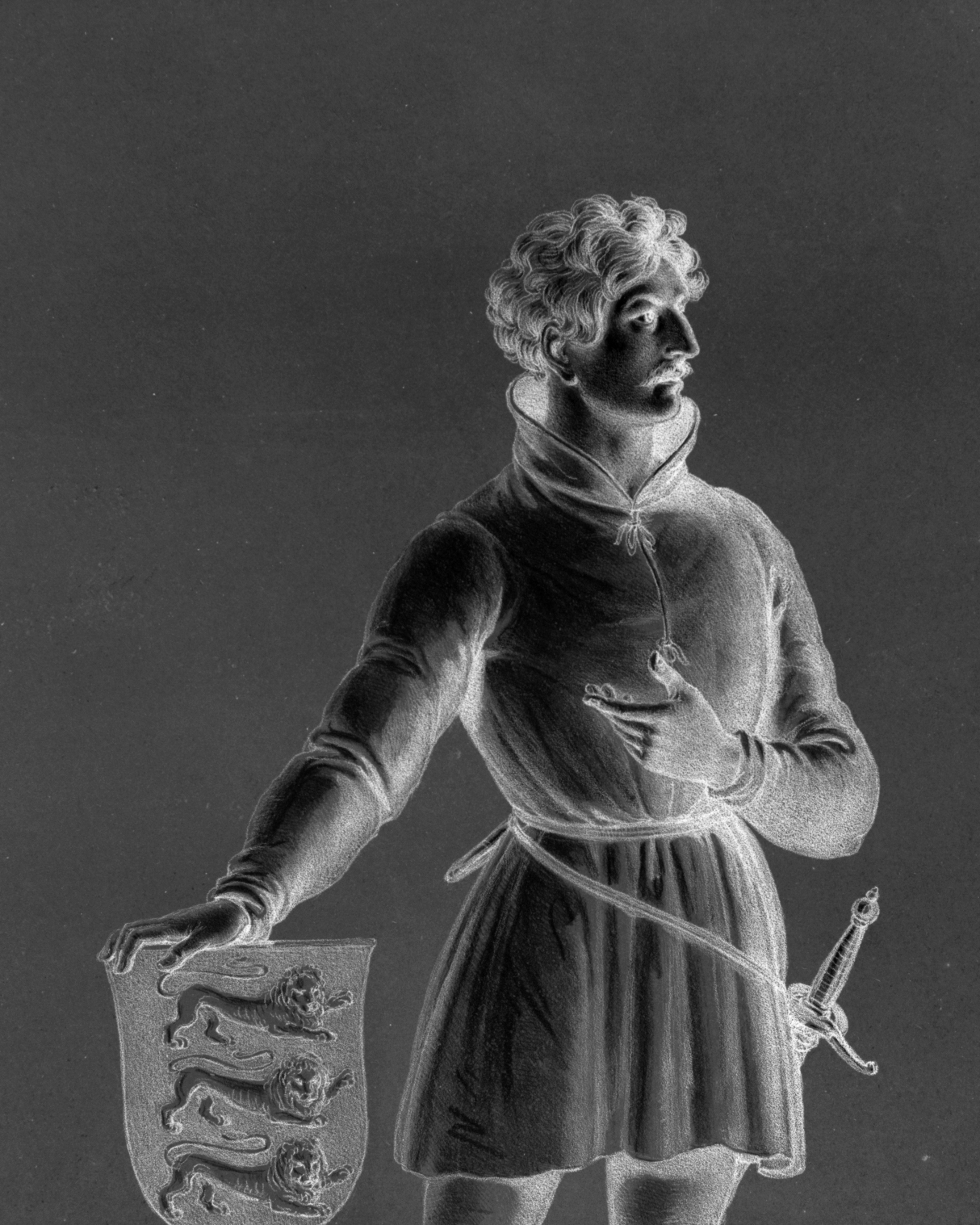
All of the power passed into the hands of his uncle Albert. Attempts at pacification followed: talk of an out-of-the-way domain in a north-westerly corner of the Holy Roman Empire, the prospect of some cash in lieu of the inheritance missed. Years went by and nothing ever materialized. When Johann was passed over for the Bohemian crown – even though he himself was the issue of a Bohemian princess – the mood shifted. Irrevocably. Once again he demanded his birthright from Albert, who remained unmoved. In 1308 the conflict escalated: during a trip by Albert I to his ancestral homelands in Switzerland, Johann set a trap, ready to pounce with a band of co-conspirators. Johann’s attack was brutal. And deadly. With a swing of his sword, he split his uncle’s skull right open. The assassins slipped away, only to reappear far from the empire in Pisa in Tuscany. It was from here that in 1312 he is said to have begged Albert’s successor Henry VII, King of the Romans, for mercy before reportedly dying in the Benedictine monastery of San Nicola just a year later. No sentence was passed. The Habsburg prince got off scot-free.
Crime Scene: the Chancellery
Just 48 years after Albert’s murder, his grandson Duke Rudolf IV – ‘The Founder’ (1339-1365) – found himself on the wrong side of the law. His crime, however, was bloodless. Rudolf was consumed by the idea of turning the House of Habsburg into a great dynasty with a guaranteed seat at the table among Europe’s ruling elite. Above all, he wanted to close the hierarchical gap to the seven prince‑electors, who chose the kings and emperors of the Holy Roman Empire, and wielded immense power. So he set off in search of a legal path. But this proved a little tricky: the old dynasties had little time for young upstarts from Switzerland.
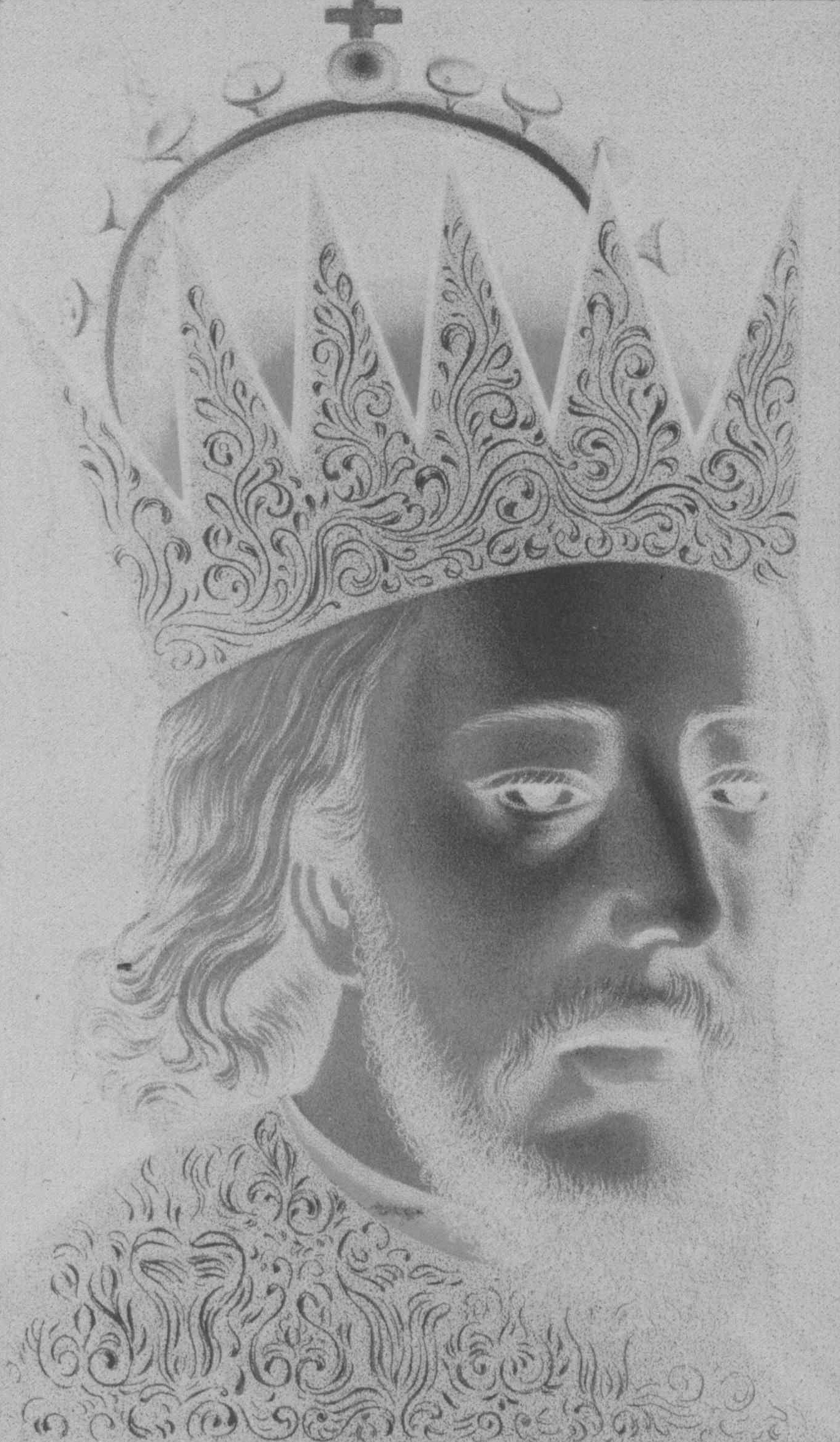
So the young duke chose another route – one of deception, political forgery and carefully choreographed displays of power. He circulated five forged charters, supposedly dating from earlier centuries, intended to show that the Austrian dukes had long enjoyed exceptional privileges as well as a special standing within the empire. The goal: ascend to a higher rank, close in on the electors. It was within this bundle of documents – which has gone down in history as the Privilegium Maius – that the title ‘archduke’ appeared, for the first time. A title that had never existed before. One that is still unique to this day, and the exclusive preserve of the Habsburgs. Rudolf’s strategy would only pay off in the long term. The ruling emperor of the day, Charles IV – his father‑in‑law – spotted the Privilegium Maius for what it was: a forgery. Though he did end up conferring a number of individual rights. It would not be officially accepted until 1442, by the Habsburg king and later emperor Frederick III. Rudolf’s sham charter was one of the greatest and most ingenious coups in history. The duke operated like a consummate power politician, slipping the Holy Roman Empire legal texts that just so happened to align perfectly with Habsburg interests. Ultimately, a forgery became political reality. Duke Rudolf IV lies buried in the catacombs of St Stephen’s Cathedral in Vienna.
Game of Thrones – Habsburg-Style
Another case was all about power, mistrust and pure hatred. In 1606, the ongoing feud between two Habsburg brothers – Emperor Rudolf II and Archduke Matthias – finally boiled over. Although they hailed from the same imperial house, their utter contempt for one another pushed the dynasty to the brink of self‑destruction. Rudolf had withdrawn from Vienna as early as 1582, electing to make Prague his seat of power instead. At Prague castle, he created a world of his own, shaped by art, science and the occult. Under Rudolf’s rule, Prague experienced a golden age of cultural growth. He collected art, funded painters and scholars, and was obsessed with alchemy.
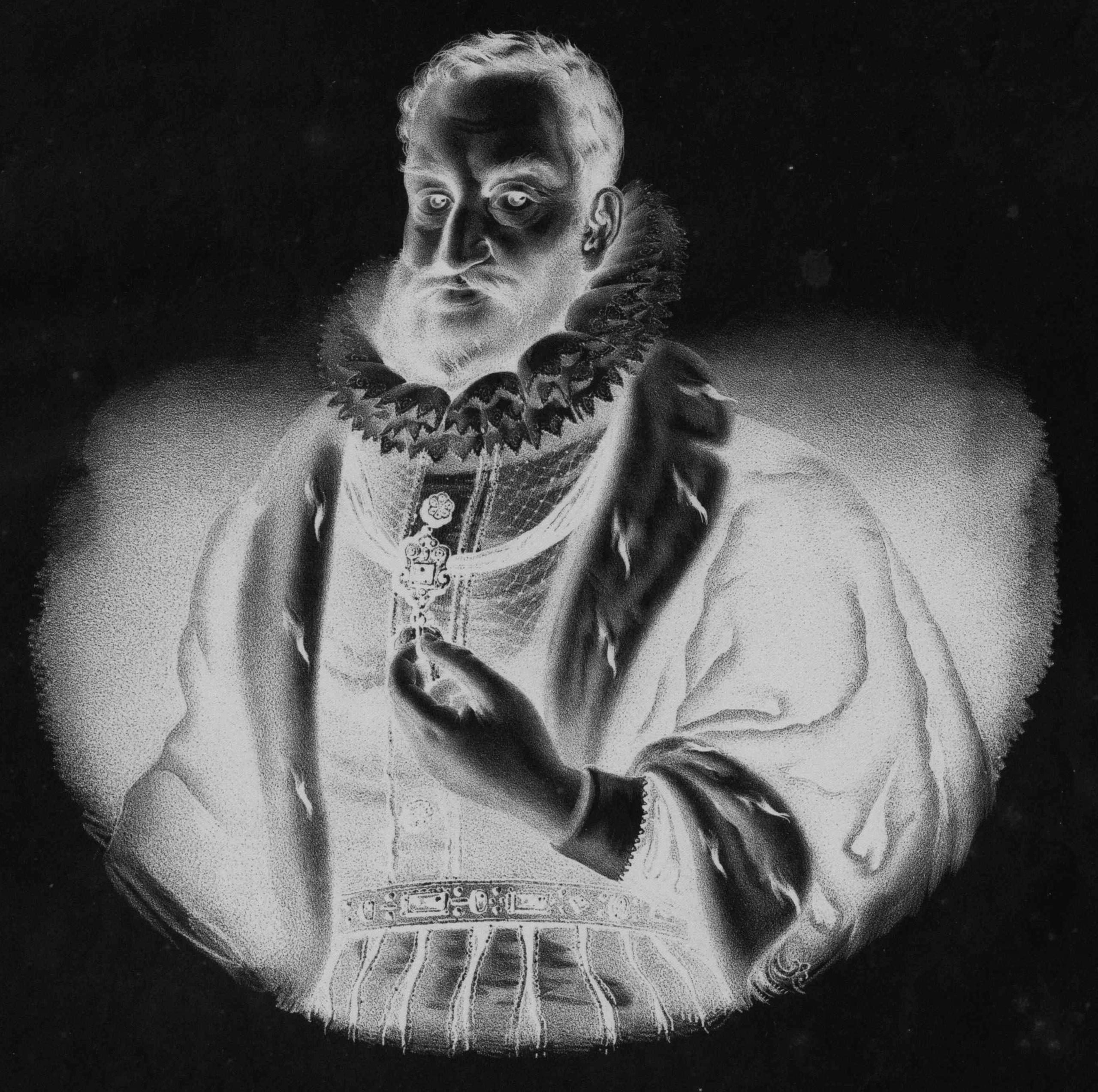
On the famous Golden Lane (Zlatá ulička) inside the castle complex, alchemists were commissioned to create gold for him – and were entirely unsuccessful, of course. Governing, by contrast, was of precious little interest to him. In private he scarcely lived up to the romantic ideals of a ruler. Unmarried and with no legitimate offspring, he only had illegitimate sons who were shielded from the courts. One, the severely mentally ill and unstable Julius d’Austria murdered his lover in a particularly gruesome attack. Another, Karl of Austria, is reputed to have perished in a brawl. What Rudolf really lacked, though, was the one thing that every dynasty needs to survive: a healthy heir and successor. And this is where his brother Matthias entered the picture. Sitting in Vienna, he was – like so many younger Habsburg archdukes – condemned to a rudderless existence. Just like Prince Harry, Matthias was the ‘spare’ rather than the heir. Repeated attempts to claim power in one of the Habsburg domains failed to bear fruit. But as Rudolf’s own mental state continued to decline and with the prospects of producing a legitimate heir – to put it mildly – vanishingly small, the focus shifted to Matthias as his brother’s potential successor.
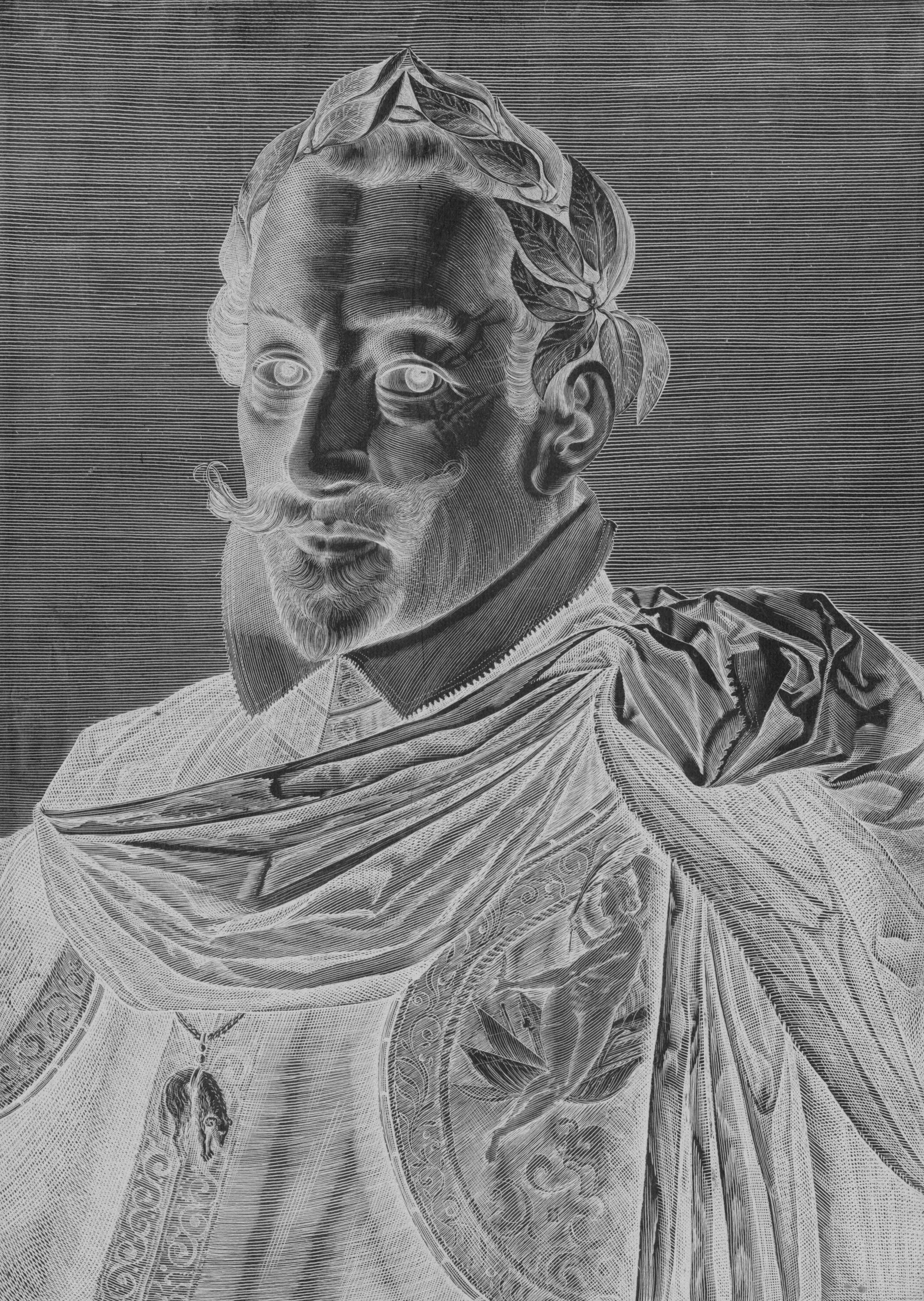
Had his moment finally come? Well, what followed was a Habsburg Game of Thrones, immortalized by the celebrated Austrian writer Franz Grillparzer in his tragedy Fraternal Feud in the House of Habsburg. In 1606 Rudolf was ousted as head of the family – by his own relatives. A public humiliation for the emperor. But Matthias would not stop there. In 1608, Rudolf was forced to hand over rule of Hungary, Moravia and Austria to his brother. Three years later, Matthias had himself elected King of Bohemia and imprisoned Rudolf in Prague Castle. All the while, Rudolf was still emperor – but only on paper. In 1612, Rudolf passed away, and Matthias achieved his goal: he was elected the new Holy Roman Emperor. His luck, however, would not hold for long. Childless like his brother, Matthias was also known to sympathize with the Protestant cause, making him a real thorn in the side of the ultra‑Catholic Habsburgs. And all of a sudden, history repeated itself. Once again it was his own family that toppled him as regent. In 1617, his cousin Ferdinand (II) was chosen as King of Bohemia instead of Matthias, and in 1618 he was named King of Hungary. Matthias died in 1619. He was buried with his wife, Anna of Tyrol, in the Imperial Crypt in Vienna – which she had commissioned in 1617. She was, incidentally, his cousin.
Bad Mother
That the Habsburgs liked to marry within their own family – and pursued a downright eccentric approach to marital convention – is well known. While it wasn’t a crime, the results were often far from pretty. Arranged marriages were standard practice in every ruling house. But what the legendary Empress Maria Theresa got up to in the mid‑18th century took things to a new level of ruthlessness. Together with her husband, Franz I Stephan of Lorraine, she secured the future of the newly founded Habsburg‑Lorraine dynasty with 16 children, ten of whom survived into adulthood. These children were major pawns in Maria Theresa’s political strategy. And she sacrificed almost all of them on the altar of European alliance‑building. The kids were bargaining chips. As the Habsburg motto had it: “Let others wage war. You, happy Austria, marry!” Room for interpretation: zero. This became especially clear in 1756, in the course of the Renversement des Alliances – the great reversal of alliances
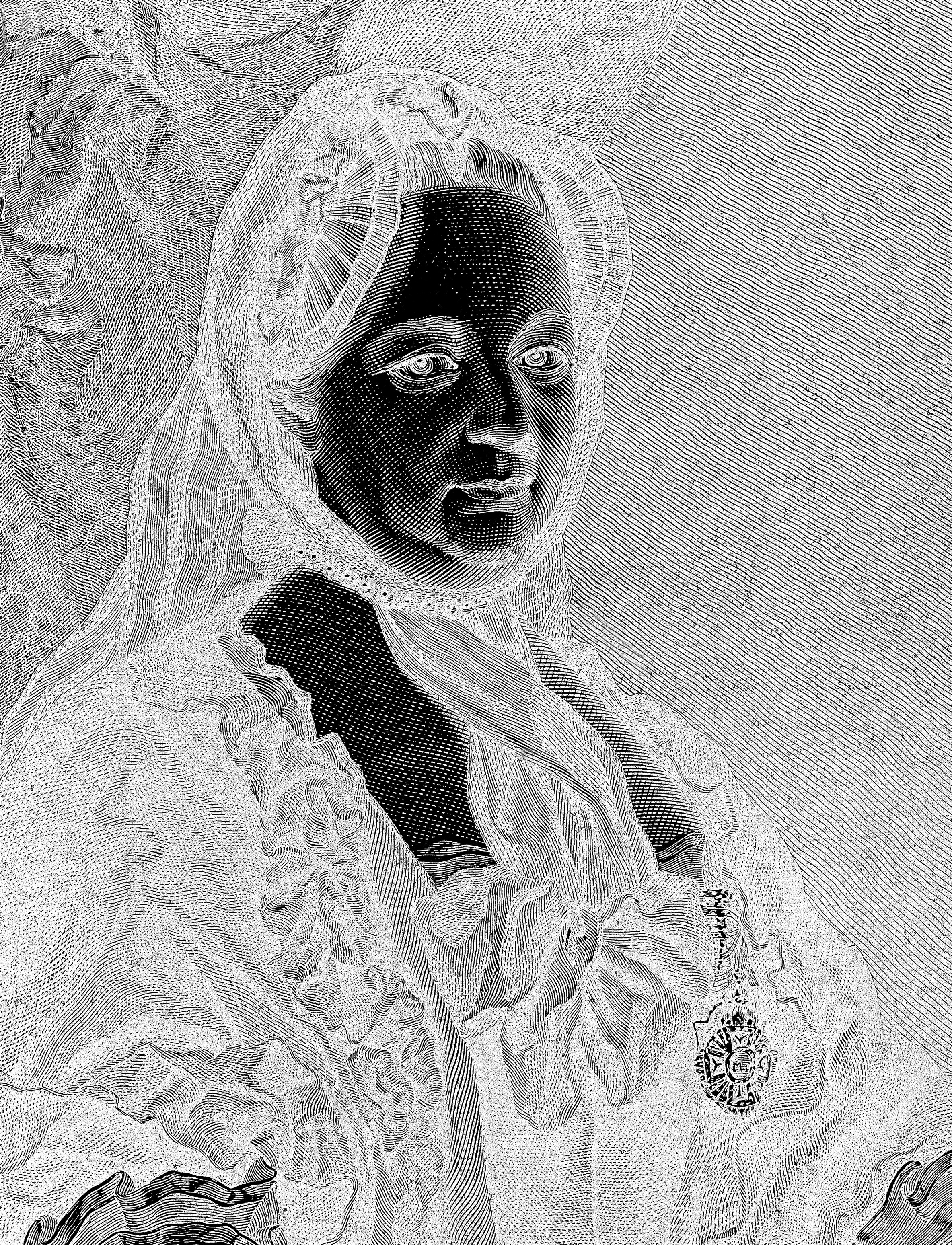
To take military action against an increasingly powerful Frederick II of Prussia, Austria moved to ally itself with France, bringing two centuries of hostility to an end. To help cement the new alliance, five Habsburgs were compelled to marry Bourbons in France, Spain and Italy. The most famous – and most tragic – of these unions was that of Maria Antonia (Marie Antoinette) with King Louis XVI of France. How that particular marriage ended is common knowledge. In the aftermath of the French Revolution of 1789, both ended up on the scaffold. Marie Antoinette paid for her mother’s grand political maneuvering with her life. Another of these marriages was a particularly bizarre affair: Maria Carolina of Austria had to marry Ferdinand I of Sicily – an unbalanced match with an unkempt and uneducated individual. But her real misfortune wasn’t that her husband was unattractive, but that she wasn’t even the first choice. Her two older sisters – both of whom should, by rights, been married to Ferdinand ahead of her – had both died of smallpox. First the initial bride, then the second. Maria Carolina was actually third in line. She survived – but had to undertake the tough journey to Sicily for her troubles. An example that clearly demonstrates how women were simply interchangeable. At the end of the day, only good lineage mattered. And mother’s will. Maria Theresa was not exactly a soft touch politically either, ruling as she did with a heavy hand. She expelled Jews from Prague because she suspected them of collaborating with her arch‑enemy Frederick II of Prussia. The empress’s religiously motivated antisemitism was long glossed over in biographies. Censorship flourished, and ‘immorality’ was rigorously opposed. A special chastity commission was set up to prevent cheating – including the indiscretions of her own husband, Franz Stephan. Prostitutes were surveilled and locked up. So often portrayed as a benevolent mother of the nation, Maria Theresa was, in truth, a ‘bad mother’: while undoubtedly a ruler who initiated various reforms, she also visited considerable harm upon her own family and her subjects.
Fit for the Crypt?
Back to the beginning of the story: Crown Prince Rudolf and Mary Vetsera were dead. The murder-suicide shook the Austro‑Hungarian monarchy to its very foundations. So many hopes had been pinned on the heir to the throne, who – unlike his father – held liberal views and was expected to lead the country into a prosperous future once the emperor passed. But now all that hope had given way to deep grief. The family, however, was at pains to cover up the scandal as quickly as possible. Mary’s corpse was removed from the hunting lodge shortly after the discovery of the bodies and propped upright in a carriage.
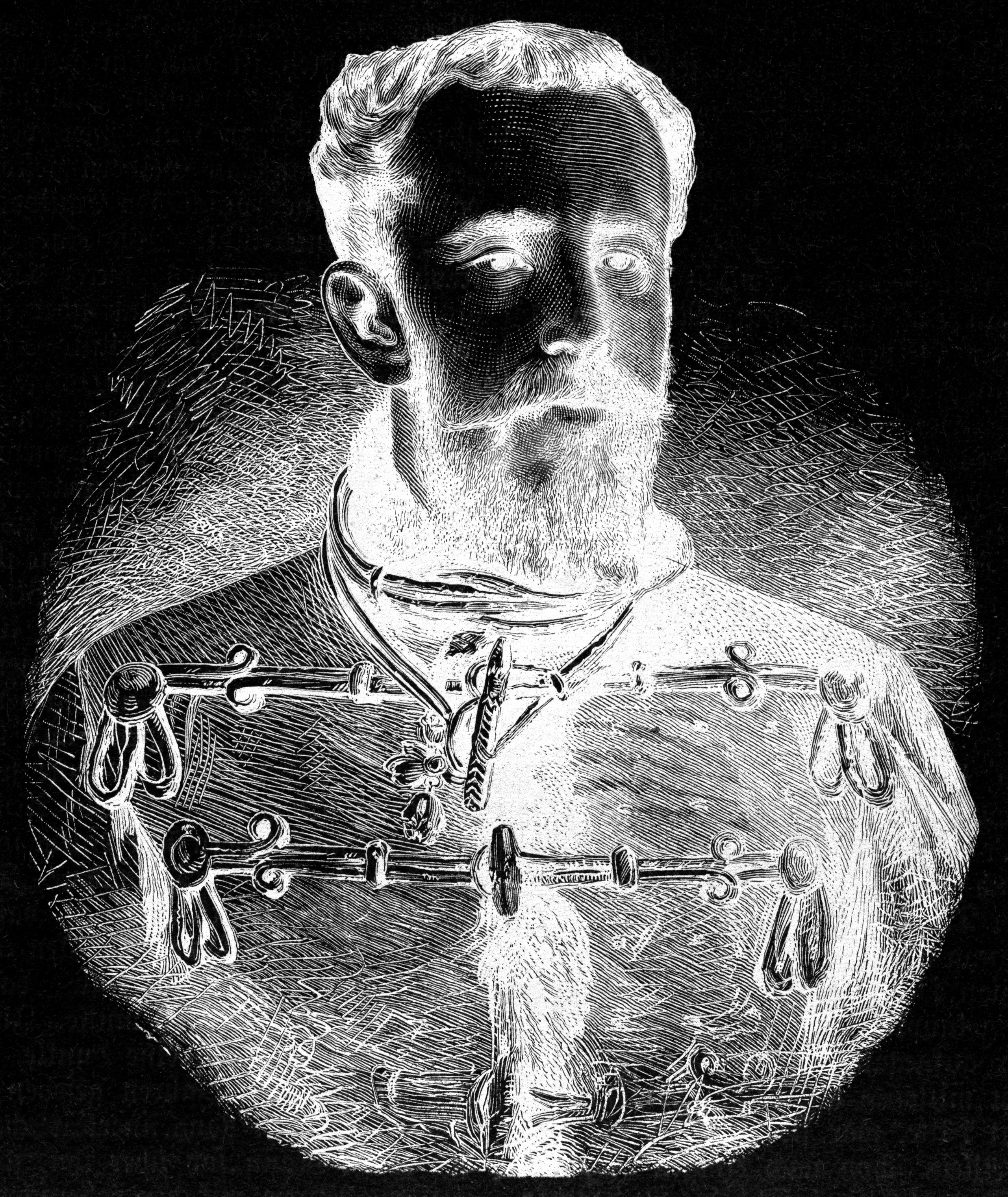
The aim was to maintain the illusion that she was still alive, should anyone see her. Her final journey took her to Heiligenkreuz near the spa town of Baden. The seventeen‑year‑old was buried quietly and in secret – to keep a lid on the scandal at the Viennese court, and to protect the suicidal archduke’s reputation. Rumors of an assassination and murder plot spread quickly. Even Rudolf’s father, Franz Joseph, was fed a story of a sudden heart attack to start with. The real truth was deemed too much for the Habsburgs to bear. In the end, Rudolf was declared insane posthumously. He had acted in a state of mental confusion. Only under that label could he be buried in the Imperial Crypt. Otherwise, someone guilty of the mortal sin of suicide would never have been admitted. The murder myth persisted for decades. Right up until the end of her life in 1989, ex‑Empress Zita doggedly maintained that both had been murdered to cover up a crime committed by another Habsburg.
The Riddle of the Priceless Diamond
One particularly tricky case currently sits on the desk of Austria’s minister of culture. In autumn 2025, Habsburg jewels and jewelry resurfaced in a Canadian safe‑deposit box – pieces long thought to have been broken down, sold or lost. Among them the legendary Florentine diamond. Weighing in at almost 138 carats, it was once one of the largest diamonds in the world. Alongside various other precious items, it was taken from the Imperial Treasury in November 1918 on the orders of Emperor Charles I and moved to Switzerland. Where the trail went cold.
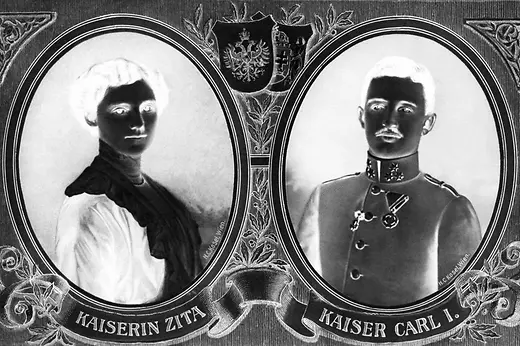
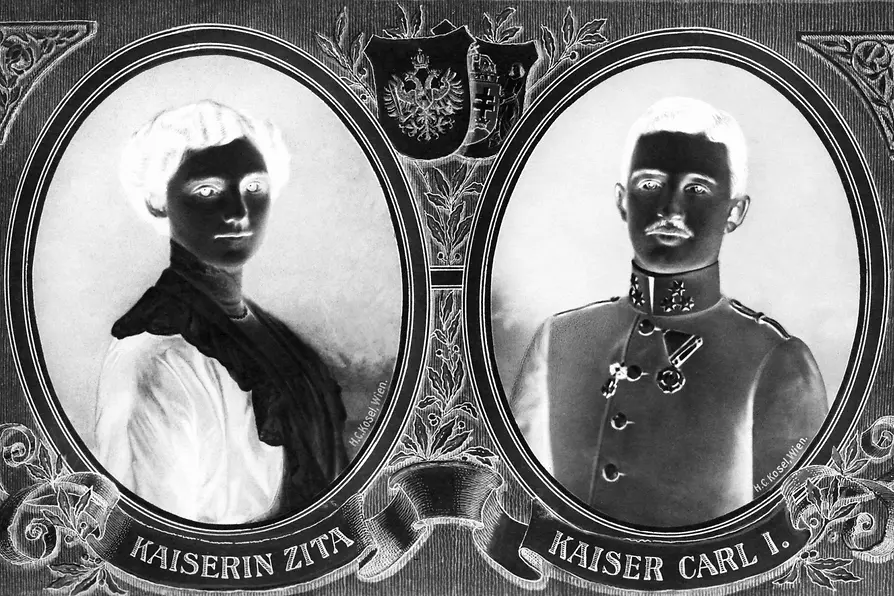
In fact, some of the jewelry was indeed sold. But the remainder was taken to Canada by ex‑Empress Zita as she fled the Nazis. Where it lies today, waiting to be put on show. But first, one key question needs to be settled: who actually owns these treasures? The Habsburgs claim they are family property. To determine whether the state has a valid claim, the Republic of Austria is having the matter looked at by a body dubbed the Florentine Commission. If so, a lengthy legal battle still looms, with the outcome far from certain. Either way, it will be yet another entry in the Habsburg files – a dossier that has grown impressively thick over the centuries.
Text: Robert Seydel