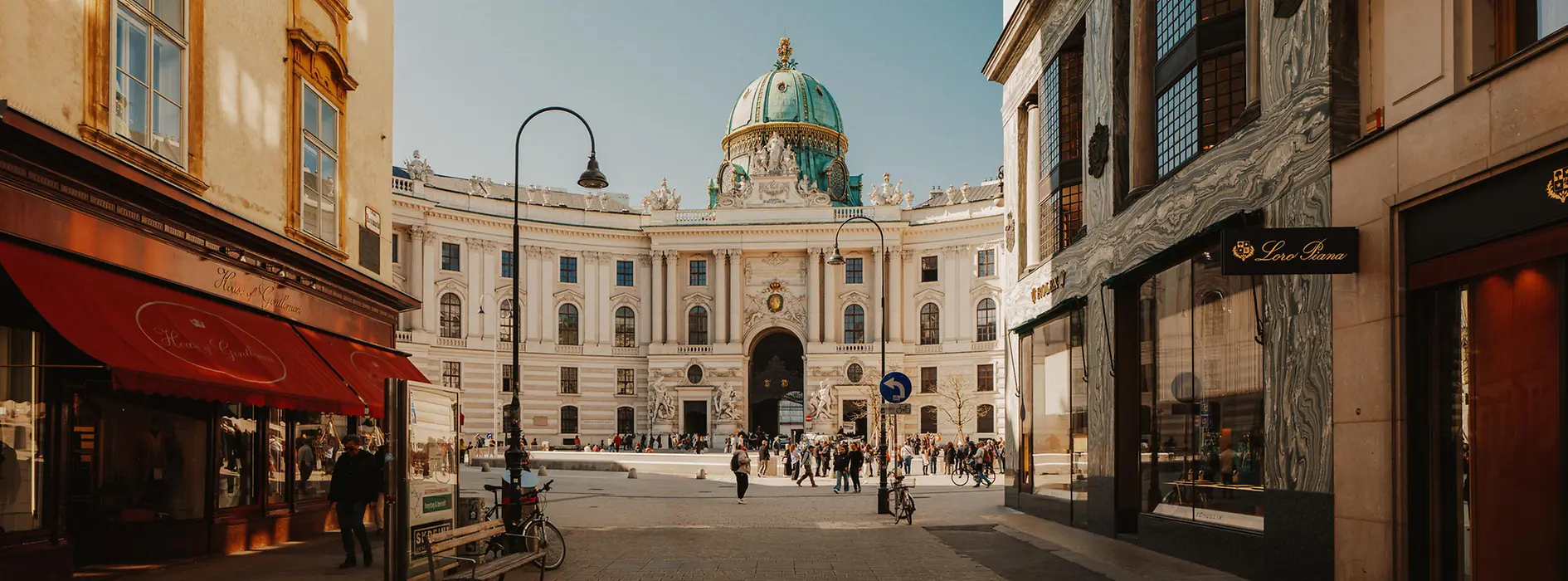
The Echo of an Empire
Anyone wanting to debate which particular facet of Vienna’s image resonates most on the international stage can spare themself the trouble. It makes no difference whatsoever whether you ask people from the Americas, Asia, Africa, Europe, or Australia: it’s definitely Vienna’s imperial past that has etched itself most deeply into the global conscience. ‘Imperial Vienna’ has long served as a kind of an international shorthand that allows people to pin down and understand Vienna within a matter of seconds. And unsurprisingly so: few cities worldwide possess an imperial legacy that is quite as magnificent or well-preserved as Vienna. It is nurtured and maintained like in virtually no other city. This heritage was – and remains – foundational to identity. Not on a political level, but on an emotional one. And, on top of that, it has unprecedented appeal when it comes to tourism.
Special Case Vienna
After all, Vienna and Austria represent a special case when it comes to handling their own imperial past: "Other post-imperial capitals never really needed to do that in quite the same way, because they are still capitals of large nation-states to this day," explains historian Philipp Ther from the University of Vienna, outlining one of the peculiarities that make Vienna what it is (see interview on page 14). From the 1950s in particular, the fallen Habsburg Monarchy increasingly reemerged as a focus. Ther: "After the First World War there was a brief yet conflict-ridden republican era, burdened by hyperinflation that wiped out all financial assets, followed swiftly by Austrofascism and then National Socialism. What were people supposed to look back on fondly?" Here, the monarchy came in particularly handy: “People looked to a more distant past as they sought to suppress the more recent one. After half a century of world wars and dictatorships, the monarchy suddenly emerged in a soft, nostalgic light.”
The Obvious and the Hidden
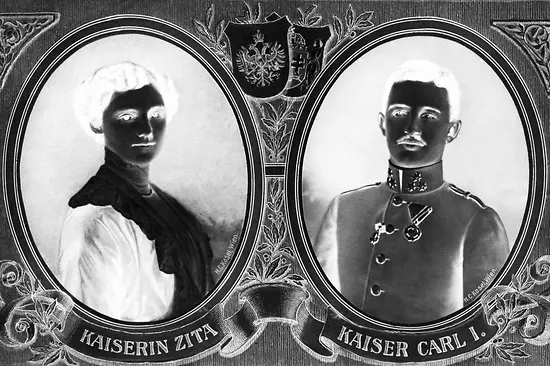
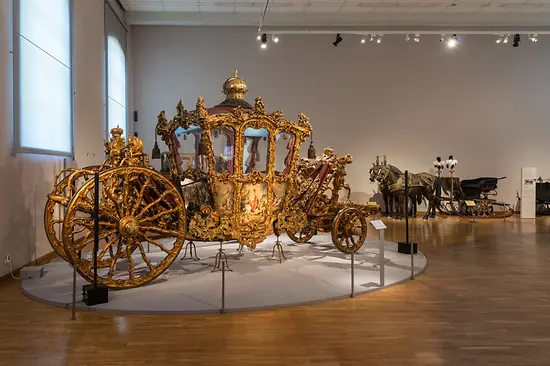
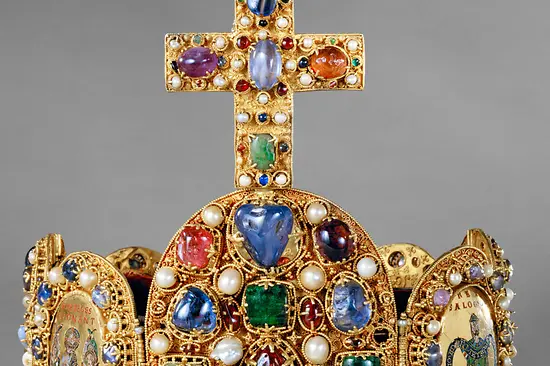
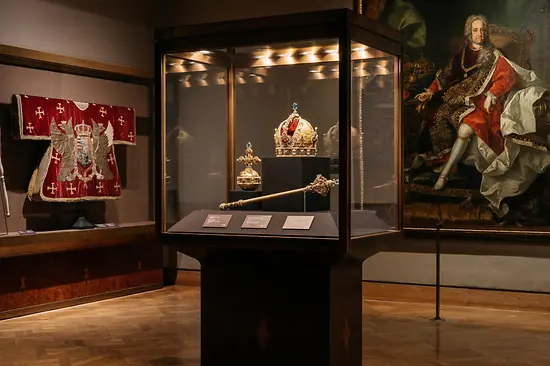
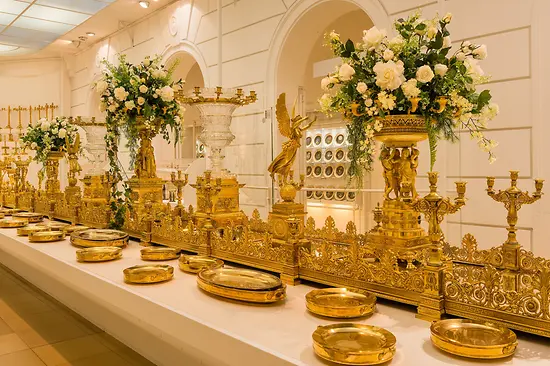
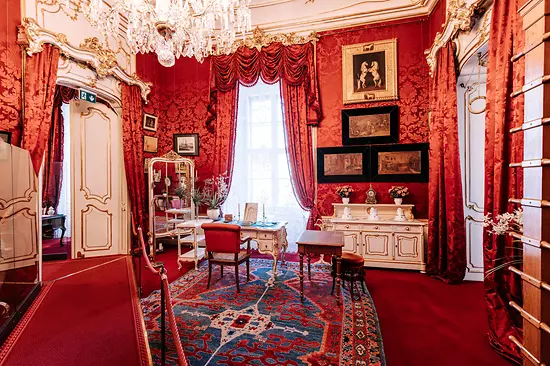
Traces of the monarchy can be found everywhere today. The special qualities that define Vienna's imperial aura owe much to the vast architectural legacy of the late Habsburg era. The opulent Ringstrasse, with its grand city palaces and mansion houses, monumental structures, high-end apartment buildings, luxury hotels and beautiful museums permanently defined Vienna’s architectural character. It's not just buildings that play a role in keeping this legacy alive, but people too: historians never tire of poring over the complex biographies of the members of the Habsburg family. The world-famous Viennese ball season pushes things to the limit when international and local ballgoers dress up in elegant, high-society style – making it seem like the monarchy (abolished in 1918) is still in full swing after all. Courtly rituals were given a new lease on life as civic traditions and tourist attractions.
The Legacy of the Monarchy
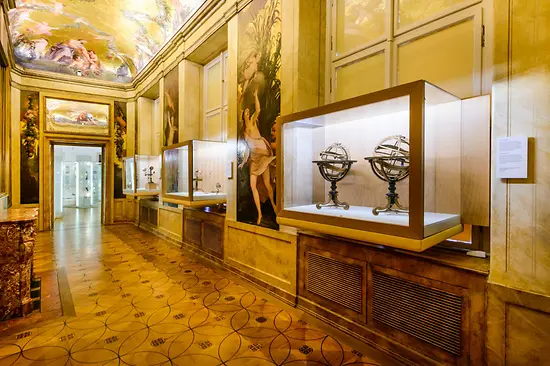
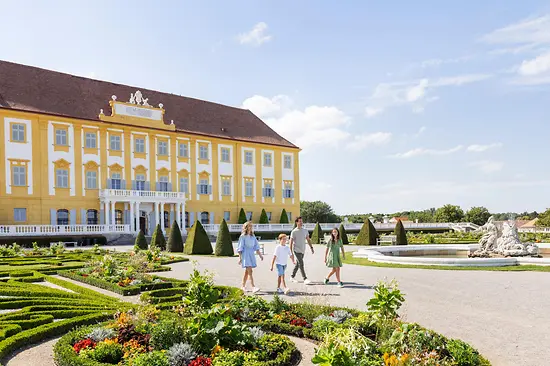
It may well be these more-than-obvious factors that contribute to Vienna’s image as a supremely imperial city. Yet the relics of the monarchy are rooted far more deeply in Vienna. Including where they might not immediately be suspected, such as in language and everyday culture. Even many Viennese locals are entirely unaware of how strongly the intangible heritage of the monarchy continues to reverberate in the present through these seemingly small things. What many of Vienna’s visitors will not be aware of is that – beyond Schönbrunn Palace, the Belvedere, and the famous museums along the Ringstrasse – there is an incredible wealth of reminders from the days of the monarchy just waiting to be discovered, but often with a surprisingly modern face. And that is precisely what Vienna will be all about in 2027. Vienna, Grand New encourages people to look at Vienna’s imperial legacy from entirely new angles. Vienna, Grand New looks toward some of the aspects that have drawn little attention until now. However, it will be doing so without going down the road of nostalgia and retro-kitsch – because Vienna’s imperial heritage has been idealized and romanticized often enough in the past. Which is hardly a big surprise given that Vienna offers all the ingredients for a vast projection screen that every conceivable longing, dream and fantasy can be cast onto.
Text: Johannes Luxner