Imperial Crypt
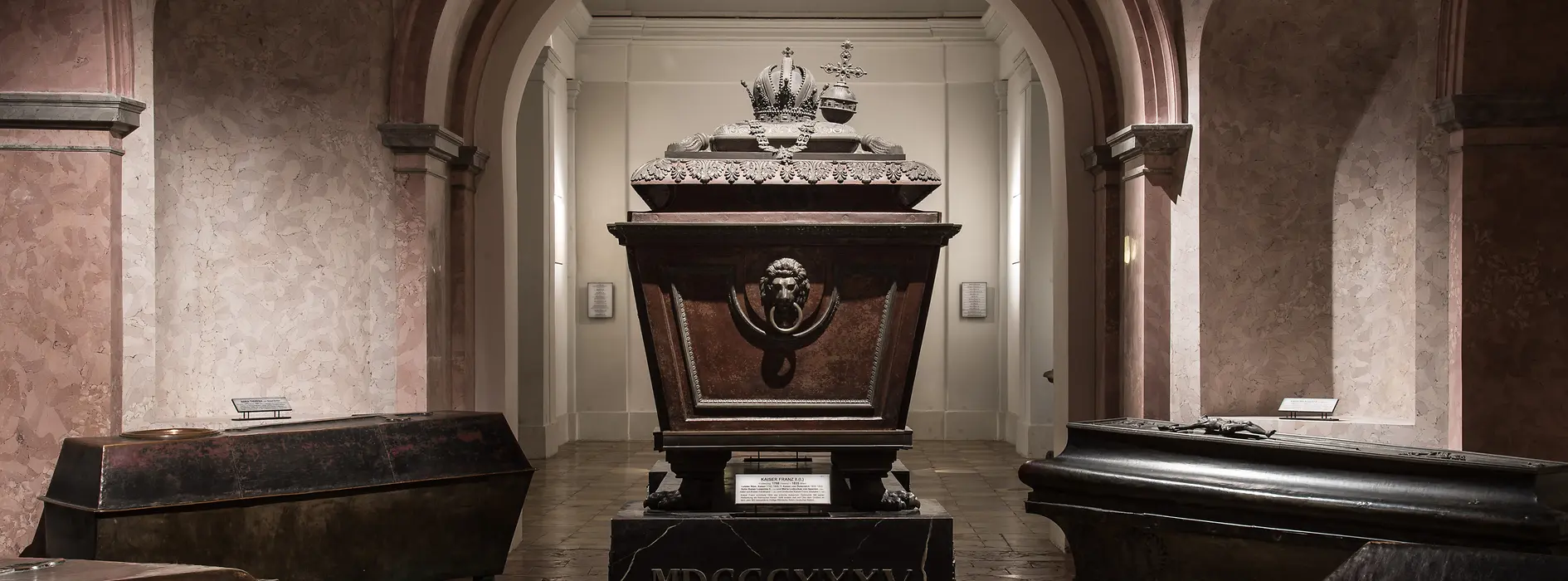
150 Habsburgs, including 12 emperors as well as 19 empresses and queens, have their final resting place here. The magnificent double sarcophagus of Maria Theresia and her husband, Emperor Franz I. Stephan von Lothringen, is a work by Balthasar Ferdinand Moll.
In strong contrast to this is the plain sarcophagus of her son Joseph II. The last emperor to be buried here was Franz Joseph I. (1916). The sarcophaguses of Empress Elisabeth and Crown Prince Rudolf are situated in the crypt, which is looked after by Capuchin monks. The hearts of the Habsburgs were buried in the Heart Crypt of the Church of the Augustinian Friars from 1654 to 1878.
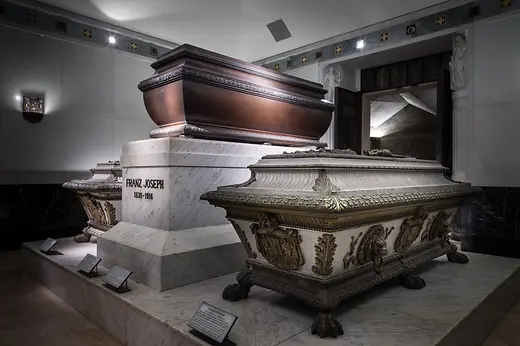
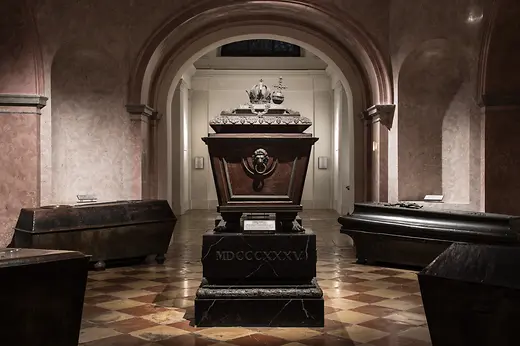
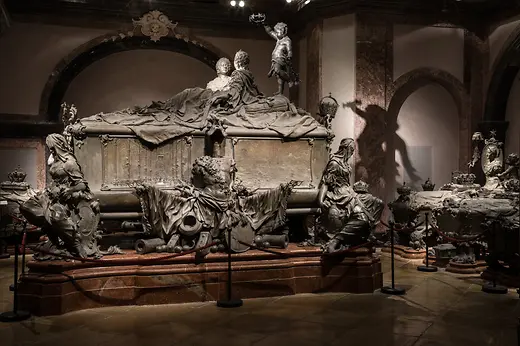
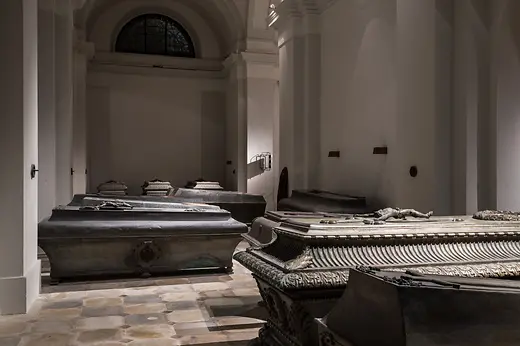
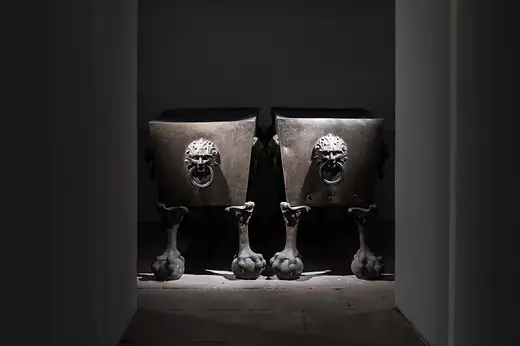
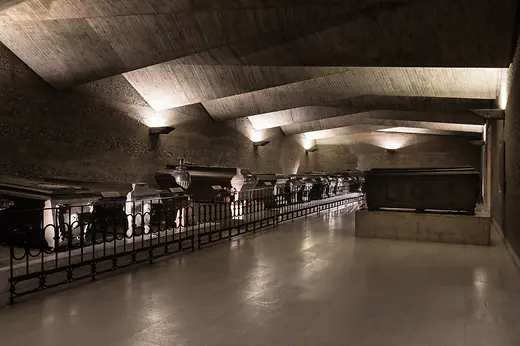
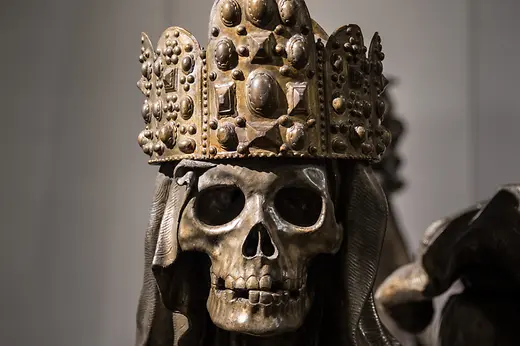
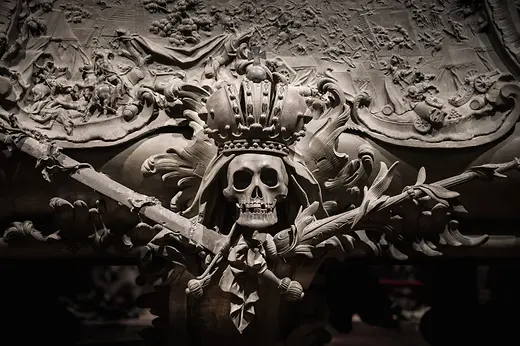
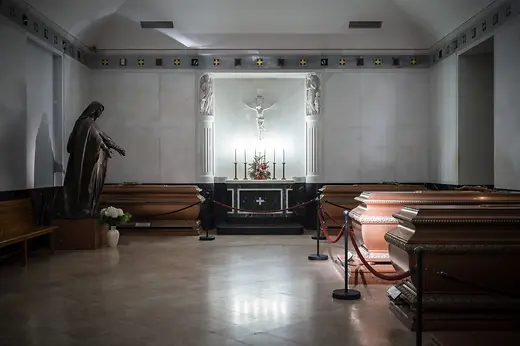
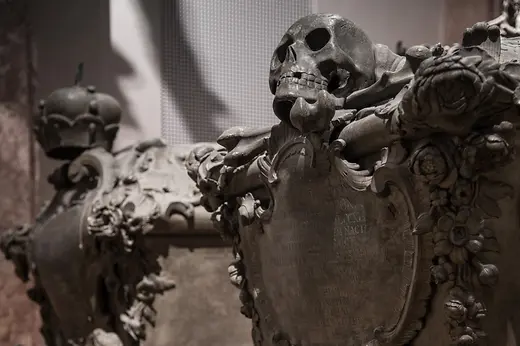
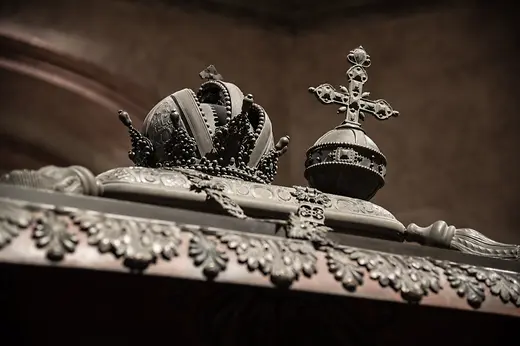
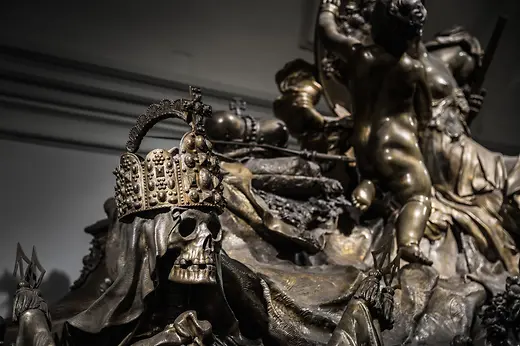
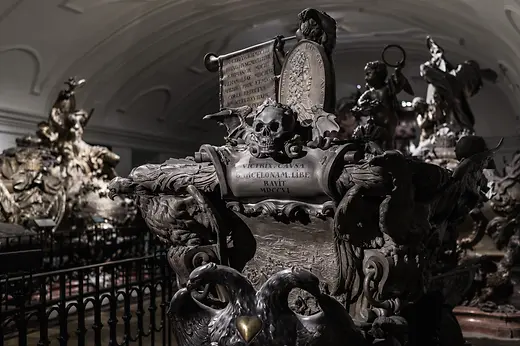
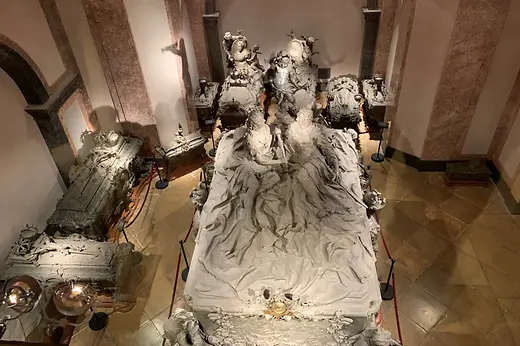
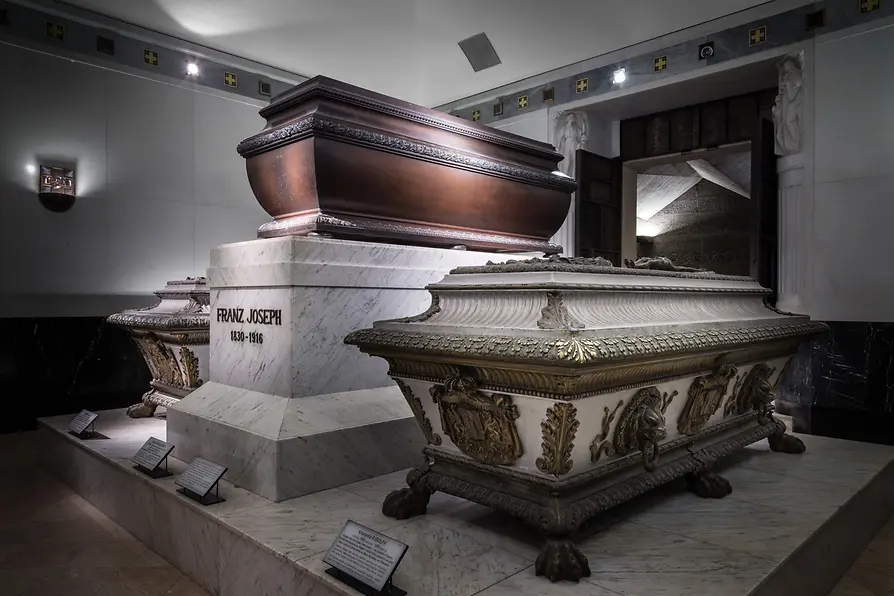
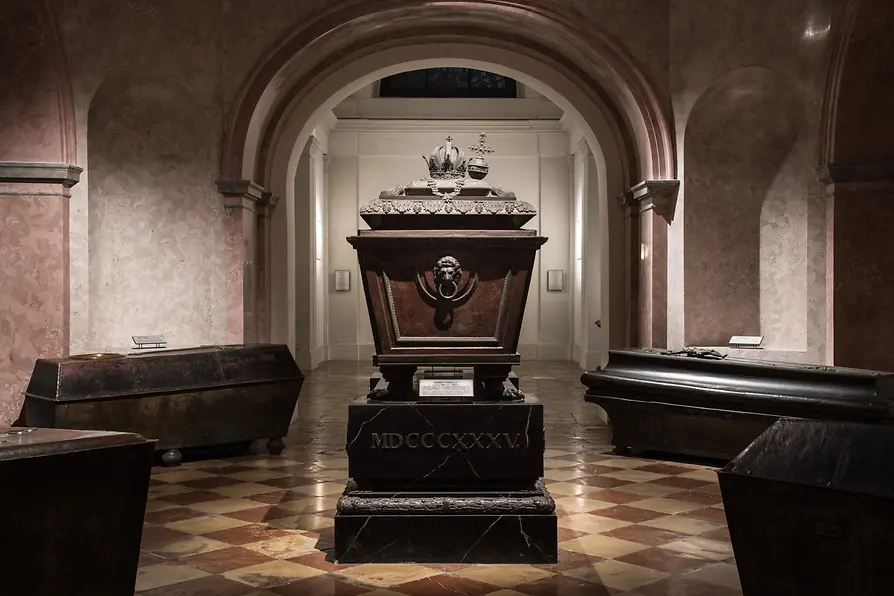
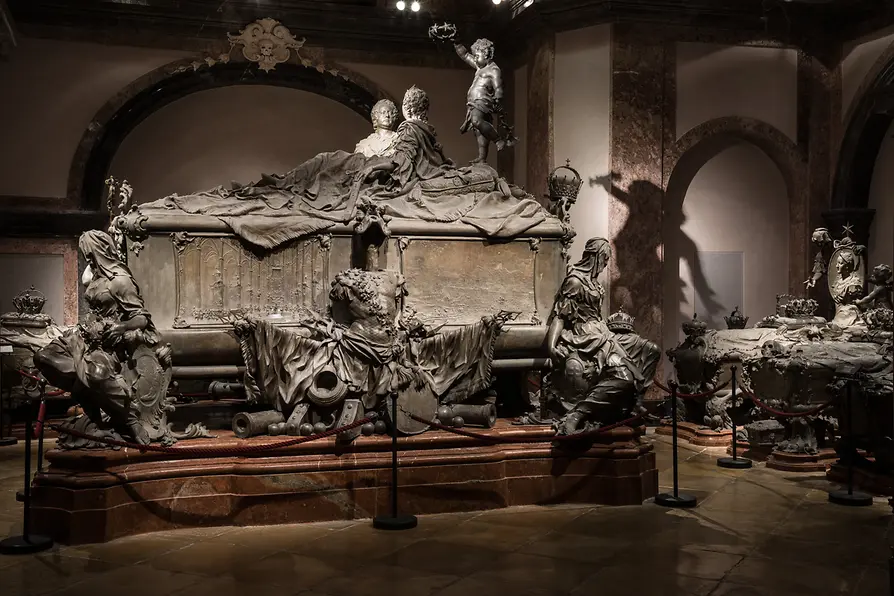
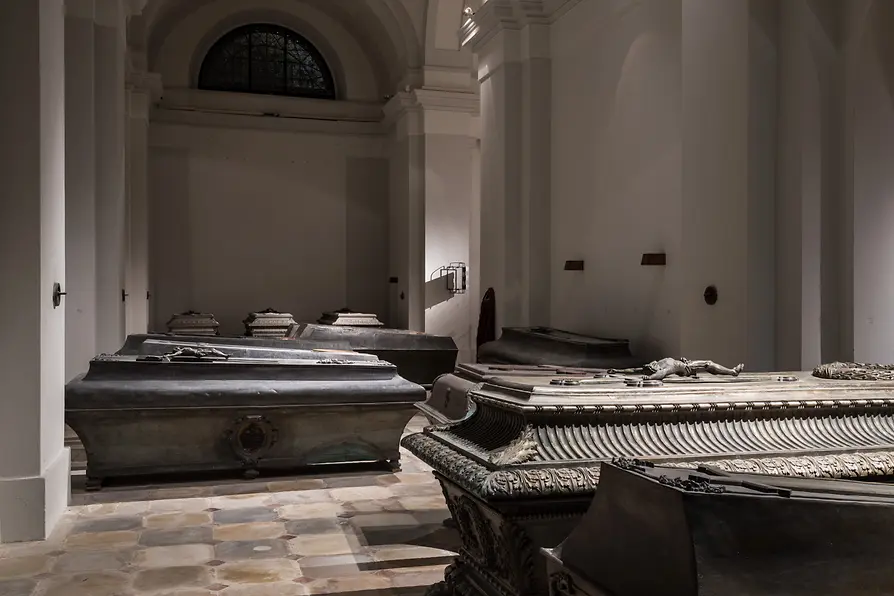
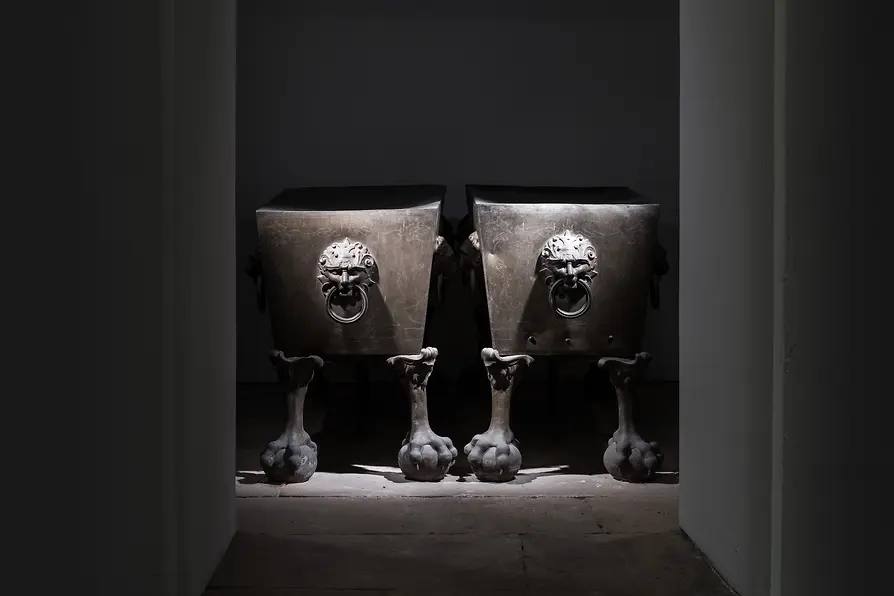
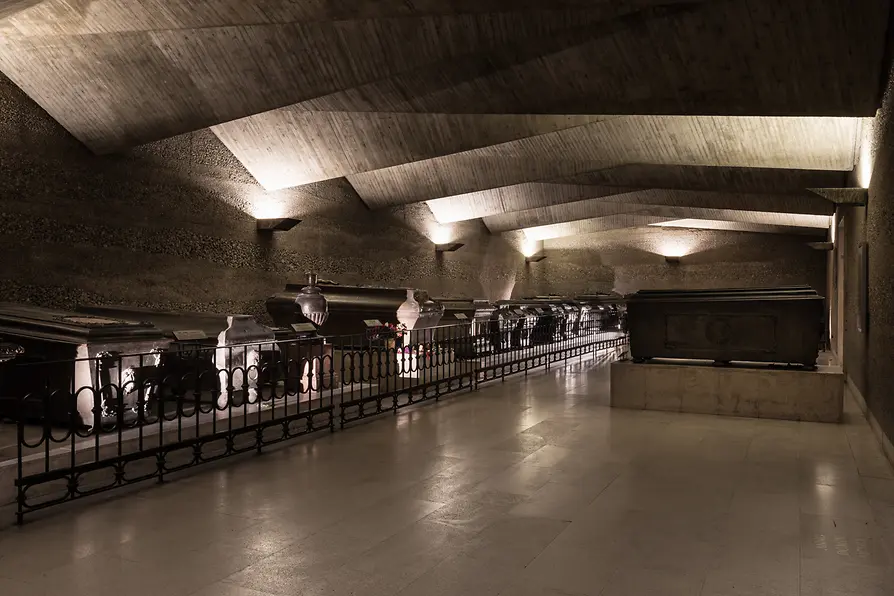
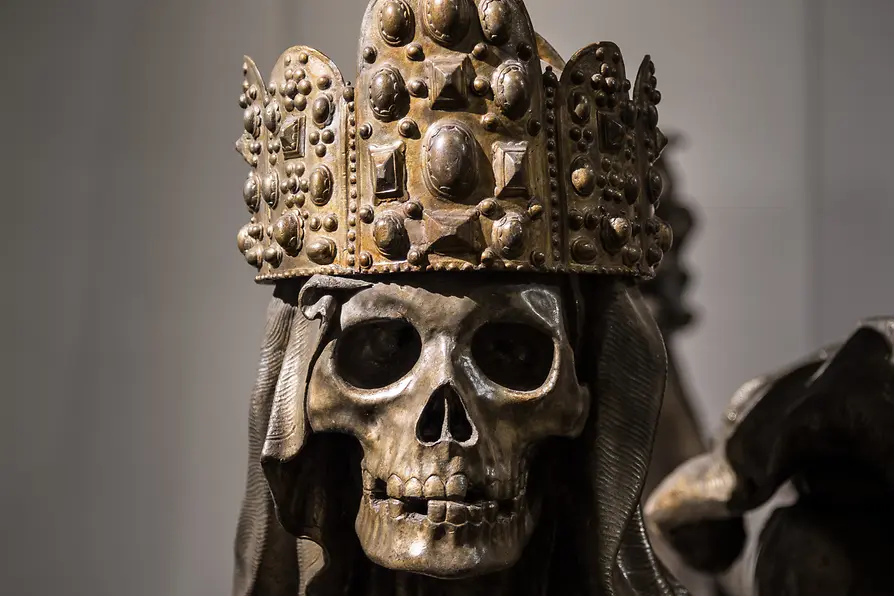
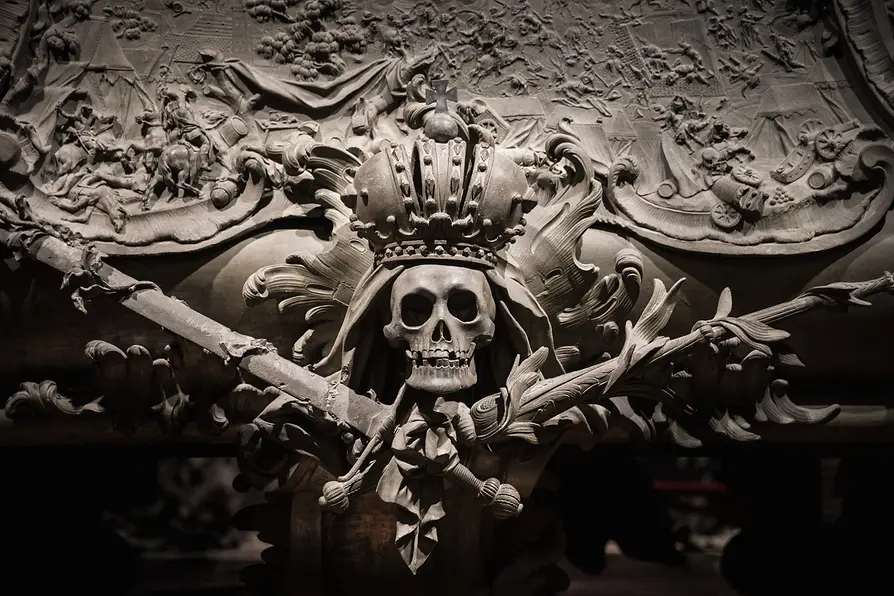
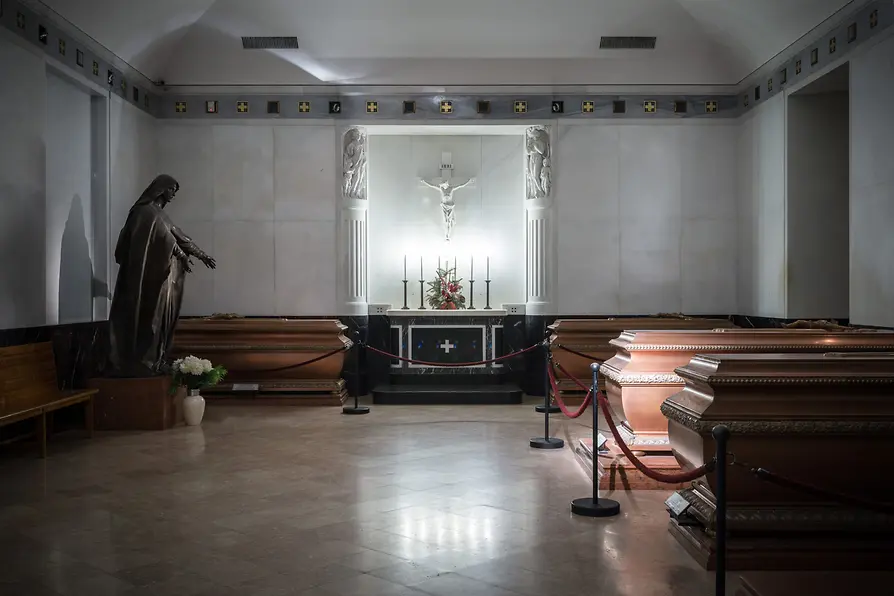
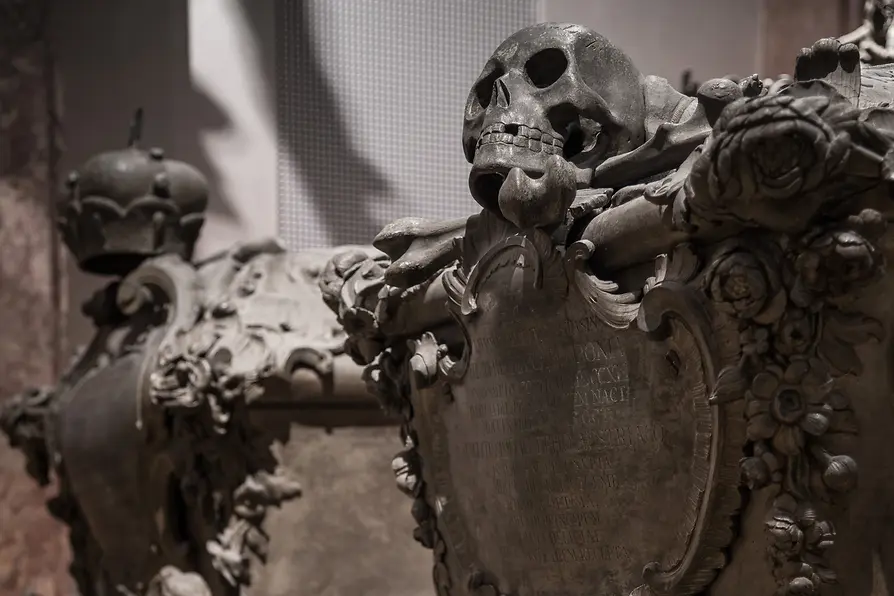
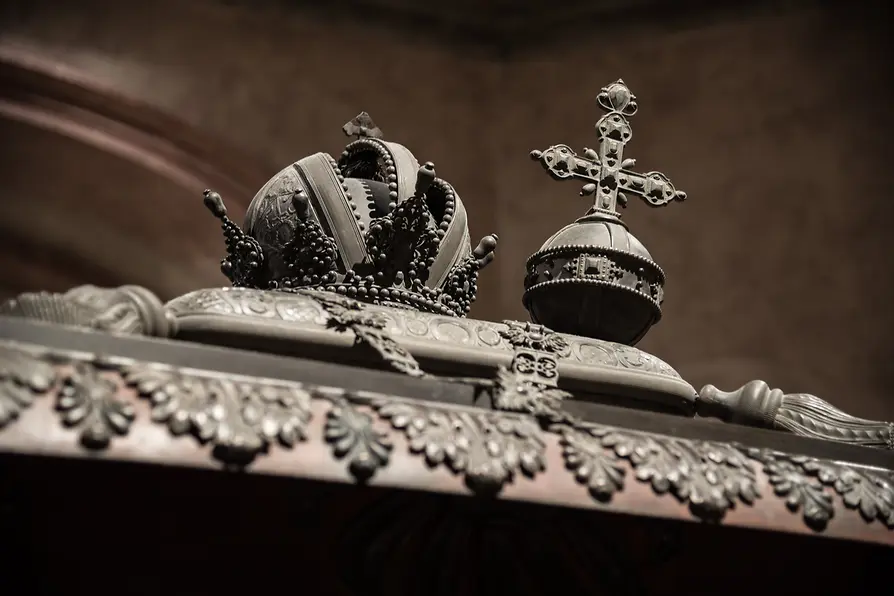
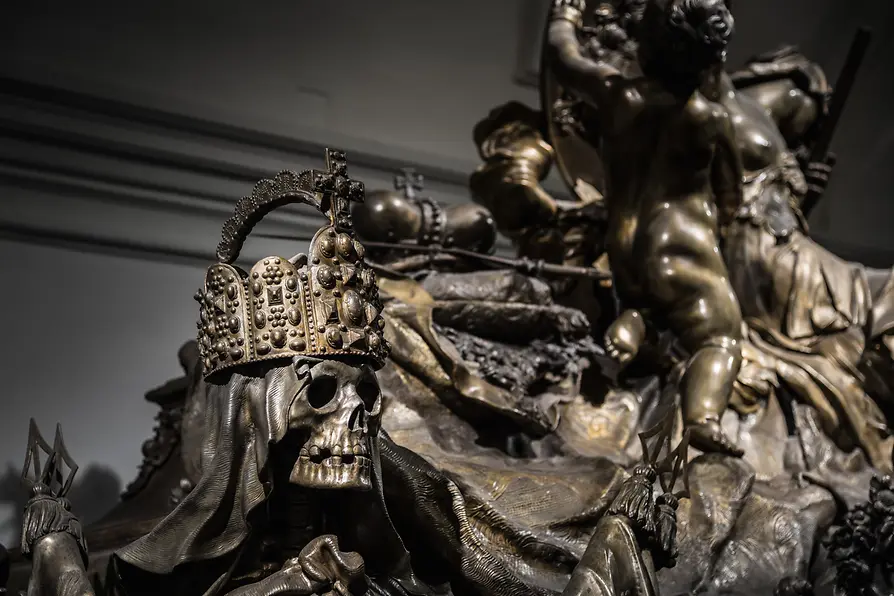
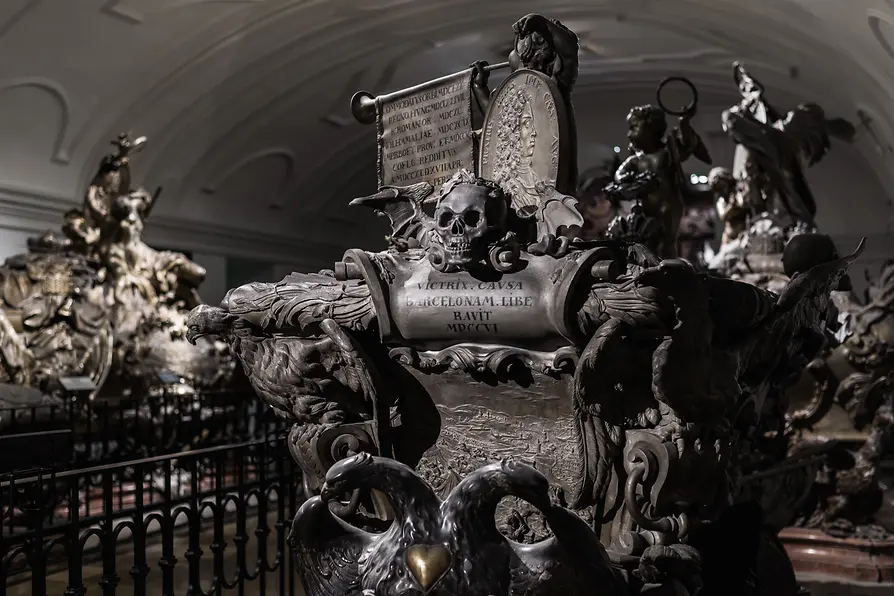
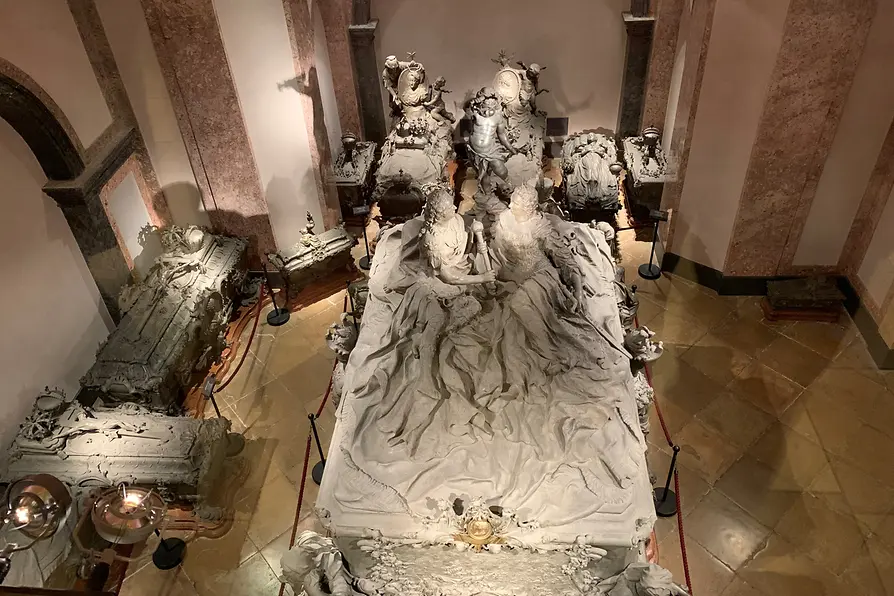
Funerals were still being held in the Imperial Crypt until 2023: Zita, the last Austrian empress, was buried here in 1989. On July 16, 2011, her eldest son, the former crown prince and European politician Otto Habsburg, was laid to rest here together with his wife Regina. The last interment took place in the fall of 2023: Yolande de Ligne, wife of the Emperor’s son Carl Ludwig, who died in 2007, was the last representative of the House of Habsburg-Lorraine to be buried in the Imperial Crypt. There is no more space available.
Information about tickets and guided tours of the Imperial Crypt
- Neuer Markt, 1010 Wien
- www.kaisergruft.com
- info@kapuzinergruft.com
Vienna City Card
Standard ticket price: 15€
Reduced ticket price: 12€
Opening times
- Mo, 10:00 - 18:00
- Tu, 10:00 - 18:00
- Mo, 10:00 - 18:00
- Th, 09:00 - 18:00
- Fr, 10:00 - 18:00
- Sa, 10:00 - 18:00
- Su, 10:00 - 18:00
1 and 2 November: 10.00 am - 2.00 pm, 24 and 31 December: 10.00 am - 4.00 pm.
1 January 12.00-6.00 pm
Guided tours
Monday - Saturday
2pm and 3.30pm (German)
Monday, Wednesday and Saturday
3pm (English)
Sunday
10.30am and 2pm (German)
additionally in July and August daily 10.30 am (German)
Accessibility
no steps (Swinging doors 90 cm wide)
Assistance dogs allowed
Accessible toilet
Guided tours for people with visual impairments are available by prior arrangement
Access to all exhibition rooms: no steps, except 3 steps to the tomb of emperor Franz Joseph and to the burial vault chapel.
The touching of objects is not permitted due to reasons of preservation.