Parks and Gardens in the Center of Vienna
Stadtpark
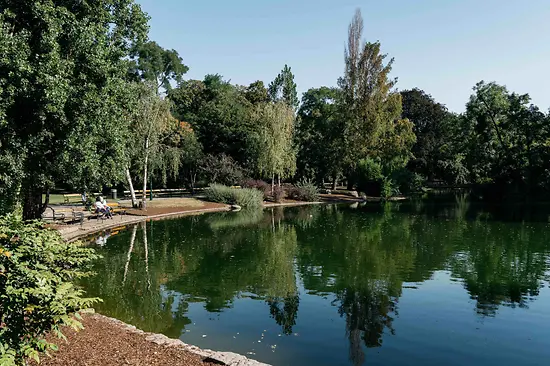
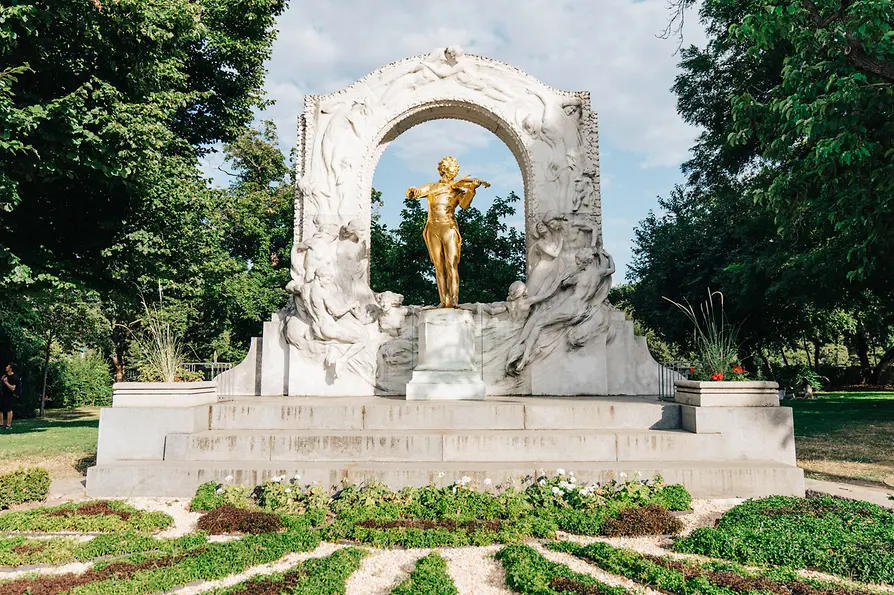
In addition to a large duck pond, lawns for lounging, magnificent flowerbeds, and exotic trees, the Stadtpark is also home to one of the most photographed monuments in the world: Waltz King Johann Strauss, in gleaming gold. The park opened in 1862 after the old city wall was demolished and the Ringstrasse was built, and it was Vienna’s first public park. Up until 1956, visitors actually had to pay just to take a break in the chairs provided – fortunately, that’s no longer the case today.
The Burggarten and Volksgarten
The grounds of the former Habsburg residence, the Vienna Hofburg, also include two beautiful parks that could hardly be more different: the Burggarten and the Volksgarten.
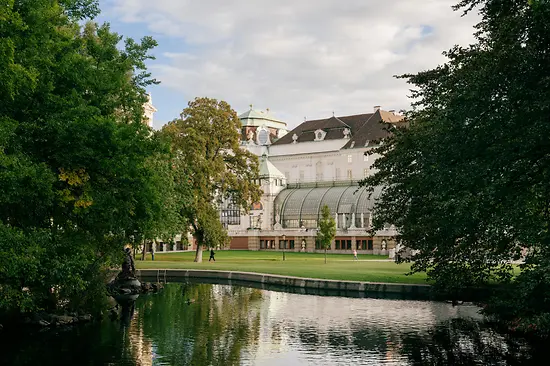
The Burggarten, designed in the English style, was initially the private retreat of Emperor Franz Joseph I, the husband of Empress Sisi. In 1919, three years after the monarch’s death, the Burggarten was opened to the public. Today, you’ll find the only monument to the emperor here, as well as a statue of the musical genius Wolfgang Amadeus Mozart. Here, visitors can relax on the green lawns, in the shadow of the Hofburg and the Palm House – a magnificent Art Nouveau glasshouse that houses a café-restaurant and the Butterfly House.
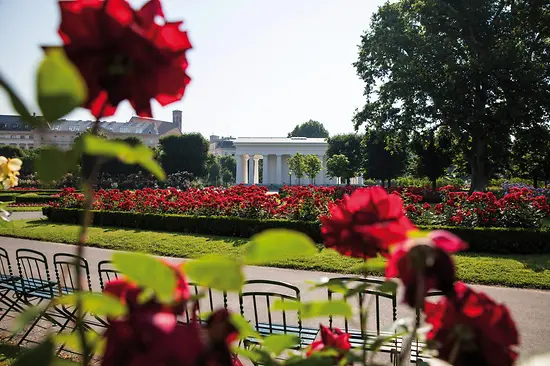
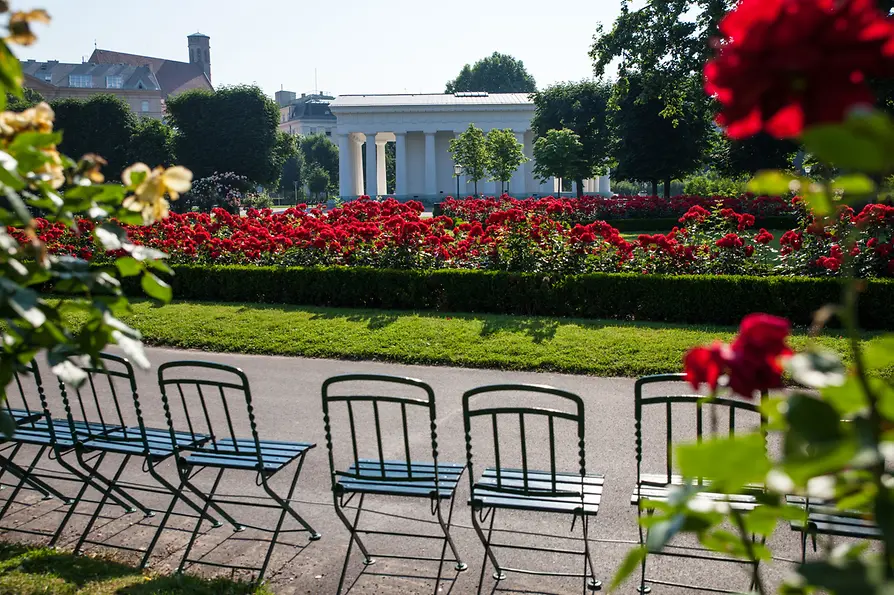
The Vienna Volksgarten is especially famous for its magnificent Rose Garden. In late spring, around 400 varieties of roses bloom here on about 3,000 rose bushes. The white Theseus Temple presides over the carefully laid-out walking paths of the park. Not far from Vienna’s Burgtheater, in a secluded, somewhat quieter area, there is also a monument to the iconic Empress Sisi.
City Hall Park
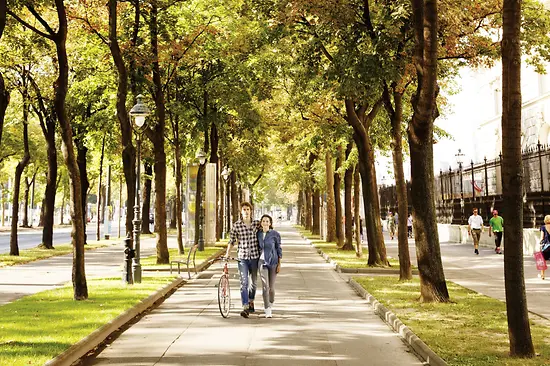
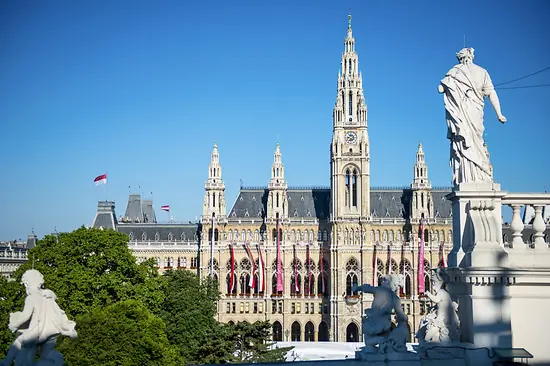
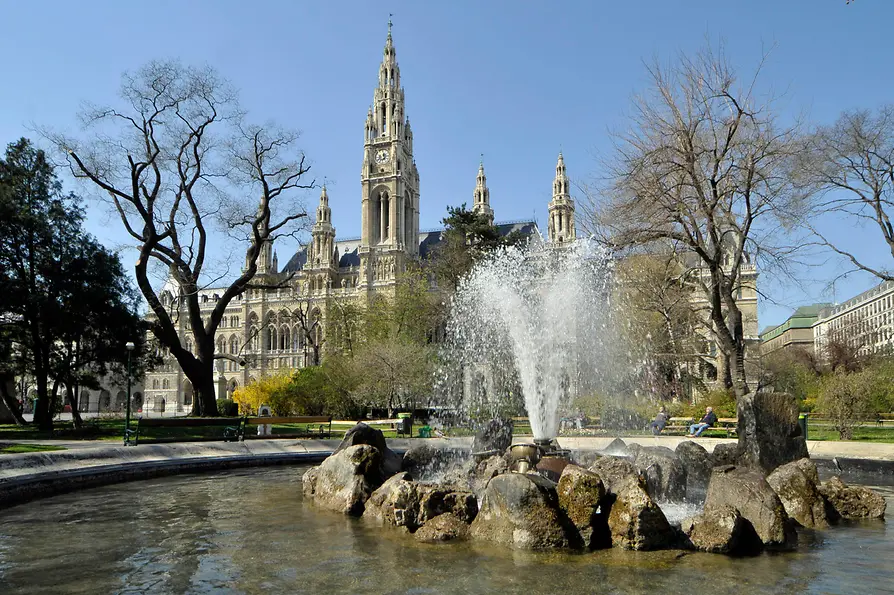
The approximately 40,000-square-meter park in front of Vienna City Hall and between Parliament and the University of Vienna is laid out in two symmetrical halves, each with fountains and winding walking paths. Some of the trees are even older than Vienna City Hall itself: the oldest one, a maple-leaved plane tree, has stood here since 1783. Rathausplatz in the middle is used for events almost year-round, such as the Christkindlmarkt, the Vienna Ice Dream with a large ice-skating rink, the Music Film Festival in summer and the Bike Festival.
Sigmund Freud Park and Votivpark
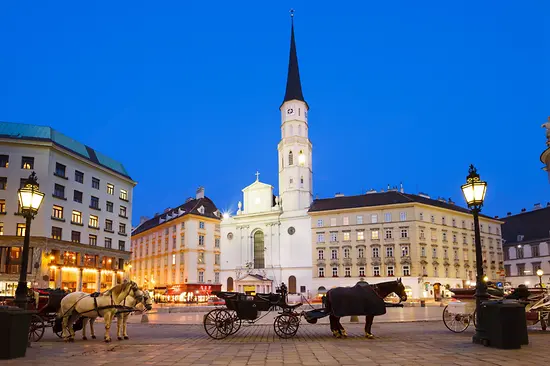
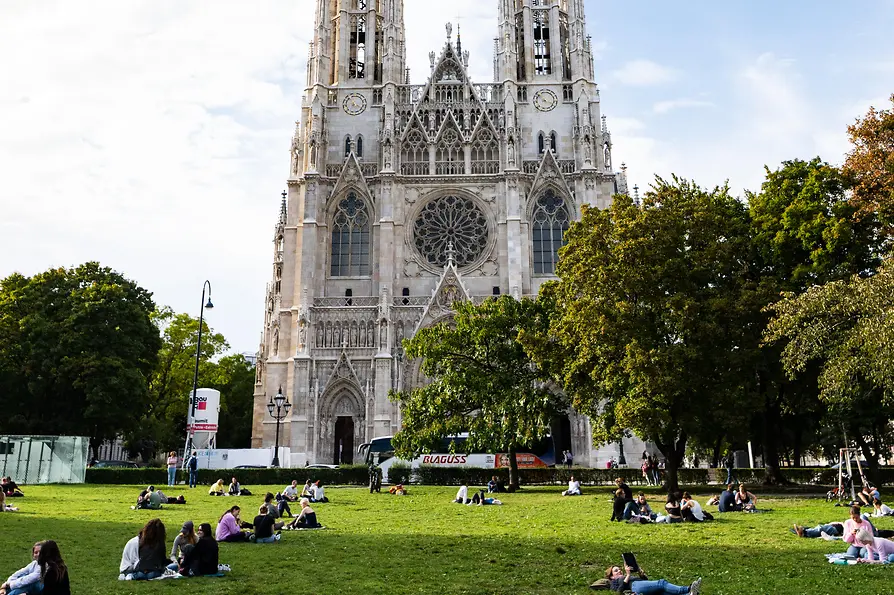
The Sigmund Freud Park is spread out in front of the impressive Votive Church; the Votivpark surrounds it on the other side. Every spring, magnolias create delightfully kitschy photo opportunities, with the light-colored church in the background. A stele honoring its namesake Sigmund Freud, the founder of psychoanalysis, can be found on Universitaetsstrasse. Behind the church, a group of sculptures serves as a monument to the composer Antonio Vivaldi.
FAQ – Frequently Asked Questions
Which parks are located in Vienna’s city center?
There are a number of charming parks and gardens along Vienna’s famous Ringstraße, which circles the inner city center, offering a welcome break from sightseeing:
- Stadtpark
- Burggarten
- Volksgarten
- Rathauspark
- Sigmund Freud Park and Votivpark
- Stadtpark, Parkring, 1010 Wien
- www.wien.gv.at
- post@ma42.wien.gv.at
- Burggarten, 1010 Wien
- www.bundesgaerten.at
Opening times
- daily, 07:00 - 19:00
- daily, 06:00 - 22:00
- daily, 07:00 - 17:30
- Volksgarten, Burgring, 1010 Wien
- www.bundesgaerten.at
Opening times
- daily, 07:00 - 19:00
- daily, 06:00 - 22:00
- daily, 07:00 - 17:30
- Rathauspark, 1010 Wien
- www.wien.gv.at
-
+43 1 4000 80 42 (Gartentelefon)
- post@ma42.wien.gv.at
- Straße des Achten Mai/Votivkirche, 1090 Wien
- Straße des 8. Mai / Rooseveltplatz, 1090 Wien