Trees of Vienna
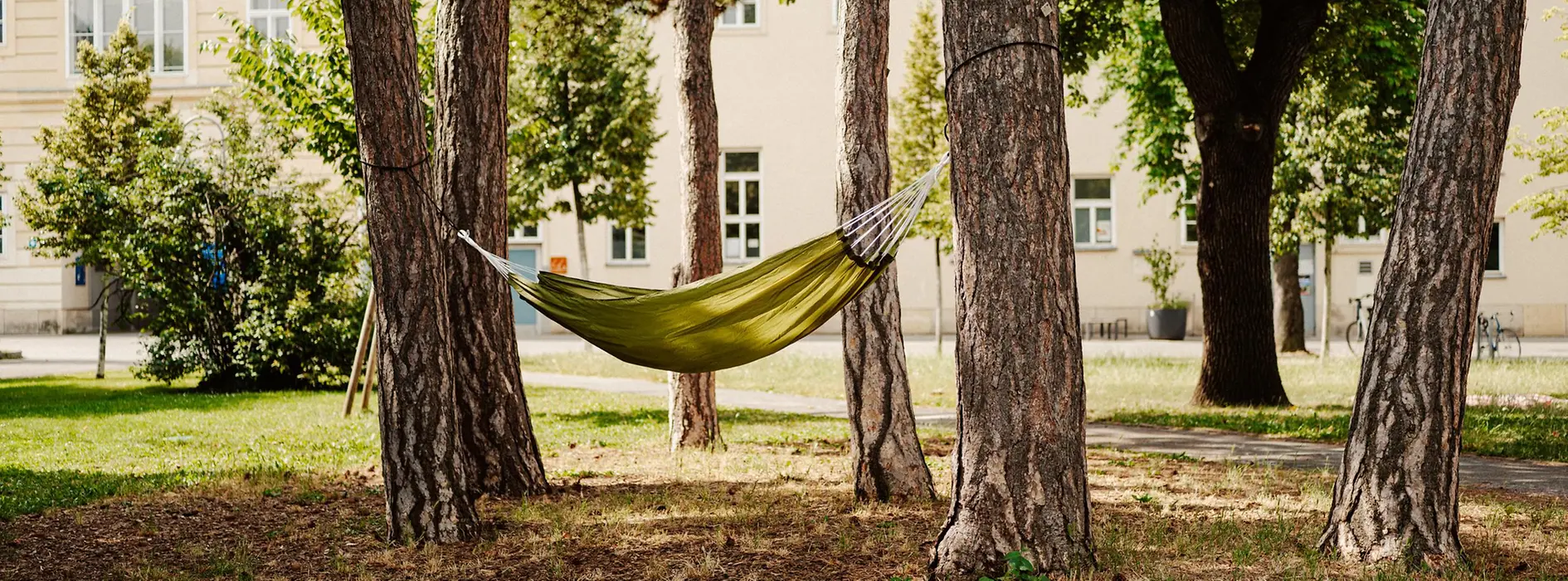
Trees are – quite literally – a natural part of Vienna’s cityscape. They live alongside us, working around the clock for our well-being. And without anyone noticing, trees produce the elixir of life: oxygen. They filter and purify, cool and humidify the air, making our living space truly livable.
Green light
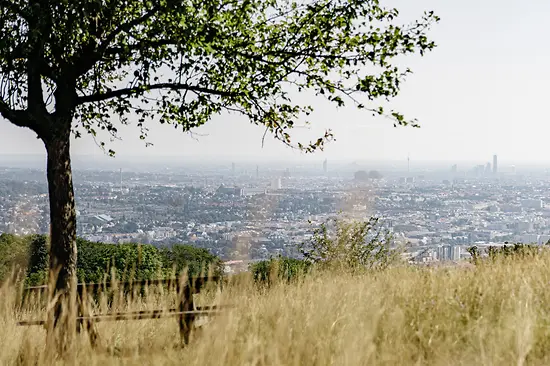
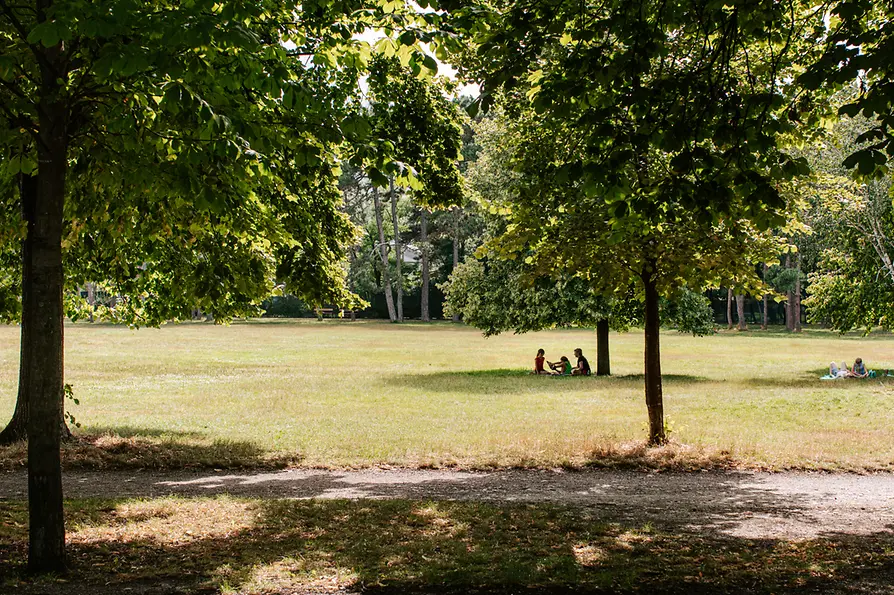
Vienna is in the fortunate position to rank among Europe’s greenest cities. In fact, about half of the city’s total footprint is accounted for by green spaces – a remarkably high figure by international standards. The Vienna Woods in the west of the capital play a signicant role. And in the east of the city, its woodlands – in the shape of the wetland forests of the Lobau – even form part of a national park: the Donau-Auen. On top of that, there are more than 1,000 parks and sprawling oases of greenery such as the Prater and the Lainzer Tiergarten game preserve. In times of accelerating climate change, the value of these green recreational areas cannot be overstated. They make an essential contribution to the well-being of the city’s residents and its visitors, to quality of life, and to the city’s underlying appeal.
Hot in the City
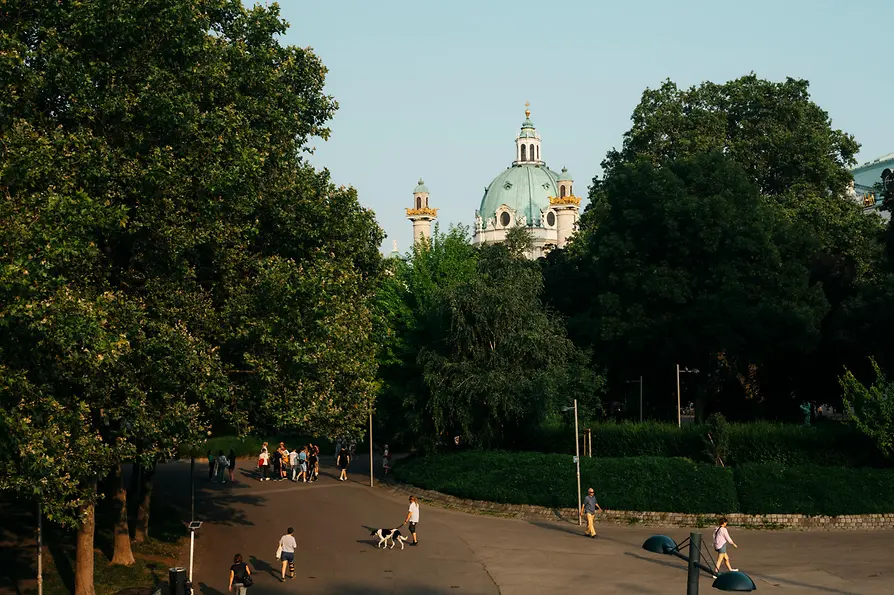
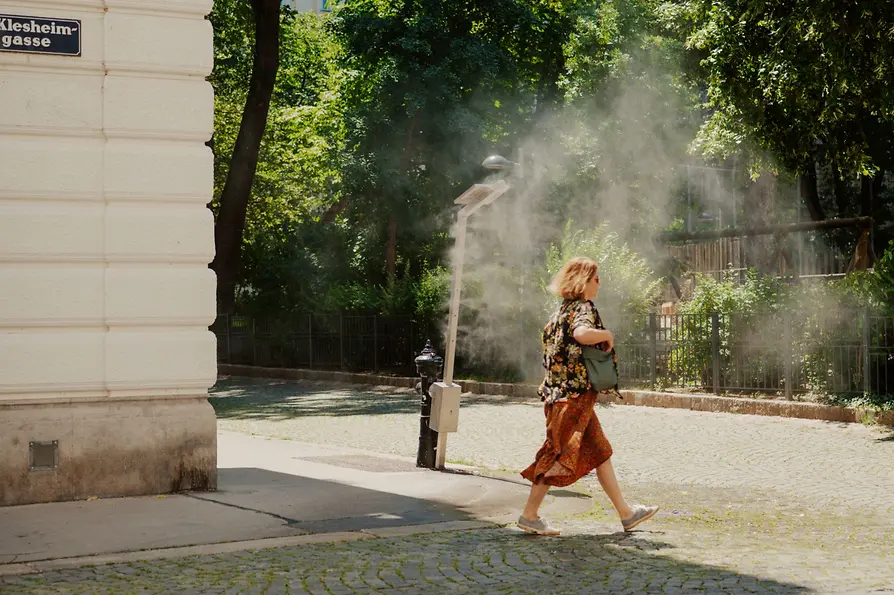
The global climate is changing, and urban life is being transformed permanently as a result. Everyone suffers when a city swelters under the heat, and every patch of shade is used to escape the blazing sun. Cities are particularly prone to heat due to building density, sealed surfaces and a lack of vegetation – as well as additional heat sources like traffic and air conditioners. In parts of Vienna’s built-up city-center districts, real “hotspots” and the effects of urban heat islands are a fact of life. Affecting not just road surfaces and “asphalt deserts” like Schwarzenbergplatz, it also applies to the charming narrow cobblestone alleys from Spittelberg to the area of the old town around Blutgasse. “The buildings provide shade for each other, but once they heat up, the warmth stays put due to the reflection of radiated heat in the narrow streets,” explains Christiane Brandenburg. She was the project leader of Vienna’s “Urban Heat Islands” strategy plan. Developed a decade ago, it has served as a foundation for the city’s urban development projects ever since.
More Green for the City
In light of the changing climate, Vienna’s municipal government is focusing on extensive tree plantings, the widespread expansion of “green infrastructure” – such as roof and facade greening and hedge planting – as well as unsealing projects to safeguard and improve the already high quality of life that the city has to offer. All these measures have direct impacts on health, the environment, and the climate: besides shading and cooling effects through evaporation, they help to bind fine particulate matter, sequester CO₂, and aid water retention, while also promoting biodiversity in the city. Since 2021, Vienna has been using special funding to continue to unseal, green, and cool the city. One of the city’s core goals is to become greener, especially in densely built-up areas. Inspired by “Raus aus dem Asphalt” around 350 projects to get the city “out of the asphalt” have been implemented across all 23 of Vienna’s districts. Entire streets and squares are being made more climateresilient, and the fight against urban heat islands is very much on. As part of these projects, about 85,500m² of streets and public squares have been greened so far, with around 25,000 trees being planted in the city, including 3,000 at 500 new locations. Water features, misting systems, and drinking water fountains have also been installed. In times of climate change, trees are more essential than ever, alongside the availability of sufficient water resources. Put simply, trees are the ultimate water and climate regulation machines.
Here are some figures to back it up:
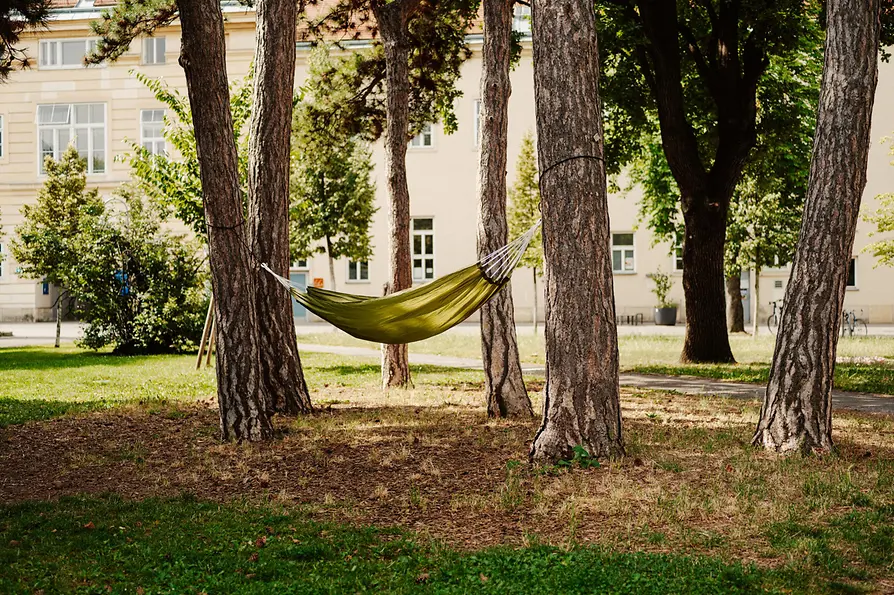
- A mature tree provides up to 150m2 of shade
- Cools its surroundings by up to three degrees in summer
- Releases around 400 liters of water into the atmosphere each day.
- On a hot summer day, trees like this absorb 18 kilos of CO₂ and produce 13 kilos of oxygen
- Besides dampening ambient noise and wind, clusters of mature trees also trap up to a ton of airborne dust each year.
 © WienTourismus/Paul Bauer
Which Trees Does the City Need?
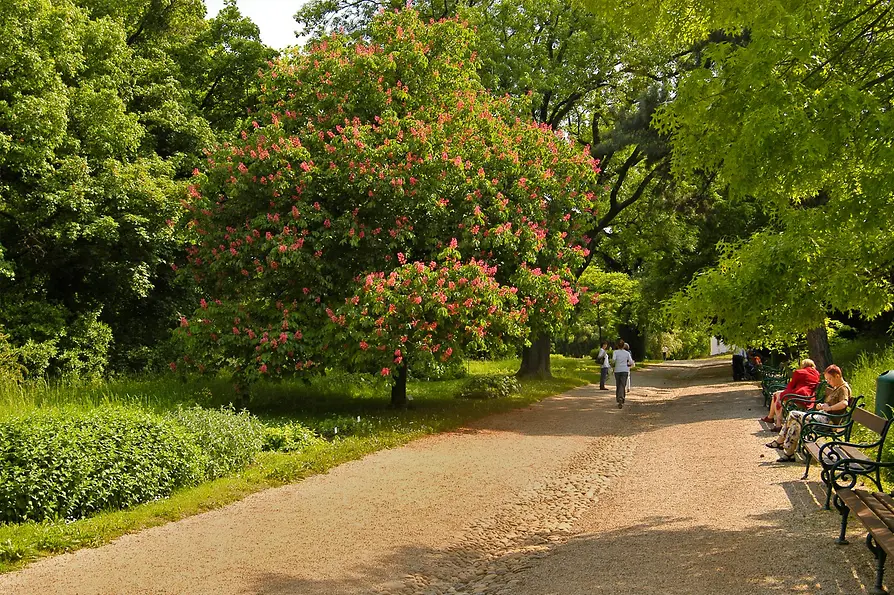
Not every tree is suited to life in the city. City trees, and among them “street trees”, are the pioneers, the true heroes of the plant world. They need to be able to cope with specific stress factors. These include traffic, soil compaction and sealing, underground installations, construction work, the radiant heat from glass and concrete facades, and, of course, rising temperatures. The maple is still the most common tree on Vienna’s streets, followed by linden and horse chestnut. But nowadays these Viennese classics are hardly ever replanted. Extensive studies and long-term experimental projects by various experts, including teams from the Federal College and Research Institute for Horticulture at Schönbrunn and the University of Natural Resources and Life Sciences, Vienna (BOKU), are helping to shape the development of new strategies for future urban vegetation and align them to the accelerating pace of climate change. And the studies confirm that the specific brief which the city’s trees need to meet has changed. So in response, Vienna’s municipal gardens department is now increasingly opting for heat- and drought-resistant street trees – as well as long-lived species that are native to Southeastern Europe and parts of Asia. Varieties include specific elm cultivars, ashes and plane trees as well as the Celtis, the ginkgo tree, the Japanese pagoda tree, and the Chinese ornamental pear.
Tree Protection and Tree Registry
Trees in Vienna have enjoyed special protections for more than 50 years now. Once their trunk reaches a circumference of 40cm, they fall under the remit of the Vienna Tree Protection Act and are safeguarded from felling. Anyone wanting to cut down a tree not only needs official approval but also has to plant another tree in its stead. And if a replacment is not planted, a special compensation fee is levied. This law also applies to private property. The city’s tree stock is a known quantity, too. Its total inventory of around 480,000 trees is recorded to the most accurate degree possible in the Vienna Tree Registry, a visual representation of which can be viewed on the online city map at wien.gv.at under “Bäume und Grünflächen in Wien”. The trees that populate the city’s boulevards and parks as well as the green spaces in municipal building complexes and wooded areas are all registered here. The information stored on each tree includes its precise location, species, trunk circumference, height, crown size, and sometimes even the year it was planted. More than 3,300 of the trees listed in the registry are over 100 years old, and almost 40 are older than 200. Vienna’s oldest tree is a giant Oriental plane tree in front of the University of Vienna’s Department of Botany and Biodiversity Research on Rennweg 14. Around 280 years old, the circumference of its trunk exceeds six meters.
Watering – A Lifeline for the Trees
The giant old trees and other monuments to Mother Nature in the city have witnessed – and survived – a great deal over the decades and centuries. But despite their resilience, they are now suffering from the effects of increasingly frequent heatwaves and periods of drought. This brings the issue of irrigation and water availability into focus. Vienna is fortunate to draw up to 437 million liters of mountain water directly from the Alps each day via its famous Mountain Spring Pipeline. But even this huge volume is not enough to water all of the city’s urban green infrastructure during heatwaves. As a result, experts have issued an urgent plea to expand the “sponge city” principle in Vienna, which would give trees more space around their roots, even under streets, parking lots, and sidewalks. This helps with water storage and retention, maintaining availability of this precious resource for longer. Additionally, it can lessen or prevent flooding during heavy rainfall and stop valuable rainwater from simply draining into the sewer system. There are also plans to ensure that watershed from rooftops is captured and diverted onto public ground to supply city trees with water. Trees are the “green lungs” of the city and make our living space truly livable. But they need time to get established. Depending on the species, a tree will only have a trunk circumference of about 20cm even after ten years of growth. It is essential for our future that people are aware of the timeframes involved, as well as the unique impact that trees have on our environment. Every new tree planted is a promise of shade on hot days, of cleaner air to breathe and of life in the heart of the city.
Text: Andrea Ortmayer