An alternative take on Viennese cuisine
Down-to-earth, authentic Viennese cuisine can be found all over the city in typical bistros and Gasthäuser. However, Vienna’s fine dining scene also draws on Viennese cuisine, reviving old traditions and recipes, giving a nod to history and bringing Viennese cuisine to the table in a radically modern way. Traditional dishes are reinterpreted, almost forgotten produce from local farms is back on the menu, and historical cooking methods are combined with modern techniques.
History meets avant-garde at Steirereck
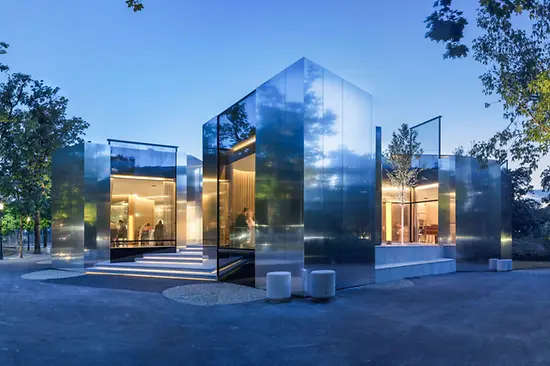
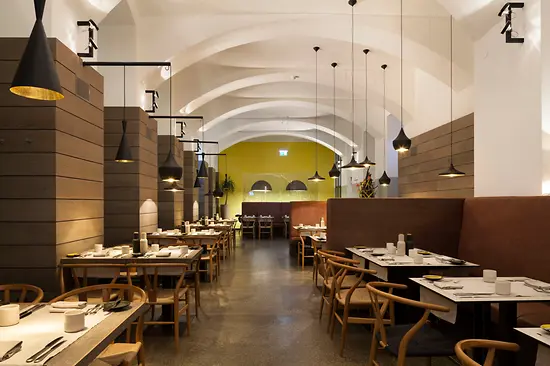
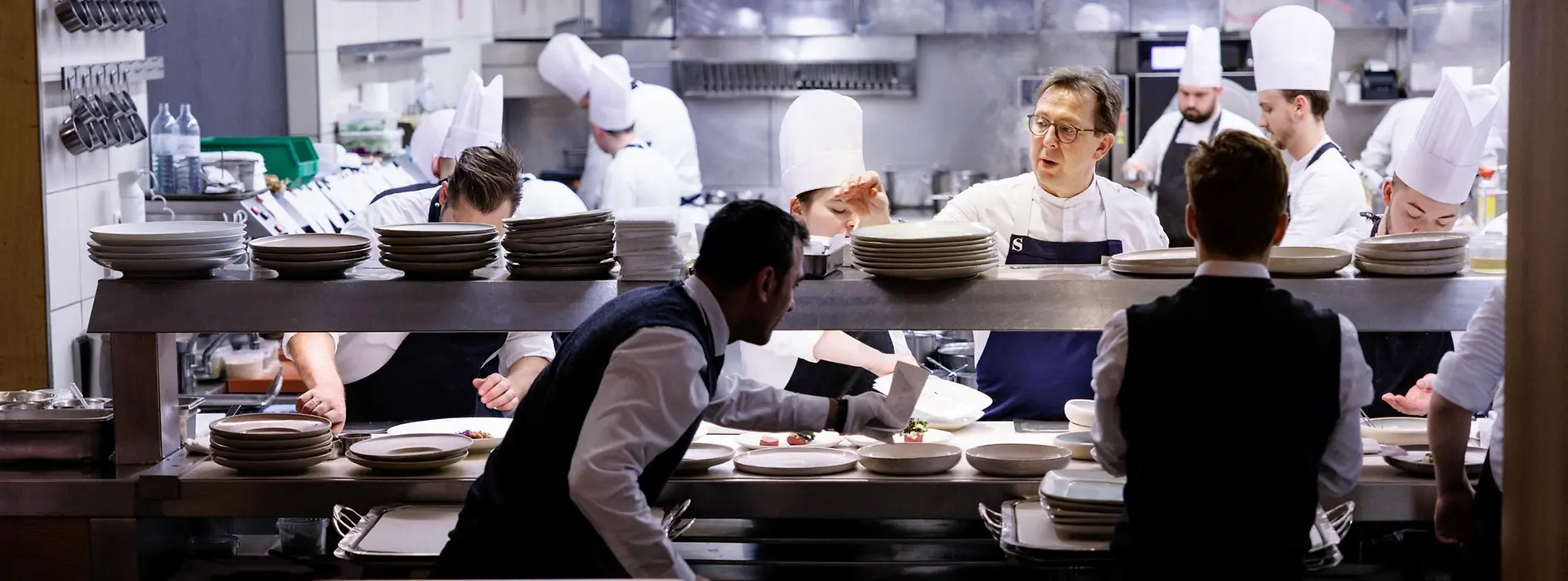
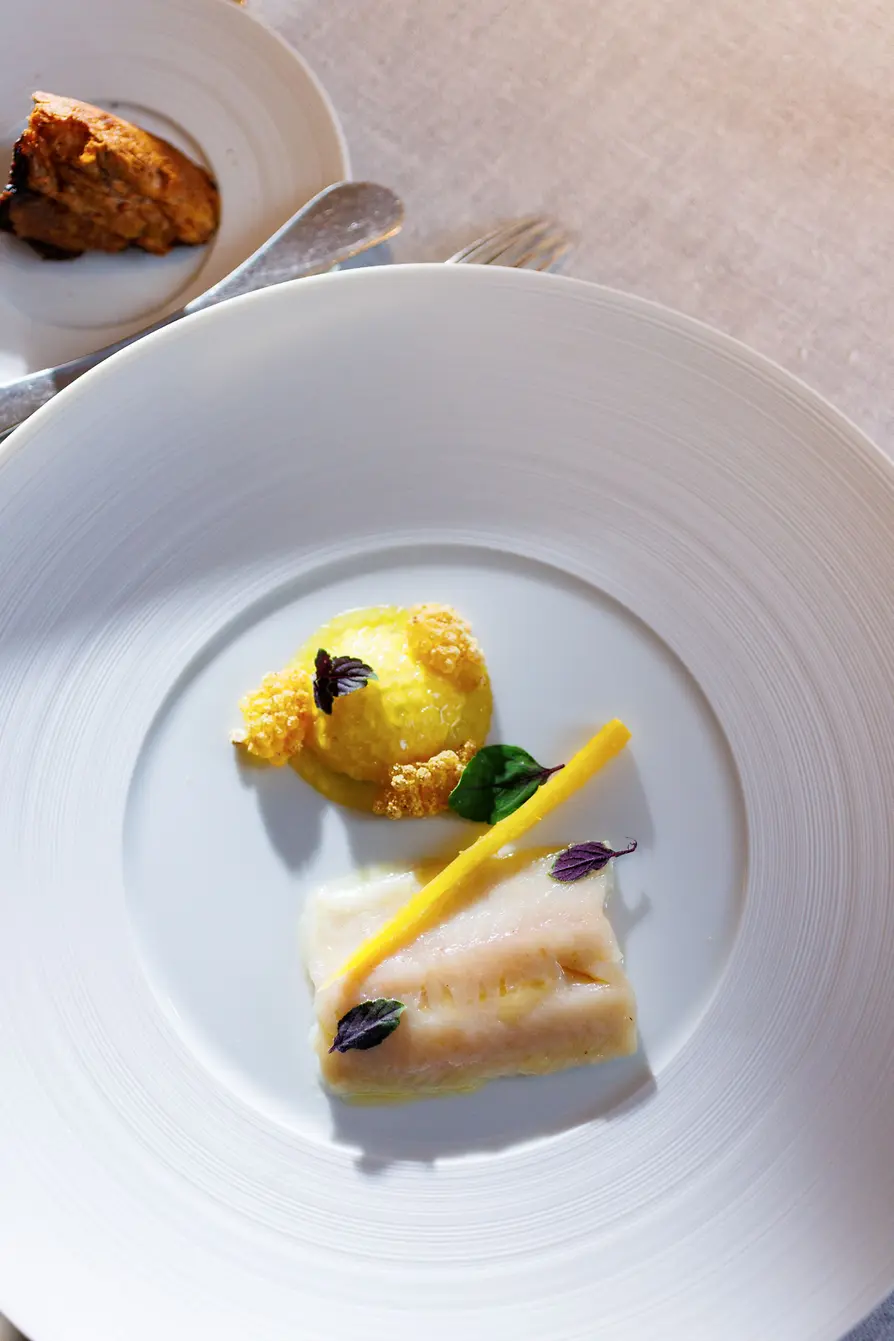
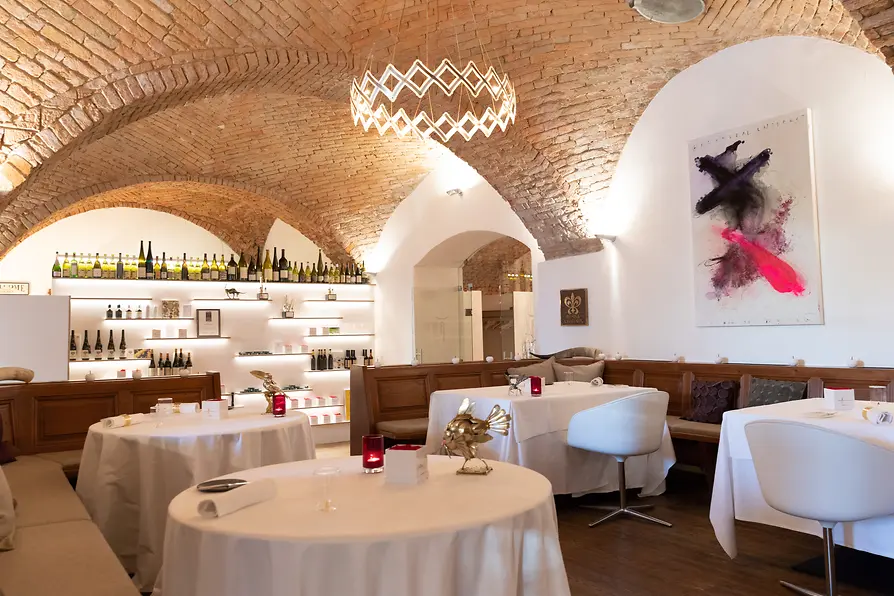
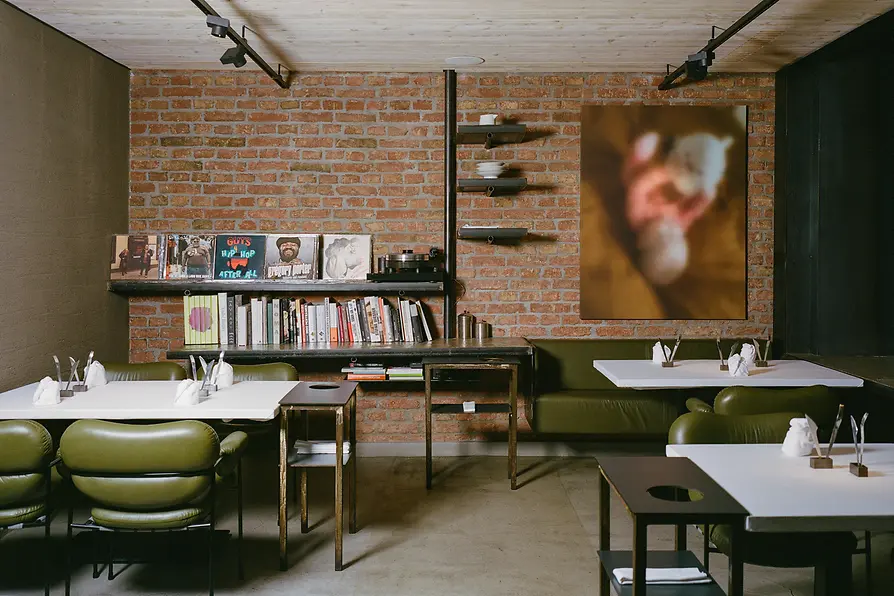
A prime example of this philosophy is MICHELIN-starred chef Heinz Reitbauer and his restaurant Steirereck, which currently holds three MICHELIN Guide stars and has featured for many years on the World’s 50 Best Restaurants list as the top restaurant in the German-speaking world. Reitbauer knows the history and recipes of Viennese cuisine like few others – he owns one of the largest collections of historic cookbooks. He and his team like to draw inspiration from old dishes and recipes from Viennese cuisine, interpreting them in a completely new way using innovative techniques. At Steirereck, even almost forgotten local fruits and vegetables are showcased in a characterful way. In the cold season, the kitchen experiments extensively with winter vegetables such as chicory varieties, cabbage, and a wide selection of beets. Every supplier of regional produce is carefully selected, and much of it comes from the restaurant’s own farm in Styria. Herbs are grown in the rooftop garden, and unusual citrus fruits are sourced from the citrus collection at Schönbrunn Palace.
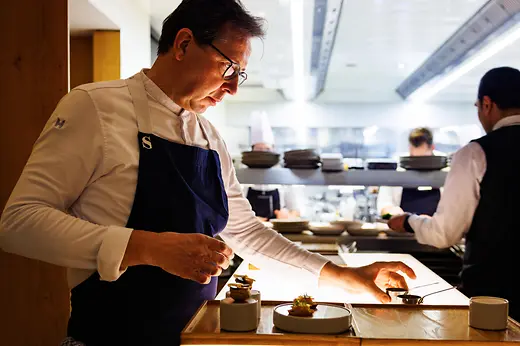
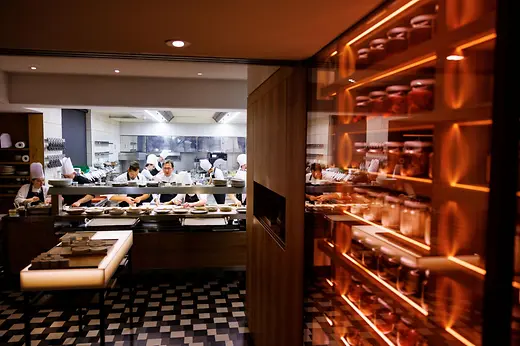
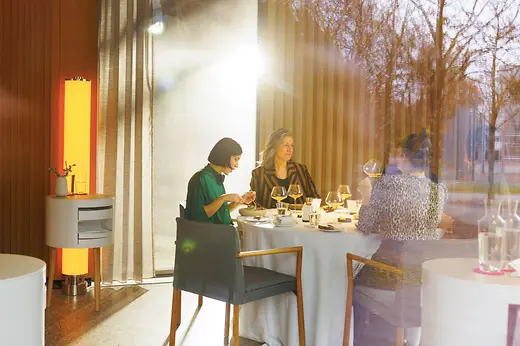
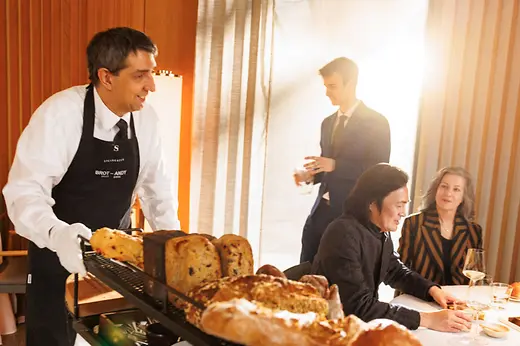
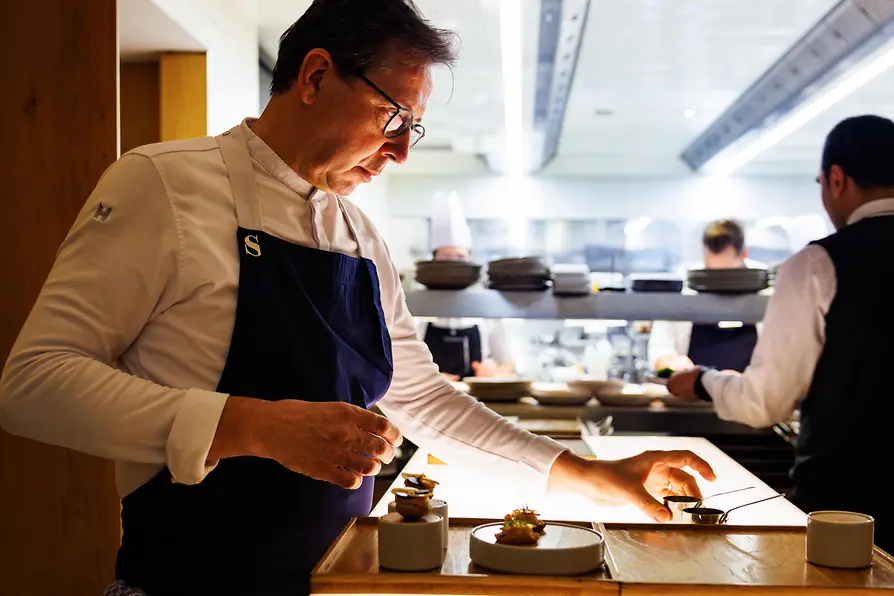
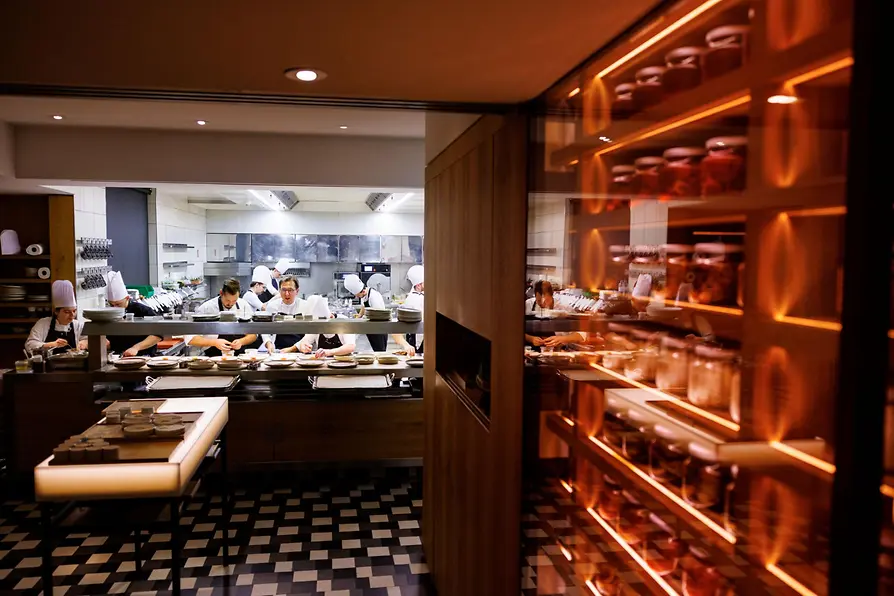
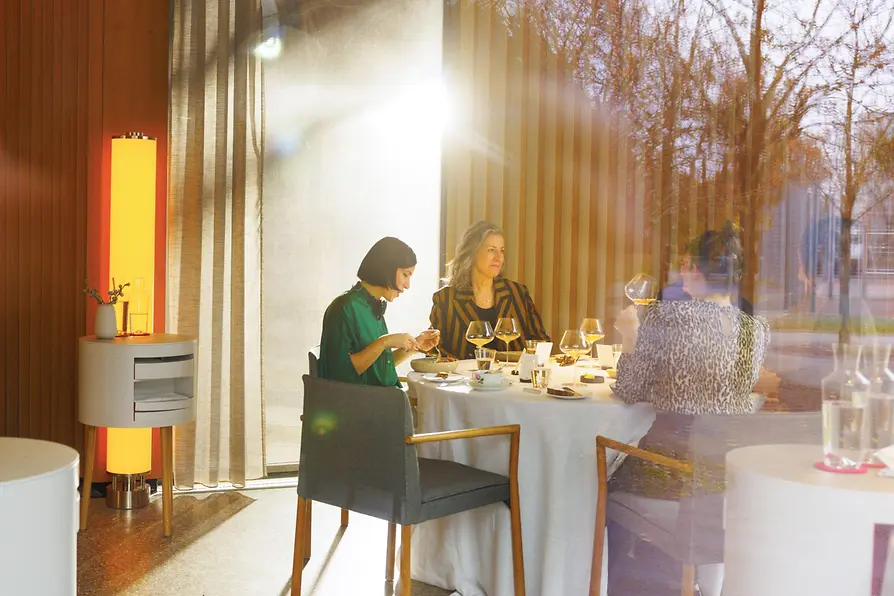
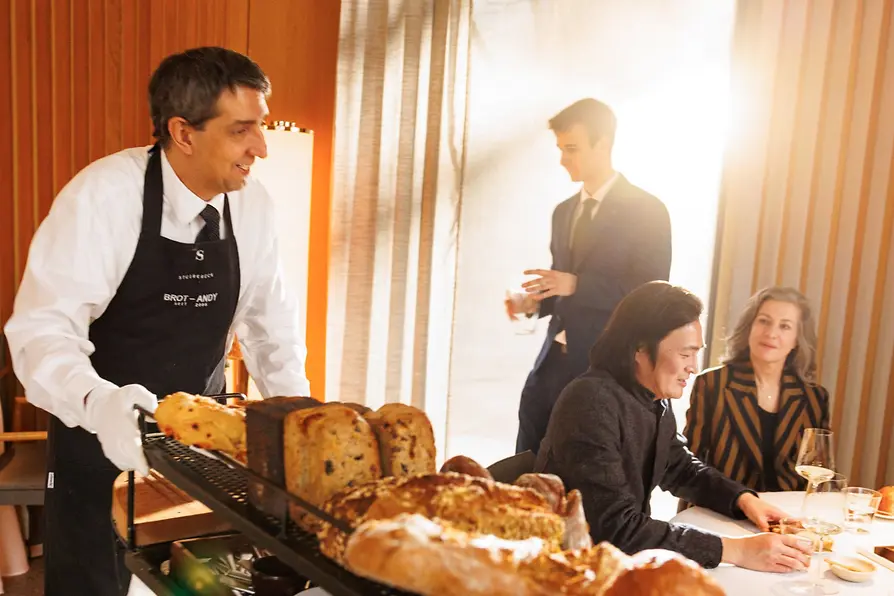
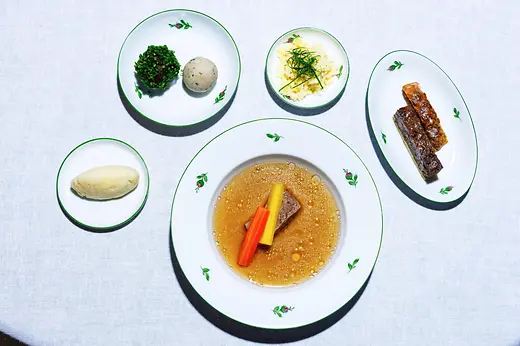
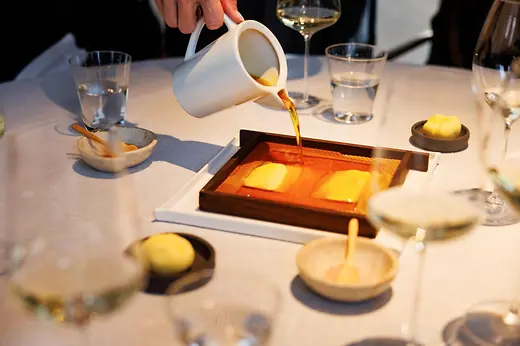
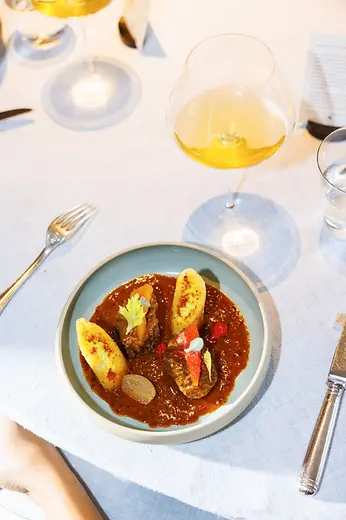
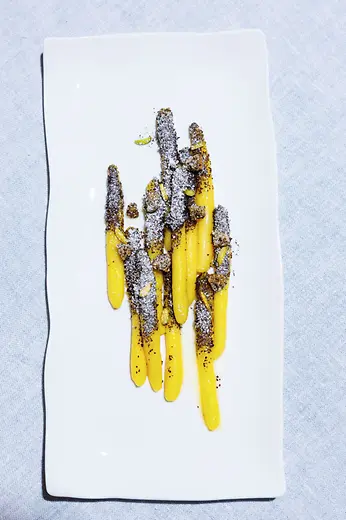
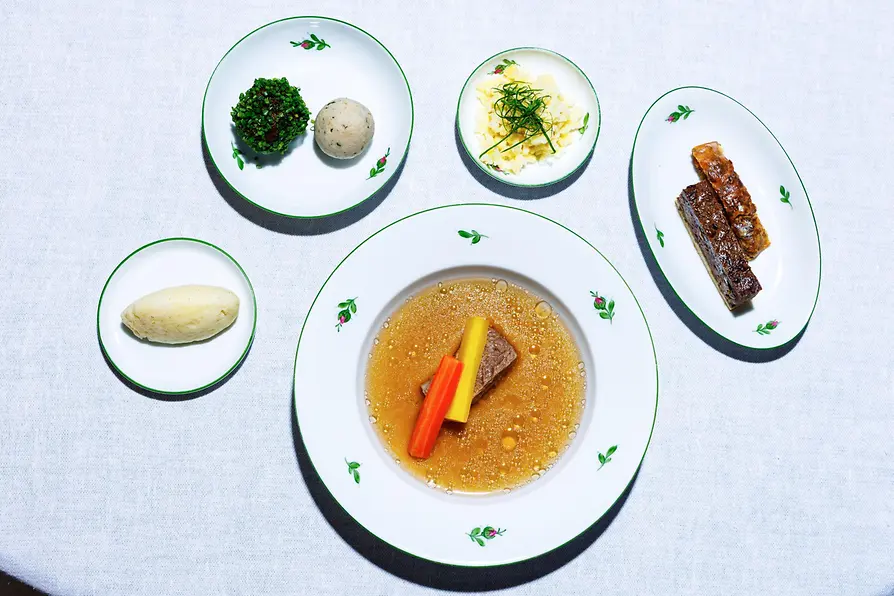
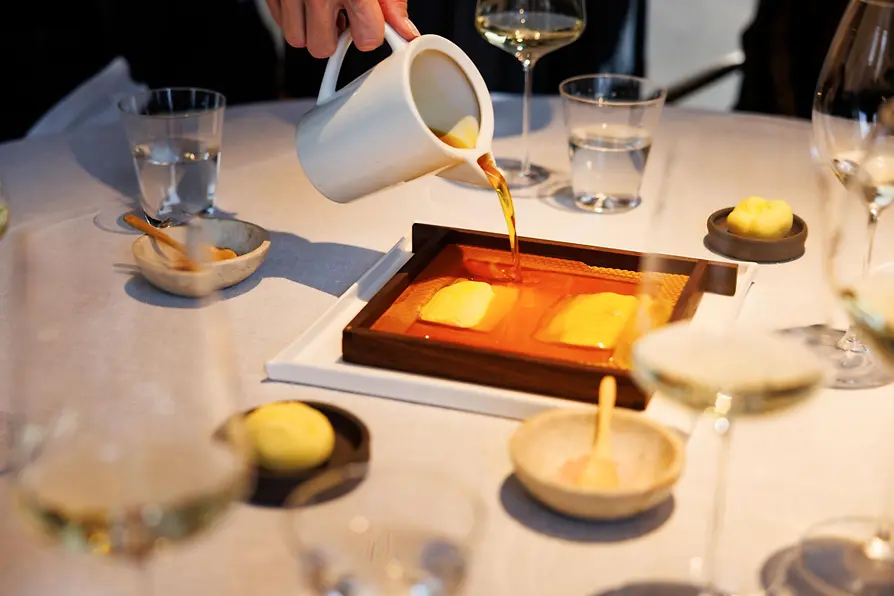
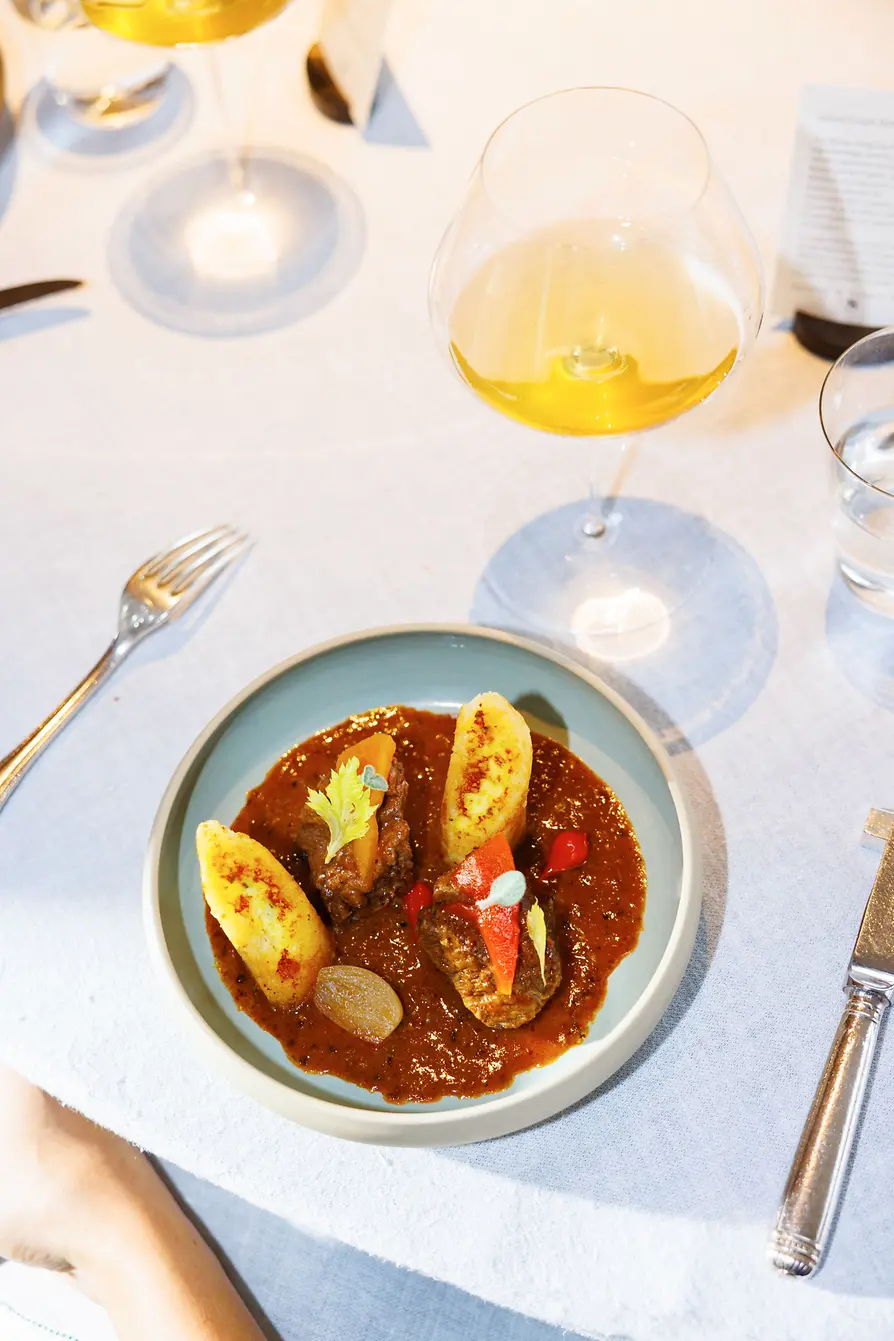
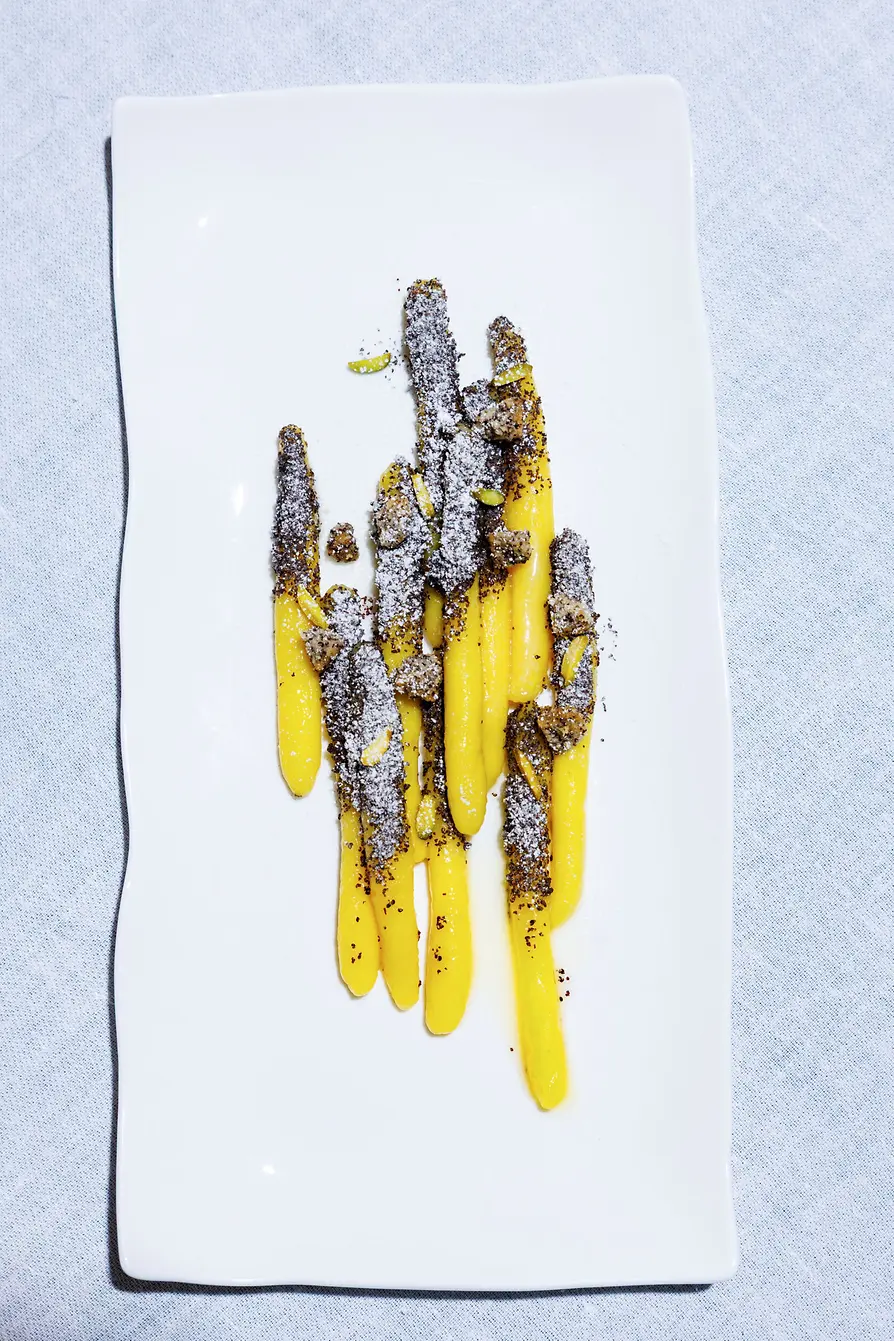
The restaurant celebrates the tradition of Viennese cuisine with dishes such as old Viennese Hochzeitssuppe (‘wedding soup’) and Steirereck goulash. Offal, the supreme discipline of Viennese cuisine, is also a major item on the menu at Steirereck. It takes considerable skill to turn offal into delicacies. The Steirereck menu therefore also includes offal dishes such as sweetbreads, veal kidneys, and veal tripe. And when a diner orders poppy seed noodles for dessert at Steirereck, this sweet dish is also served with a modern twist. And let’s not forget the signature dish: char in beeswax. Even though it is not a dish from Viennese cuisine, the char still deserves a mention. Warm beeswax is poured over it right at the table in front of the diners. As the wax hardens, the char is gently cooked through. Once it is ready, the waiter takes it back to the kitchen, where it is finished and prepared for serving.
Deconstructing Viennese classics at Amador
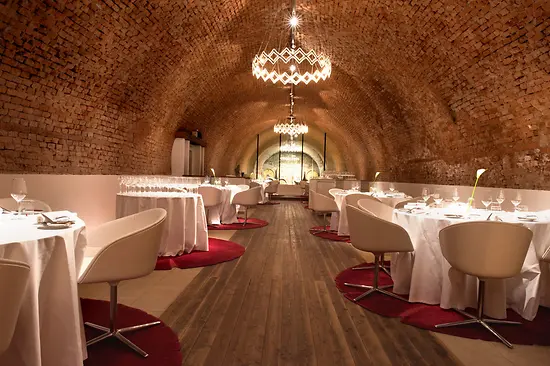
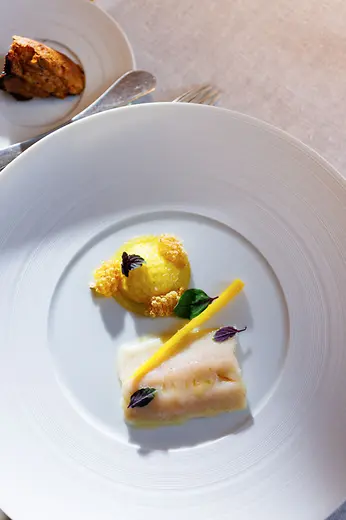
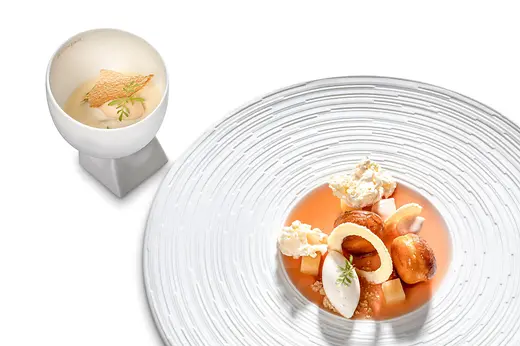
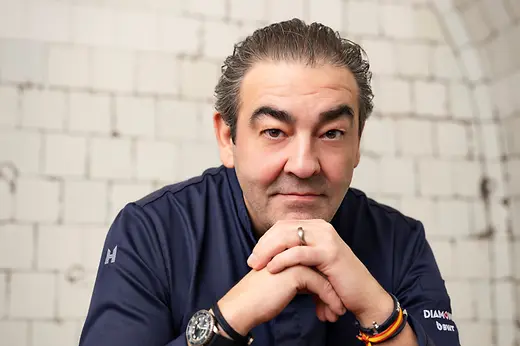
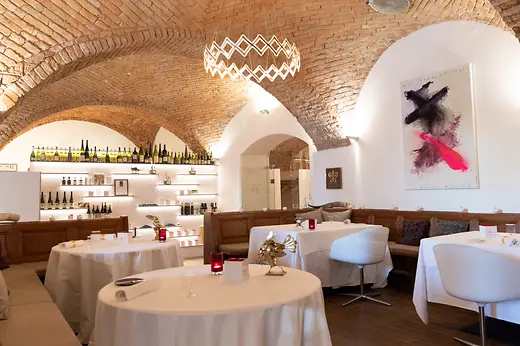
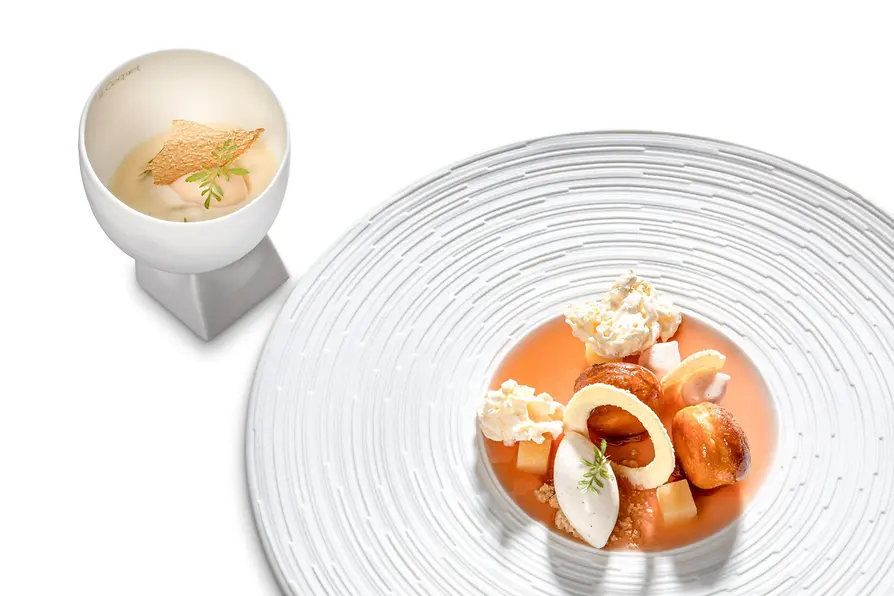
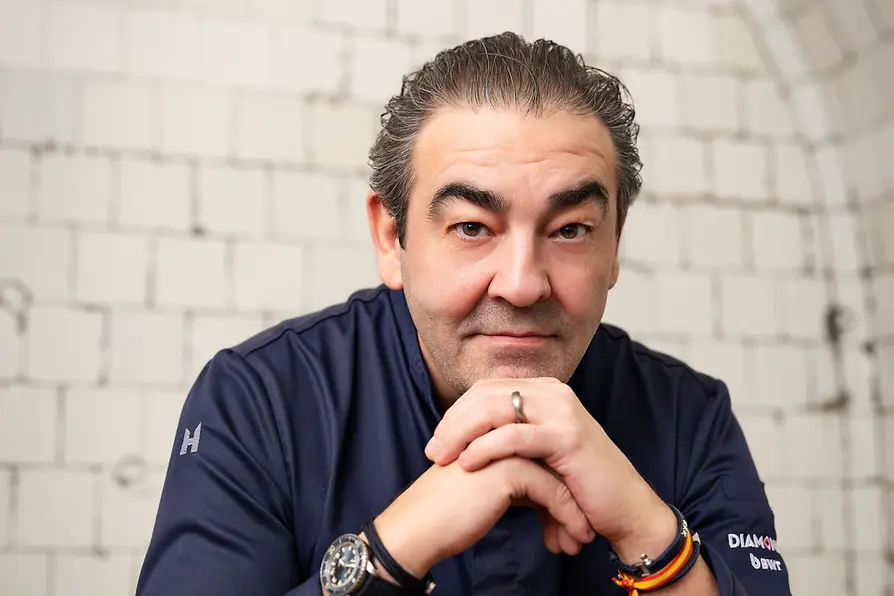
In 2016, the successful German MICHELIN-starred chef Juan Amador opened his restaurant in Vienna, earning three MICHELIN stars here in a very short time. From a culinary perspective, Amador has always had an international focus, with many influences from his Spanish roots. He is known for his craftsmanship and precision – his dishes are almost works of art. Over time, Amador also began to explore his new home, Vienna. His Tafelspitz 2.0 could almost be described as a signature dish – essentially a deconstructed Tafelspitz. Offal such as veal sweetbreads is also served at Juan Amador – currently, veal sweetbreads with scallop, Jerusalem artichoke, and truffle are on the menu. And it wouldn’t be Vienna if we didn’t mention the desserts: Apfelstrudel 2.0 is a deconstruction of a classic. Without raisins, mind you.
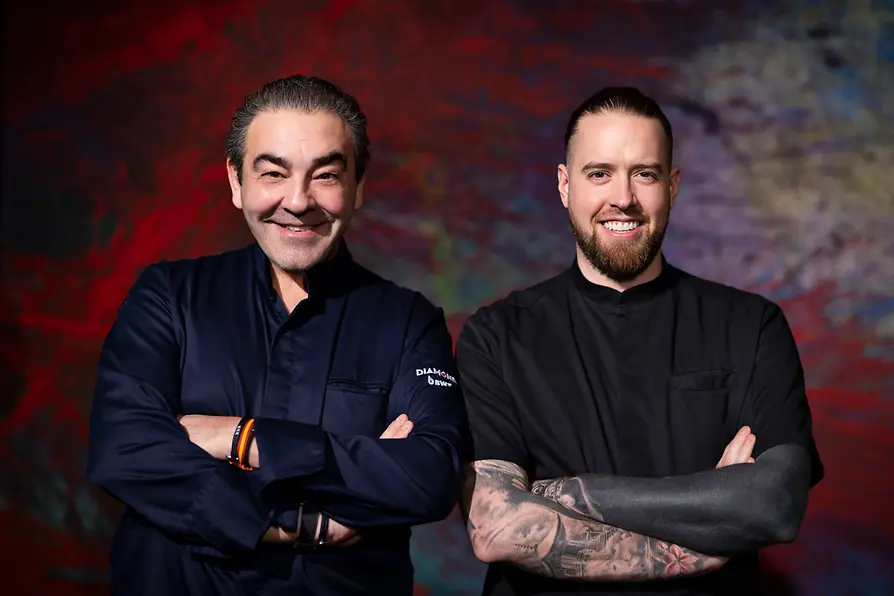
Plenty of fun and provocation at Mraz & Sohn
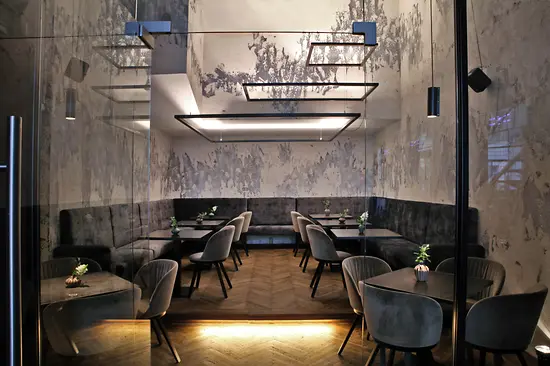
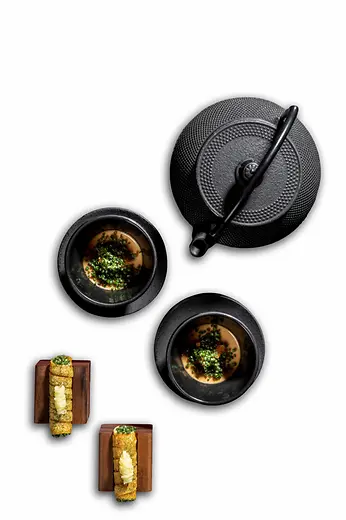
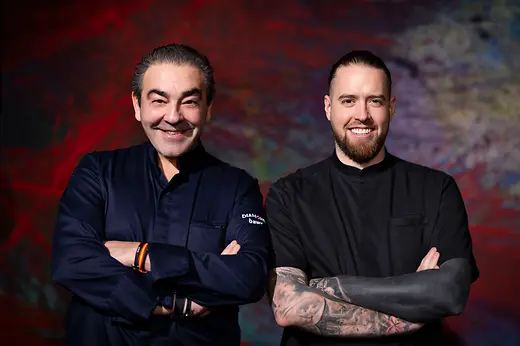
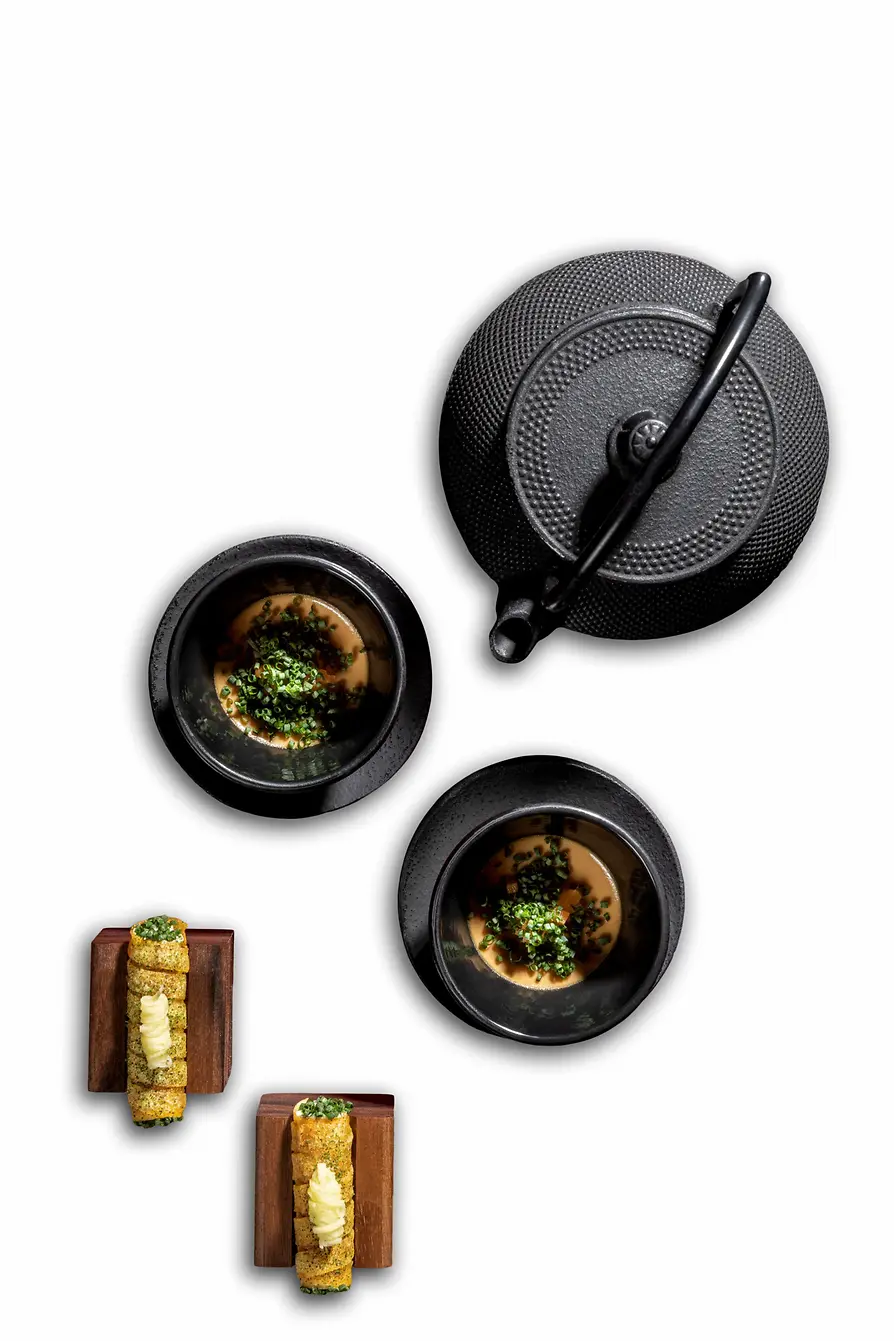
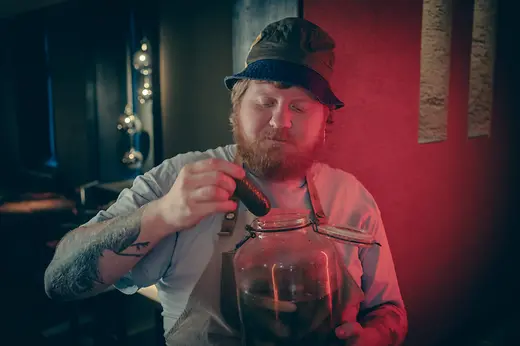
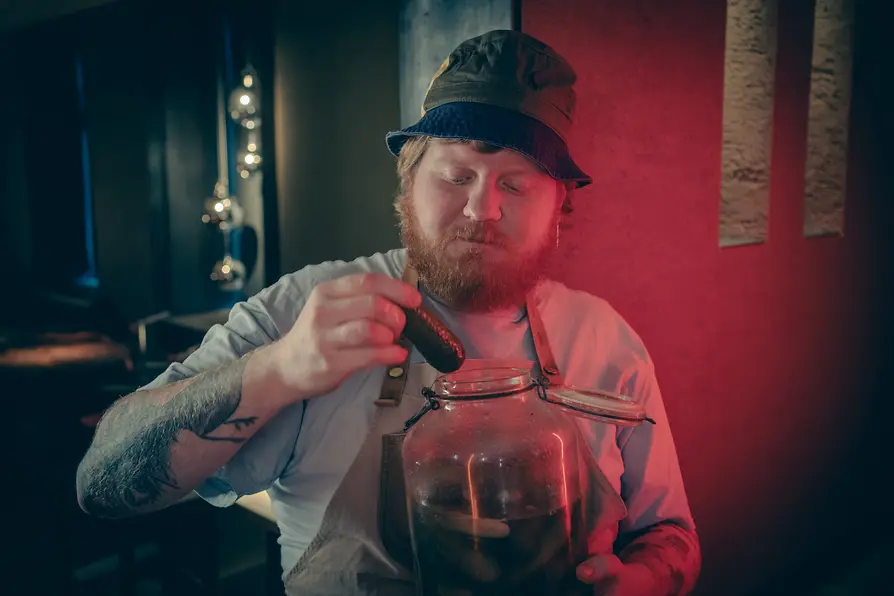
Diners will experience a change of pace at the MICHELIN-starred restaurant Mraz & Sohn. Head chef Lukas Mraz hosts our YouTube video series “Hungry for more Vienna” and is often regarded in the industry as an enfant terrible. As one of the members of the iconic Healthy Boy Band, a group of three top Austrian chefs, he’s one of the young rebels who are shaking up the traditional culinary world. Anyone who dines at Mraz & Sohn quickly notices that, alongside flavor, fun and provocation are not in short supply here either. Lukas Mraz shows his guests the ingredients used in his cooking in a supermarket shopping cart. Father and son play with Viennese traditions in the kitchen, drawing inspiration from tavern chefs, grandparents, chicken roasters, and kebab grillers. After all, that’s part of Vienna too. The menu regularly features dishes based on Viennese traditions, but they are mixed up boldly or interpreted with international influences, such as Beuschel à la ceviche, fried fish with cucumber salad, and Korean-style chanterelle goulash. As an appetizer, they might serve Salzstangerl (Austrian salt-stick rolls) filled with ham and cheese. When it comes to desserts, the Mraz father-and-son team also focuses on modern interpretations of classics: sponge cake roll, custard slice, Topfengolatsche (quark cheese Danish), doughnuts filled with coffee and figs, and chestnut-rice ice cream all give a nod to Viennese cuisine. The kitchen’s style breaks boundaries, and dishes are plated on avant-garde ceramics, for example by ceramic artist Onka Allmayer-Beck. Lukas Mraz himself has a strong fondness for Viennese cuisine, while also saying:
"Viennese cuisine is one of the most difficult and elaborate cuisines to cook."
- Am Heumarkt 2a, 1030 Wien
- www.steirereck.at
- wien@steirereck.at
Opening times
- Mo - Fr, 11:30 - 16:00
- Mo - Fr, 18:30 - 00:00
Accessibility
no steps (Double swinging doors 220 cm wide)
Assistance dogs allowed
Accessible toilet
- Grinzingerstraße 86, 1190 Wien
- www.restaurant-amador.com
- reservation@restaurant-amador.com
Opening times
- We - Sa, 18:30 - 00:00
- Wallensteinstraße 59, 1200 Wien
- www.mrazundsohn.at
Opening times
- Mo - Fr, 19:00 - 00:00