Horticultural Flourish
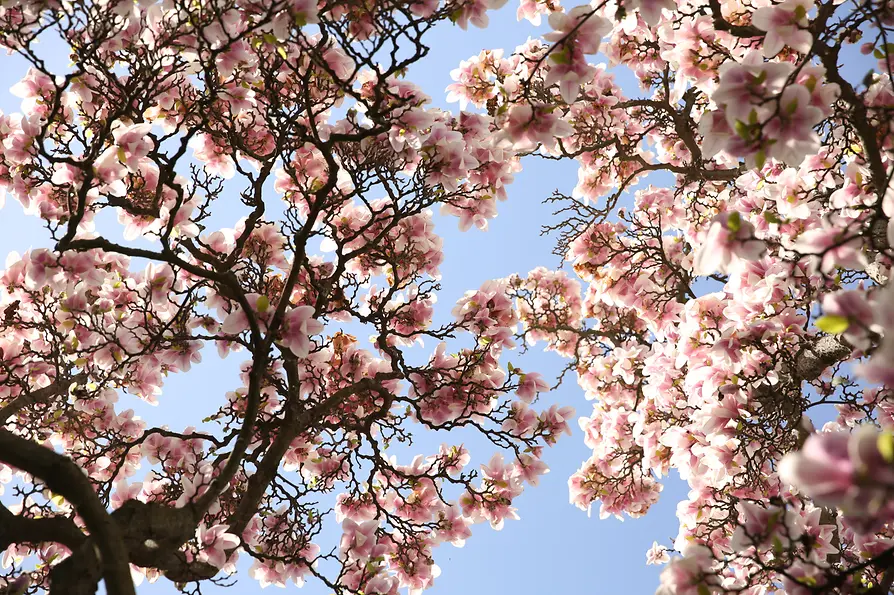
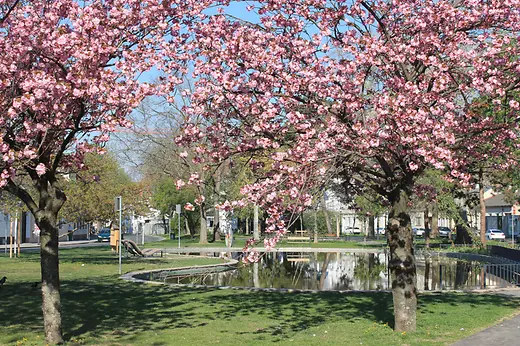
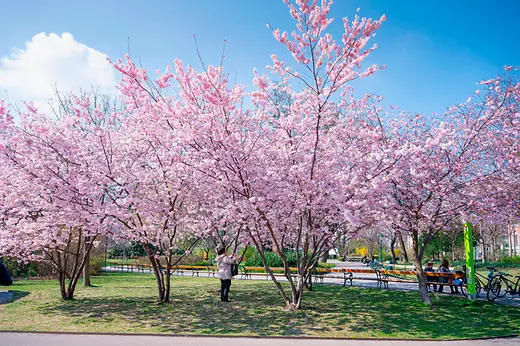
Famous for their delicately fragrant pale-pink blossoms, Japanese cherry trees also stage quite the spectacle in Vienna each spring. Barely out of their protective brown cases, Sakura, the Japanese cherry blossoms, burst into flower for just a few days in April. The fleeting picture they paint in this time could scarcely be any more romantic. Even the falling petals create a sight to behold, with the tender grass shoots beneath the trees soon carpeted in a layer of delicate flowers. In Japan, watching this fascinating natural phenomenon – known as Hanami – unfold is a centuries-old tradition.

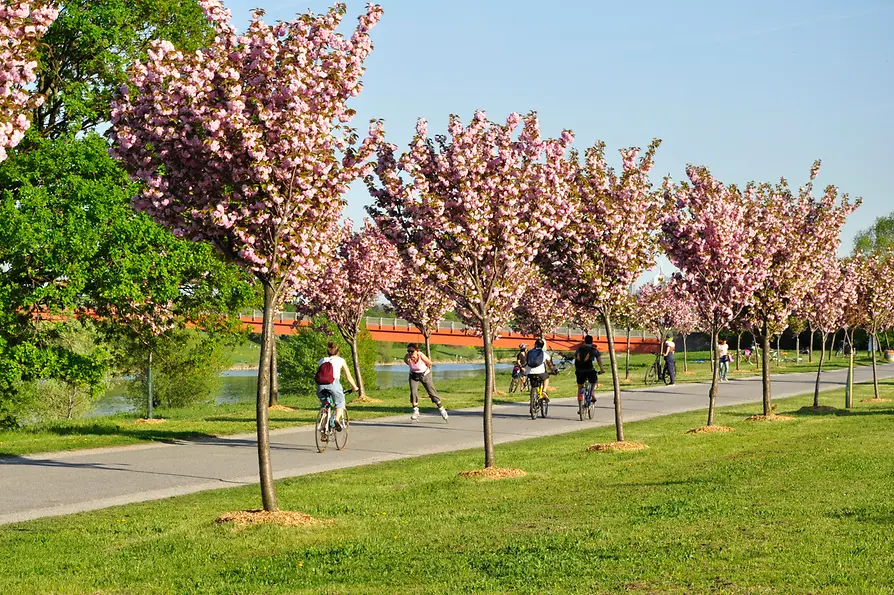
Vienna has its very own Sakura Park on the Danube Island: the idyllic cherry tree grove was a gift from Japan presented to Austria to mark its millennial anniversary in 1996. But the history of Japanese-Austrian cultural exchange goes back further than that: in 1873, Japan participated in a World’s Fair for the first time, which just happened to be held in Vienna. At that time, no expense was spared and no lengths were too great to go to – a Japanese garden was even created on the exhibition grounds from scratch. While virtually nothing of the exhibition site remains, relations between the two nations are thriving.
Far Eastern Garden Design up Close
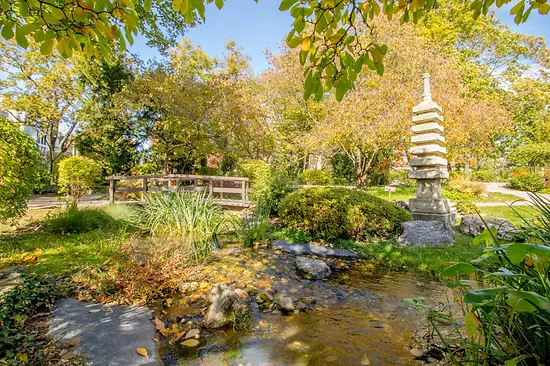
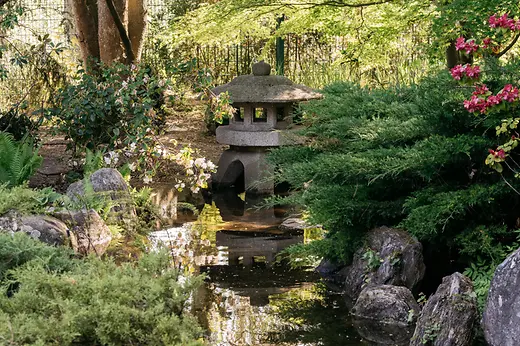
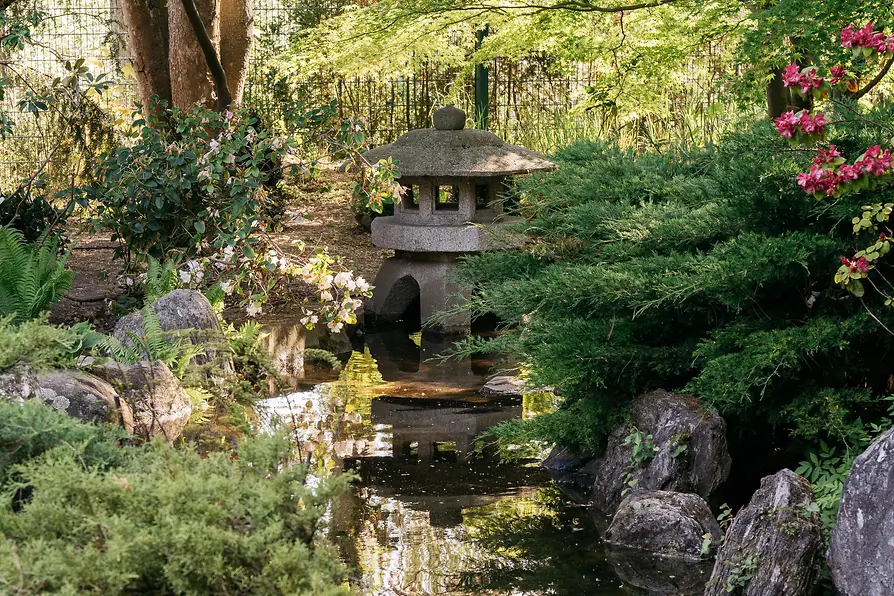
Nothing is left to chance in Japanese gardens; they stand for Far Eastern garden art in Vienna. Each plant is selected according to aesthetic considerations: in its perfect form, a Japanese garden creates a work of art to be savored with all the senses. This applies to things like the sound of gravel crunching underfoot, and not just the arrangement of the plants.
A trip to the Setagaya Park in the nineteenth district is like visiting the Land of the Rising Sun. Especially in April, when cherry blossom season transforms the 4,000-square-meter facility with its spring pools, pagodas and bamboo fences into a sea of white and pink. Incidentally, the name of the park comes from the nineteenth district of Döbling’s twin in Tokyo – the ward of Setagaya.
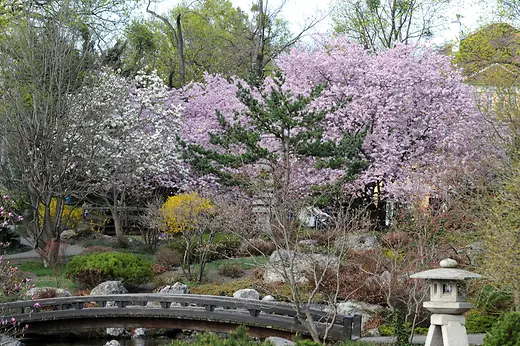
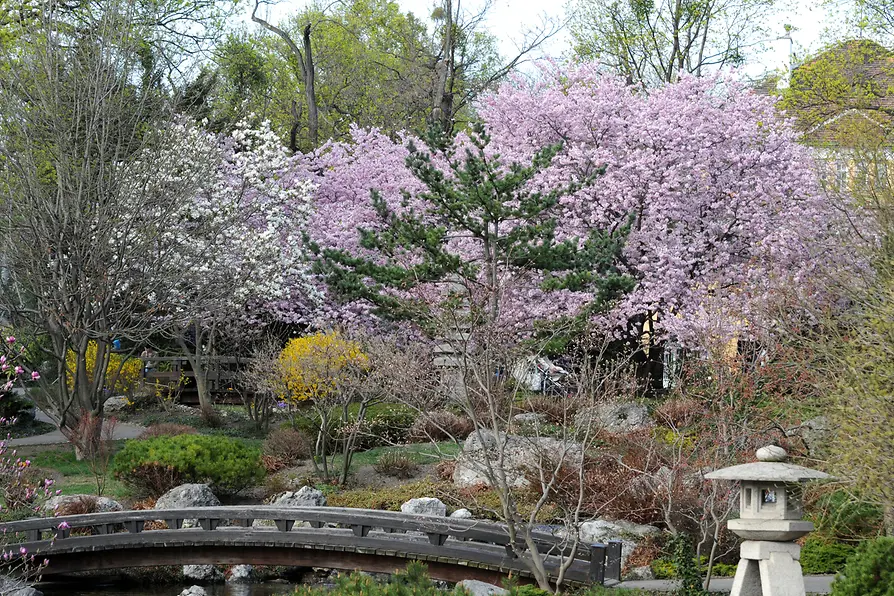
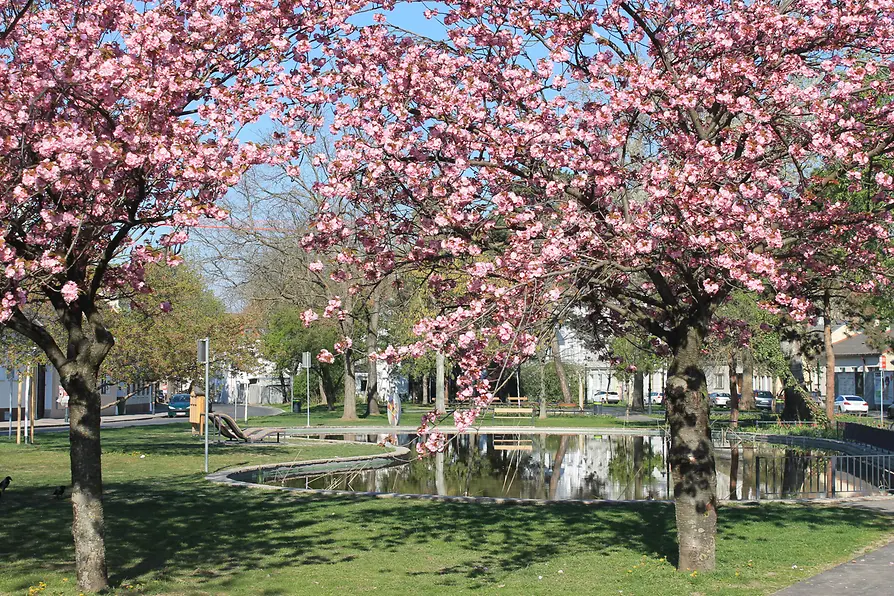
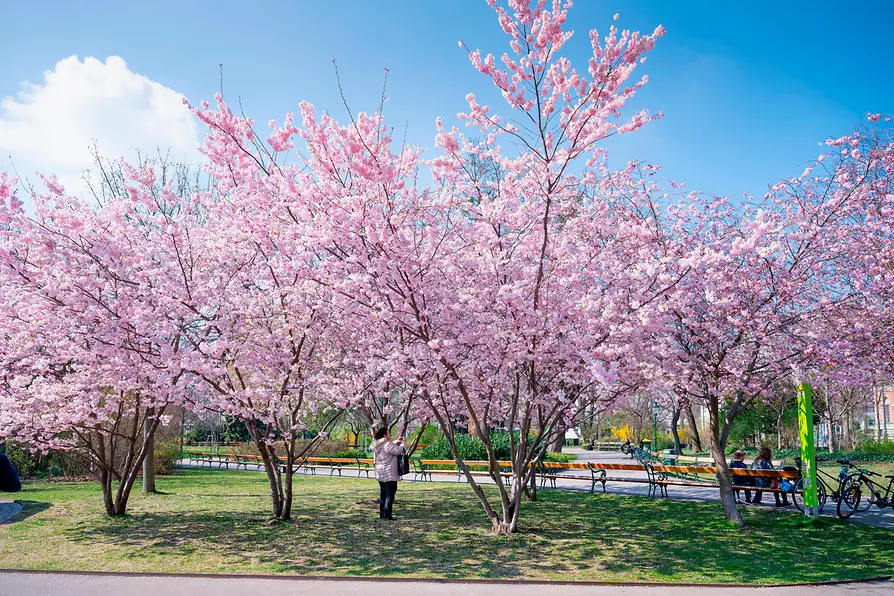
Somewhat smaller but no less idyllic is the Takasaki Park at Kurpark Oberlaa. Laid out according to plans drawn up by the architect Kinsaku Nakane, the original garden – subsequently removed – was Japan’s contribution to the Vienna International Garden Show in 1974. However, the city of Takasaki lobbied to have it reinstated, and its efforts were rewarded in the 1990s.
Quiet Reflection and Spring Scents
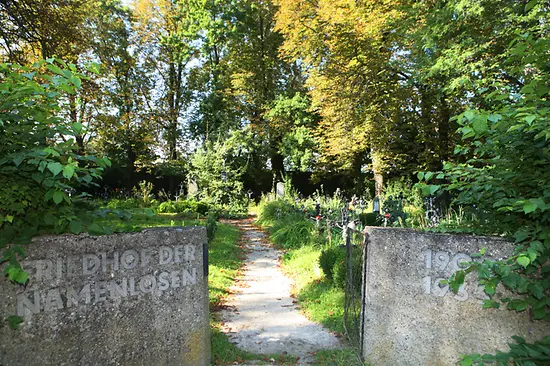
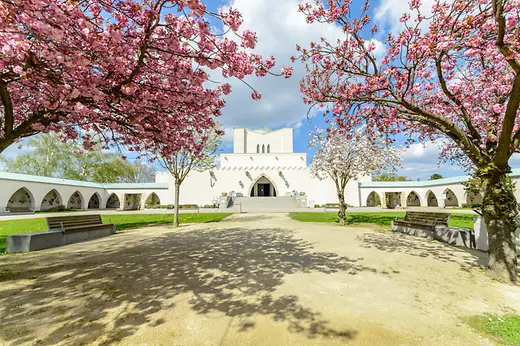
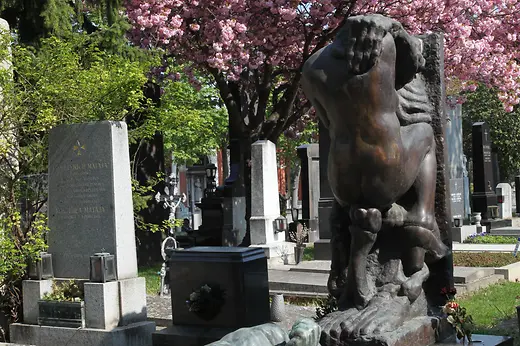
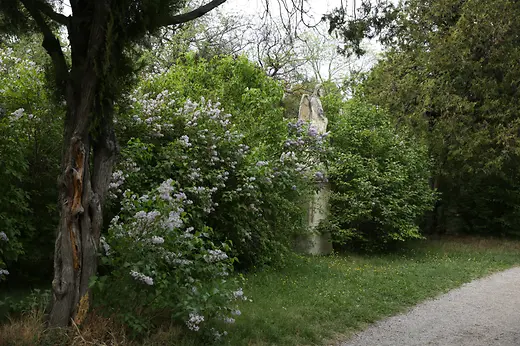
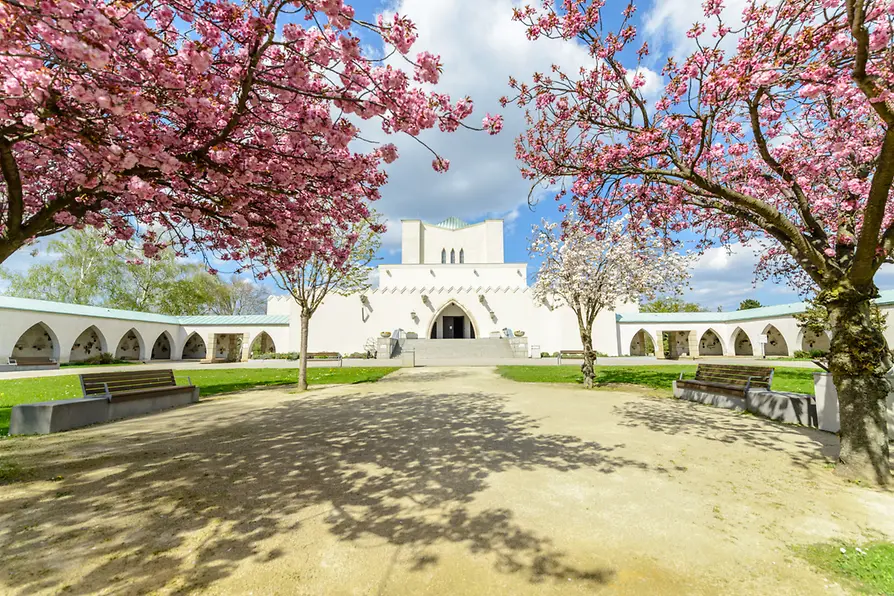
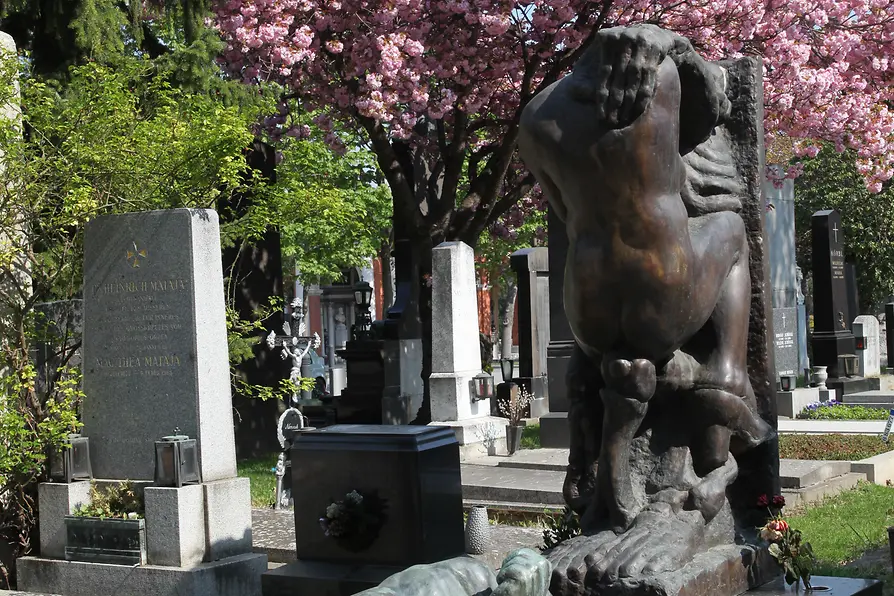
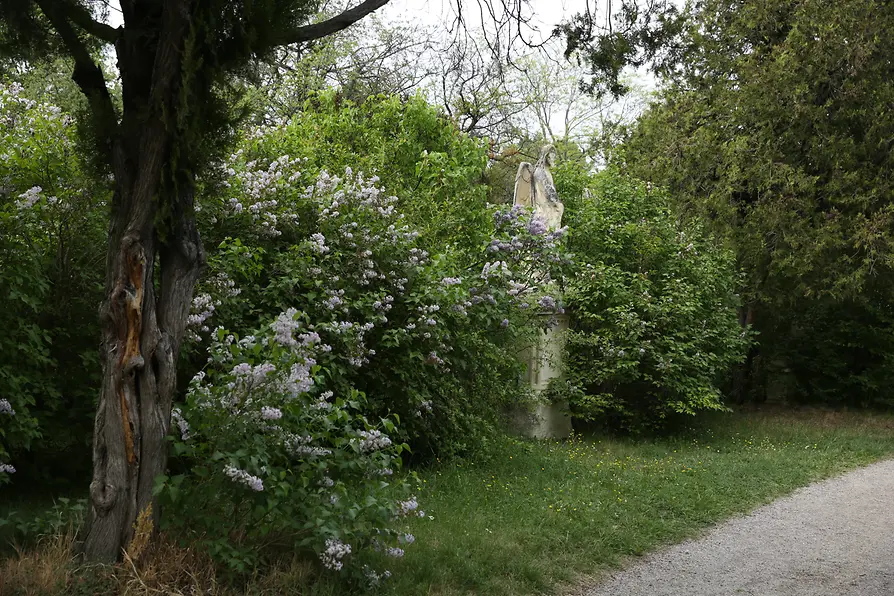
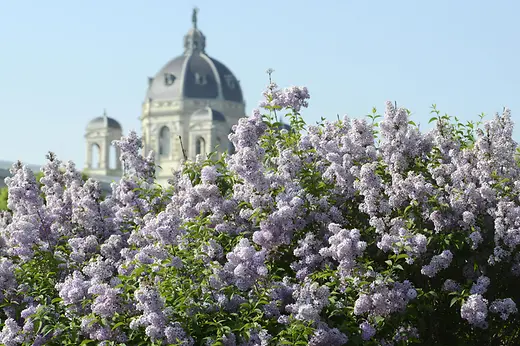
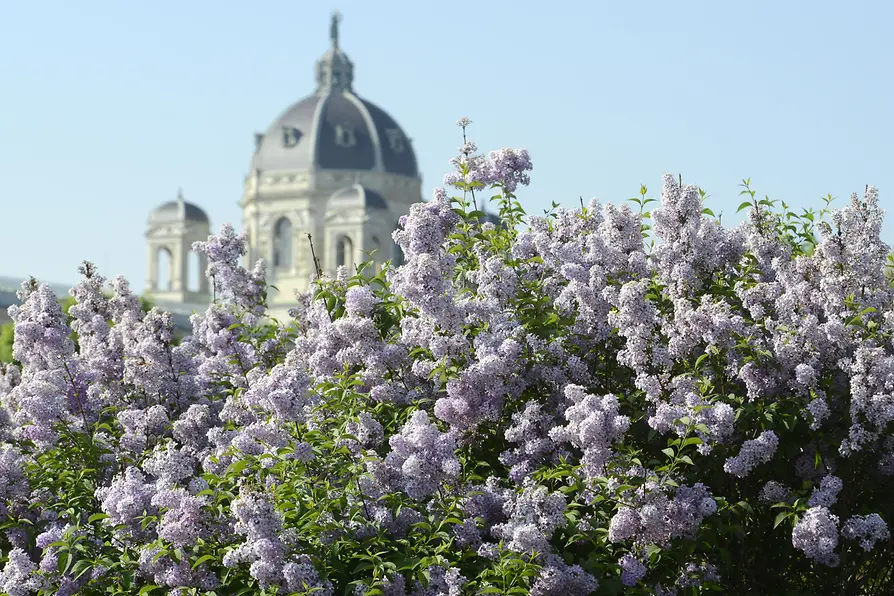
St. Marx Cemetery provides an unexpected treat for the senses when it comes into bloom in the spring. Lilac grows here cheek by jowl in its full blooming splendor from April to May and gives the gravestones of the Biedermeier cemetery a flair that is simultaneously macabre and romantic, as is the Central Cemetery – true secret tips for peace-seekers.
Vienna in Bloom
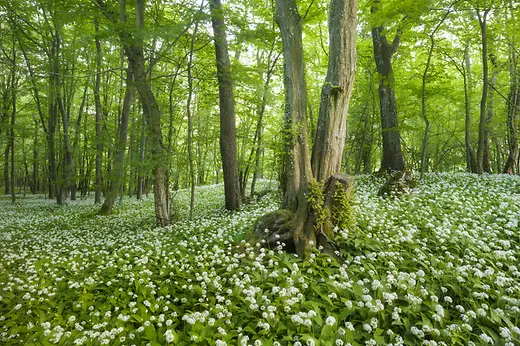
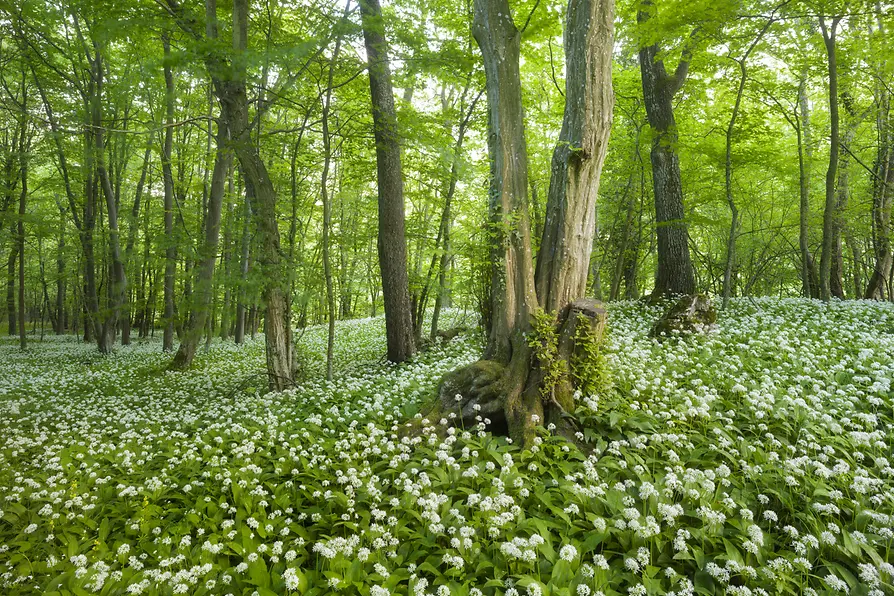
Taking a walk through Vienna’s Prater park is an absolute must in spring, when the 2,500 or so chestnut trees that line the four-and-a-half-kilometer-long Hauptallee simultaneously erupt into flower. Wild garlic, a well-known herald of spring, grows here in abundance and is a ubiquitous sight on the capital’s menus at this time. But as soon as the white flowers emerge, the plant is no longer edible and should simply be admired for its looks instead.
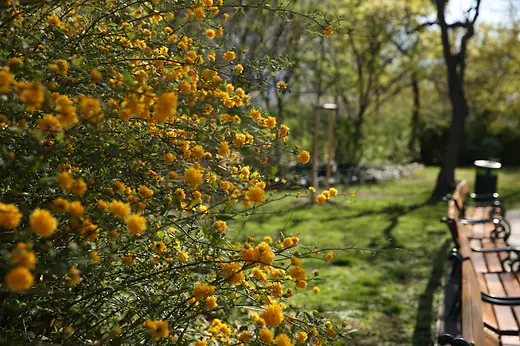
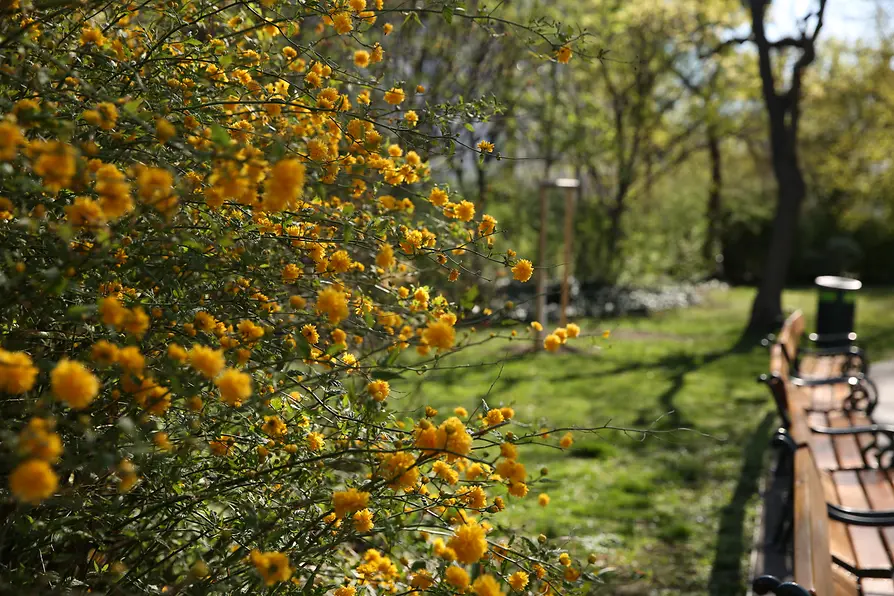
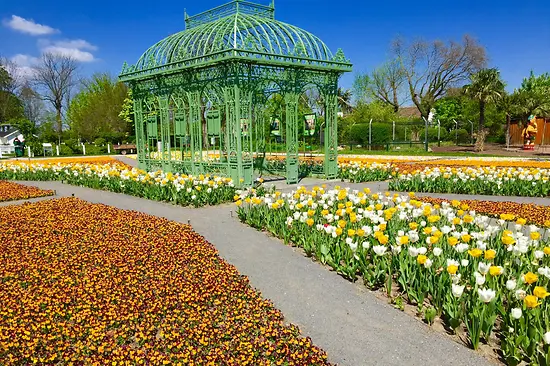
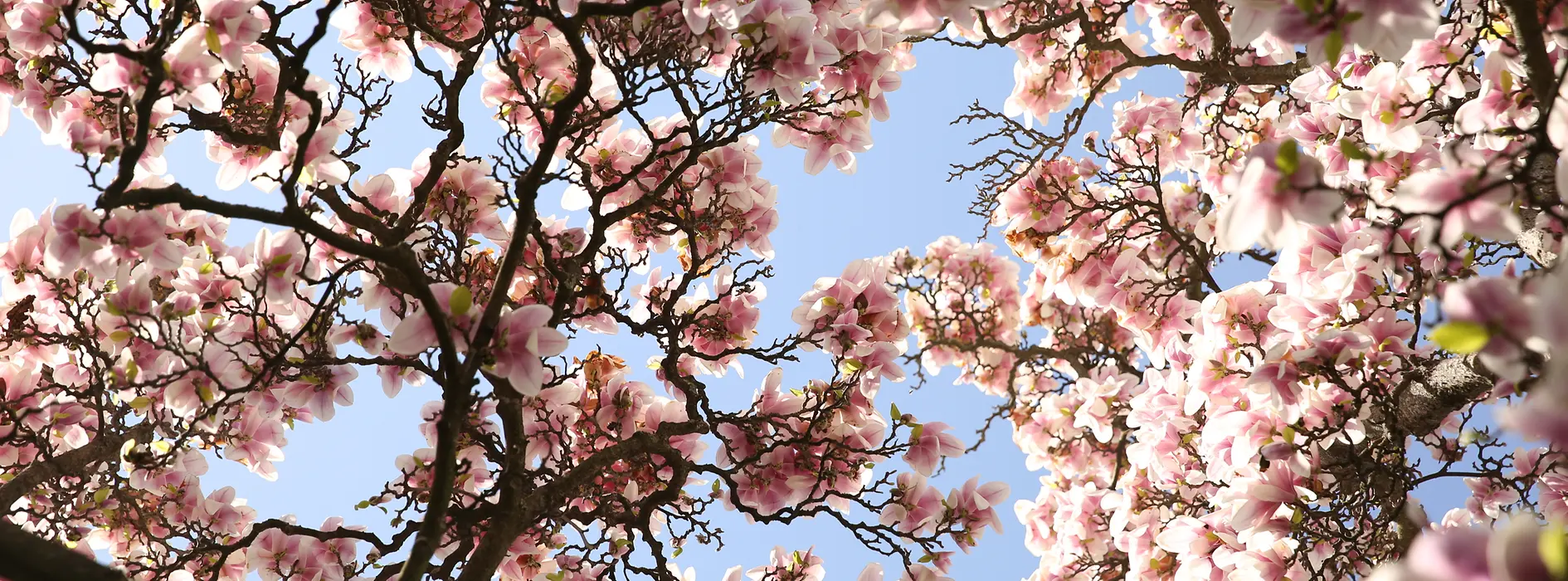
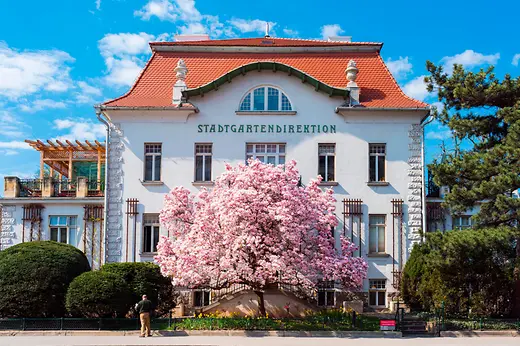
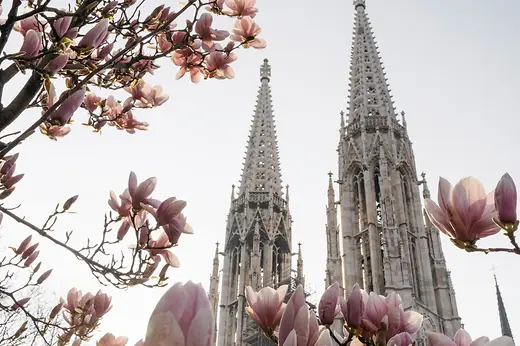
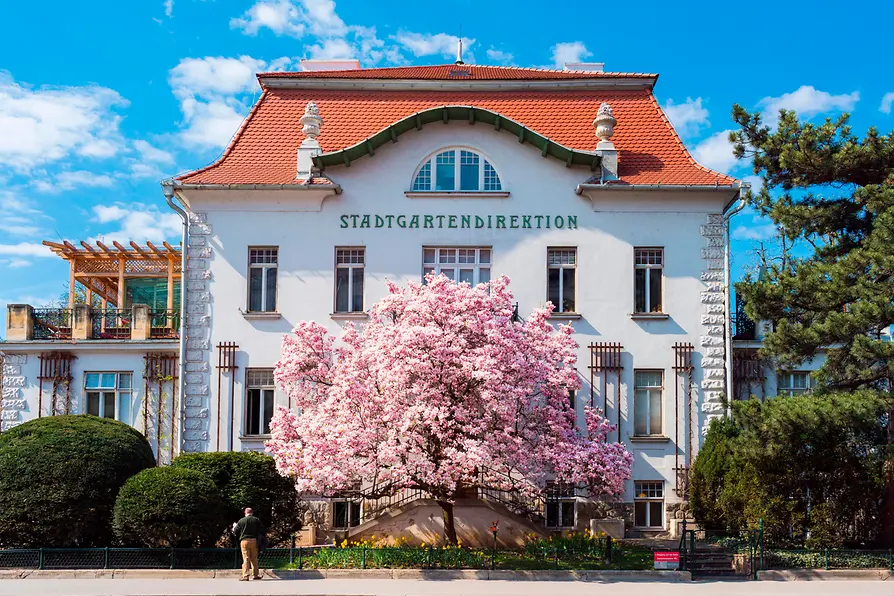
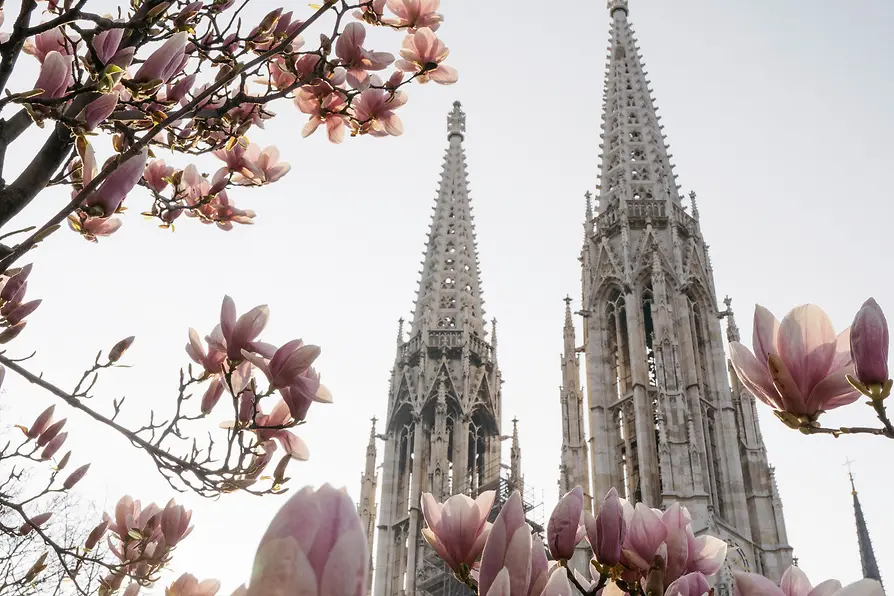
Stadtpark is also bursting with flowering trees, ornamental shrubs and flowers arranged in formal beds – here, their queen, the magnolia, sets the tone. Probably the most famous magnolia trees are located in front of the parks and gardens office in Stadtpark and in front of the Votivkirche church where they ring in the spring and provide a popular photo op, not just for visitors to the city.
Text: Rosi Dorudi & Karoline Knezevic
- Donauinsel, 1210 Wien
- www.kirschenhain.at
- Hohe Warte 8, 1190 Wien
- Setagayapark
- Kurbadstraße 10, 1100 Wien
- www.wien.gv.at
- post@ma42.wien.gv.at
- Karl-Seidl-Park, 1210 Wien
- www.wien.gv.at
- Leberstraße 6-8, 1030 Wien
- www.wien.gv.at
Opening times
- October - March daily, 06:30 - 18:30
- April - September daily, 06:30 - 20:00
Accessibility
Door 76 cm wide
Assistance dogs allowed
Gravel path to Mozart's tomb.
- Prater, 1020 Wien
- www.wien.gv.at
Accessibility
Parking spaces for people with disabilities
at Riesenrad (Giant Ferris Wheel) and Schweizerhaus (1.-Mai-Strasse)
Accessible toilet
Wheelchair-accessible restrooms: Messegelände / Parkplatz, 1.-Mai-Strasse (in the middle), Calafattiplatz.
- Stadtpark, Parkring, 1010 Wien
- www.wien.gv.at
- post@ma42.wien.gv.at
- Straße des 8. Mai, 1090 Wien
- www.votivkirche.at
- office@votivkirche.at
Opening times
- Tu, 10:00 - 16:00
- We, 10:00 - 16:00
- Th, 10:00 - 16:00
- Fr, 10:00 - 16:00
- Sa, 11:00 - 19:00
- Su, 09:00 - 13:00
- an kirchlichen Feiertagen 09:00 - 13:00
Museum with Antwerp Altarpiece:
Tue - Fri 13:00 - 15:00
Sat 14:00 - 17:00
Accessibility
9 Steps
no steps (Double swinging doors 80 cm wide)
Ramp 1300 cm long, 170 cm wide, 20 cm high
The museum is accessible via a spiral staircase and is not barrier-free.