Grand Insights
It is thanks to a keen eye for art and a passion for collecting during the monarchy that Vienna is home to so many world-class collections today. But the institutions founded to look after them back then are not simply caught in the amber of the past; they are fundamentally reimagining what a museum can – and should – be. Today, within these extraordinary historic walls, old stories are being told in entirely new ways. Five institutions stand as prime examples of Vienna’s many hidden gems that are well worth a visit beyond the famous heavyweights – for anyone looking for something outside the obvious and eager to experience new facets of the city. All five of them were founded during the Habsburg reign and have been completely refurbished in recent years. A glimpse behind their grand facades.
Austrian Museum of Folk Life and Folk Art
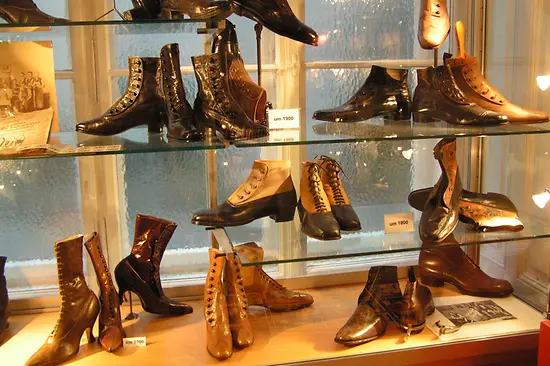
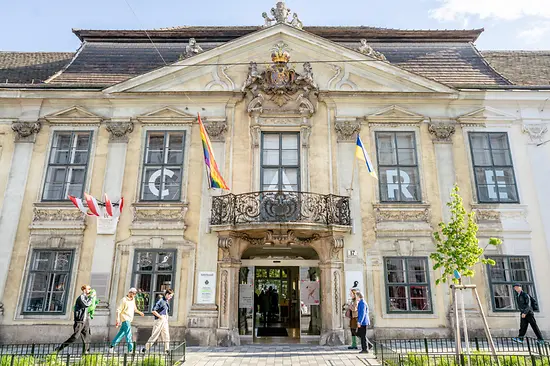
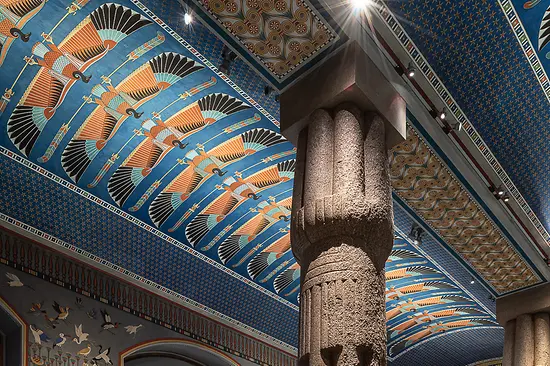
Imperial grandeur can be found around every corner in Vienna. Thanks in no small measure to the city’s dense concentration of magnificent palaces. Anyone with wealth and power during the monarchy took up residence in one. Today, roughly 200 remain in Vienna, serving as ministries, hotels, embassies, or indeed museums. In 1917, the so-called Volkskundemuseum Wien found its home in the Schönborn Garden Palace, a classic Baroque garden palace designed by star architect Johann Lucas von Hildebrandt, who also built the Belvedere Palace. Founded in 1895 as one of Europe’s oldest ethnographic museums, its mission was to document the multi-ethnic empire, with members of the House of Habsburg serving as patrons.
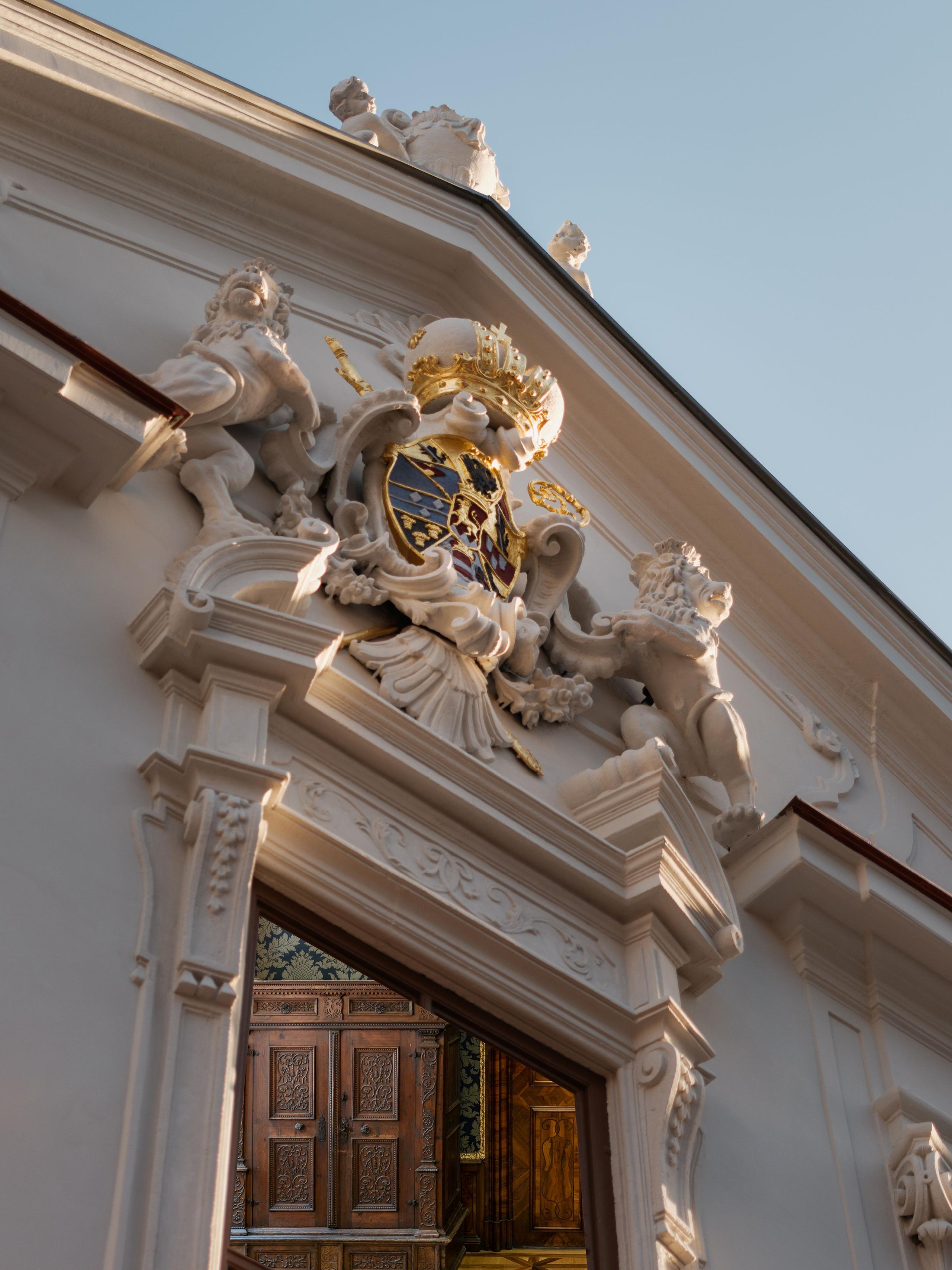
Today, it doubles up as both a museum and a scientific research institute. Closed for a top-to-toe restoration since 2025, the building will reopen in September 2027 with a new concept and name. As a contemporary museum that consciously avoids set-piece museum nostalgia, to bring fresh social relevance – and new life – to folk culture. Quality of stay is another top priority, featuring no-buy zones and a free main exhibition series with different thematic focuses. Don’t miss the cozy Hildebrandt Café with its outdoor area overlooking Schönborn Park.
Künstlerhaus
The Künstlerhaus on Karlsplatz is a true temple of culture. Under a single roof, Austria’s oldest artists’ association, the Albertina modern art museum, a Vienna State Opera performance venue, an arthouse cinema and a restaurant all coexist – without any single institution playing second fiddle to another. While it may be smaller than many of the monumental buildings along the Ringstrasse boulevard, this Neo-Renaissance structure is a genuine gem inside and out. Emperor Franz Joseph laid the keystone in 1868, marking the completion of the first “clubhouse” in the German-speaking world to be commissioned and built by an artists' association. The official body representing visual artists – which for a time included the great Gustav Klimt – moved into this palace on the banks of the (now covered) Wienfluss river.
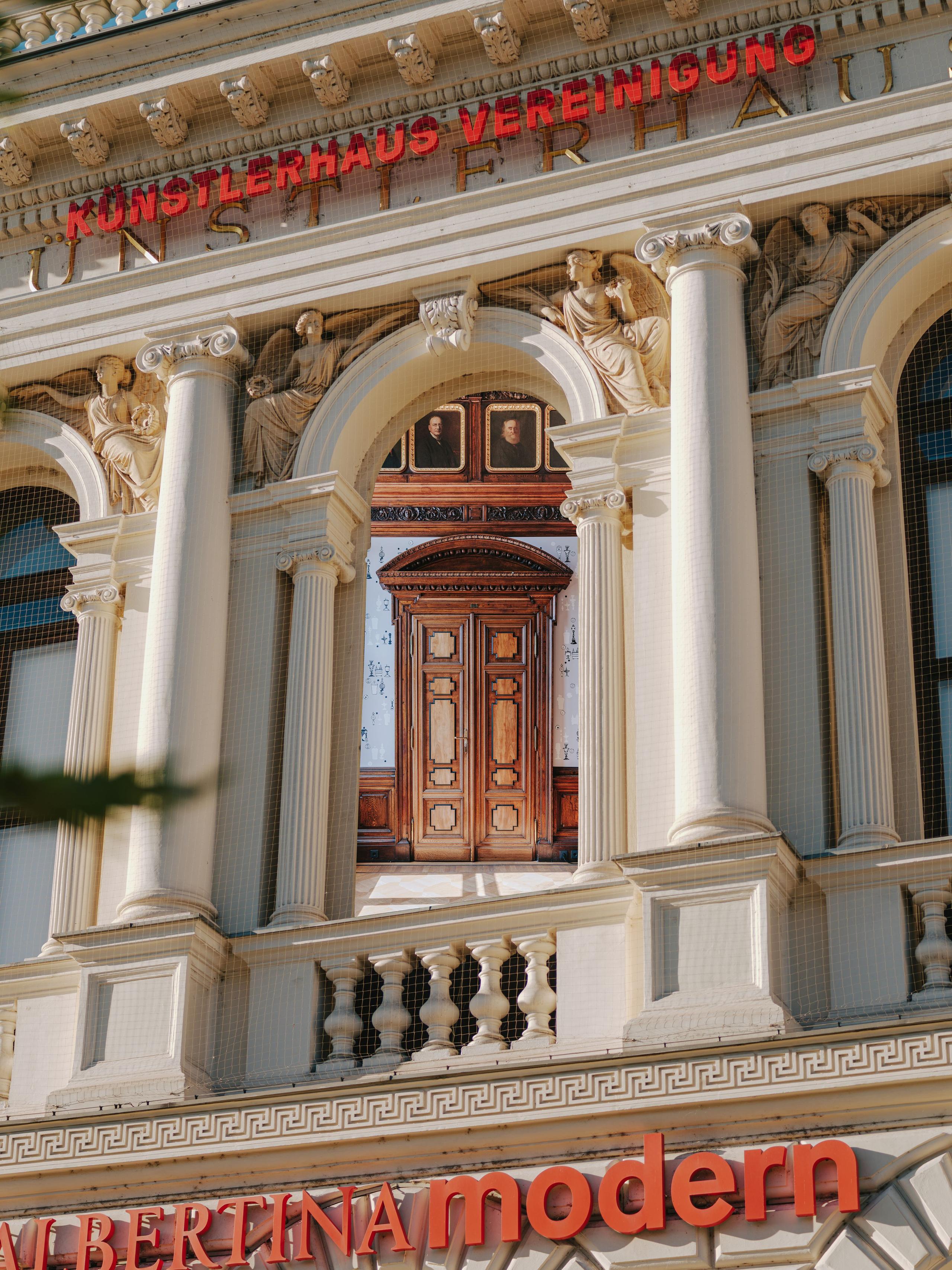
To this day, the Künstlerhaus Association is still run as an institution by its roughly 600 members. Contemporary art is showcased on the upper floor, featuring works both by members and external artists. The house deliberately steers clear of blockbuster exhibitions, choosing instead to address a variety of political and social questions such as the environment, diversity and religion.
Academy of Fine Arts
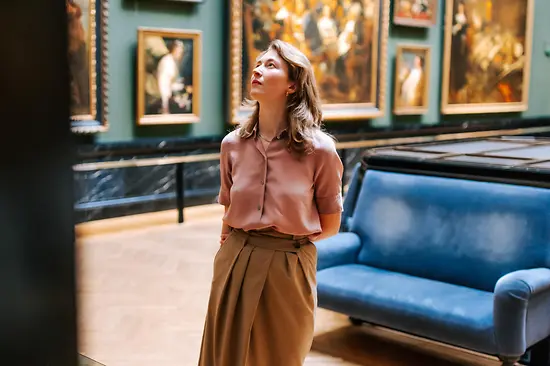
Flying beneath the radar of the broader public, one of Europe’s oldest art academies (founded in 1692) houses a truly unparalleled university art collection. It is accommodated inside this Historicist jewel on Schillerplatz, which was built to plans by Theophil Hansen – the architect behind the Austrian Parliament. Here, too, the man who commissioned it, Emperor Franz Joseph, attended the grand opening in 1877. The central assembly hall with its ceiling paintings is breathtaking, and even more so is the art collection on the first floor – the Academy is both a university and a museum in one.
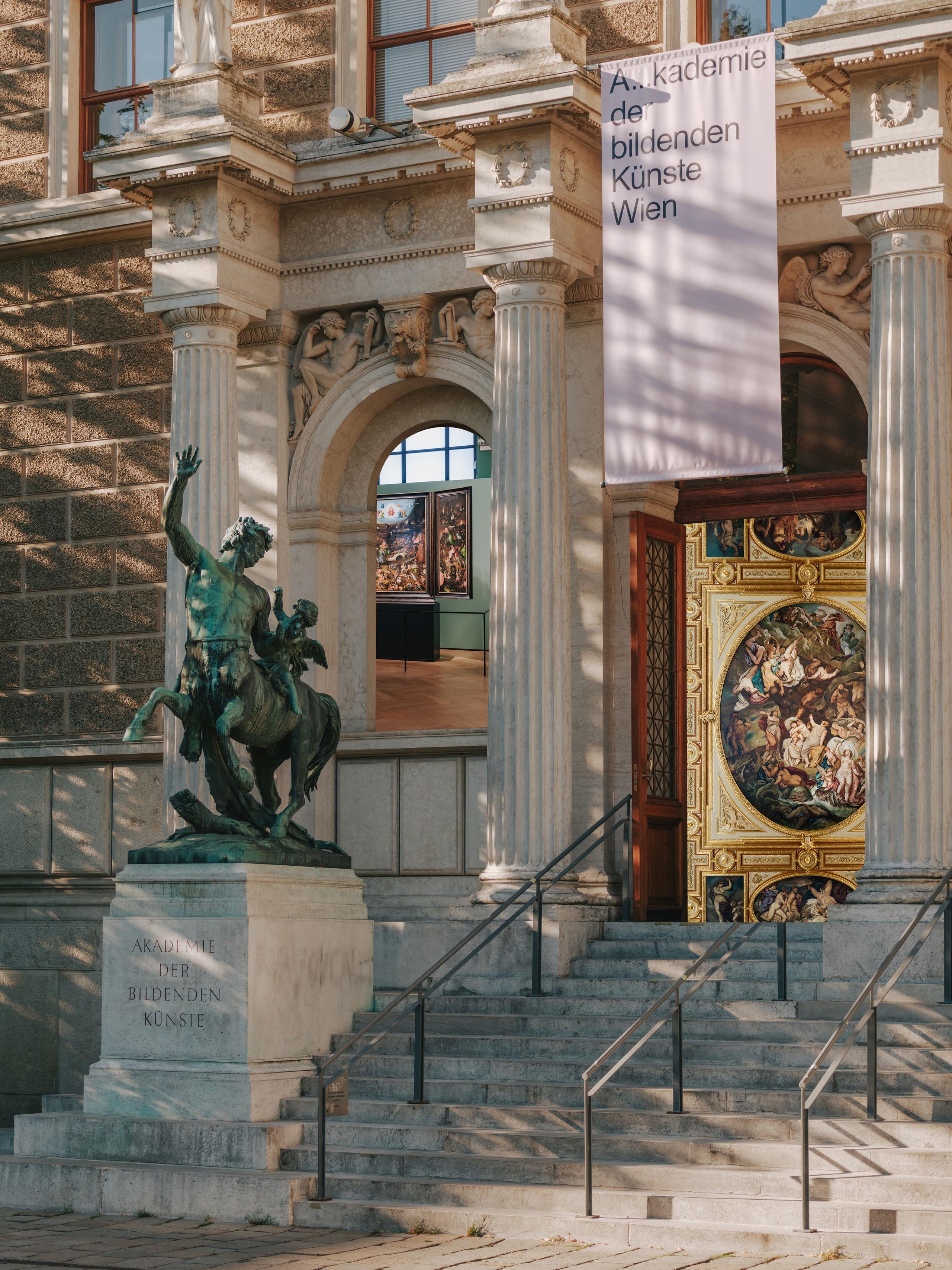
The Picture Gallery catalog reads like a who’s who of the Old Masters: Rubens, Rembrandt, Titian, Van Dyck, Cranach. The absolute centerpiece is Hieronymus Bosch’s monumental Last Judgment triptych (c. 1500) – the second-largest surviving work by the Netherlandish master – which visitors can admire without the usual crowds. The 1,600-piece collection grew over the years through numerous donations, chief among them from the Habsburg diplomat and art collector Graf Anton Paula Lamberg-Sprinzenstein. Temporary exhibitions are staged here too, putting the historic collection into dialogue with contemporary positions. Not to be missed: the Academy’s Print Room, which contains one of the country’s premier graphic art collections.
Liechtenstein Garden Palace
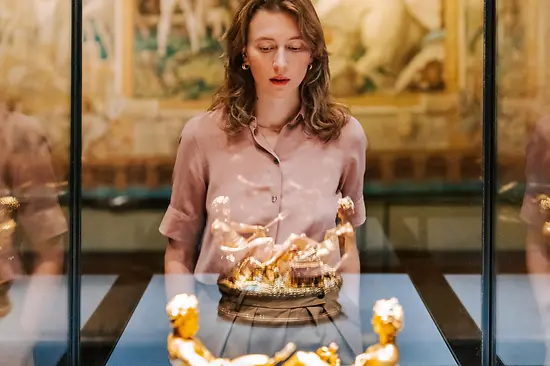
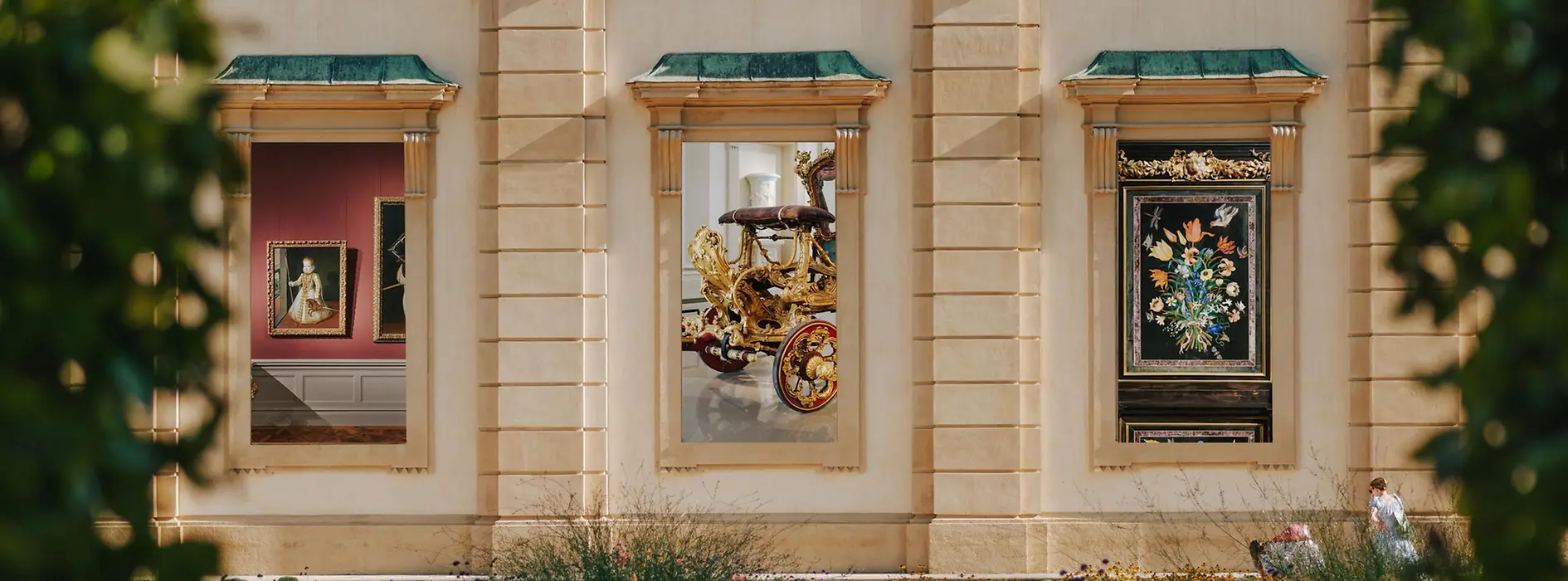
Vienna boasts countless magnificent buildings that were once a playground for the Habsburgs but are now open to the public. What many people don’t know is that Vienna is also home to two palaces that belong to a different European dynasty altogether. One that still rules to this day. The Princes of Liechtenstein, whose Garden Palace and City Palace can be visited as part of guided tours and rented for events. The Garden Palace is an imposing Baroque structure set within park grounds (the park itself is free and open daily) and boasts a number of fantastic highlights: the impressive Hercules Hall, the Golden Carriage (one of the finest surviving French state carriages), and the Badminton Cabinet – the most expensive piece of furniture in the world.
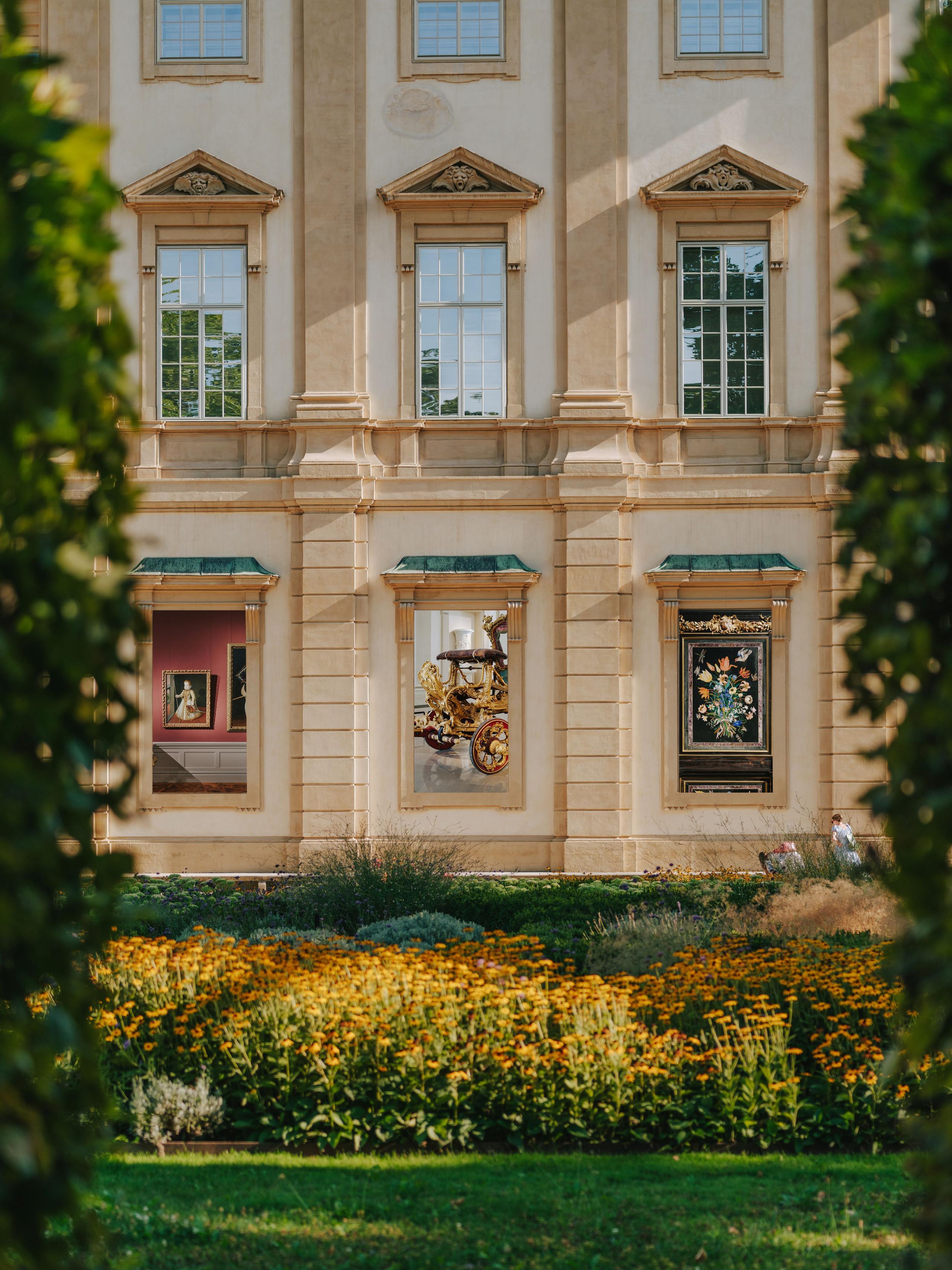
The Garden Palace also houses the Princely Collections which, featuring masterpieces by the likes of Rubens, Raphael, and Rembrandt, rank among the most significant private art collections in the world. At the start of every year, the Princely Collections present major themed exhibitions. This time, to mark the 450th anniversary of the birth of Peter Paul Rubens, the newly restored, monumental eight-part Decius Mus cycle will be put on show in its entirety for the first time in decades.
Josephinum
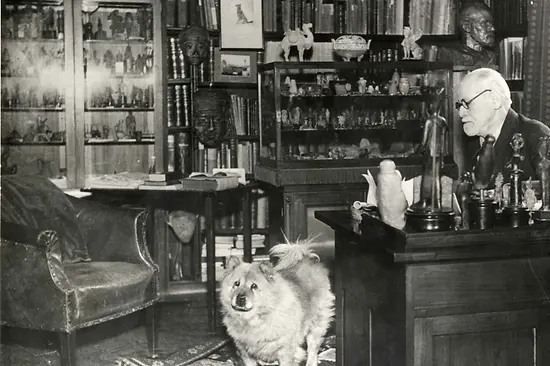
Behind this Neoclassical facade lies one of the world’s most extraordinary collections of artifacts from the annals of medical history. The Josephinum stands as a testament to Vienna’s centuries-long association with medical science. It was a locus of indefatigable research. The fruits of those scientific breakthroughs made medical history from the 18th to the 20th centuries as the First and Second Vienna Medical Schools. The museum traces its origins back to the enlightened Emperor Joseph II – the man for whom the institution is named – who founded an academy for military surgeons in 1785, advocating for public medical care and education.
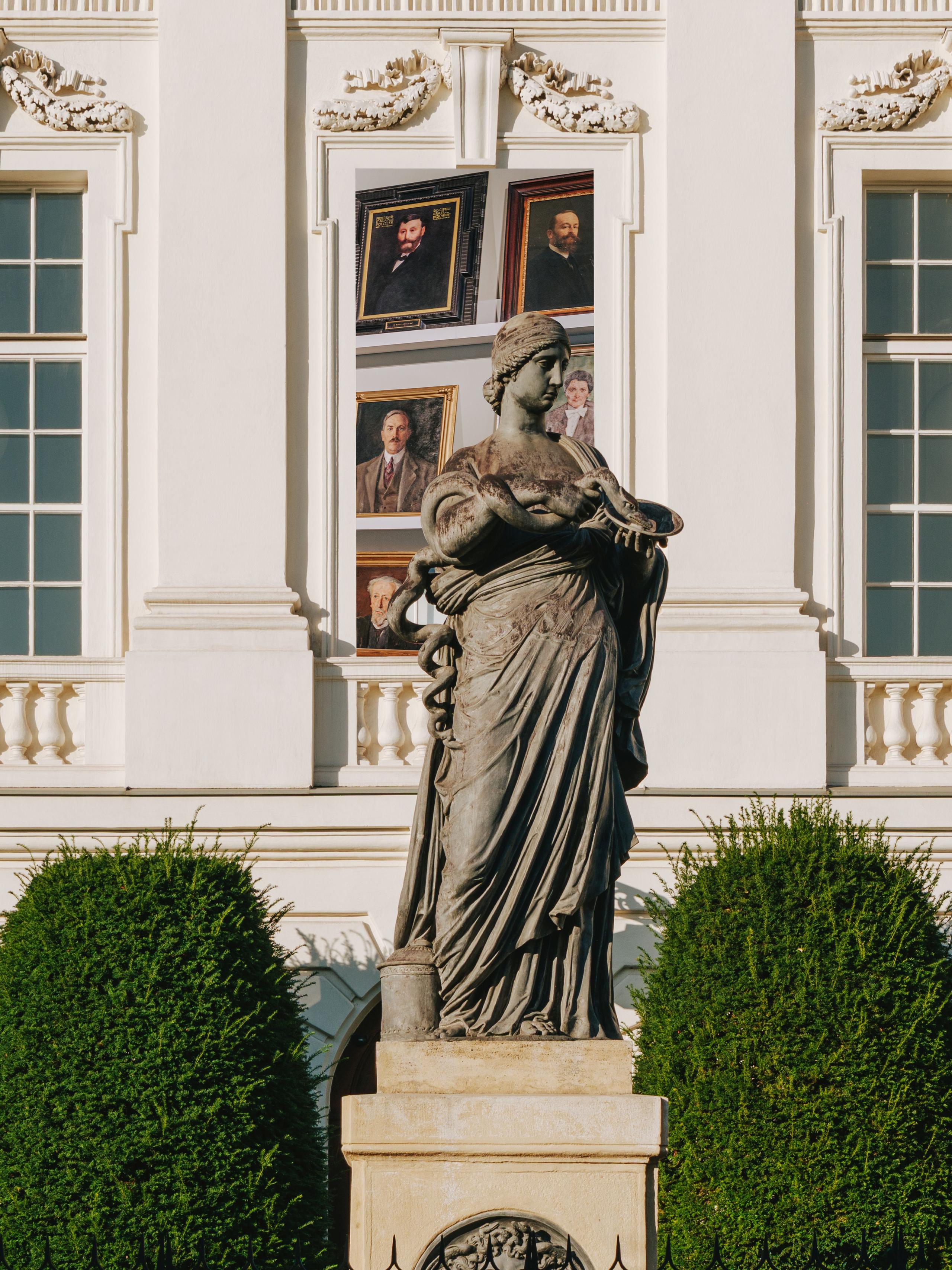
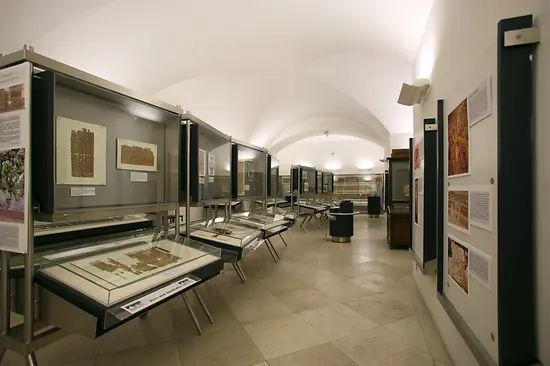
Today, the Josephinum displays a host of exhibits: anatomical models, instruments, manuscripts and much more. Among its most famous pieces are the 1,200 anatomical wax models which were brought to Vienna from Florence on the backs of mules, preserved to this day in original rosewood display cases with Venetian glass. A number of sensational inventions are also on view – such as the first endoscope –, as well as skull fragments purportedly from Ludwig van Beethoven and even notorious murder weapons, including the actual metal file used to assassinate Empress Sisi in 1898. In addition, temporary exhibitions explore a variety of topics, objects and personalities, linking these historic collections directly to modern-day questions.
Text: Maria Schaller
Opening times
Currently closed due to renovation work.
Alternative Venue: Otto Wagner Areal, Pavilion 1, 1140 Vienna, Baumgartner Höhe 1
Tue–Fri: 10 a.m.–5 p.m.
Accessibility
no steps (Automatic sliding doors 180 cm wide)
Parking spaces for people with disabilities
right in front of the museum entrance
Assistance dogs allowed
Accessible toilet
Special tours for visually impaired visitors.
Access to permanent exhibition area and café: no steps, freight elevator to special exhibition rooms (assistance necessary).
- Karlsplatz 5, 1010 Wien
- www.kuenstlerhaus.at
- office@kuenstlerhaus.at
Vienna City Card
Standard ticket price: 12€ / reduced price: 9€
Prices
- Free admission for young people under 19 years of age
Opening times
- daily, 10:00 - 18:00
Accessibility
no steps (Door 135 cm wide)
platform lift, automatic swing door
platform lift, automatic swing door
Assistance dogs allowed
Accessible toilet
Upon request, a wheelchair will be provided for the duration of the visit to the exhibition (2 wheelchairs are available on the upper floor)
Lift to all exhibitions
Guided tours for people with visual impairments, people with dementia and guided tours in simple language
Information at: https://www.kuenstlerhaus.at/erleben/barrierefrei-angebote/
Vienna City Card
Standard ticket price: 12€
Opening times
- Tu - Su, 10:00 - 18:00
Accessibility
Handrail for the blind and visually impaired on the outside staircase
no steps
Makartgasse 2, bell available; access to the lift through the entrance (on the left)
Assistance dogs allowed
Gallery on the 1st floor (i.e. 2 floors) From Main Entrance access to the elevator in the corridor on the right.
- Fürstengasse 1, 1090 Wien
- www.palaisliechtenstein.com
- office@palaisliechtenstein.com
Opening times
- For groups by arrangement
Accessibility
Double swinging doors 143 cm wide
Gravel path to main entrance
Ramp 360 cm long, 250 cm wide, 21 cm high
Assistance dogs allowed
Accessible toilet
exhibition rooms and library: mobile ramp available, please inform us in advance
Guide dogs allowed, please inform us in advance if possible.
Parking on the premises is possible after consultation.
- Währinger Straße 25, 1090 Wien
- www.josephinum.ac.at
- info@josephinum.ac.at
Vienna City Card
Discount valid for all ticket categories / Standard ticket price: 15€
Opening times
- We - Su, 10:00 - 18:00
- Th, 10:00 - 20:00
- on open days on holidays, 10:00 - 18:00
Guided tours
During one-hour tours, guides give insights into the unique collection of anatomical wax models as well as the highlights of the permanent exhibition.
Fixed tours in German (with advance reservation) take place on Thursday (6:30 p.m.) and Saturday (11:00 a.m.). Guide fee per person (excl. entrance fee): 5 euros.
For group tours (max. 25 persons) or tours in English, please contact info@josephinum.ac.at.
Accessibility
no steps (Double swinging doors 77 cm wide)
fine gravel path through the garden; Entrance door opens automatically.
Assistance dogs allowed
Accessible toilet
Exhibition rooms: no steps, can be reached by elevator.