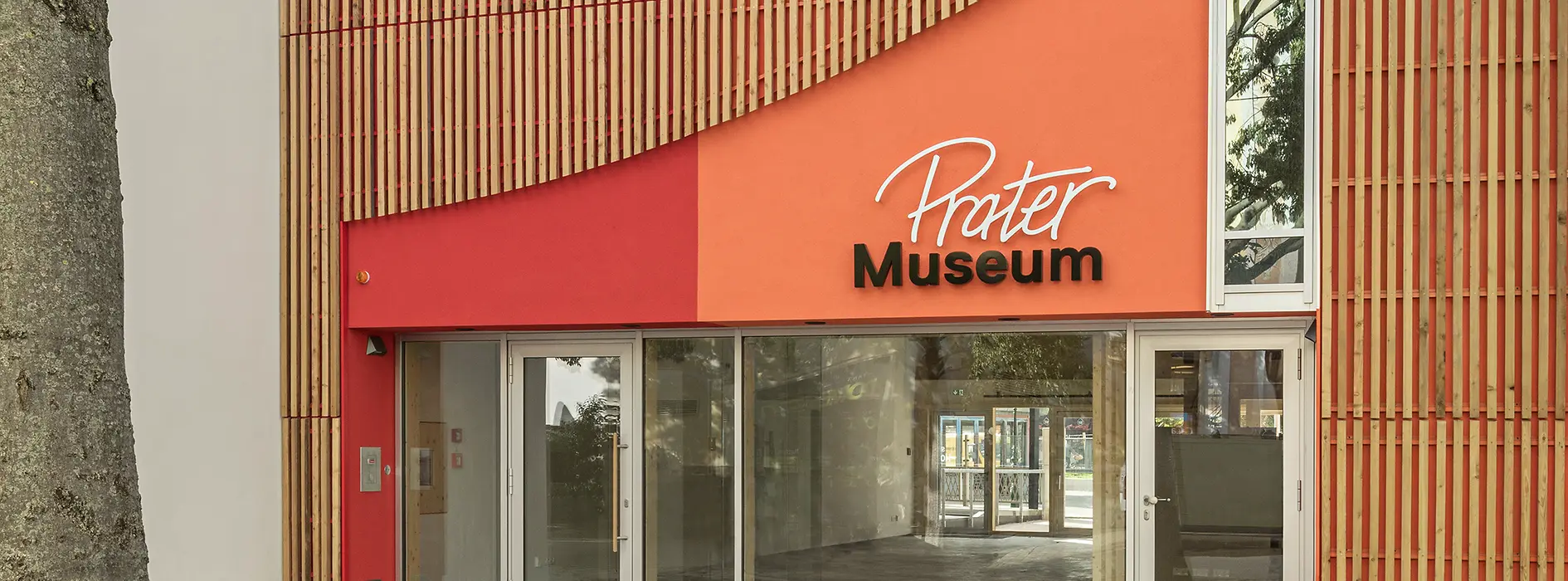
Prater Museum
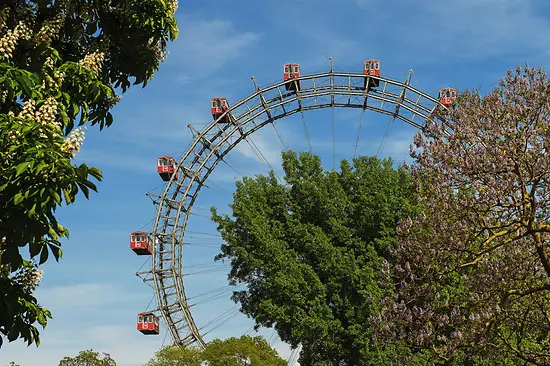
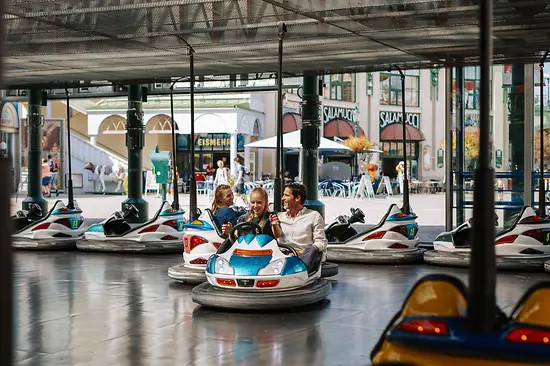
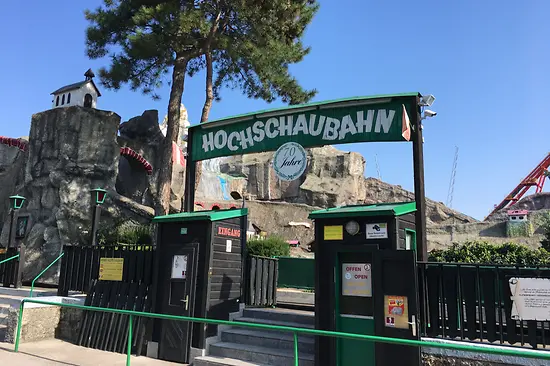
The Prater Museum is dedicated to the eventful past of the Vienna Prater. Opened to the public by Emperor Joseph II in 1766, almost completely destroyed and rebuilt in 1945, the Wurstelprater has always been one thing above all: “a place for everyone” – which is now the museum’s motto. It is a venue for lively festivals and major events, a melting pot of cultures and social classes and, with its countless attractions, above all a place for diversion and relaxation from everyday life.
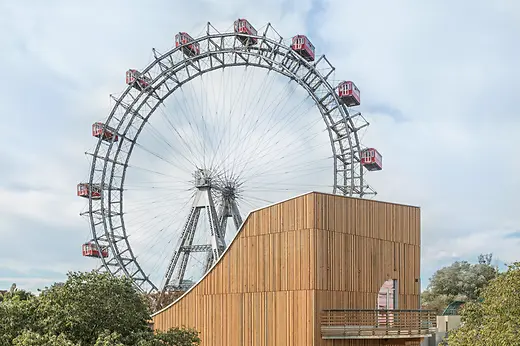
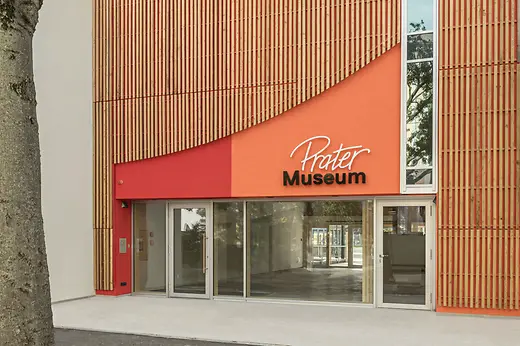
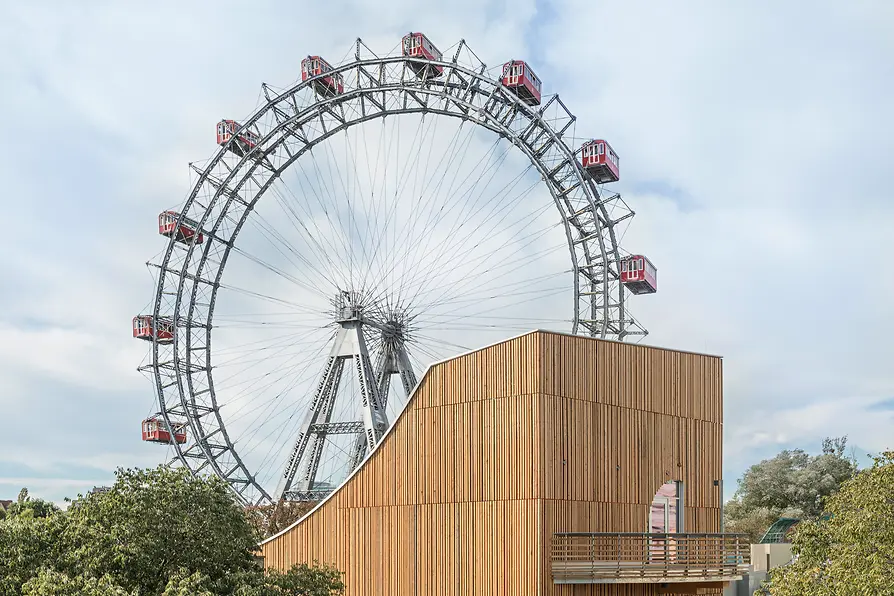
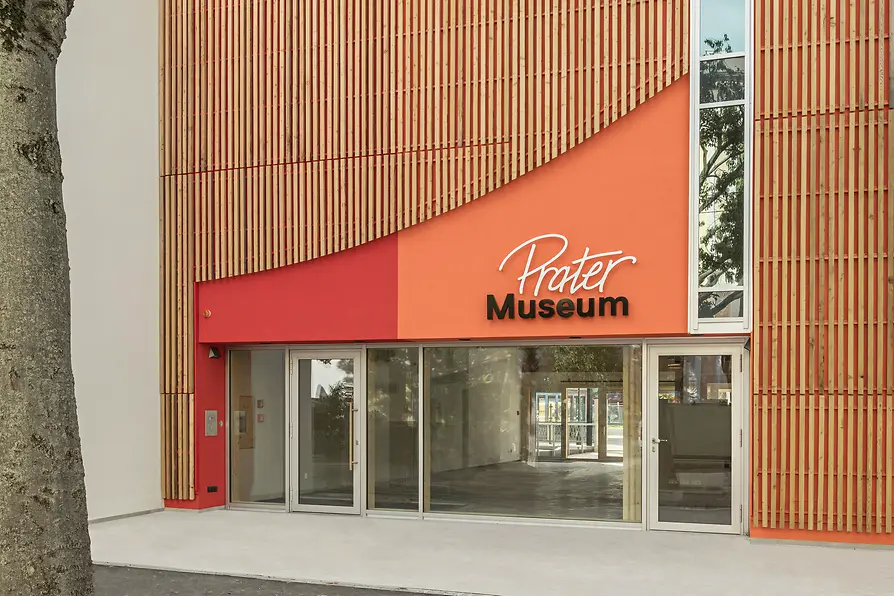
From 1964, the Prater Museum was housed in a side wing of the Planetarium, off the beaten track. The long-held ambition to move into the heart of the Wurstelprater was finally fulfilled 60 years later. Today, the museum is housed in a new three-story building with twice as much space. A sustainable design was a key factor: the museum is an ecological showcase project and is housed in one of Vienna’s first public timber buildings. Solar panels, a heat pump and climate control panels are all used.
Punch and Judy, Fortuna and co.
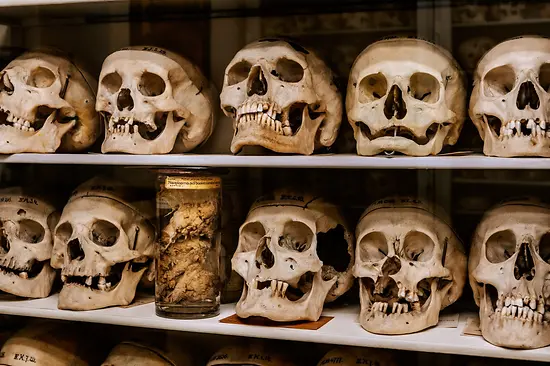
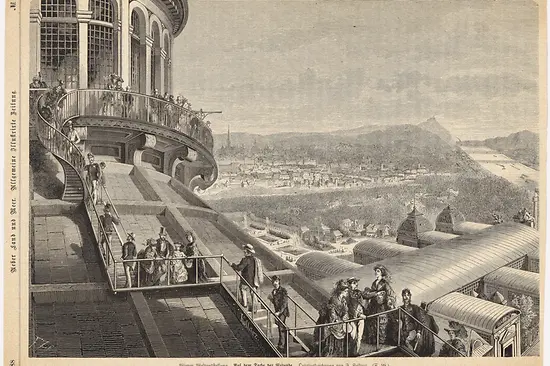
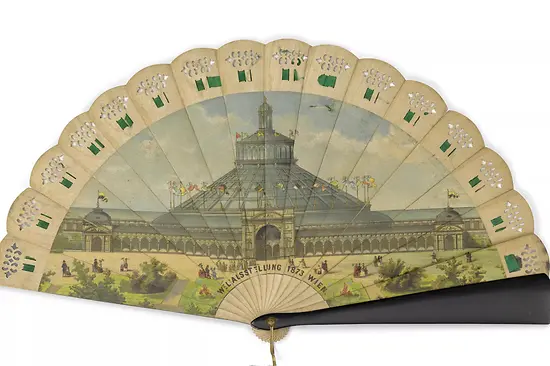
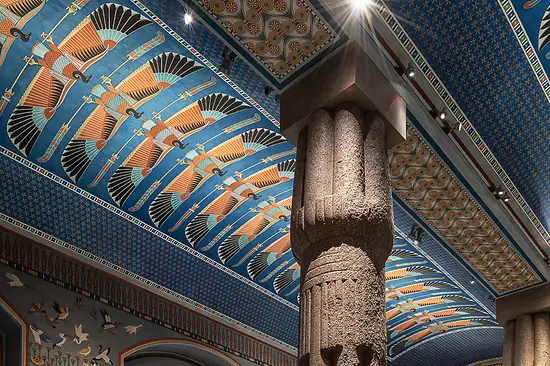
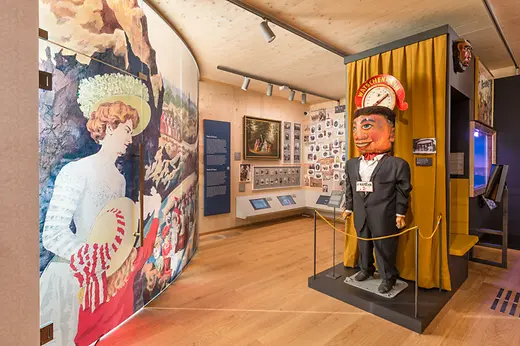
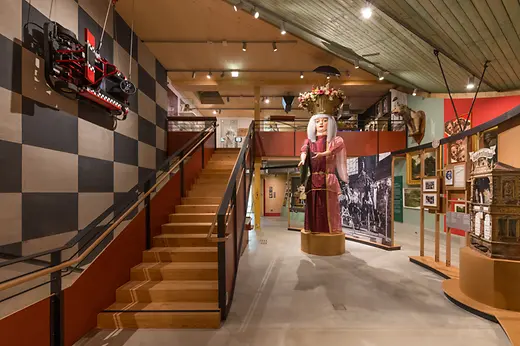
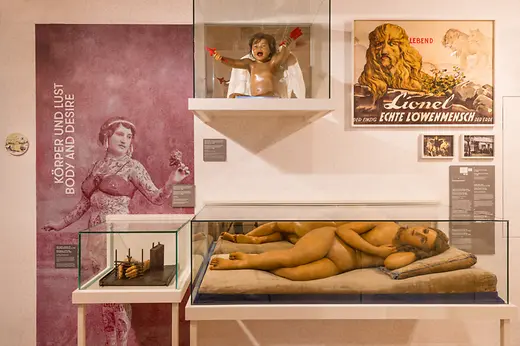
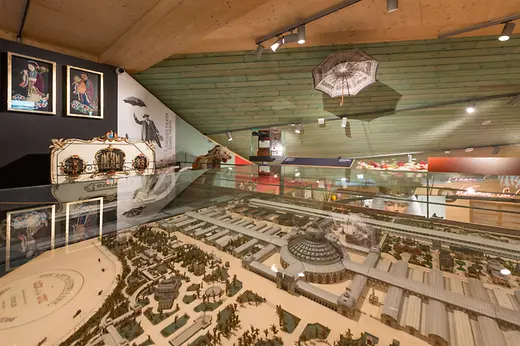
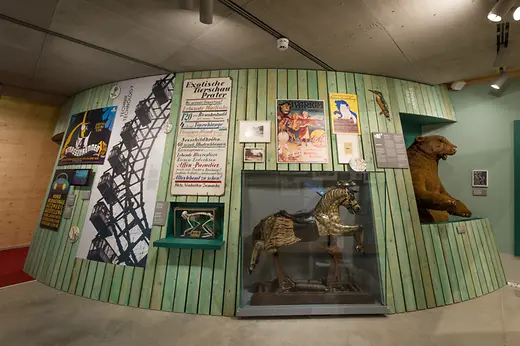
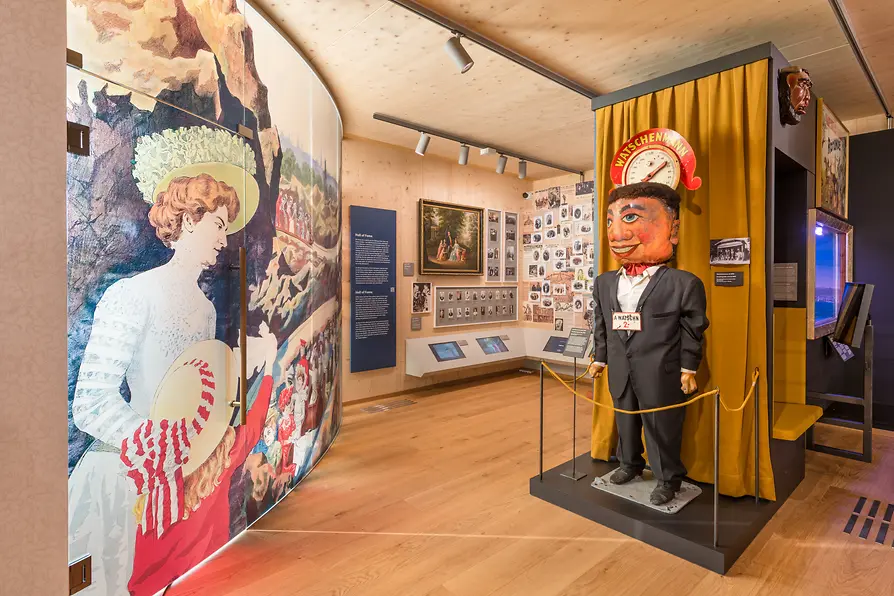
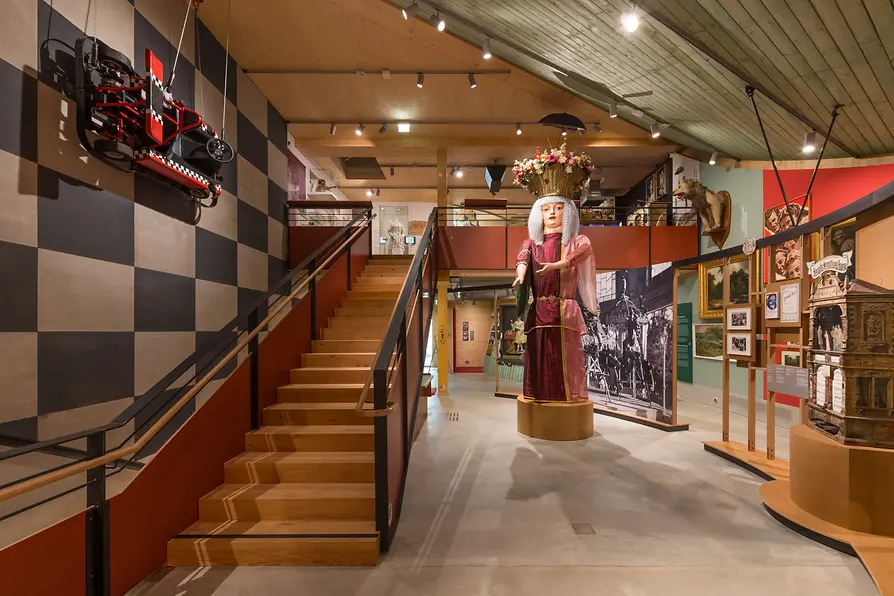
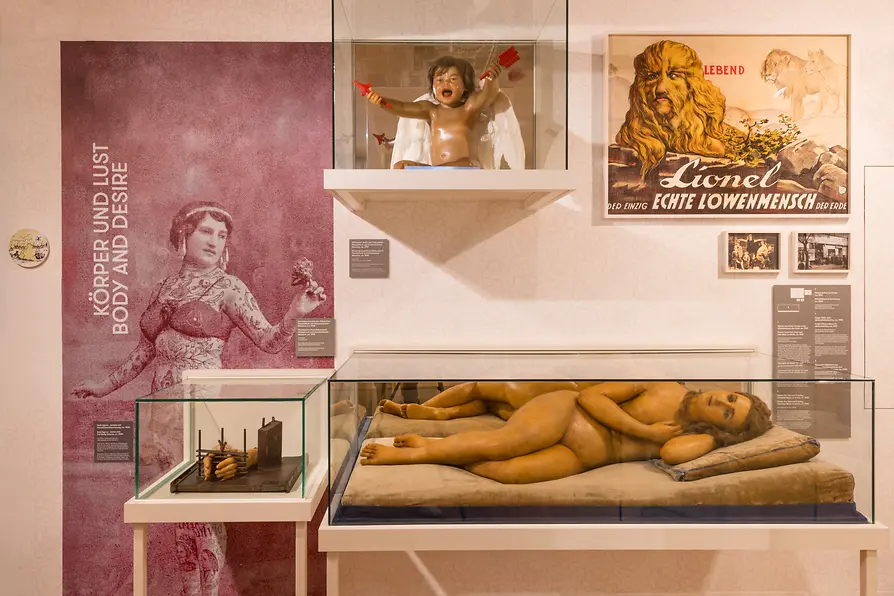
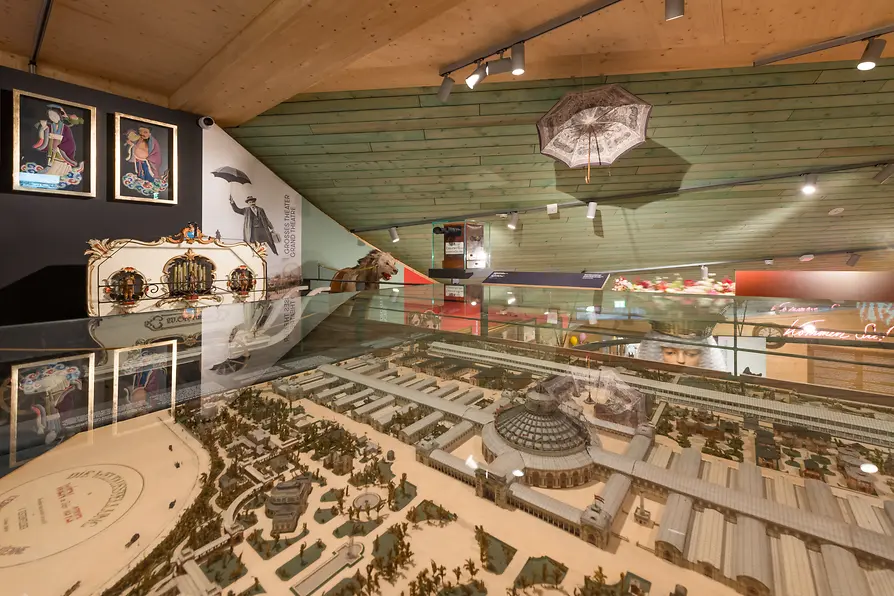
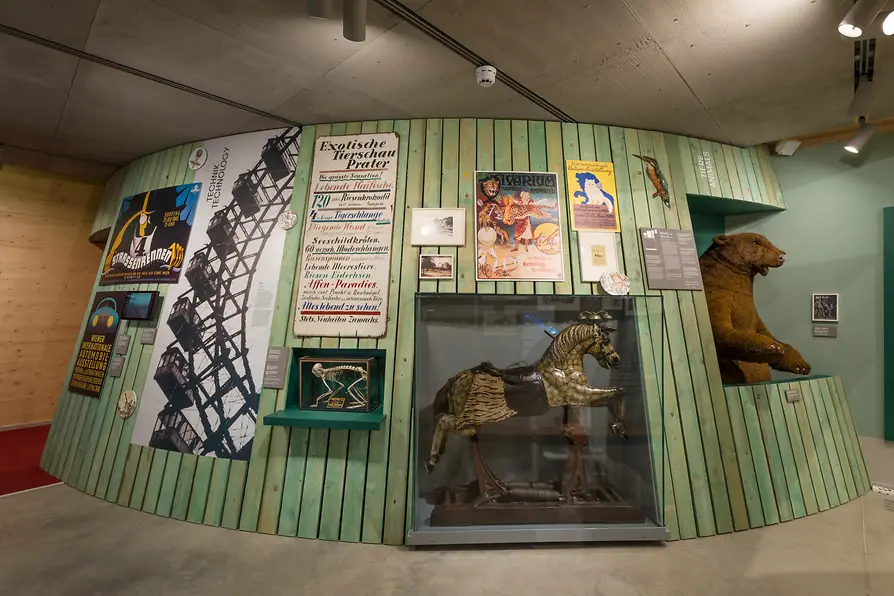
Inside the museum there are countless relics from the Prater’s past: Ringelspiel and Punch and Judy figures, parts of a grotto ride and early slot machines, plans, models, photos, admission tickets, posters and much more are part of the permanent exhibition. There are also a number of digital features. Famous original exhibits such as the Watschenmann, the figure of Fortuna and a matchmaking machine are not to be missed. The museum also showcases the Prater as a place of learning. For many years exotic animals – which the Viennese encountered for the first time in the Prater – and depictions of the human body also played a role in the Prater. There is a small cinema that presents the Prater as a former home to cinemas and as a filming location for movies such as The Third Man, James Bond and Before Sunrise. The Vienna World’s Fair 1873 on the grounds of the Prater is also highlighted.
Monumental panoramic picture
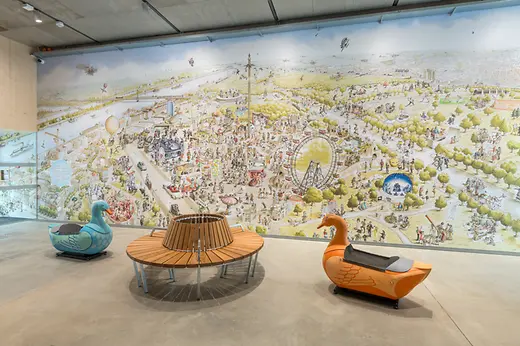
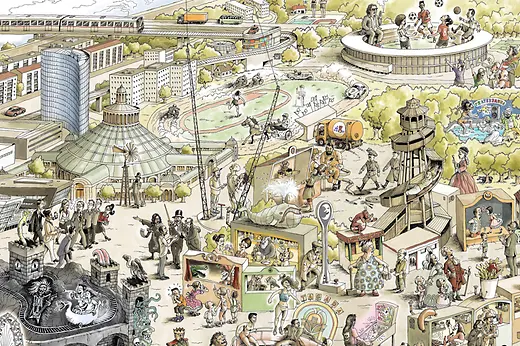
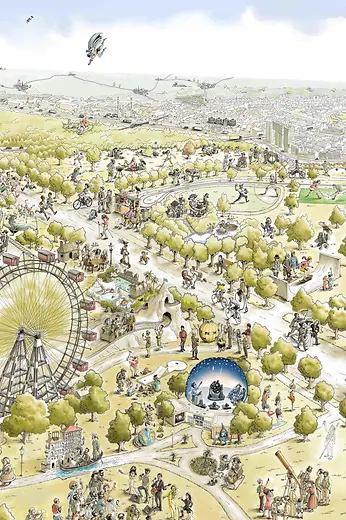
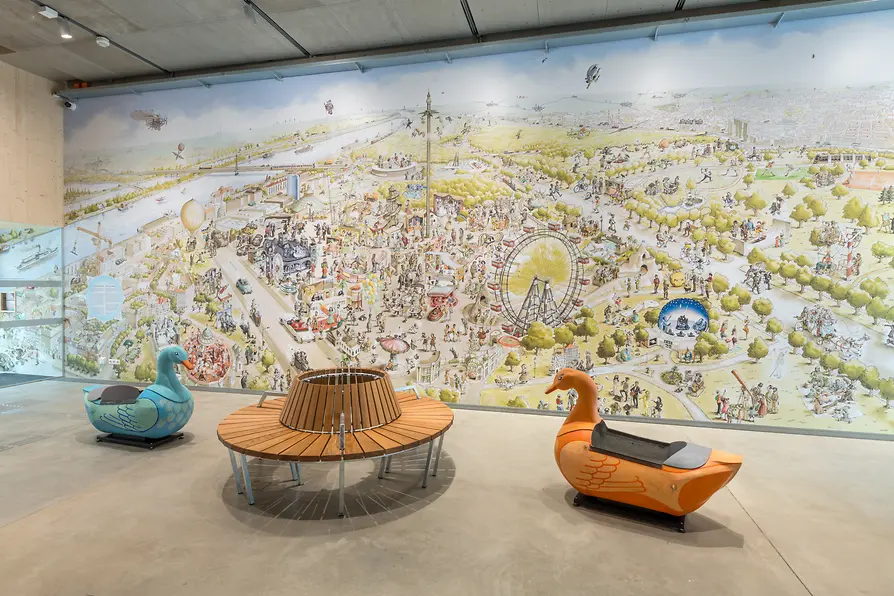
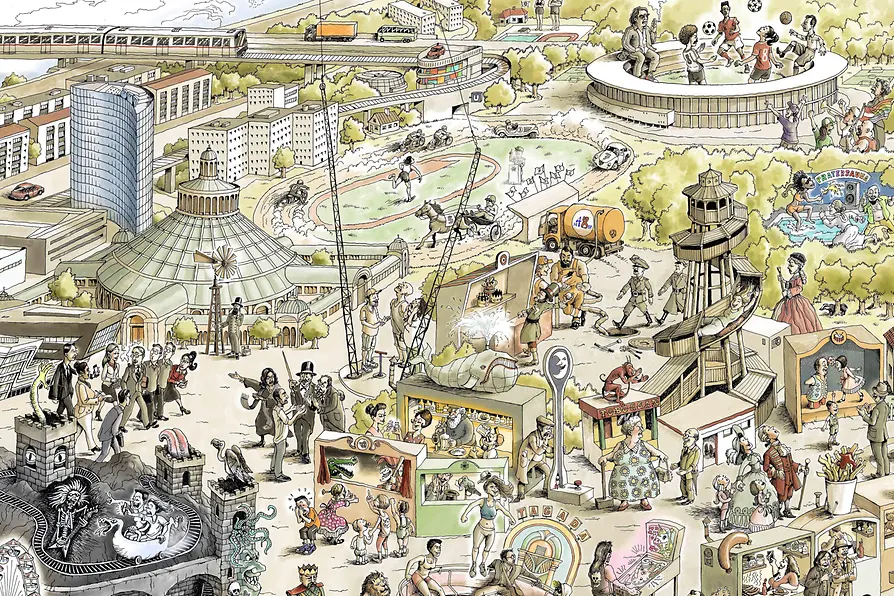
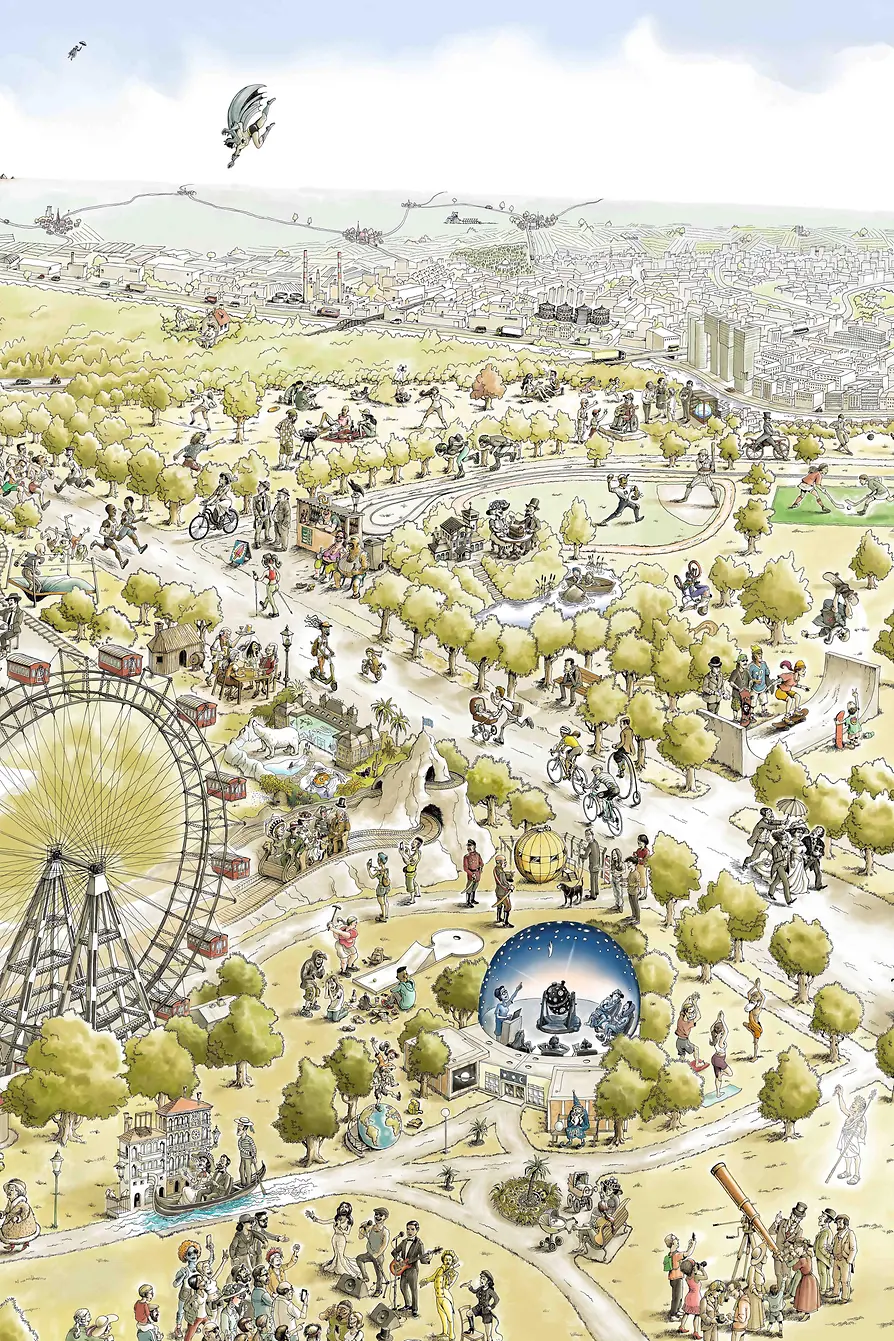
In the public foyer on the ground floor, visitors are greeted by around 700 people and 100 animals that have shaped Vienna and the Prater over the centuries. A 100 m² hidden object painting by artist Olaf Osten, which depicts the amusement park against the backdrop of the Grüner Prater and the city, brings together well-known and lesser-known people of Vienna. Its great fun to puzzle over who you recognize: from Mozart to Conchita Wurst and Sisi to Sigmund Freud. The foyer can be crossed from one side of the street to the other and can also be used for various events.
- Prater 92 (Straße des 1. Mai), 1020 Wien
- www.wienmuseum.at
- service@wienmuseum.at
Vienna City Card
Standard ticket price: 8€ / reduced ticket price: 6€
Tickets available on site and online.
Buy now with discount:
Prices
- Free admission for young people under 19 years of age
- 1st Sunday of the month: Free admission
Opening times
- Fr - Su, 11:00 - 18:00
December 24 and December 31: 10:00 a.m. to 2:00 p.m.
Winter break starting November 1, 2026
Accessibility
no steps
2 Parking spaces for people with disabilities
parking spaces for visitors with special needs next to the museum (1.-Mai-Strasse)
Assistance dogs allowed
Accessible toilet
Main part of the exhibition: no steps, gallery is only accessible via steps, access to exhibition hall: 20 steps.