The Art of Strolling in Vienna
The French King Louis XIV elevated the simple walk into a fixed element of court ceremonial. In the 1660s, he transformed the formal gardens of the Palace of Versailles into his very own stage with the help of a series of expansive, geometrically aligned showpiece avenues. Etiquette, rituals and dress codes emerged that first spread to the boulevards of Paris before ultimately reaching the courts of Europe. The ritualized courtly promenade remained exclusive throughout, a privilege of the aristocracy, strictly regulated and choreographed as a clear demonstration of power.
Well, Take a Look at That
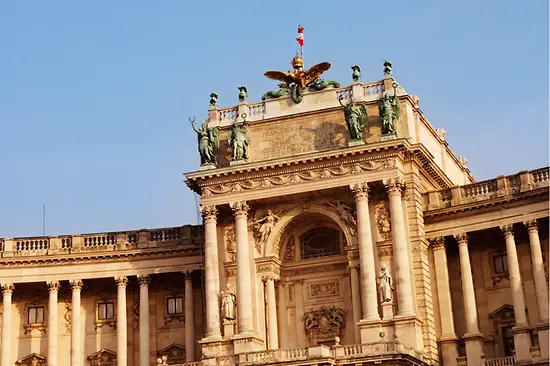
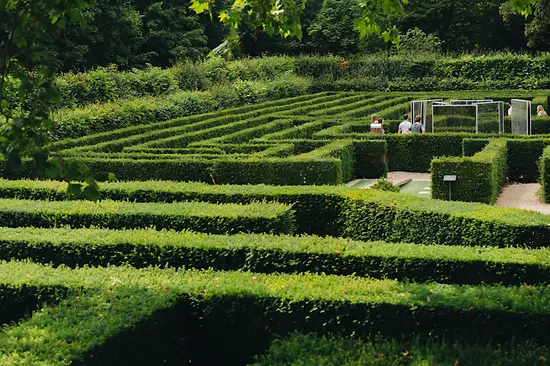
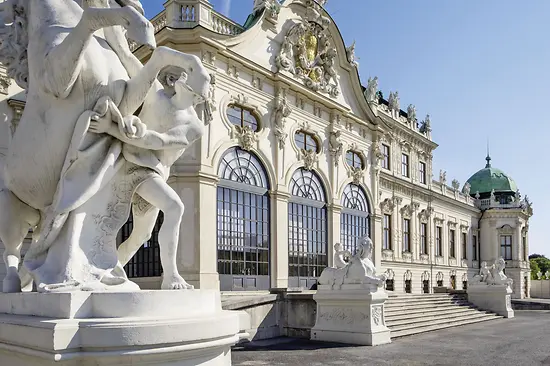
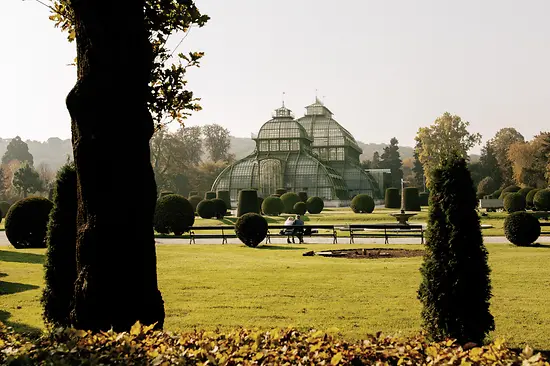
The Habsburgs created their own formal spaces in Vienna for promenading among their own kind. Locations included the park at Schönbrunn Palace and the gardens of the Belvedere Palace. But in the second half of the eighteenth century, Emperor Joseph II started creating recreation areas in Vienna that were accessible to all: the imperial hunting grounds of the Vienna Prater, the Augarten, the grounds of Schönbrunn Palace, the square in the Hofburg posthumously named after him, and the Belvedere Palace and its gardens. He also had the clear stretch of the 'glacis' - the open grounds in front of the walls around the inner city – beautified with avenues, footpaths and street lights. The direct precursor to Vienna’s showpiece Ringstrasse boulevard, which would not be laid out until a hundred years later.
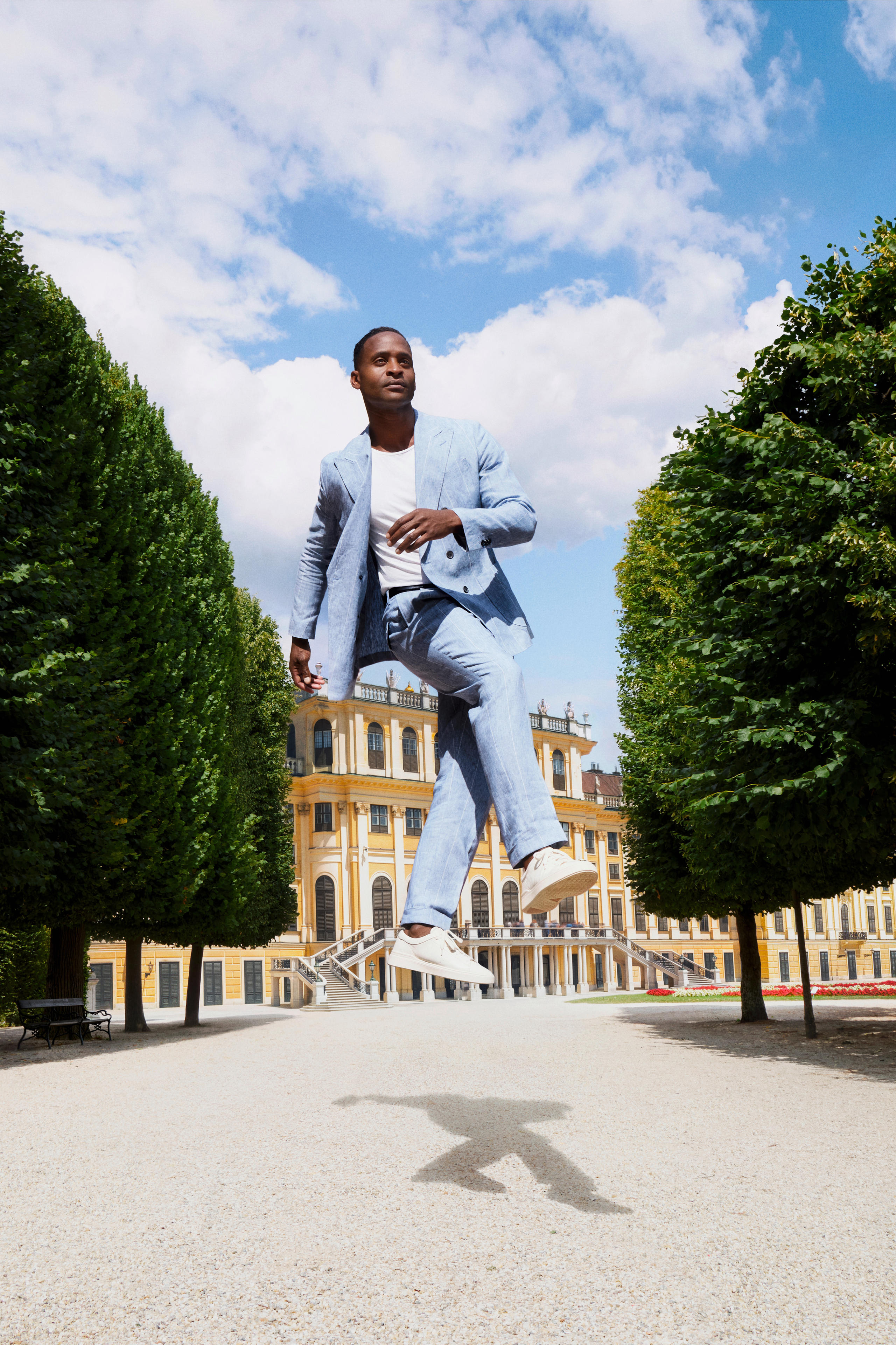
These newly accessible urban spaces inevitably led to the democratization of the promenade – a unique step anywhere in Europe. Every place had its own rules, and now everyone was allowed to join in, or rather walk this new line. Schlosspark Schönbrunn, for example, was mainly used by the bourgeoisie for Sunday outings. In line with decree, admission was granted only to the respectably dressed – an indirect way to keep the riff raff out. These days, normal folk walk, run and take photographs here every day of the week, without a dress code in sight. The gardens of the Belvedere followed a year later. And it was on Prater Hauptallee that all the different classes finally came into direct contact with one another. Elegant carriage processions carrying the great and good trundled by, while the middle class strolled beneath the tree canopies, and humble workers watched the spectacle unfold at a distance from the side paths and meadows. A glimpse into the world of the wealthy that was scarcely possible elsewhere – and certainly not welcomed.
Which of Vienna's promenades suits you best? Find out now by answering just a few questions!
People-Watching
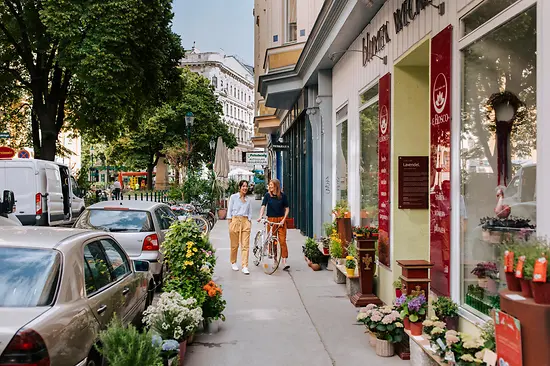
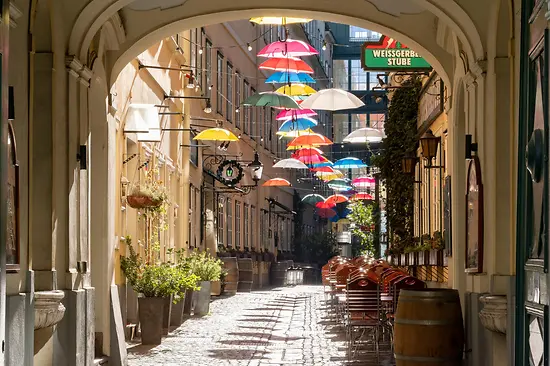
This strict hierarchy and the accompanying ceremonial disappeared with the end of the monarchy. ‘Clothes make the person’ still holds true today. People like to present a certain face to the world. And continue to size each other up with barely concealed curiosity. Either in the same places as back then or in newly-claimed strolling spots. These days, though, people usually prefer to be seen while seated. In the numerous outdoor seating areas around Yppenplatz, the Naschmarkt, the Karmeliterviertel and the surroundings of Neubaugasse, openness and diversity are on display; under the awnings of the classic Viennese city-center restaurants, people like to take the weight off their feet after hitting the luxury stores.
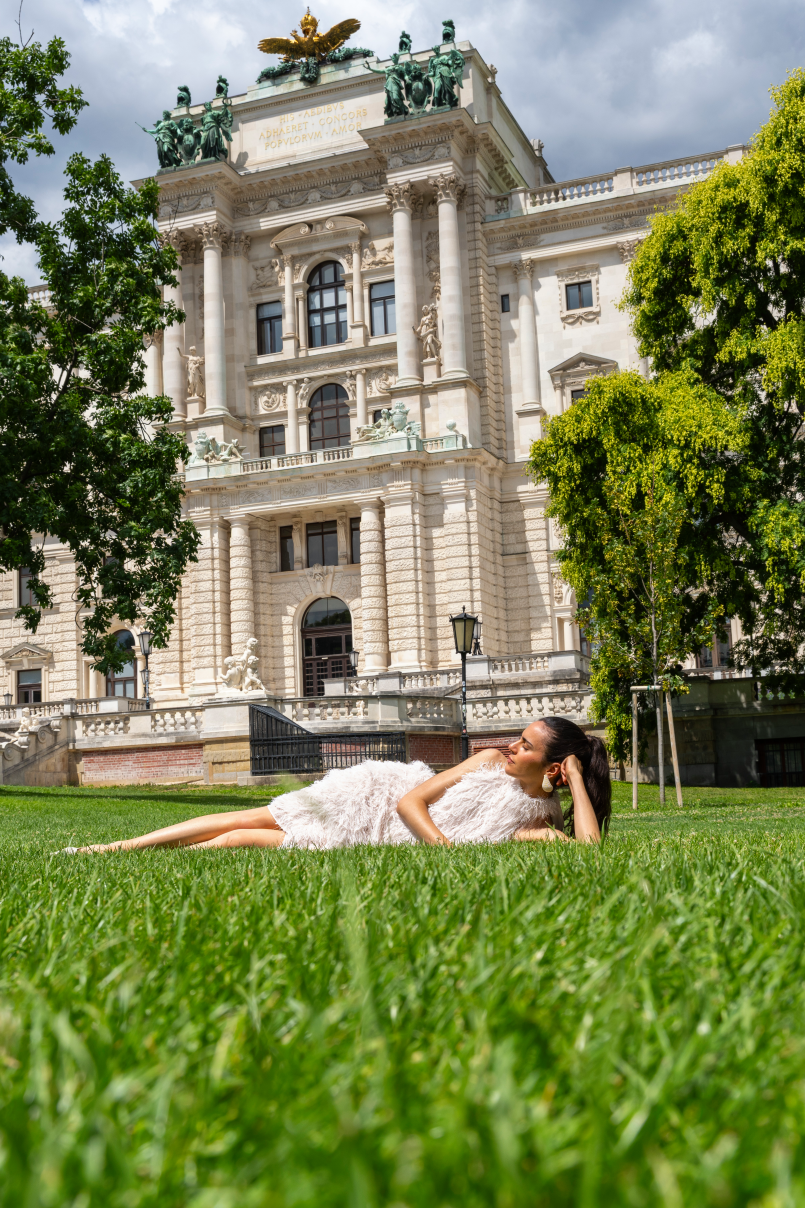
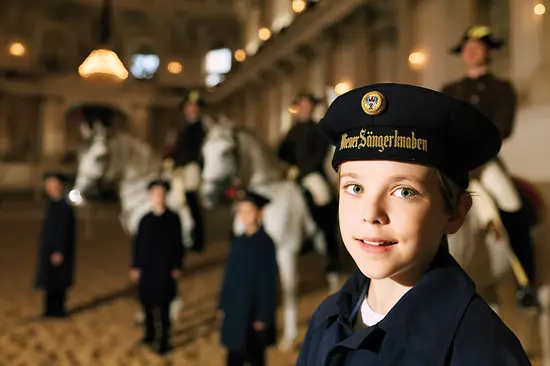
The Burggarten on the Ringstrasse is one of those places where the opening‑up of public leisure space can still be clearly felt. While the upper crust basks in the sun on the terrace of the Viennese Jugendstil café, everyone else sprawls out on the grass with picnic blankets and their own trendy drinks. As tourists stroll around the monuments and admire the architecture, students toast the end of classes, while here and there people are out practicing yoga, dancing or taking part in recreational sports. And in summer, the legendary Lipizzaner stallions of the Spanish Riding School can sometimes be seen out on their early morning walk.
Walkable World
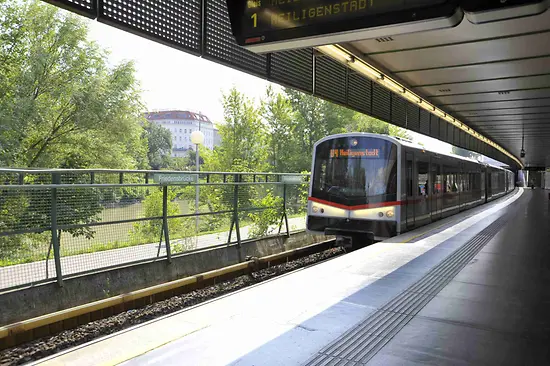
As far as ‘promenading’ is concerned, contemporary approaches tend to put the actual act of walking second. Even so, it left a deep mark on Vienna’s urban life. And the city remains, to this day, one of Europe’s most effortlessly walkable capitals. It is what’s known as a ‘city of short distances’ – around 30% of all journeys are made on foot here. Proof indeed of the city’s mature infrastructure, since the share of public transport is only marginally higher.
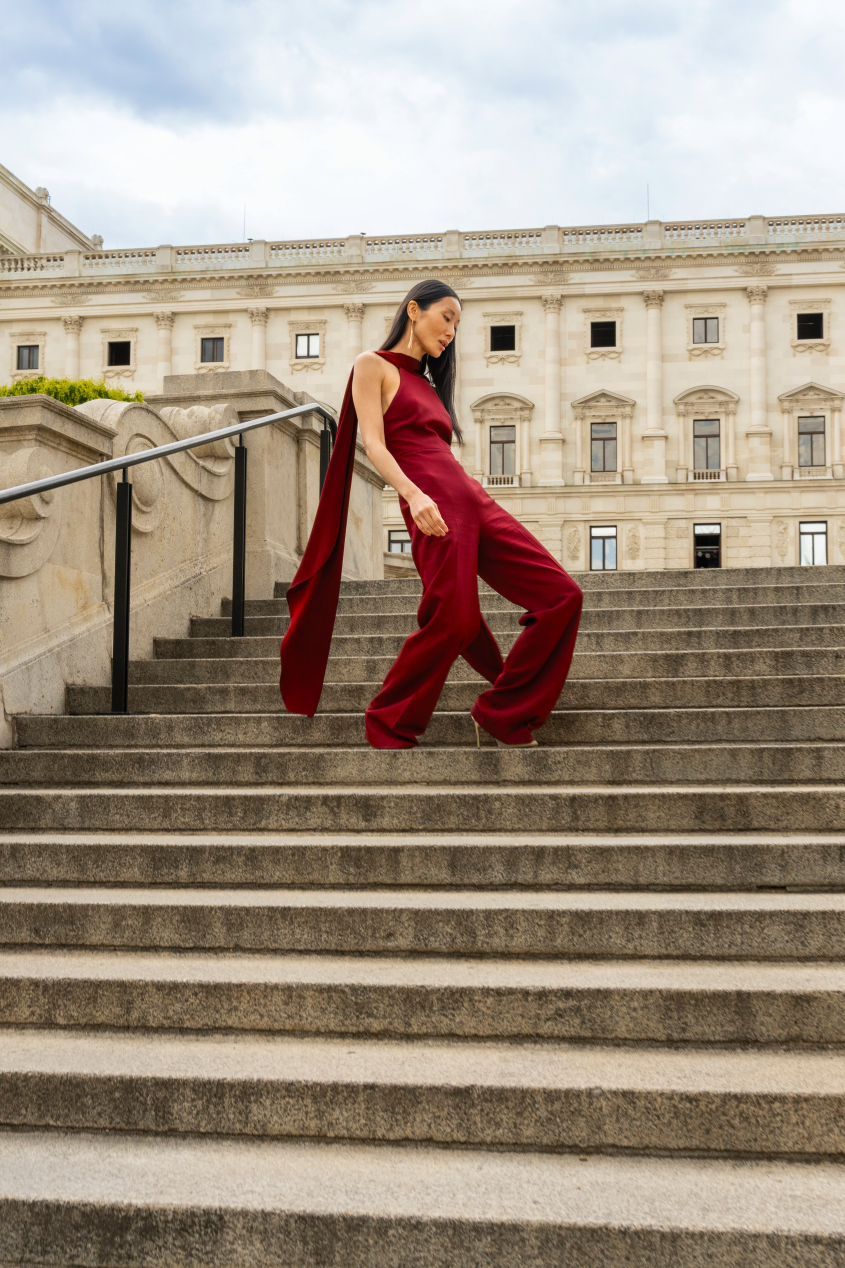
A circuit on foot around the Ringstrasse is – just as it was 150 years ago – a must for any first visit to Vienna. Lots of locals make sure to incorporate the city’s leafy parks into their day-to-day routes. Even carriage rides are part of the capital’s promenade culture. In summer, the leisure paradise of the Danube Island turns into a 21-kilometer-long promenade for bathers. Only now, the carriages have made way for racing bikes and roller skates, the fine threads have become swimwear (maybe less so in the nudist FKK sections), and these days the most important status symbols seem to be good books, hammocks, Bluetooth speakers and inflatable pool animals. By the looks of things: the bigger the blow-up unicorn, the higher the status.
Step By Step
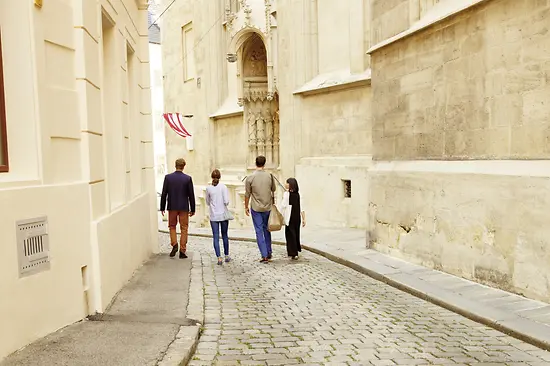
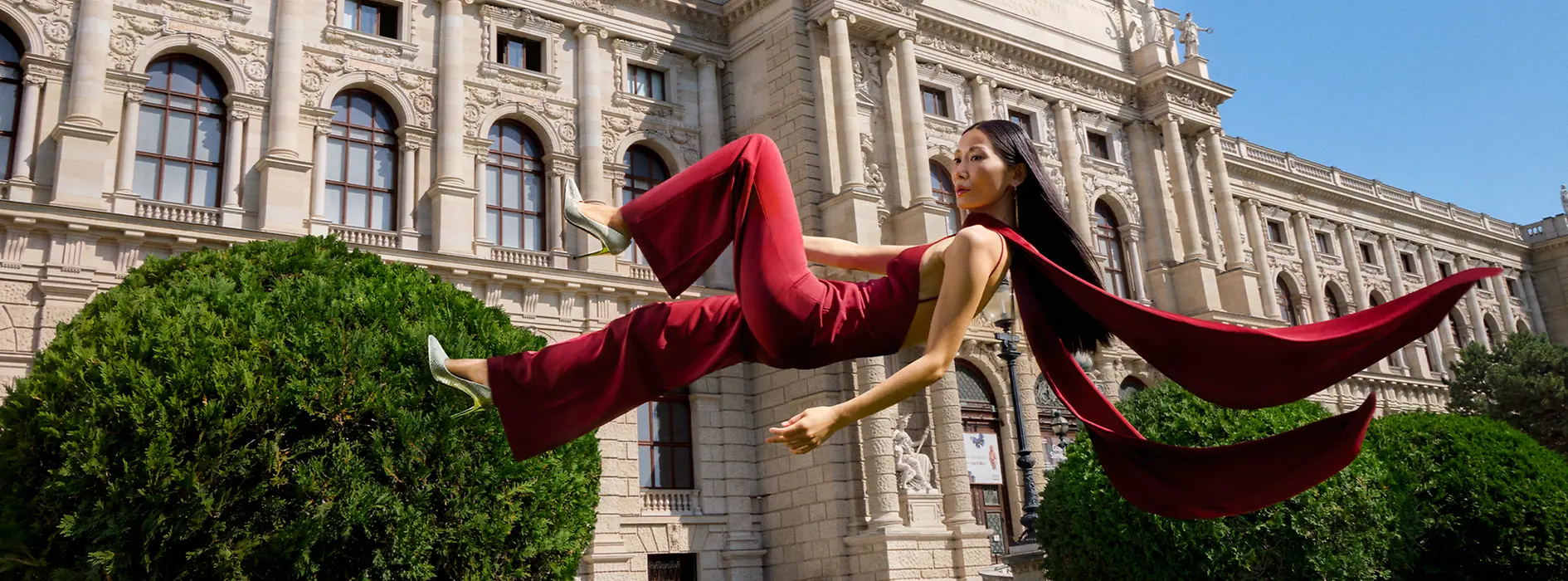
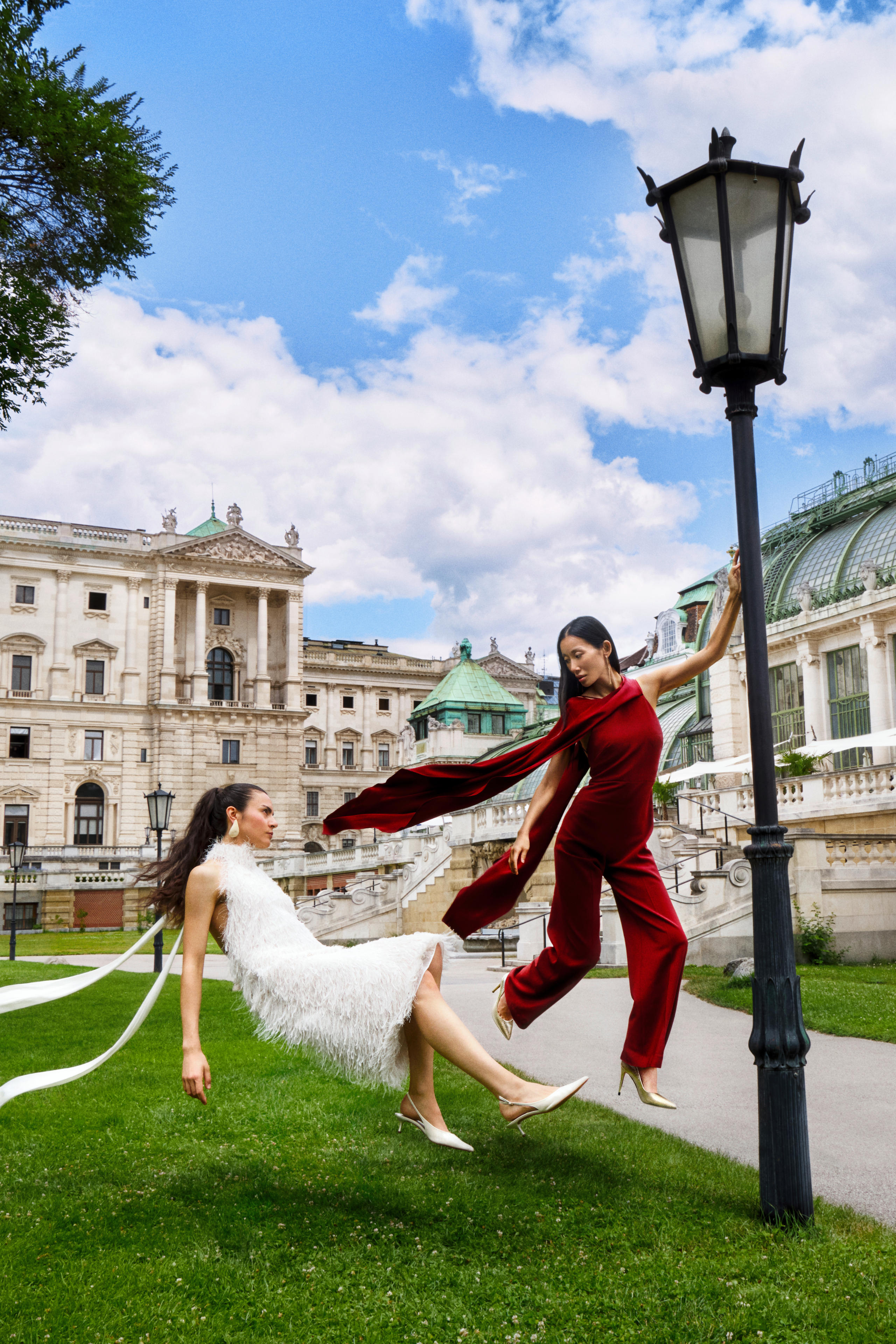
Walking in Vienna is more than a question of getting from A to B; it’s a genuine pleasure. Sauntering through parks and gardens, drifting past the monumental buildings, ambling through bustling markets and backstreets, browsing the shopping streets, taking in the fresh air of the Vienna Woods, getting off the tram a stop early just to enjoy the last bit on foot. Out of a love of exercise, to blow off the cobwebs, to savor the city. And all with a certain lightness and composure. That typically Viennese Gemütlichkeit, or coziness. Almost floating.
Strolling Like in the Old Days
- Schönbrunner Schlossstraße, 1130 Wien
- www.schoenbrunn.at
- info@schoenbrunn.at
Vienna City Card
Classic Pass Plus (March 27 to November 2, 2026) € 75,00 instead of € 81,00
Classic Pass (July 1 to November 2, 2026): 42,00 instead of €49,00
Sisi Pass € 57,00 instead of € 60,00
Tickets online and on site.
Buy now with discount:
Opening times
- (Last entry: 16:15 h) daily, 08:30 - 17:00
- (Last entry: 16:45 h) daily, 08:30 - 17:30
- (Last entry: 16:15 h) daily, 08:30 - 17:00
Accessibility
no steps
Parking spaces for people with disabilities
at main entrance portal (Schönbrunner Schlossstrasse, 3 parking spaces), Meidlinger Tor (2 parking spaces), close to Kavalierstrakt as well as Valerietrakt (2 parking spaces) and Fürstenstöckl (1 parking space)
Assistance dogs allowed
Accessible toilet
Free wheelchair rental – contact attendant at main portal (3 wheelchairs) or at Hietzinger Tor and at Meidlinger Tor (1 wheelchair each). Supplemental devices available for the visually impaired. Tours for visitors with with disabilities or special needs on request. Museum Sign Language Guide available in ÖGS and IS for the Imperial or Grand Tour, prior reservation recommended, further information: https://www.schoenbrunn.at/en/visitor-information/barrier-free-access
Access to all exhibition rooms: no steps. Freight elevator for extra wide wheelchairs: door width: 160 cm, cabin depth: 220 cm, cabin width: 156 cm.
Ticket Center in the Gardetrakt by the main gate, stepless access, door width: approx. 144 cm, wheelchair-accessible restroom can be reached by wheelchair platform lift – platform 110/140 cm, door width: 90 cm in the corridor area and 94 cm to the outdoors, accessible from outside with a Euro-Key.
- Maria-Theresien-Platz, 1010 Wien
- www.khm.at
- info@khm.at
Comments
Please note: Admission is only possible with a time slot booking. Please book your slot for free in advance here or directly at the ticket office.
Vienna City Card
-1 € off the full price. Museum ticket available on site.
Opening times
- Tu, 10:00 - 18:00
- We, 10:00 - 18:00
- Th, 10:00 - 21:00
- Fr, 10:00 - 18:00
- Sa, 10:00 - 18:00
- Su, 10:00 - 18:00
Open daily through August 31, 2026; closed on Mondays from September 1, 2026, through October 4, 2026.
Open daily from October 5, 2026, through January 4, 2027; from March 22, 2026, through March 29, 2026; on May 17; from June through August 2027; and from October 12, 2027, through January 6, 2028.
Accessibility
5 Steps (Double swinging doors 300 cm wide)
on Maria-Theresien-Platz, no ramp
Barrier-free entrance: Burgring 5 via porter, visitor service accompanies you to the elevator and into the building
5 Parking spaces for people with disabilities
on Heldenplatz
Accessible toilet
Wheelchair rental possible (please reserve one day in advance). Special tours for visitors with dementia, in easy language, in sign language as well as guided touch tours (Tel. +41 1 525 24-5202 or email: kunstvermittlung@khm.at), Three masterpieces of the Renaissance collection of the painting gallery, selected objects of the Kunstkammer, the Egyptian-Oriental collection and the collection of antiquities are available to the blind and visually impaired as castings for touching. A brochure with image descriptions of this in Braille is available.
Wheelchair users who visit the museum via Burgring 5 can purchase their tickets at the shop in the lobby.
Induction loop available at the audio guide stand.
https://www.khm.at/en/learn/art-education/inclusive-art-education/
- 1010 Wien
- Prater Hauptallee, 1020 Wien
- Oberes Belvedere, Prinz-Eugen-Straße 27, 1030 Wien
- www.belvedere.at
- office@bundesgaerten.at
Opening times
- daily, 07:00 - 19:00
See and Be Seen Today
- Burggarten, 1010 Wien
- www.bundesgaerten.at
Opening times
- daily, 07:00 - 19:00
- daily, 06:00 - 22:00
- daily, 07:00 - 17:30
- Yppenplatz, 1160 Wien
- Wienzeile, 1060 Wien
Comments
between Karlsplatz and Kettenbrückengasse
U4: Kettenbrückengasse Station
U1, U2, U4: Karlsplatz Station
Opening times
- Mo, 06:00 - 21:00
- Tu, 06:00 - 21:00
- We, 06:00 - 21:00
- Th, 06:00 - 21:00
- Fr, 06:00 - 21:00
- Sa, 06:00 - 18:00
Food stands: Mo-Sa until 11 p.m.
- Neubaugasse, 1070 Wien
- Donauinsel, 1220 Wien
- www.donauinsel.wien.at