Museum of Military History
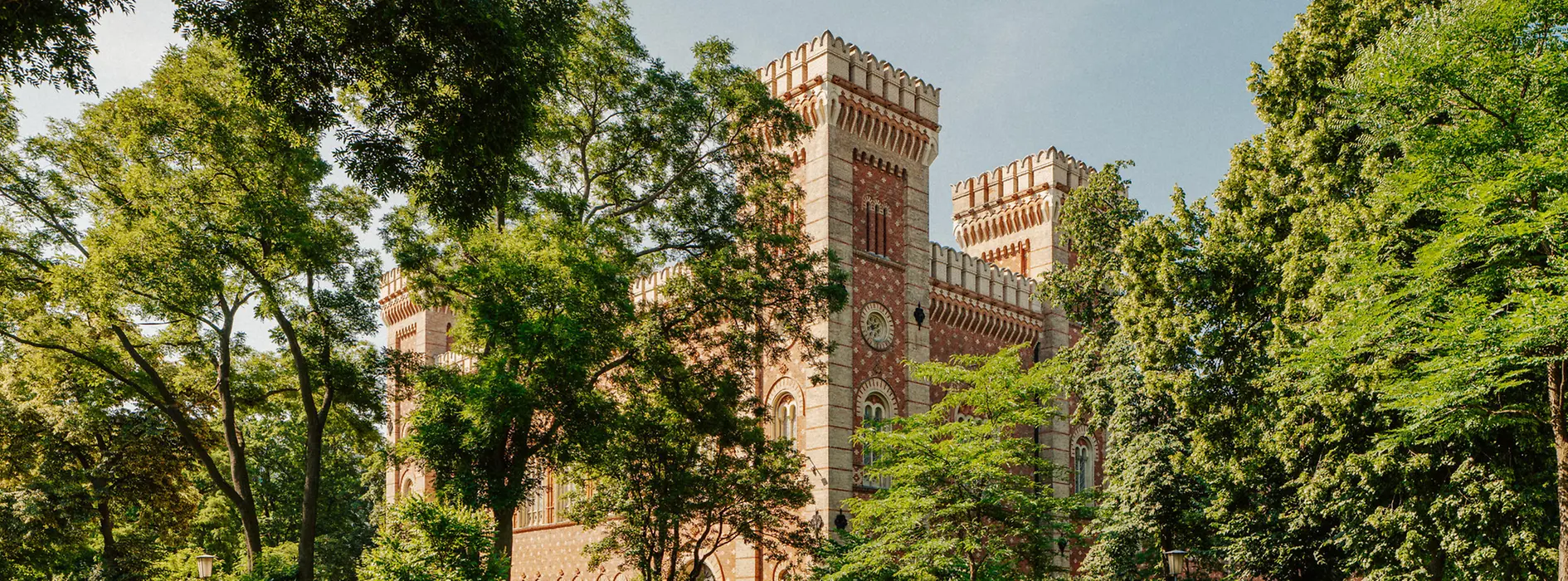
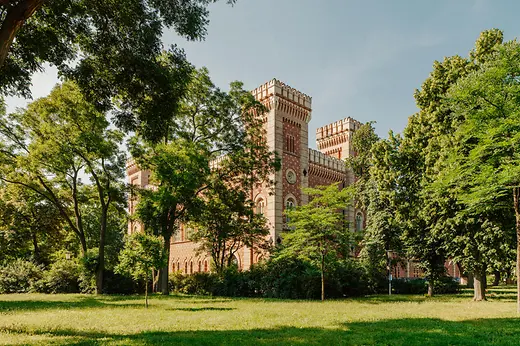
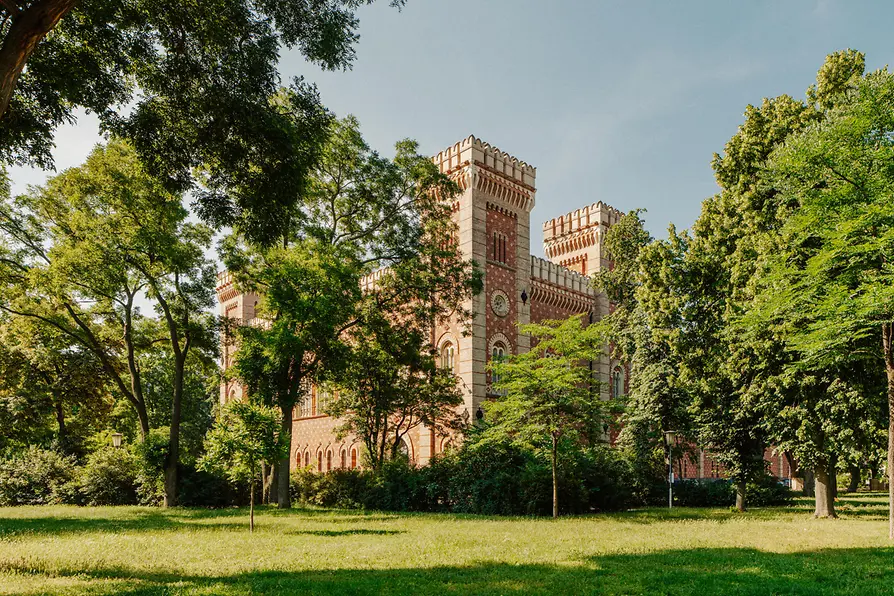
One of Europe’s largest and oldest military history museums, the Museum of Military History is home to a unique collection that recounts five centuries of military history. It is housed in an impressive museum building: Object 18 of the Vienna Arsenal, a vast former military complex near Vienna Central Station.
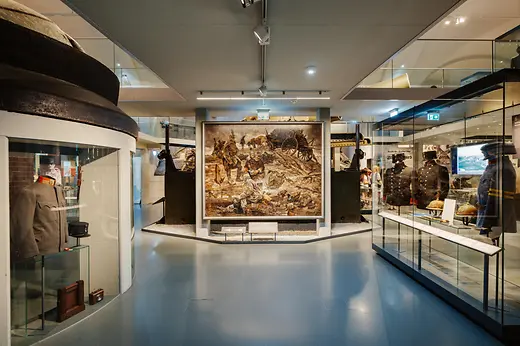
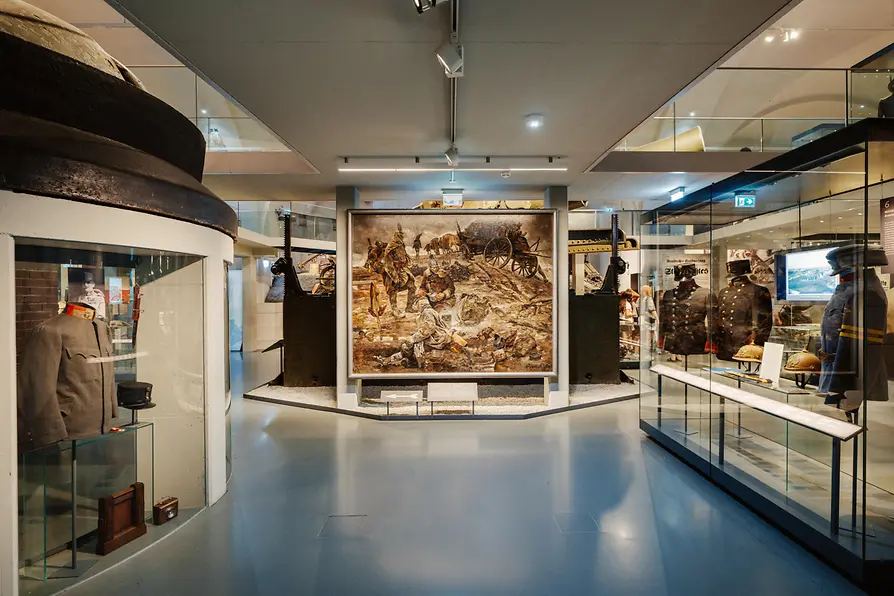
The museum’s collections are among Vienna’s oldest state collections and comprise more than 1.5 million objects, of which understandably only a fraction are on permanent display. Austria’s military history is traced chronologically, with major exhibition areas focusing on the Thirty Years’ War, the Ottoman sieges, the era of Prince Eugene and Maria Theresa, and on through World War I and World War II.
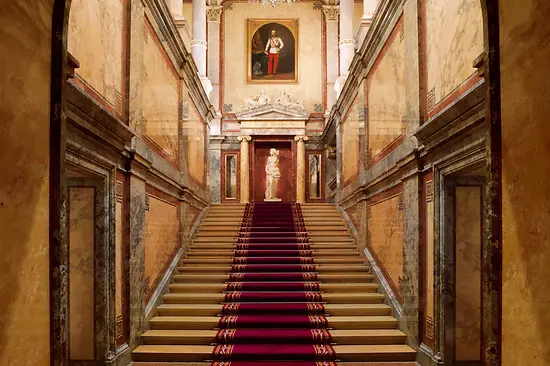
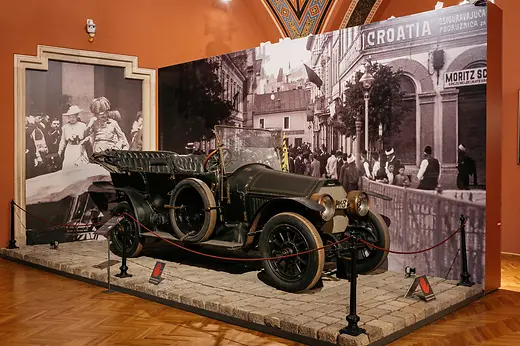
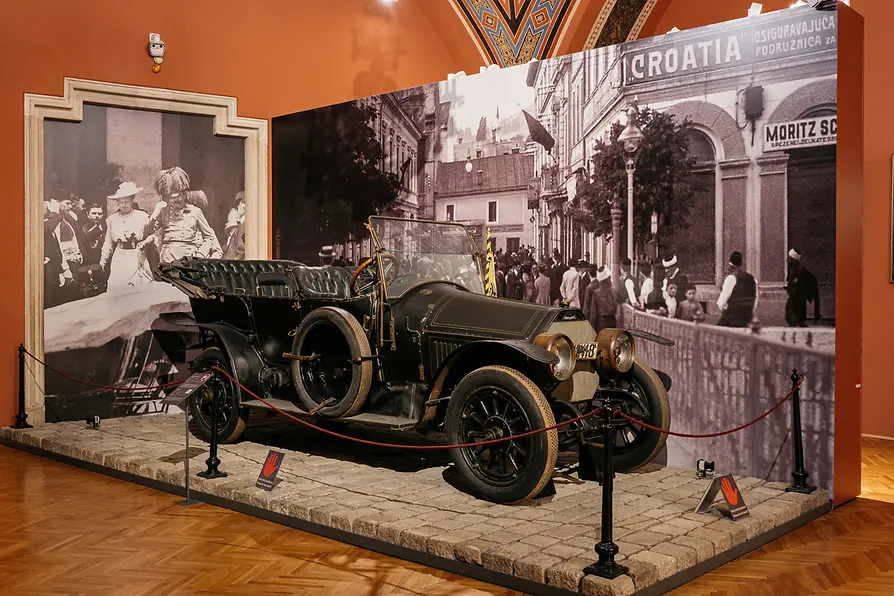
The museum primarily looks at the history of the Habsburg monarchy up to its collapse in 1918. Among the items on display are historic weapons, uniforms, tanks, and important paintings related to Austria’s military history. Among the best-known exhibits are the automobile in which Archduke Franz Ferdinand, the heir to the throne, and his wife were shot in 1914, the Archduke’s bloodstained tunic, and the chaise longue on which he died. In the Franz Joseph Hall, several personal items belonging to the Emperor and his son, Crown Prince Rudolf, can be seen. A real highlight of the collection is something called the “Marine Hall.” Something many people don’t know is that Austria was a major maritime power for centuries back when it still had access to the sea.
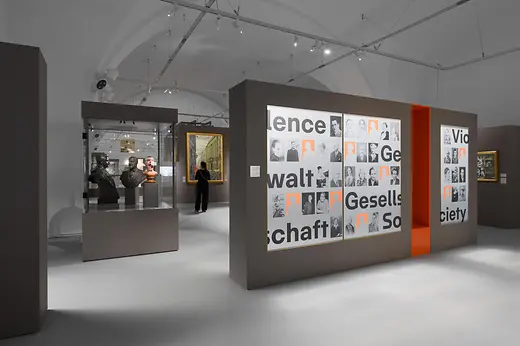
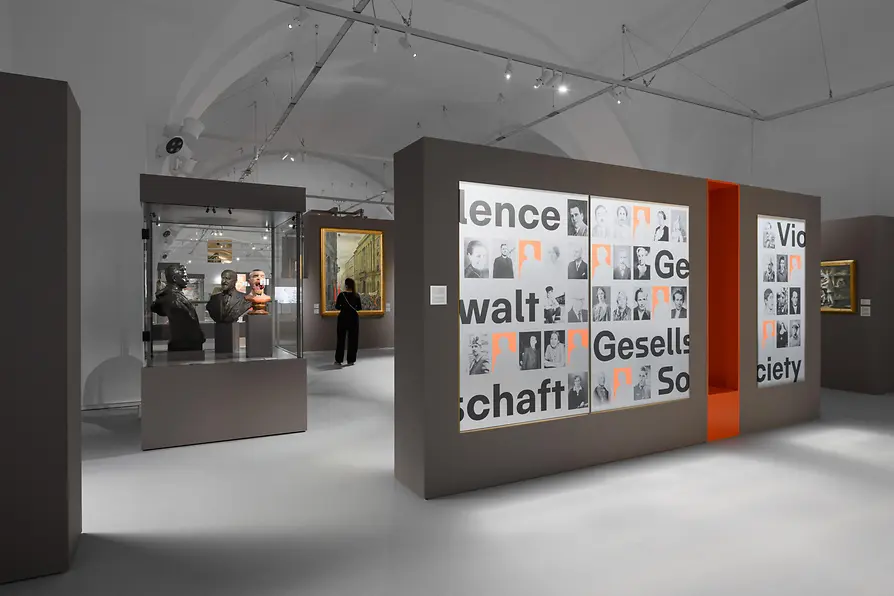
Since 2026, the new permanent exhibition “Violence – Society: Austria in the Age of the World Wars, 1918–1955” has been dedicated to the period from the collapse of the monarchy to the signing of the State Treaty. Temporary exhibitions also shed light on a range of other military topics. Outside the museum, visitors can tour the Tank Hall and the Artillery Halls.
Cultural complex with architectural history
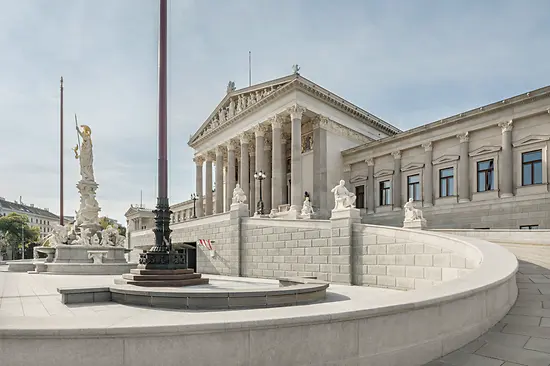
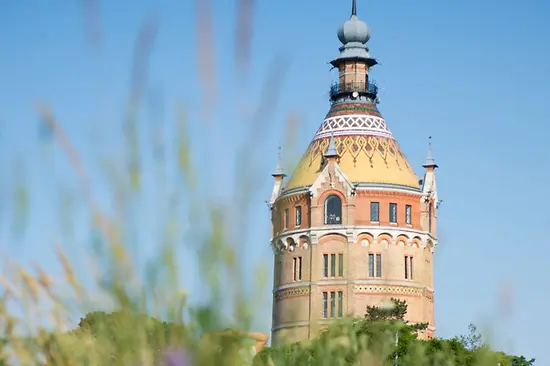
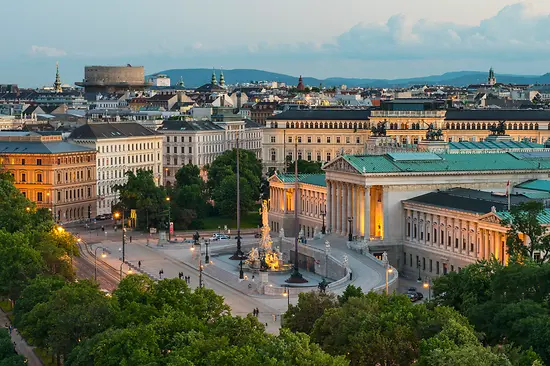
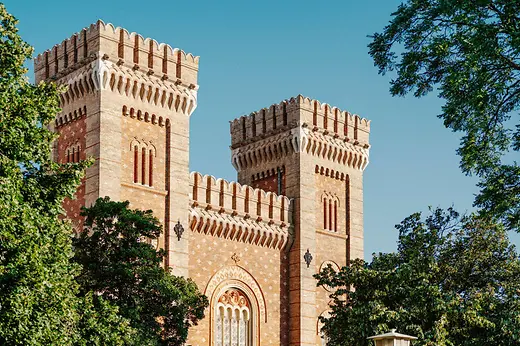
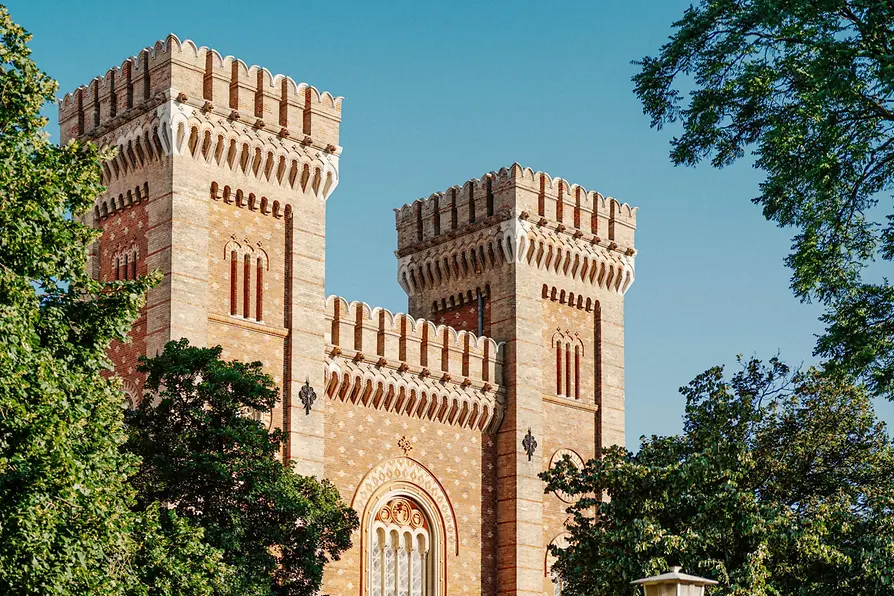
The Museum of Military History is located in the Arsenal, a stone’s throw from numerous cultural institutions such as Foto Arsenal Wien, Belvedere 21 and the workshops and rehearsal stages of the Burgtheater and Vienna State Opera. Today’s Arsenal, an expansive park with numerous brick buildings (known as Objekts), was commissioned by the young Emperor Franz Joseph in response to the 1848/49 Revolution and was intended to secure the power of the Habsburg government. Theophil Hansen, the architect of some of Vienna’s grandest buildings such as the Parliament and the Musikverein, planned the present-day Museum of Military History together with Ludwig Förster. It was completed in 1856, making it Austria’s oldest museum building planned as such.
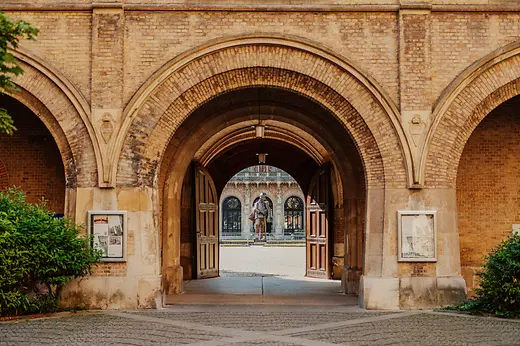
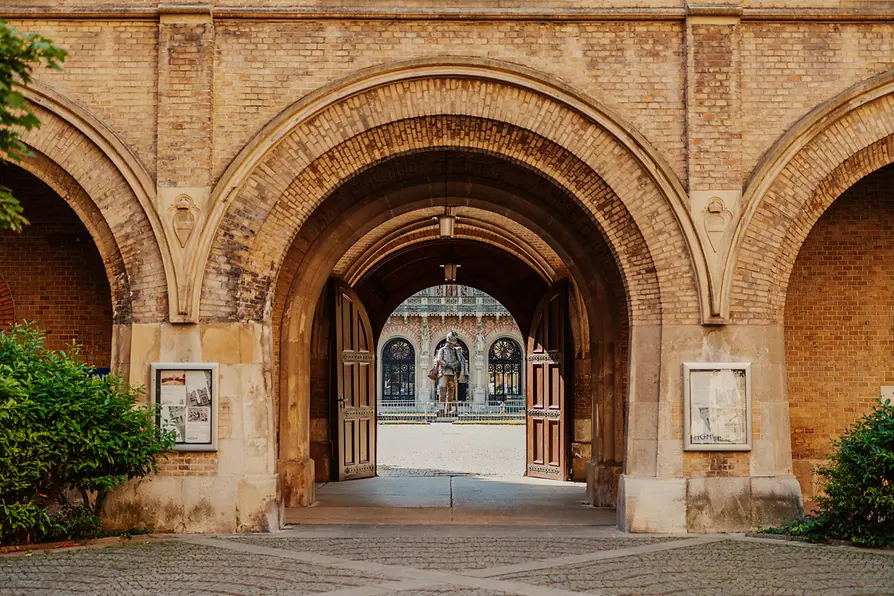
The architects anticipated the style of the Vienna Ringstrasse. Both Moorish-Byzantine and Gothic stylistic elements, a dome, numerous corner towers, and a striking brick design are reminiscent of a knight’s castle. The Hall of Commanders in the entrance area, with 56 portrait statues of the most important Austrian army commanders, demonstrates that the building was designed not only as an armory but also as a tribute to imperial military achievements. The Hall of Fame on the upper floor, with its many frescoes, is also well worth seeing. Today it is used primarily for events.
- Arsenal, Objekt 1, 1030 Wien
- www.hgm.at
- contact@hgm.at
Vienna City Card
Standard ticket price: 3,50€ / Reduced fee: 2,50€
Prices
- Free admission every first Sunday in the month
Opening times
- Tu, 09:00 - 17:00
- We, 09:00 - 17:00
- Th, 09:00 - 17:00
- Fr, 09:00 - 17:00
- Sa, 09:00 - 17:00
- Su, 09:00 - 17:00
- on holidays, 09:00 - 17:00
closed: Jan 1, Easter Sunday, May 1, Nov 1, Dec 24 closed from 14h, Dec 25, Dec 31
Accessibility
3 Steps
Access via ramp
2 Steps
Access via ramp
Ramp 119 cm wide
4 Parking spaces for people with disabilities
Assistance dogs allowed
Accessible toilet
Access to Tank Garden (Panzergarten) on ground floor.