Vienna: A Culinary Medley
Vienna is a city shaped by migration, and has been for centuries. During the Austro-Hungarian Monarchy in particular, many people came to Vienna from the crown lands in search of work. This also influenced Viennese cuisine. It is a melting pot, a blend of culinary styles from Bohemia, Austria, Hungary, Italy and the Balkans. The influence of Bohemian cuisine is especially strong. In the 18th and 19th centuries, many women came to Vienna from Bohemia in what is now the Czech Republic. They worked as cooks in the households of the Viennese upper classes and nobility. The dishes and recipes they brought with them from their homeland became an integral part of Viennese cuisine.
In the 1960s and 1970s, many Gastarbeiter (guest workers) came to Vienna from the former Yugoslavia and Turkey. Their restaurants and snack kiosks continue to shape entire neighborhoods to this day. Chinese restaurants began to establish themselves in Vienna during the 1970s and 1980s. These restaurants were conventionally decorated in a stereotypical pagoda style – something no restaurant in China would actually ever look like. Italy is the most popular travel destination for Austrians, and the popularity of Italian cuisine in the city reflects that.
We visited four culinary businesses that are representative of the countless international cuisines found in Vienna. In these interviews, we talk about yearning and the meaning of home as well as culinary memories.
Jing Chen: From Physics to a Chinese Restaurant
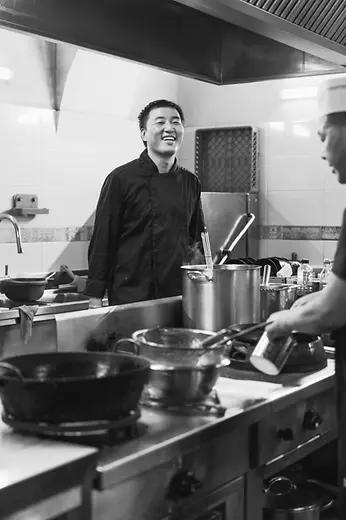
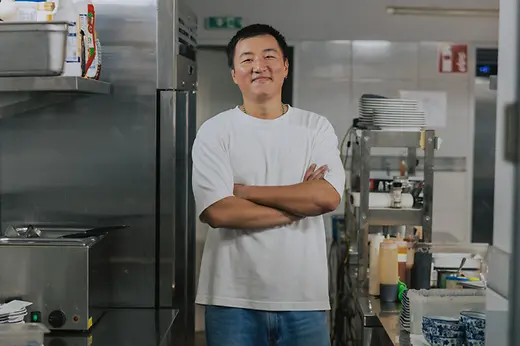
We meet Jing Chen for an interview at his restaurant, Shin, on Praterstrasse in Vienna’s second district. His restaurant specializes in Taiwanese cuisine with a European touch. Lanterns hang from the ceiling. It is a hot day, and most of the guests are sitting in the idyllic courtyard. “It all started at Shin," the personable restaurateur explains. He runs the restaurant with a friend, and its opening in 2019 marked his entry into the industry. Jing Chen is 31 years old and was born in Vienna; his parents hail from China. They both grew up in the same province near Shanghai, but only met in Vienna. "My parents came to Vienna in the 1980s to work in the restaurant trade." Many of their relatives were already living here. "I was born into the restaurant trade," Chen smiles. And yet, it was not his first career choice. He actually studied physics in Switzerland. "For two reasons: first, the search for meaning. Through it, I found answers for my life. Second, I always wanted to be a researcher and explore the world. But there is a proverb in China: there are always higher mountains, and there are always wider skies. There are simply immensely talented people in physics who will always be better than me. So I ended my studies after my bachelor's degree."
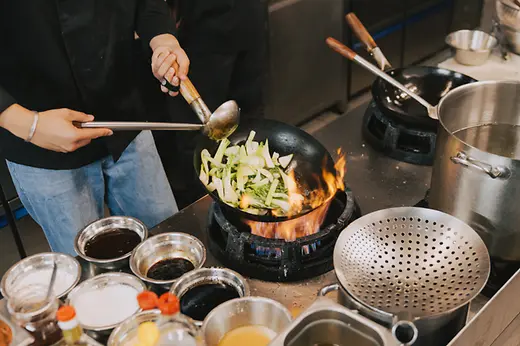
Back in Vienna, Jing Chen began working in the restaurant business – just like his siblings. Before long, he opened Shin. Later, he also took over Market at the Naschmarkt (Vienna's renowned open-air food market), where he had previously worked. Today, he also operates Sopherl am Naschmarkt and is involved in additional projects. Jing Chen personally draws up the menu for his restaurants and cooks wherever he is needed at that particular moment – preferably crewing the wok station. At all of his professional stops, he had good teachers from whom he learned a great deal, including his father. Cooking was always a part of Chen's life. "I think I have a gift for cooking, and I started cooking in the way I thought was right. Before you can cook well, you have to be able to eat well. I have the advantage of being born into a family and culture where food is valued so highly."
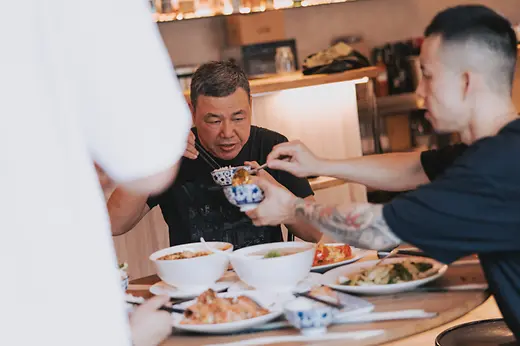
Yet during his childhood, he did not always have an easy time with Chinese food. School in particular opened Jing Chen's eyes to cultural differences. "My mid-morning snack was always a topic of conversation at school. Chinese food smells unfamiliar to many, and the table manners were different too. For us Chinese, smacking your lips and slurping is normal. I was partly discriminated against because of those snacks. But I stood up for the Chinese way. I had the better food with me."
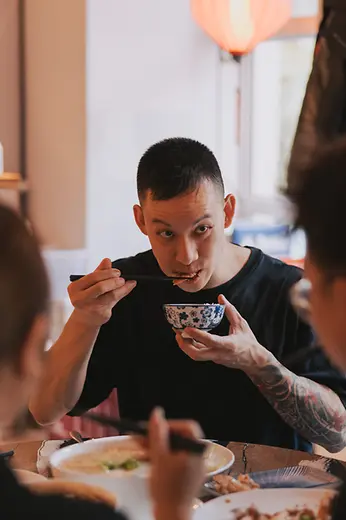
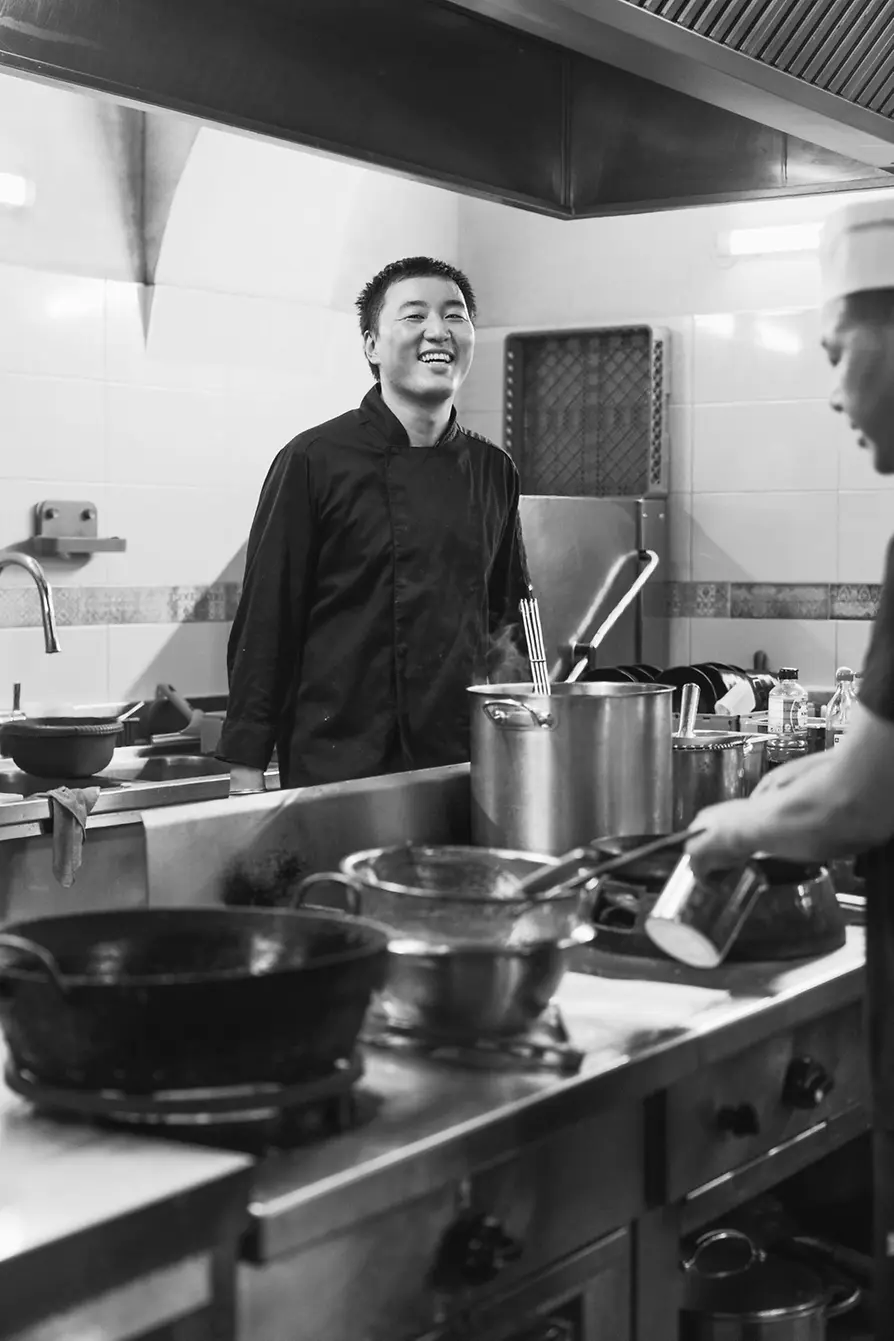
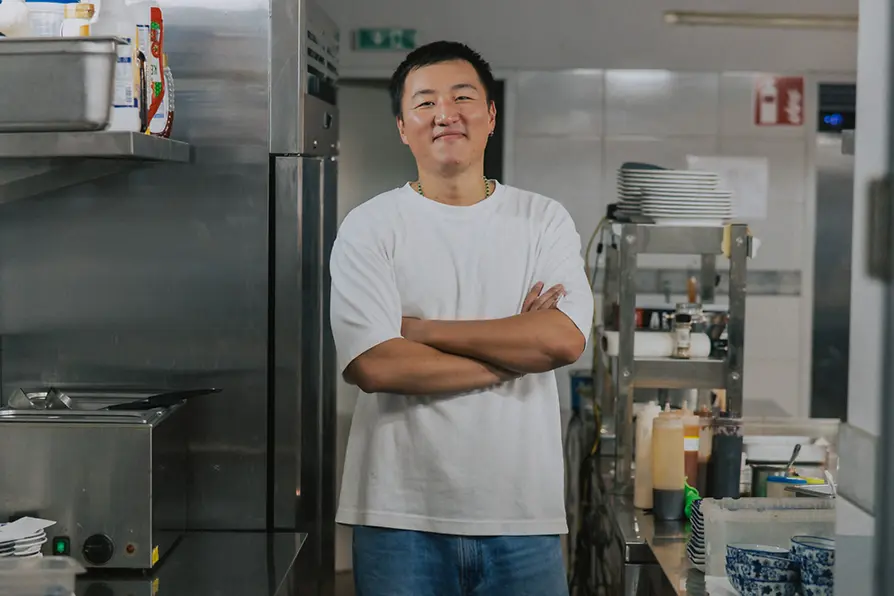
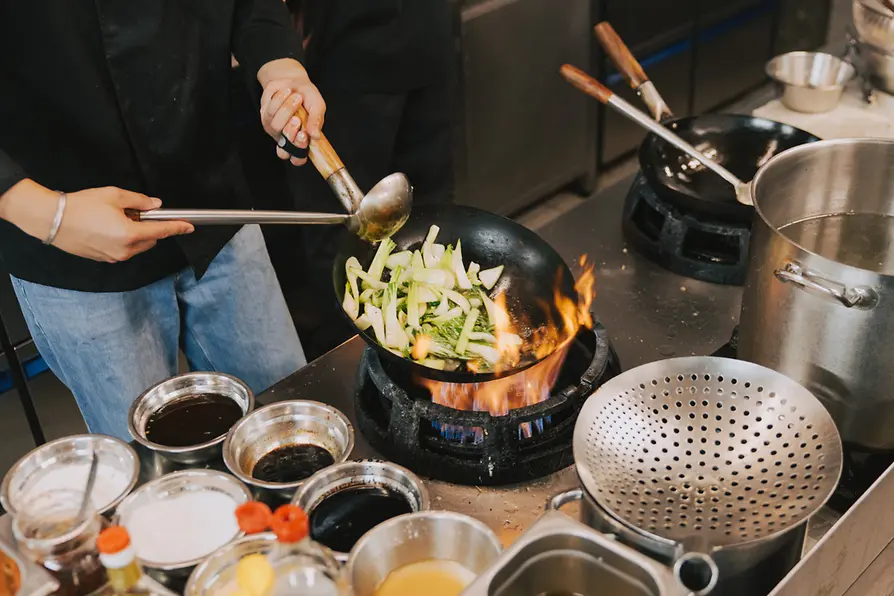
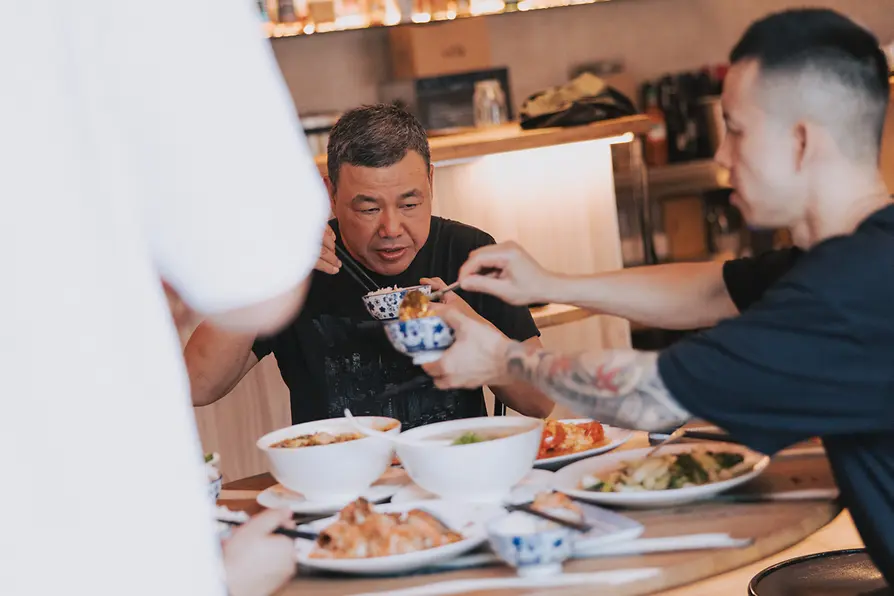
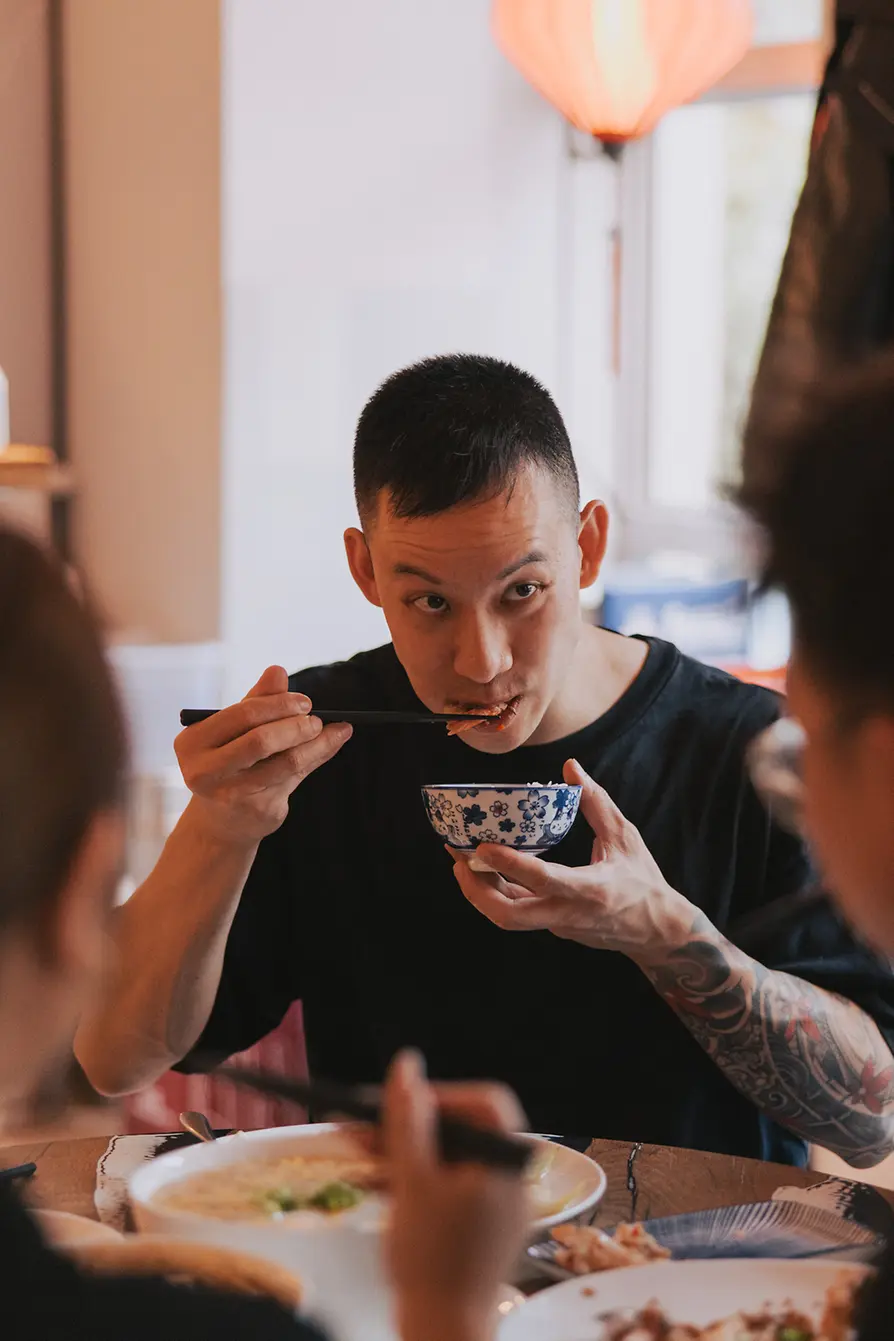
Dispelling some of the prejudices and misunderstandings surrounding Chinese cuisine also serves as the inspiration behind his successful cooking videos on social media. "Chinese and Asian cuisine in general is so often reduced to generic tropes. I wanted to show what Chinese cuisine is truly capable of. Then, in 2024, I made a cooking video just for fun, and it completely took off. That is why making cooking videos is now my line on social media." Jing Chen is now one of the best-known food influencers in the German-speaking world.
His recipe for success? "I see everything that happens like a physics problem. There are conditions that you make the best of and find a solution. In my life, I've done a good job of recognizing the conditions and solving the formula. That is why I’m successful." And Jing Chen has even more plans for the future: at the end of 2026, he is opening a restaurant at Dr.-Karl-Lueger-Platz 5 in the first district that reflects his take on Austro-Chinese tradition. For a long time, this location housed one of Vienna's finest Chinese restaurants. "I will be cooking there myself, too."
Elvira Sari: Heartfelt Ukrainian Cuisine
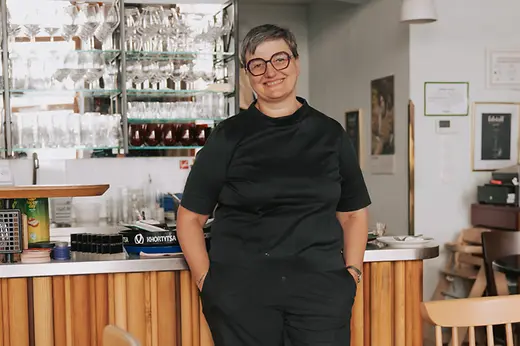
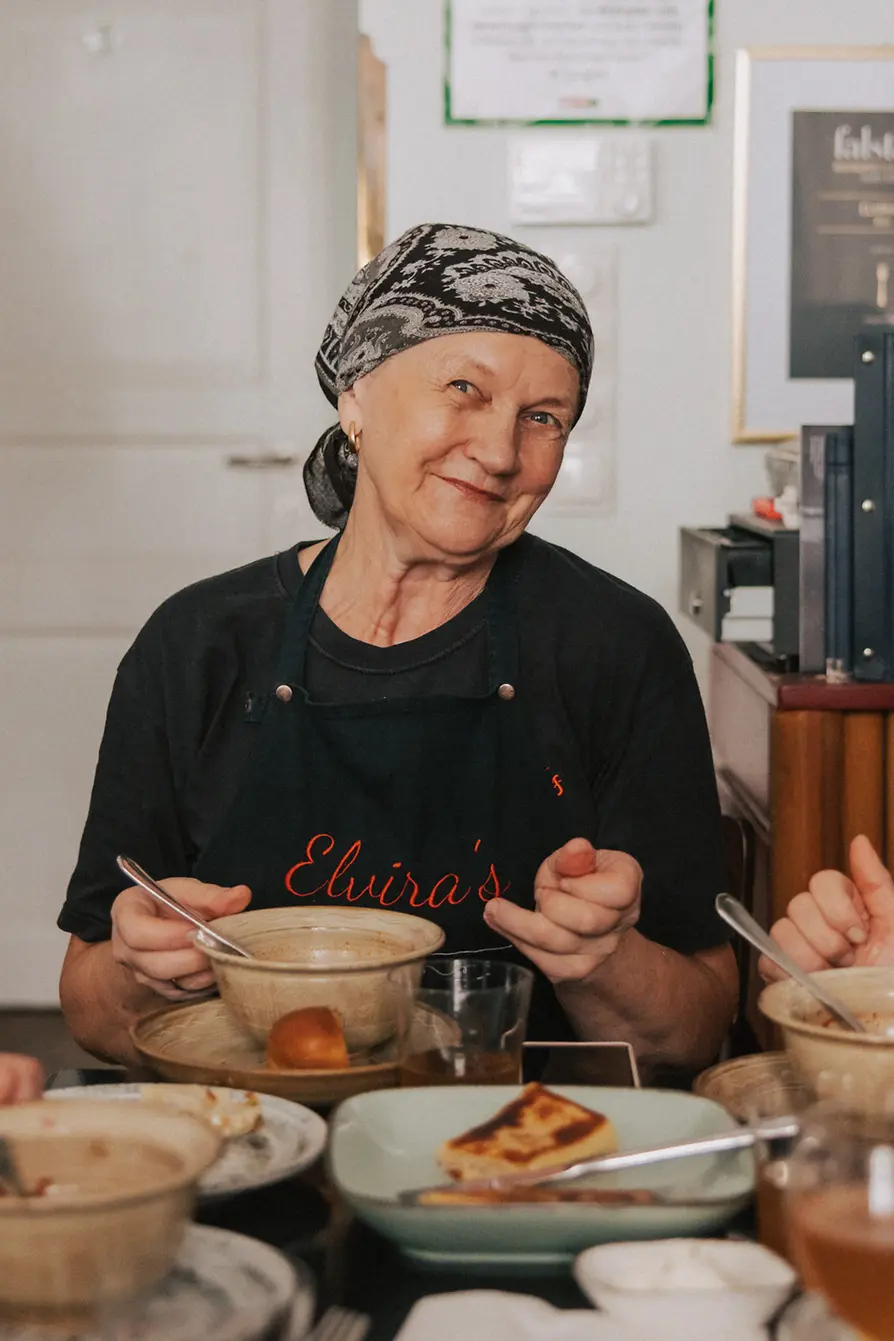
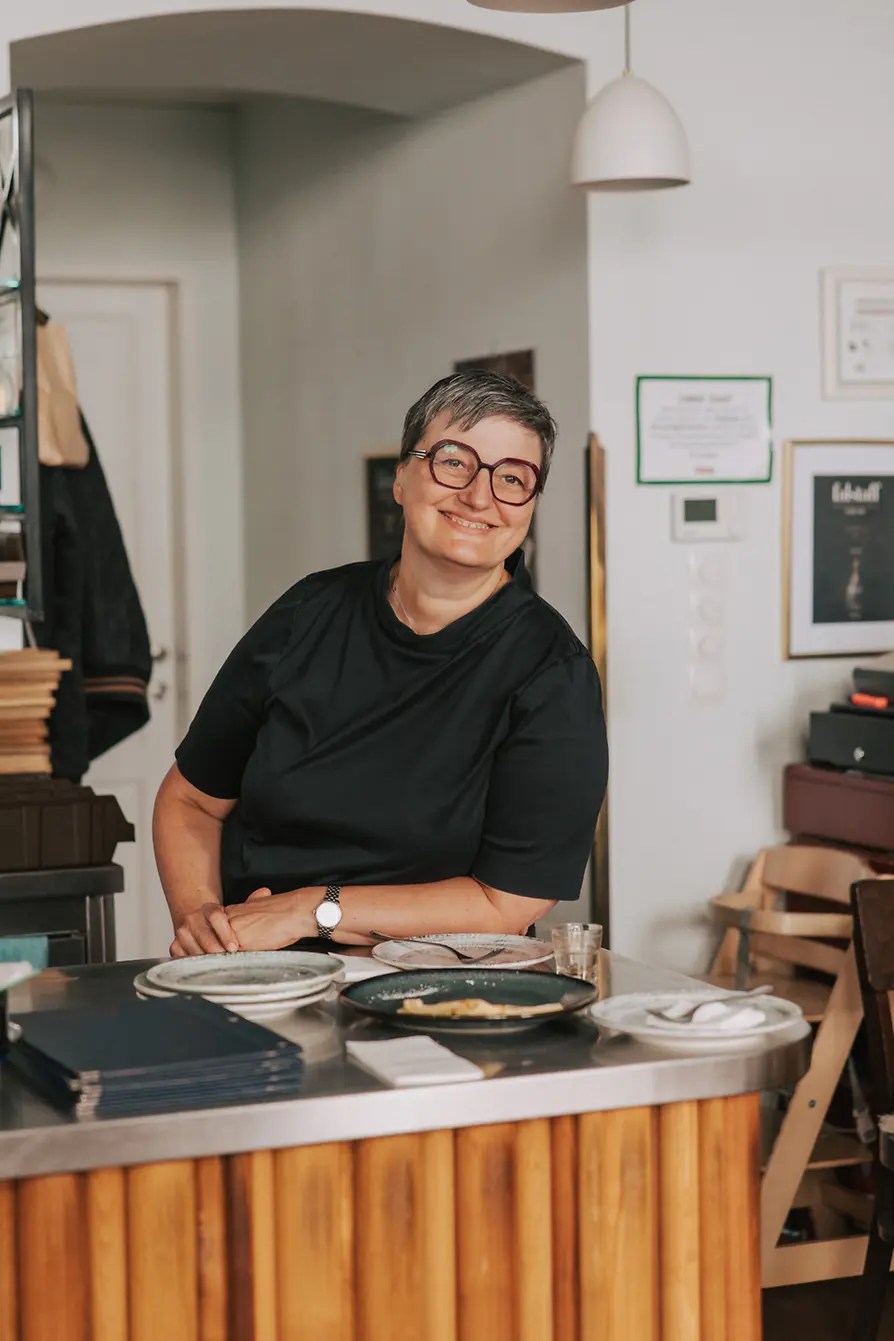
When we visit Elvira Sari at her restaurant, she is with her team busy preparing for the Ukrainian Independence Day celebrations on August 24. And naturally, they are cooking Ukrainian specialties for the occasion. Elvira Sari comes from Ukraine, as does her entire – currently all-female – team. The restaurant, which bears the owner's first name, is cozy with a sleek, modern design. Decorative elements on the walls and at the bar serve as reminders of her homeland. The tableware and the bench upholstery were also brought over from Ukraine. She studied German in Ukraine and first came to Vienna in 1997 as part of a student exchange. "I come from a village and it was my first big trip. My parents bought a large suitcase especially for it – I can still see it in front of me today," she recalls.
After returning to Ukraine, Elvira Sari taught German. Love brought her back to Vienna – and she stayed. Since 2013, she has been running Elvira’s on Seidlgasse in the third district. It was not until she moved to Vienna that Sari gained her first experience of cooking and running a restaurant. "When I started out here, I had a Ukrainian chef who not only taught me how to cook – she was like a mother to me, too." Over time, she developed a real feeling for cooking. Observing what worked well with diners and what didn’t. As a result, the menu is evolving all the time. "The dishes in my restaurant are completely authentic – just modernized a bit, using less lard, for example."
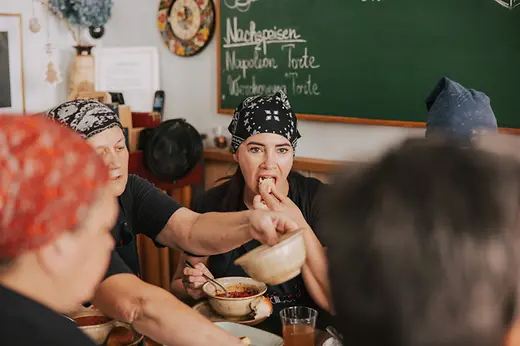
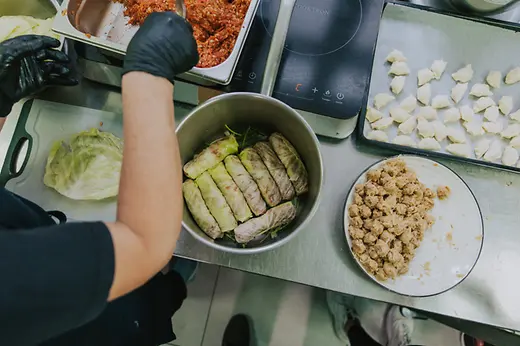
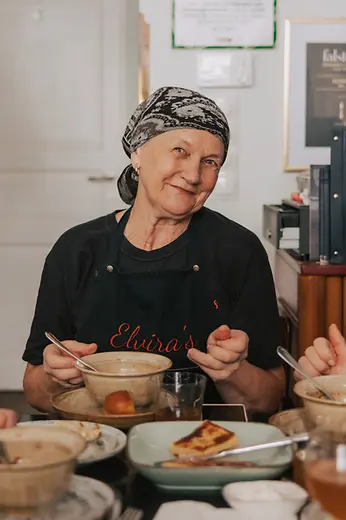
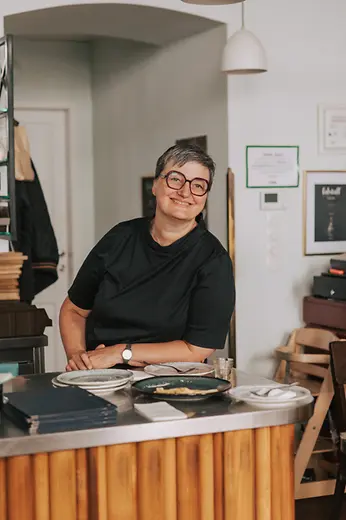
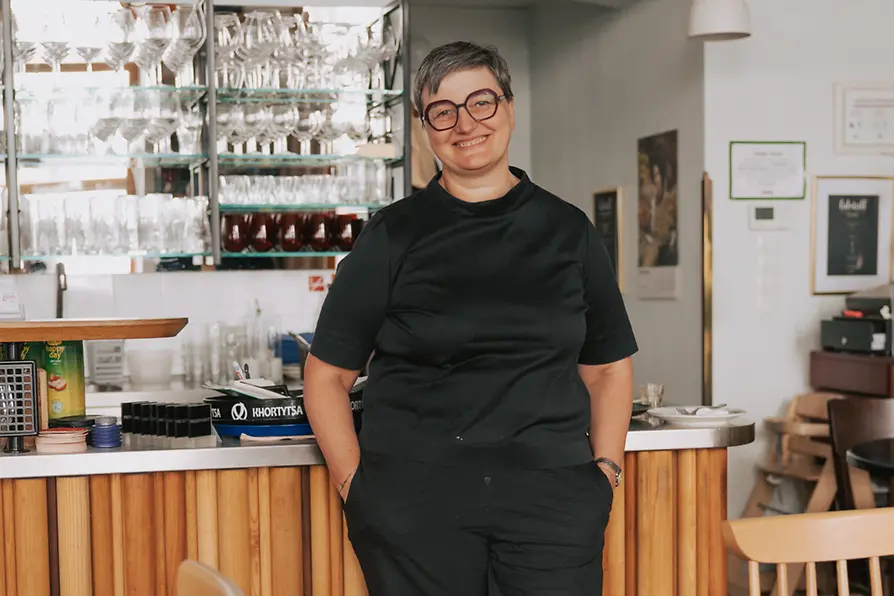
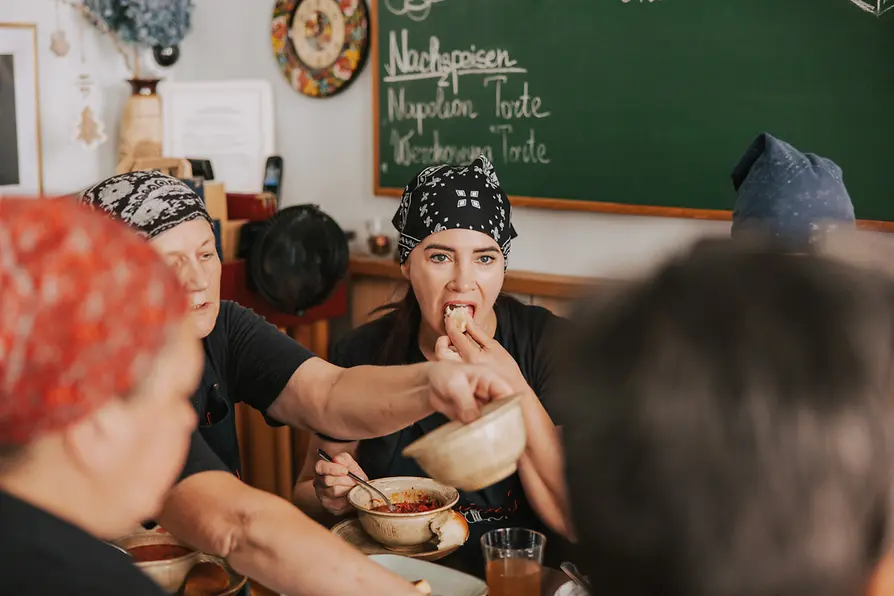
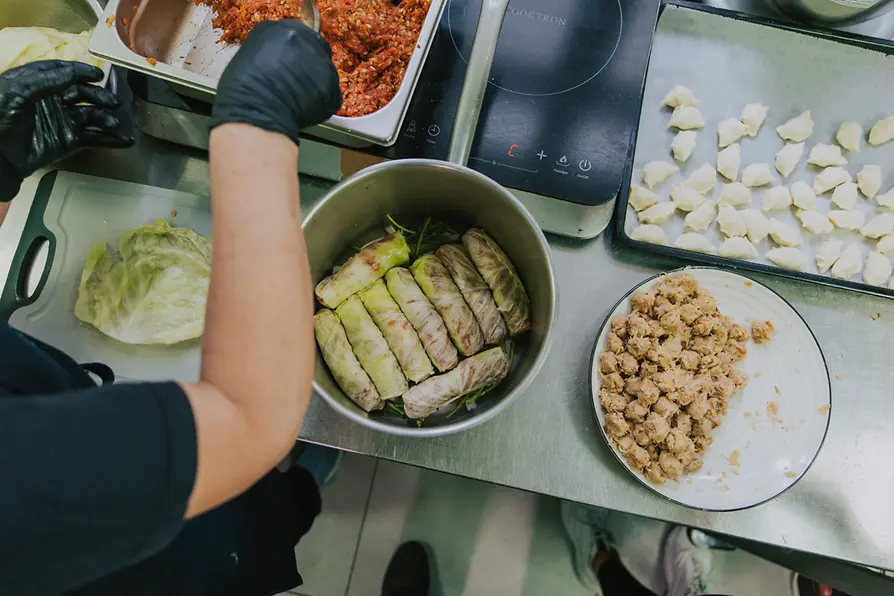
Elvira’s is best known for its homemade varenyky (Ukrainian stuffed dumplings). They are served with melted butter and sour cream. Together with borscht (beetroot soup), these are the most frequently ordered items. But Elvira Sari's personal favorite are the holubtsi (cabbage rolls). "Cabbage rolls connect me to home; my mother used to make them every Sunday. I miss the taste." Sari misses many things from her home in Ukraine, above all her relatives. As well as the culinary staples that she can’t get hold of here: “These include things like my secret ingredients for borscht, as well as a special type of buckwheat that I need for authentic Ukrainian cooking." Uzvar, which she offers us to taste, is something else that is unavailable here. Traditionally drunk at Christmas in Ukraine, this subtly smokey drink made from dried fruits was brought over by her colleagues. Elvira Sari now rarely travels to Ukraine herself. "I haven't been back at all since the war started. I could never have imagined that there would ever be a war there. It is so senseless that so many people are losing their lives."
Sari's beginnings in Vienna were not always easy: "Of course it was hard for me to gain a foothold here, but I have no comparison of how it would have been somewhere else either. Building something up from the ground is always difficult. Now, in retrospect, I am very proud of what I have achieved. I love my work, but it is exhausting." What Viennese cuisine could learn from its Ukrainian counterpart: "Making a lot out of simple ingredients. You don't need expensive ingredients to make people happy."
Formisano Brothers: Amore Italiano in Vienna
Lola the dog is the first to greet us at Crudo del Monte Ofelio. She's there every day, Luca Formisano tells us. Luca and his brother Dario jointly run the Italian restaurant on Gumpendorfer Strasse in the sixth district, as well as the café and aperitivo bar Monte Ofelio in the first district. Luca and Dario Formisano grew up near Naples. "We had a small farm back home in Italy. That farm near Monte Ofelio close to Naples lent its name to our establishments in Vienna. That is where our parents' roots are, and we wanted to bring that to Vienna," explains Dario. He came to Vienna 14 years ago and started out in the fashion industry. Luca followed later.
From early childhood, Vienna was a second home for the pair. "Our mother was Viennese and she met our father in Naples 40 years ago. As children, we were often in Vienna, including during summer and visiting our grandmother," says Dario. "We grew up with home-grown food and really missed that here. We wanted to start a business together." In 2016, Dario and Luca Formisano opened the first Monte Ofelio near the Augarten in the second district. That early iteration of the Monte Ofelio brand was primarily a food store (and has since closed). Everything revolved around outstanding product quality from the outset. All products are sourced from Italy. "We source our products from small producers; we still know all the suppliers personally," Luca tells us. "We inherited our ideology and our appreciation for good products from our mother." She was actually a teacher, but devoted herself to agriculture after her children were born. She served as a role model and inspiration for her two sons.
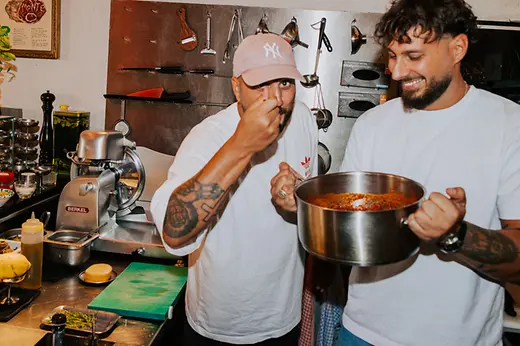
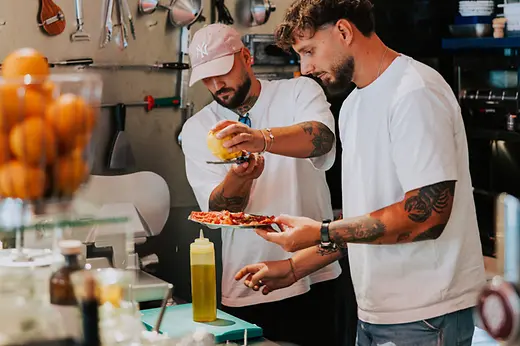
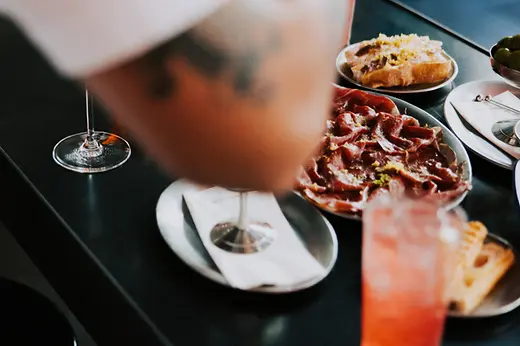
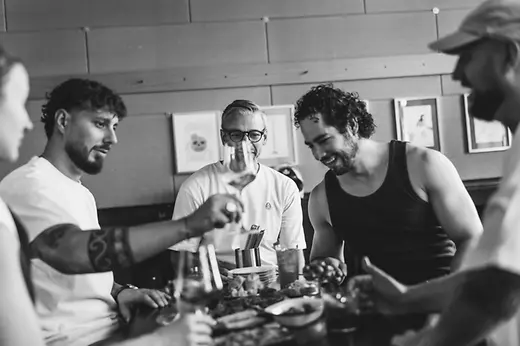
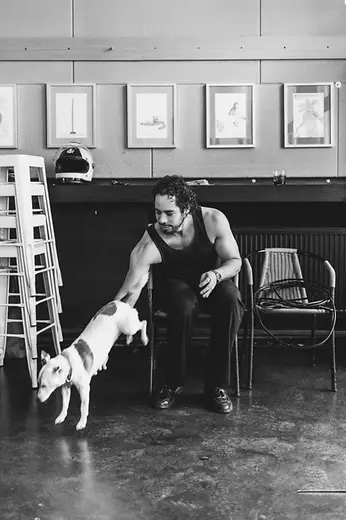
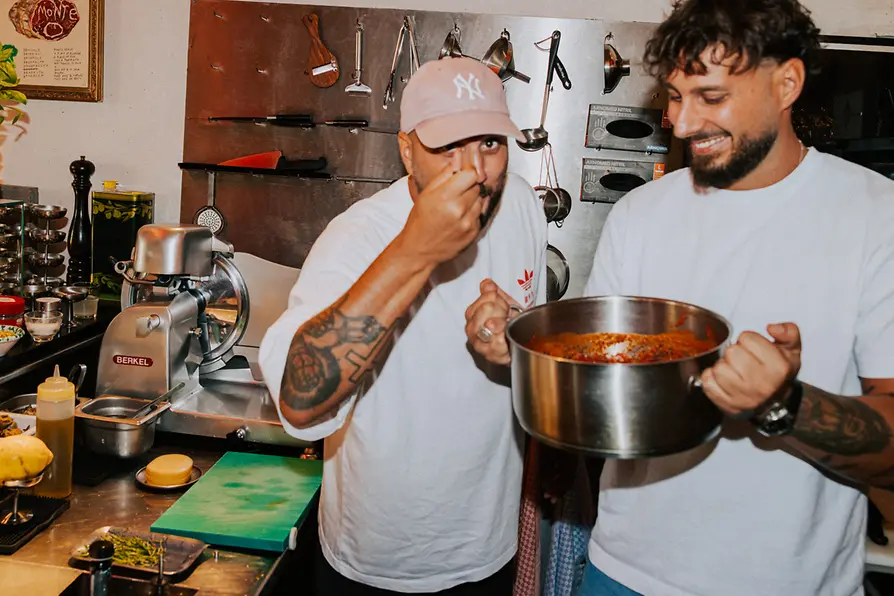
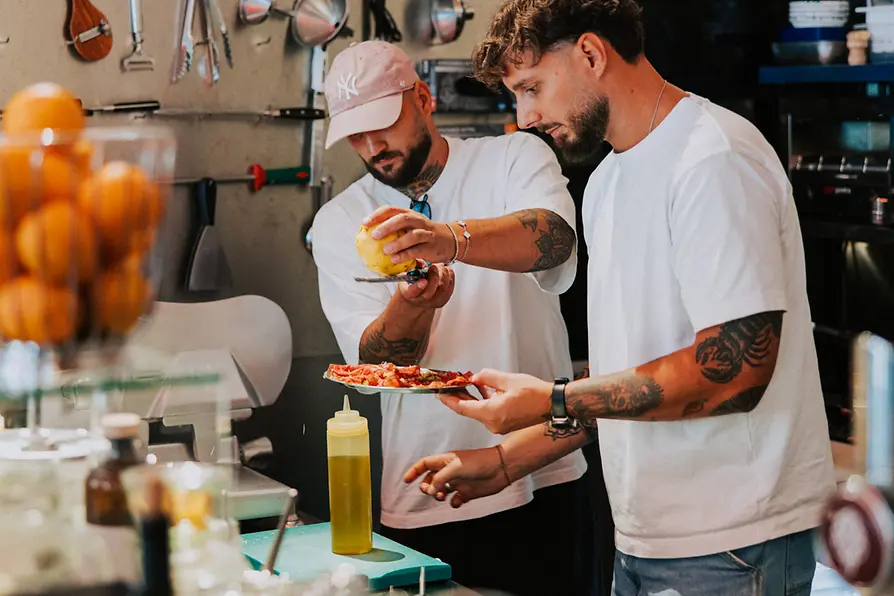
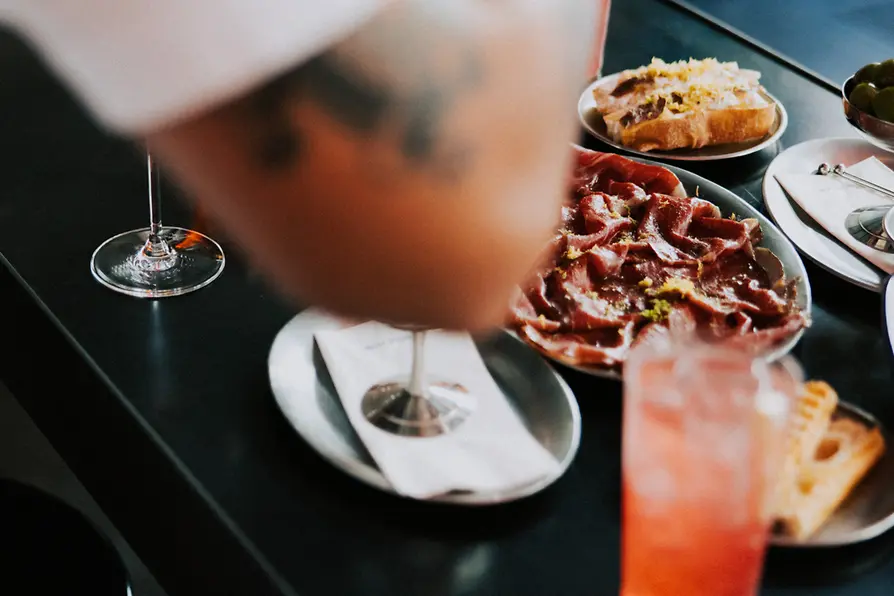
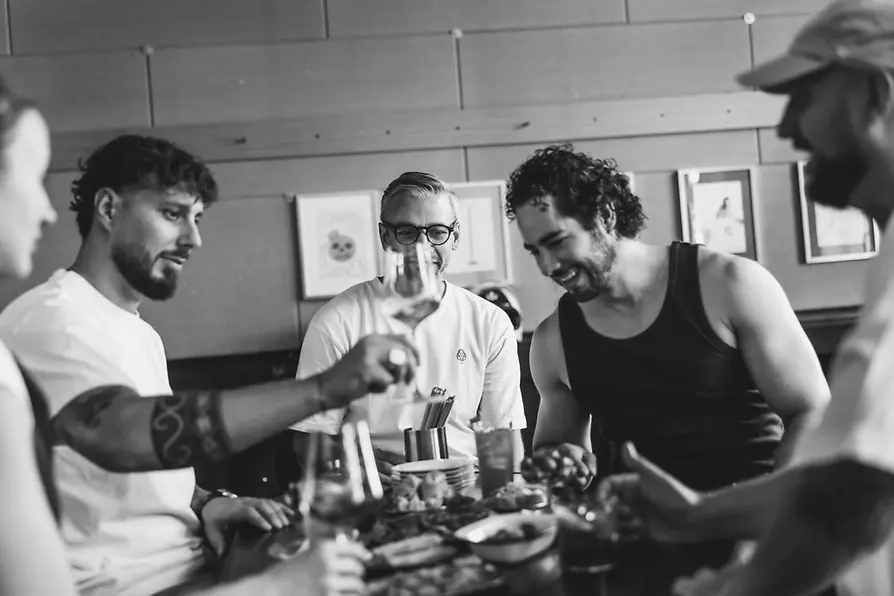
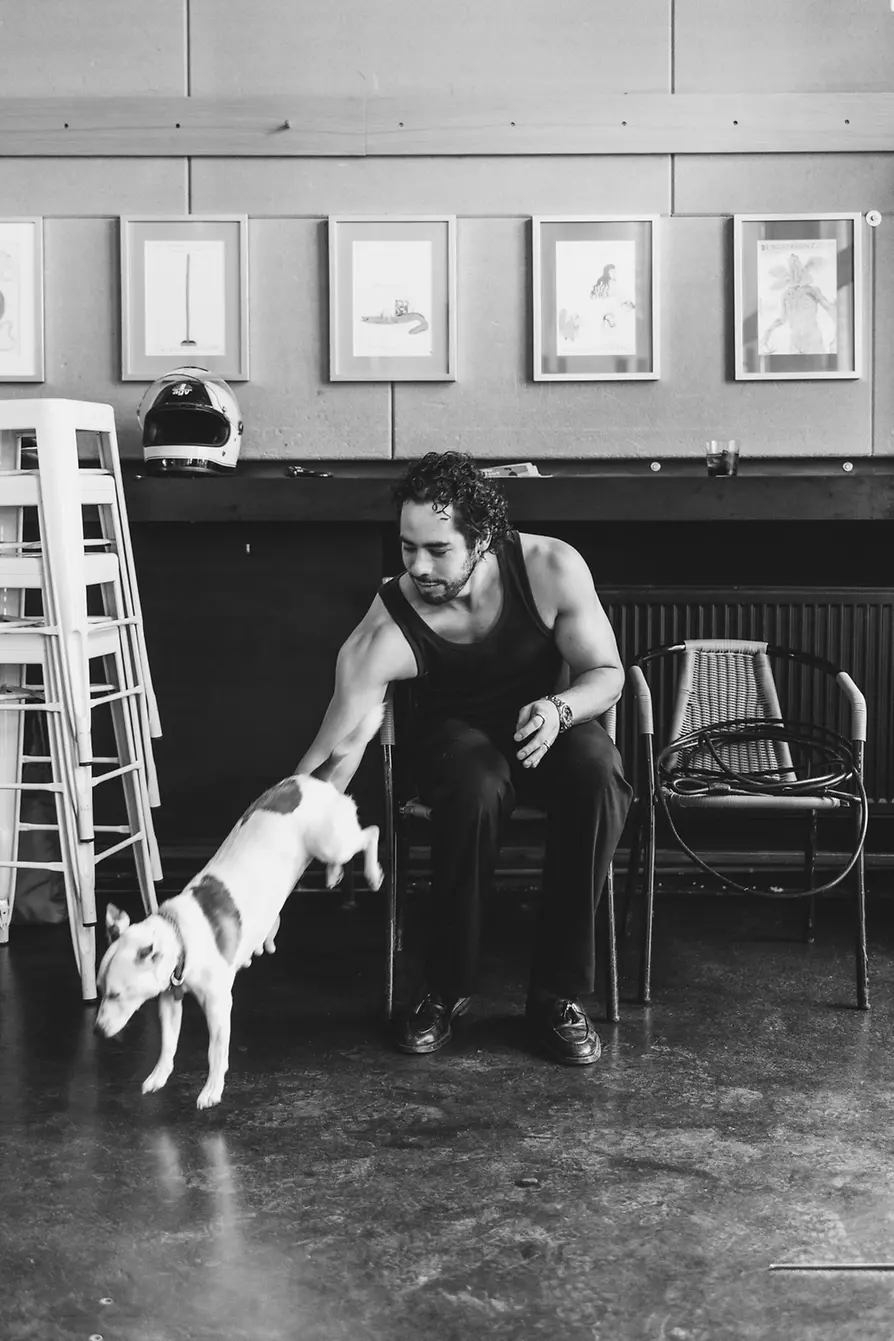
While Monte Ofelio in the first district leans into the Italian cafeteria vibe and caters to the after-work scene, Crudo offers a changing menu of seasonal daily specials such as polpette meatballs – prepared by Luca, who is a trained chef. The bruschette are also extraordinarily good. Alongside serving magnificent Negronis, Crudo also has a strong focus on wine. Luca: "We offer what we like to drink ourselves and what tastes good to us, including champagne." The display case at the bar is filled with delicacies like mortadella, salami, prosciutto, an array of cheeses and pickled artichokes. Artichokes (carciofi) are ubiquitous and even feature as the Monte Ofelio logo. "Artichokes are our family's favorite vegetable. At an Easter celebration in the 1970s, our father brought our mother a grilled artichoke. At the time, our mother spoke no Italian and our father spoke no German, so love blossomed over an artichoke," Luca says with a laugh.
The establishment itself deliberately avoids Italian decor cliches. "In our places, we aren’t looking to convey Italian character through interior design, but through hospitality and a positive atmosphere. Being Italian is about a relaxed lifestyle," says Dario. And you can feel it. The two brothers are warm hosts. The farm near Naples is still there. Filled with memories of childhood and family, of the garden and summers, it remains a place they yearn for. Luca: "In the beginning, the winters here were especially tough for me. We are proud Neapolitans. But Vienna has become home in the meantime."
Haya and Nuriel Molcho: World Cuisine is Their Home
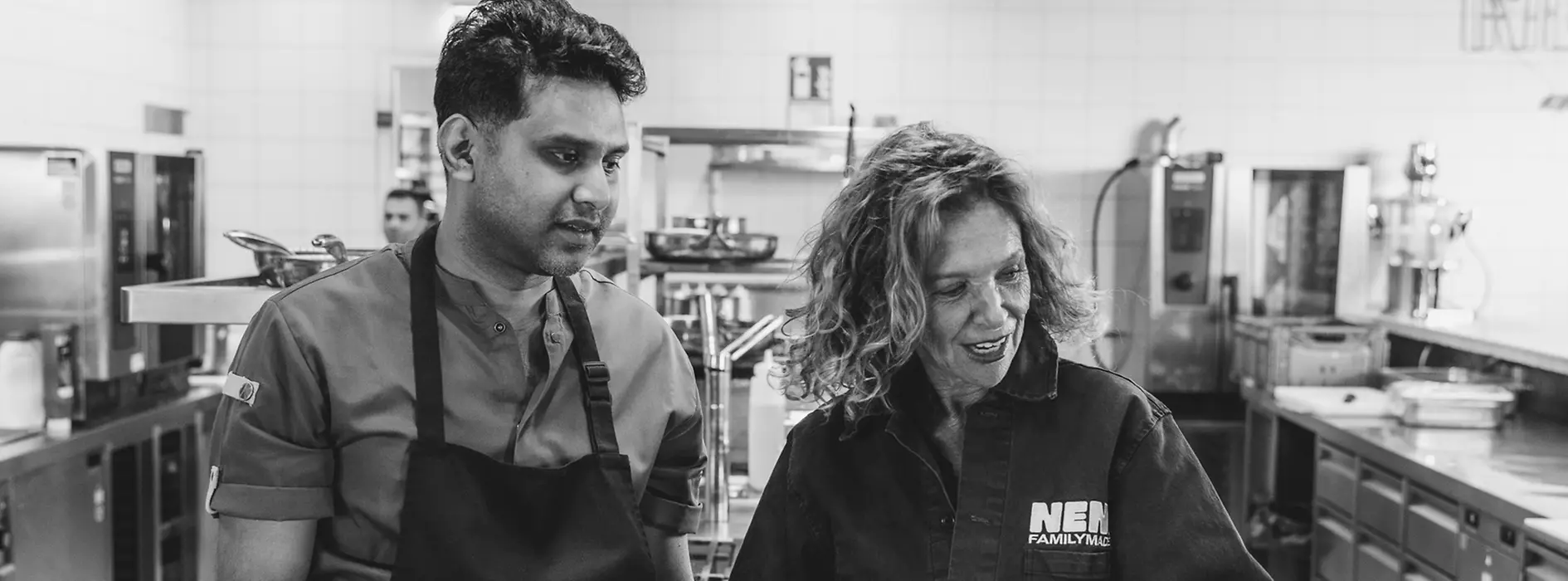
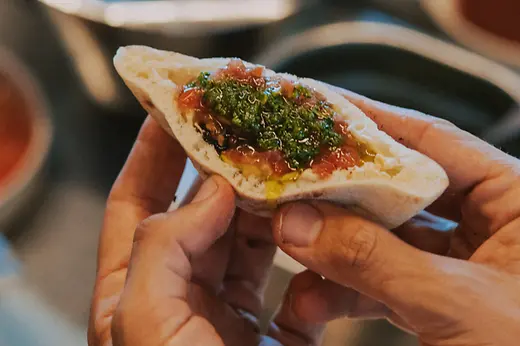
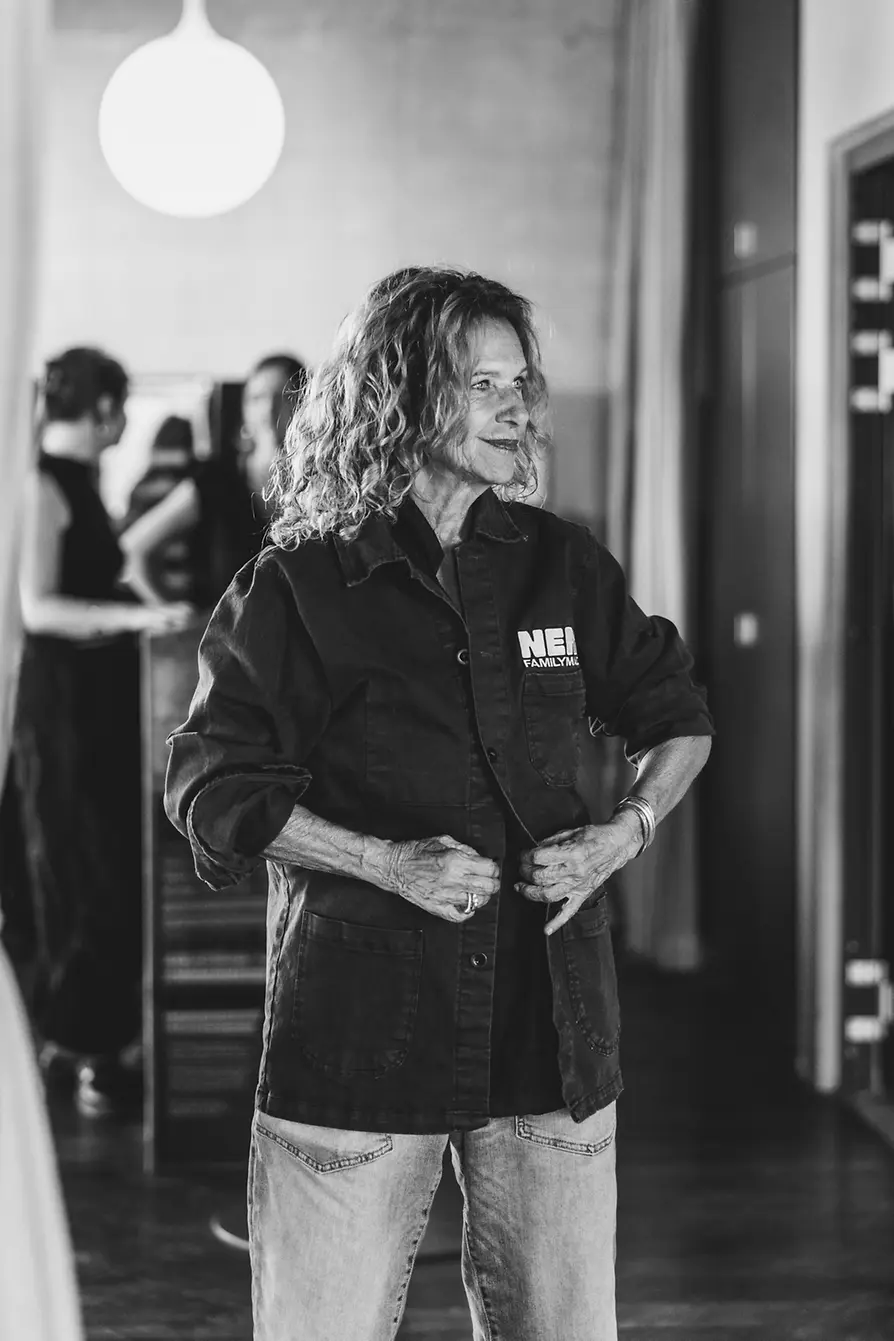
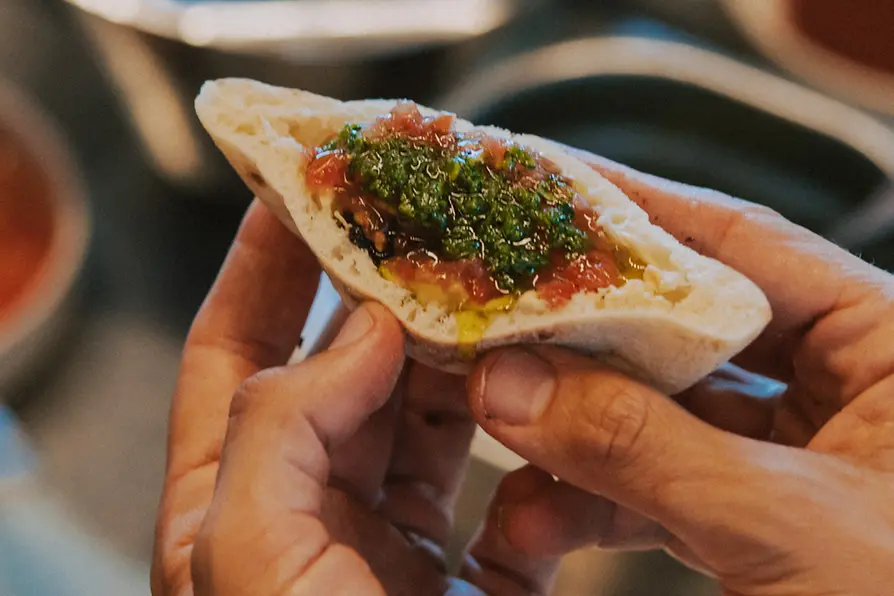
At NENI am Prater, Haya Molcho is currently showing her team how to make sabich. For this typical Tel Aviv street food, pita bread is stuffed with hummus, tahini, diced tomatoes, chili, coriander, and eggplant. This dish reminds Haya Molcho of her home in Israel and is one of her signature dishes. The idea is that all of the ingredients must be tasted all at once with every bite, which makes proper layering crucial. "When we go to Israel, we head straight for the street food market to eat sabich, and we instantly feel right at home," she explains during the interview. Restaurateur and chef Haya Molcho was born in Tel Aviv in 1955 and moved to Bremen at the age of nine when her father started working in the city as a dentist. In 1978, she married the renowned mime artist Samy Molcho and has now lived in Vienna – with interruptions – for 47 years. "My husband and I spent seven years on tour; we are nomads. But our home is now in Austria, in Vienna."
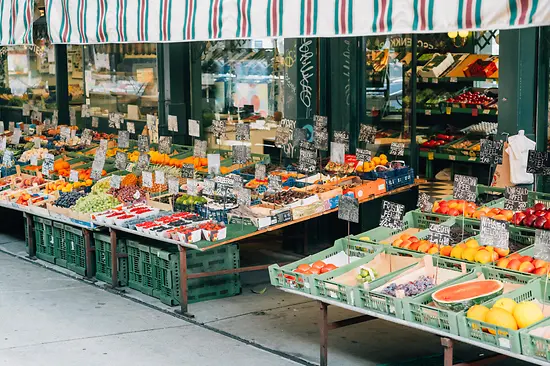
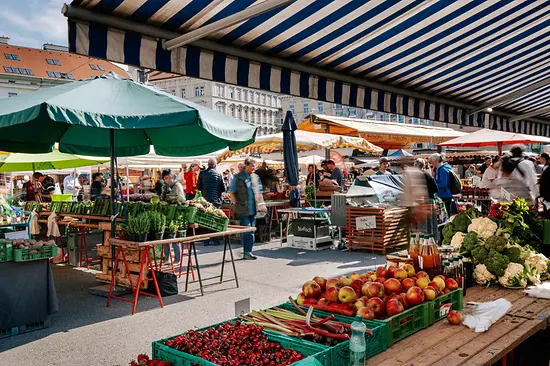
Food has always played a major role in Haya Molcho's family. "I learned cooking and fermenting from my mother, my grandmother and my aunts, and expert food shopping from my father. We lived opposite a market, and he spent every Friday with me there. We knew every stand." It was from this love of cooking and a longing for the flavors of her homeland that Haya Molcho developed the desire to open a restaurant. "I knew that if I ever opened a restaurant, it would have to be at a market, because I grew up in that environment. The market is my home. A market isn't fine dining. A market is street food – it’s the cuisine of the Levant." In 2009, the first NENI restaurant opened at the Naschmarkt. "We looked at all the markets in Vienna and fell in love with the Naschmarkt. It took us a year to secure a location there," recalls her eldest son, Nuriel. With the exception of their youngest, all of Haya and Samy Molcho’s sons work for NENI. Today, NENI is a successful culinary brand spanning 14 restaurants across Europe, with products even available in supermarkets. The name NENI is an acronym formed from the first initials of the four sons: Nuriel, Elior, Nadiv and Ilan.
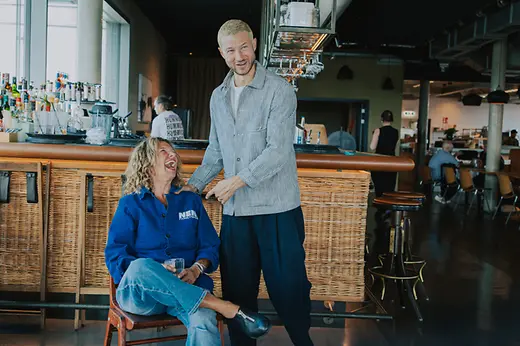
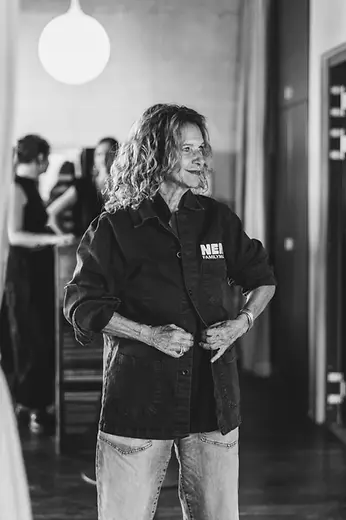
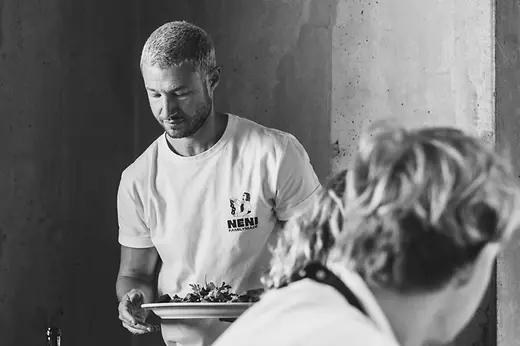
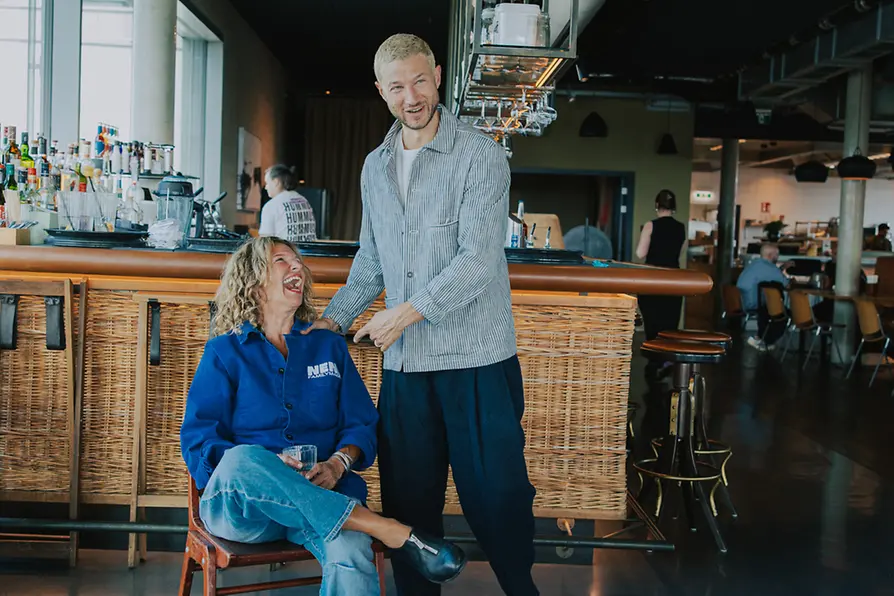
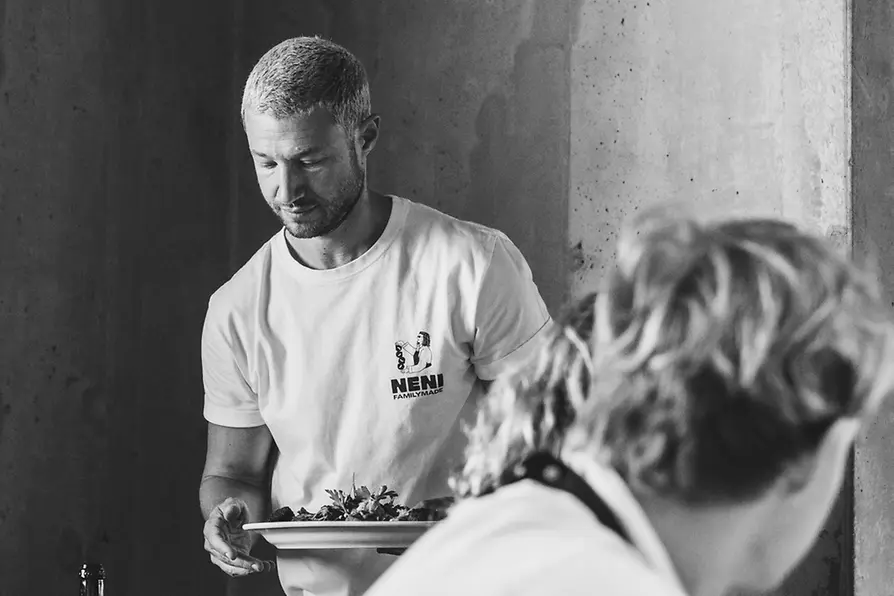
Nuriel and his brother Elior had just finished their studies abroad when a call came out of the blue. It was their mother saying that she wanted to open a restaurant. Without any hesitation, they immediately flew to Vienna to support her. "In the beginning, it wasn't entirely clear who was doing what. We just worked," says Nuriel. Running a family business isn't always simple and harmonious. "A rich mix of personalities keeps the work exciting. If everyone always agrees, you never really have to dig deep and ask whether what you're doing is right. It's actually good that we have differing opinions. After all, we are all pursuing the same dream. That also means that even when you argue, you know deep down that everyone just wants what's best."
Haya Molcho describes her cuisine as eclectic – as world cuisine. "In Israel, where I grew up, it isn't just Middle Eastern food. We are influenced by Palestine, Jordan, Lebanon, and the broader region, but we also had parents who arrived in Israel after the second world war. Back then, we were street kids. There was no air conditioning, it was hot, and we spent our time outdoors. Every mother would invite us in for food. Whether it was a Polish Jewish mother, a Yemeni mother, or Jewish women from Vienna. Every country brought its cuisine along after the Second World War, and that formed my culinary backdrop as a child in Israel. I have tasted world cuisine." And today, that is precisely what she cooks.
At NENI restaurants, the classic dishes remain the most popular: the Jerusalem platter, sabich street food and tabbouleh salad. Haya Molcho develops the dishes for the NENI restaurants in close partnership with her chefs. Everyone presents their creations, and together they decide what makes it onto the menu. "A successful restaurant stands or falls on the motivation of its kitchen staff. As a boss, you have to act with respect and acknowledge every single individual. We speak six languages here, and everyone should take pride in their cuisine." Respectful co-existence is vital to her. "Here, everyone is equal – there are no distinctions. That applies to tips as well; they are divided equally, whether you are washing dishes, or you’re the head chef."
Although Haya Molcho feels like a Viennese, she senses a deep longing for Israel. "I love Vienna and its culture, but my deepest roots lie in Israel. I visit Israel as often as I can, every four to five months. I need the air there." In her latest book, Memories That Taste Good (Erinnerungen, die schmecken), Haya Molcho writes about a life shaped so strongly by culinary memories. This culinary autobiography is her most personal book yet. And Haya Molcho still has a lot of plans: "I will work for as long as I can, as long as I enjoy it and the passion remains. Life is colorful, and I don't want people to look back later and say: Haya was a good girl. I want them to say: Haya lived life to the full."
Text: Susanne Kapeller
- Praterstraße 22, 1020 Wien
- www.shin.at
- office@shin.at
Opening times
- Mo - Fr, 11:30 - 22:00
- Sa - Su, 12:00 - 22:00
- Linke Wienzeile 36, 1060 Wien
- www.market-restaurant.at
- reservierung@market-restaurant.at
Opening times
- Mo - Th, 11:00 - 00:00
- Fr, 11:00 - 01:00
- Sa, 09:00 - 01:00
- Su, 09:00 - 00:00
- Seidlgasse 39, 1030 Wien
- elvirasrestaurant.at
- info@elvirasrestaurant.at
Opening times
- Mo - Fr, 11:30 - 22:30
- Sa, 17:00 - 21:30
- Gumpendorfer Straße 10-12, 1060 Wien
- www.instagram.com
Opening times
- Tu - Sa, 09:00 - 22:00
- Schottenbastei 2, 1010 Wien
- www.instagram.com
Opening times
- Mo - Fr, 07:30 - 22:00
- Sa, 10:00 - 22:00
- Naschmarkt Stand 510, 1060 Wien
- www.neni.at
- info@neni.at
Opening times
- Mo - Sa, 08:00 - 23:00
- Su, 09:00 - 21:00
- on holidays, 09:00 - 21:00
- Perspektivstraße 8, 1020 Wien
- neni.at
- reservation@neniamprater.at
Opening times
- Mo - Th, 07:00 - 23:00
- Fr, 07:00 - 00:00
- Sa, 08:00 - 00:00
- Su, 08:00 - 23:00
- Obere Donaustraße 65, 1020 Wien
- nenifood.com
- reservierung@neniamwasser.at
Opening times
- Tu - Sa, 17:00 - 00:00