The treasures of Viennese pastry culture
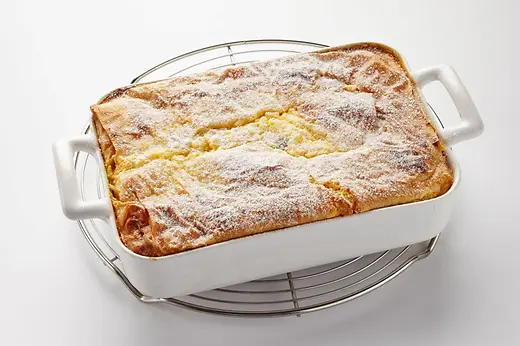
Sweet treats like Wäschermädel, Schlosserbuben, Liwanzen, Pofesen, and Polsterzipfe have almost faded from memory. They are part of the vast treasure of pastries of Viennese cuisine, which have been cherished and refined over the centuries. From simple country-style yeast-dough creations and fruit-filled dumplings to artfully layered coffeehouse tortes, each specialty speaks to tradition, cultural exchange and the Viennese way of life. To this day, the Viennese enjoy their pastries not only as dessert but as a staple of everyday life. While the emperor and the nobility ate pastries as dessert, among the lower classes they were often served as a filling, inexpensive main course. This was especially true on the many fast days when no meat could be eaten.
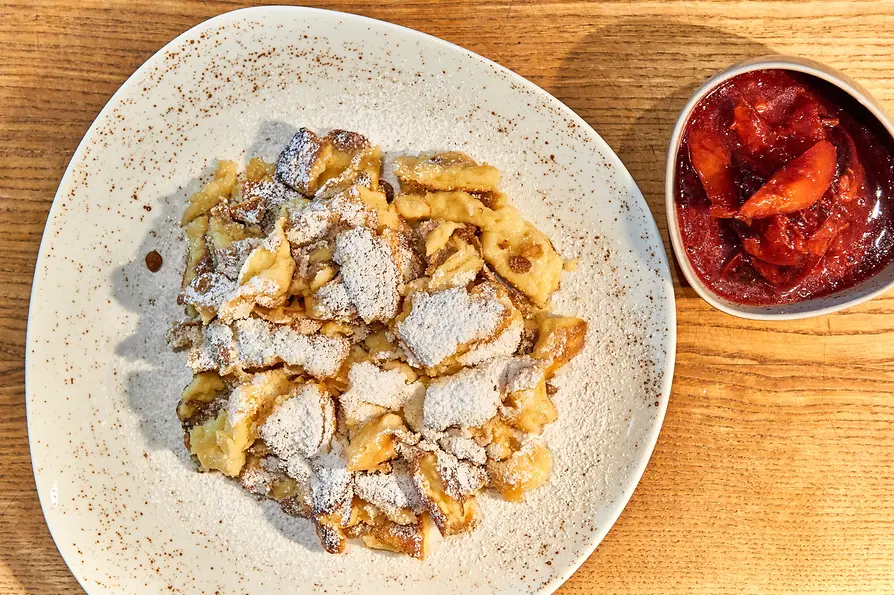
The precise beginnings of Viennese pastry culture are hard to pin down. Many dishes have rural roots. The well-known Kaiserschmarren was already around in the 16th century: farm families ate the egg batter straight from the pan. Only later, under Emperor Franz Joseph I, did the imperial court chefs refine the Schmarren and make it fit for high society. Greater availability of sugar played a major role in this. From then on, these little fried pancakes were one of the emperor’s favorites. There are two legends associated with the origin of the name: according to the imperial court pastry chef, the dish was originally intended for Empress Sisi. However, since she refused to eat the hearty sweet treat, the emperor said she should give him the “Schmarren”. Another legend tells of an Alpine dairyman, called a “Kaser” in Austrian, at a hunting lodge, who served him a dish fit for an emperor.
Recipes introduced by Bohemian women cooks
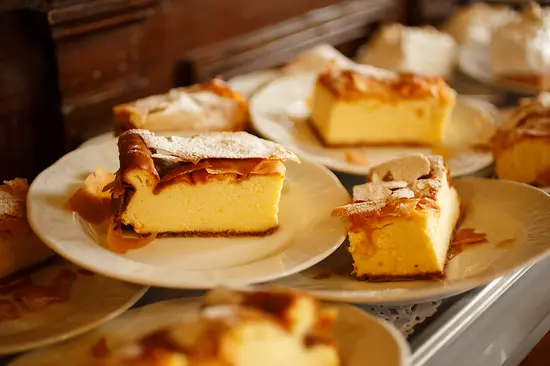
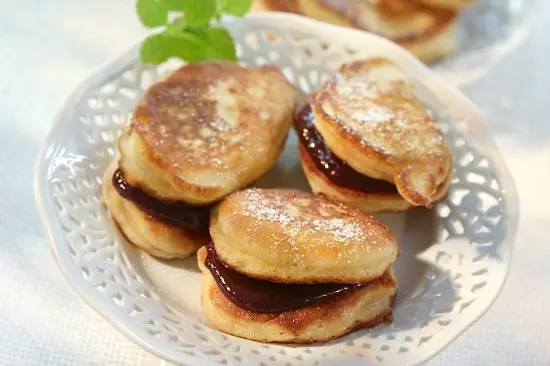
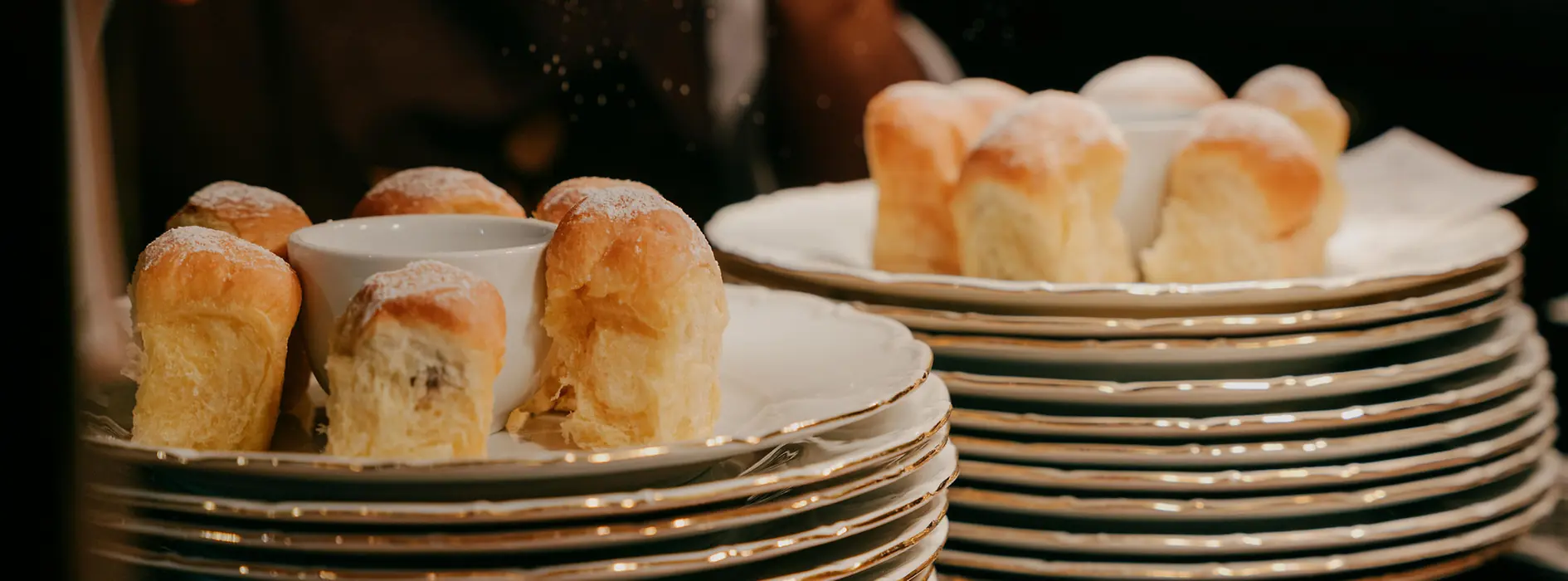
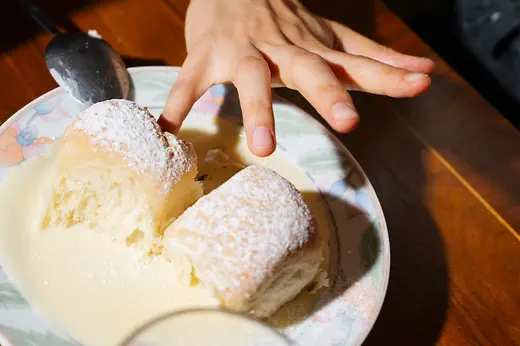
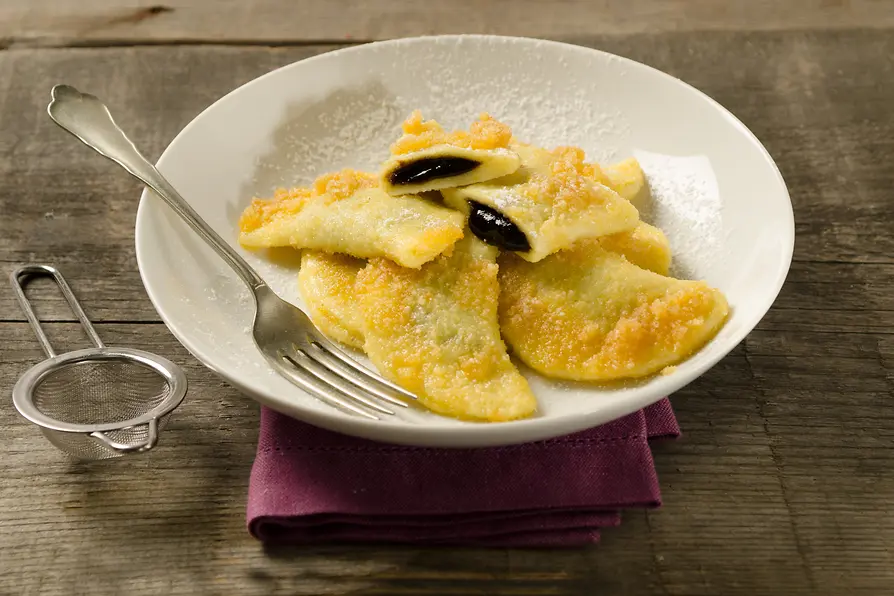
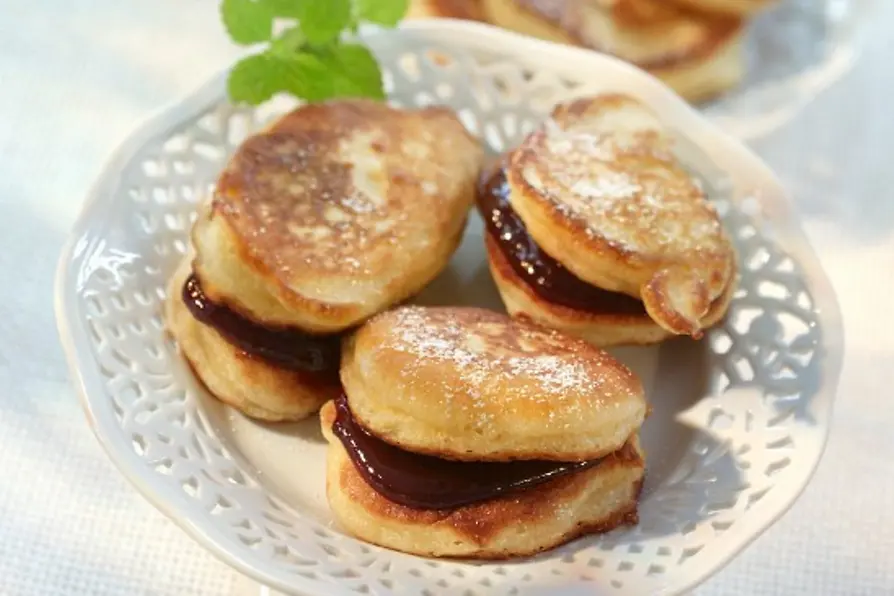
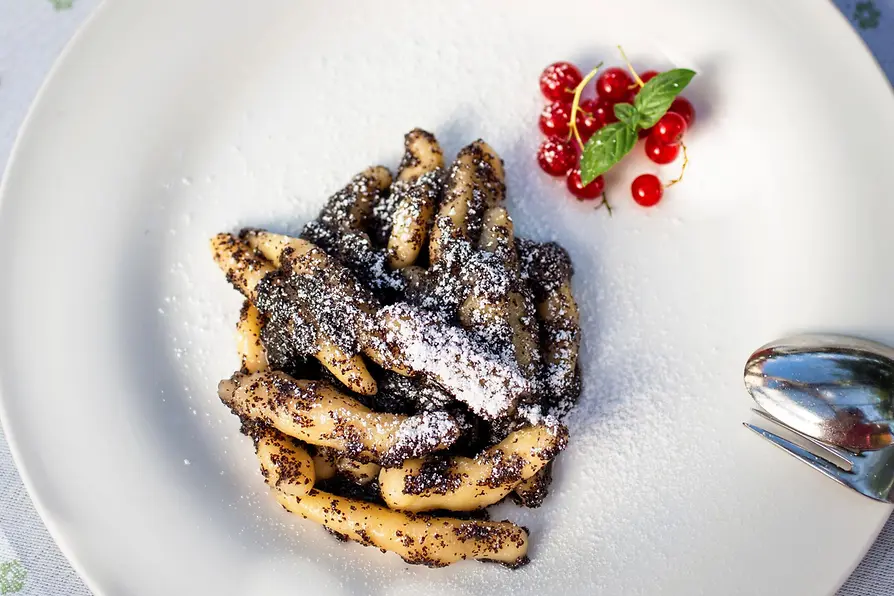
During the Habsburg Monarchy, Austria was a multi-ethnic state with Vienna as its center. In the 18th and 19th centuries, many people came to Vienna from Hungary and Bohemia in search of work. They brought new tastes, ingredients and recipes with them. These outside influences left a lasting impression on pastry culture. Unlike the confectionery trade, the pastry kitchen was firmly in women’s hands at the time: Bohemian women cooks worked in affluent Viennese households and brought their recipes with them. Potato and yeast dough were increasingly used in finer pastries. These types of dough came from Bohemia, along with sweet recipes that remain popular in Vienna to this day. These include the famous Bohemian Buchteln. These yeast-dough pastries are filled with Powidl, a special Bohemian plum jelly. They are usually served with vanilla sauce. The Buchteln at Café Hawelka are famous across the city; they are served fresh there daily from 8 pm. The smaller, more refined version of the Buchteln is called a Dukatenbuchtel and can be enjoyed at places like Restaurant Sperling in the Augarten. Also popular are Powidltascherl, Mohnnudeln (made from potato dough), and the famous Palatschinken (thin crepes filled with jam). They all originated in Bohemia, as did Liwanzen, thick yeast pancakes traditionally served with Powidl or sour cream. These Bohemian delicacies appear, for example, on the menu at Gasthaus am Nordpol 3, alongside other specialties of Bohemian-Viennese cuisine.
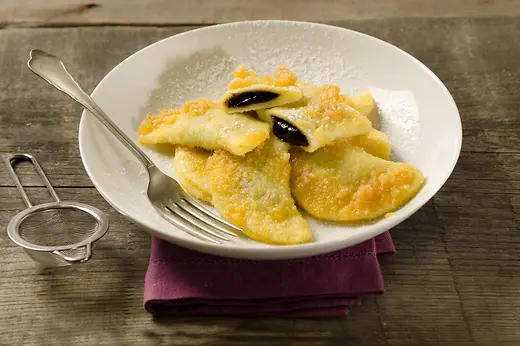
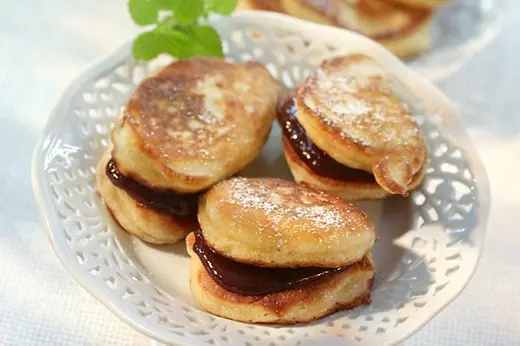
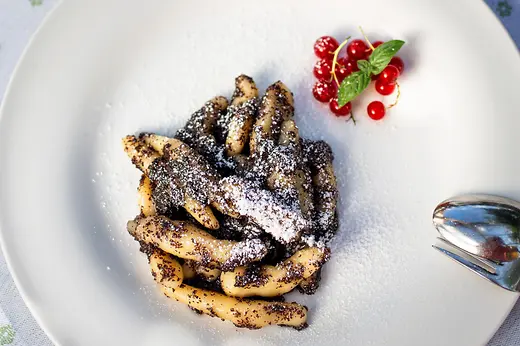
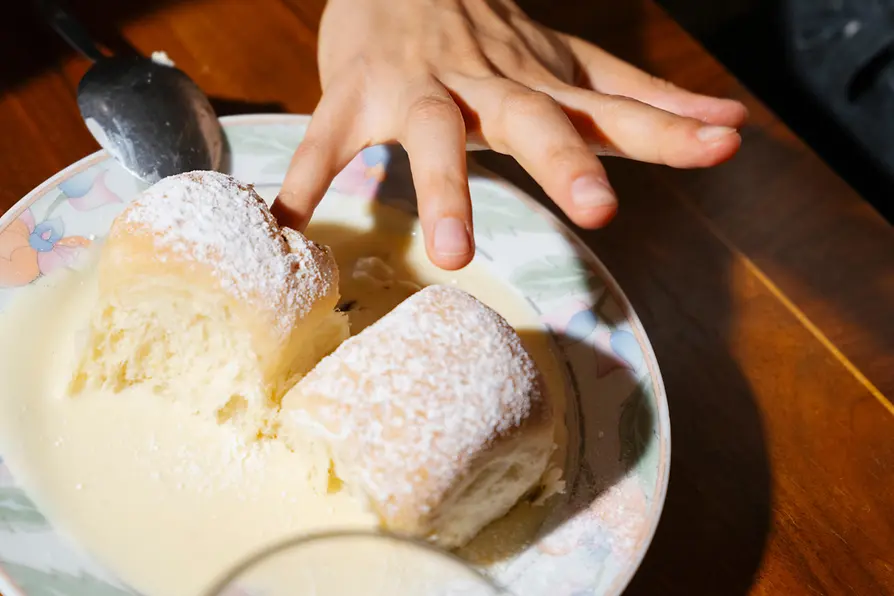
One of the oldest Viennese pastries was eaten as far back as the Middle Ages. A 14th century German-language cookbook mentioned Pofesen for the first time. These are slices of bread dipped in milk and egg, then fried in fat. Because their shape evokes the shields on a knight’s coat of arms, these pastries are also known as “Arme Ritter”, meaning ‘poor knights’. Another pastry that Viennese people loved to nibble on as far back as the 16th century is gebackene Mäuse. The sweet treat tastes better than the name (‘baked mice’) suggests: little balls of yeast dough are deep-fried in hot oil until they puff into round little mice with tiny tails.
Well-traveled pastries
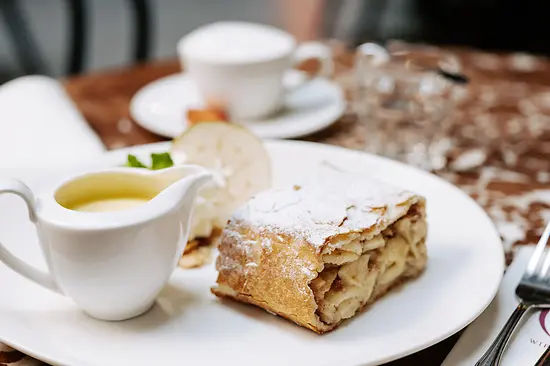
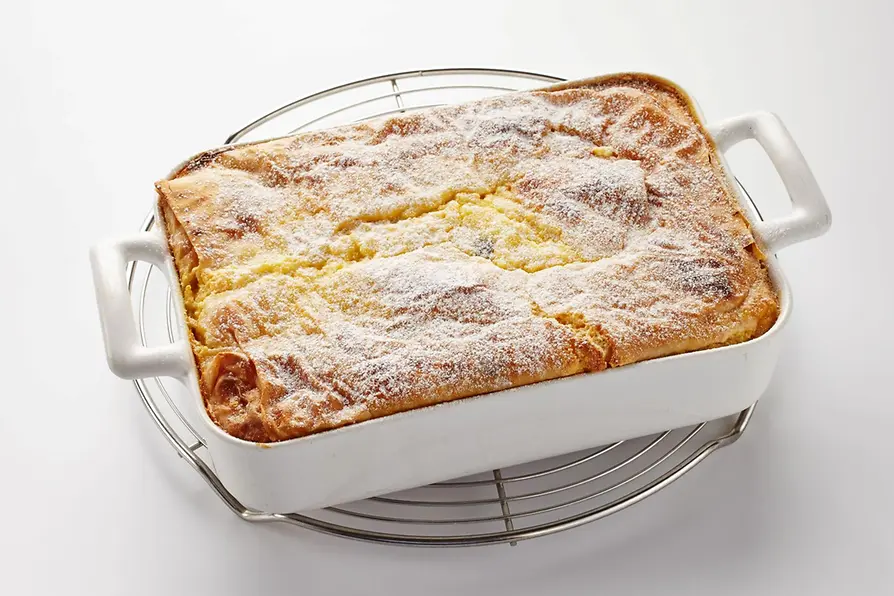
Even though Apfelstrudel is known everywhere, it still deserves a mention. That is because strudel dough originally came from the Ottoman Empire. Although the first strudels were rolled far from Vienna, strudel dough quickly took hold in Viennese cuisine. The oldest strudel recipe is the Milchrahmstrudel. The Viennese mostly call it Millirahmstrudel; legend has it that a woman named Milli invented it around 1900 at a tavern in the Vienna Woods.
One special pastry takes its name from the Wäschermädel, the washer girls who emerged as a distinct profession in the 19th century. The Wäschermädel embodied zest for life and an unaffected, natural charm. There is also a sweet dish which bears that name: apricots in batter, filled with marzipan and baked until golden brown. A pastry called the Wiener Schlosserbuben is dedicated to the city’s locksmith boys: the recipe is similar to that of the Wäschermädel, except they are filled with prunes instead of apricots.
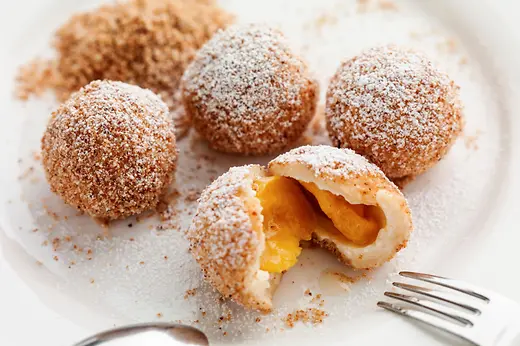
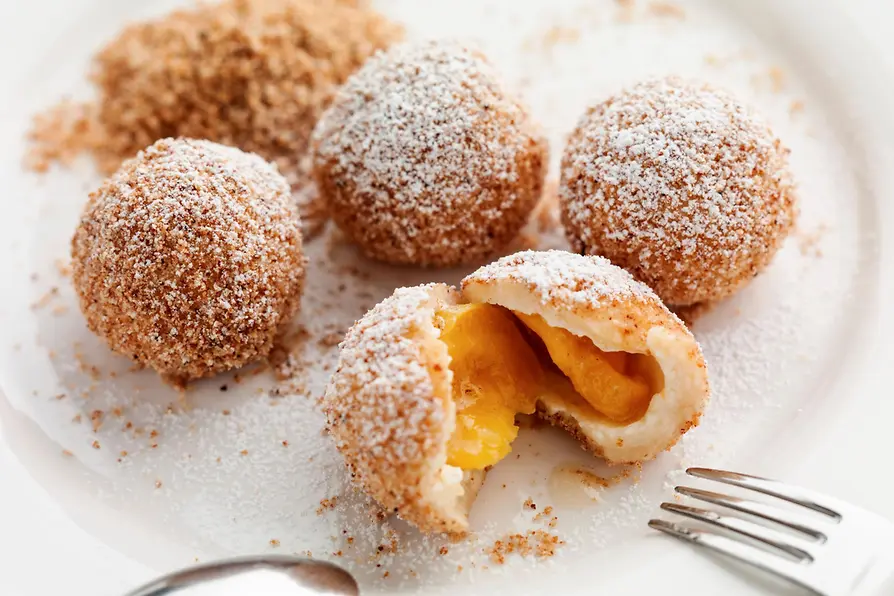
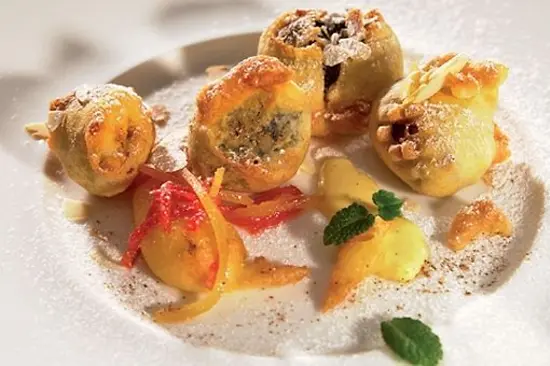
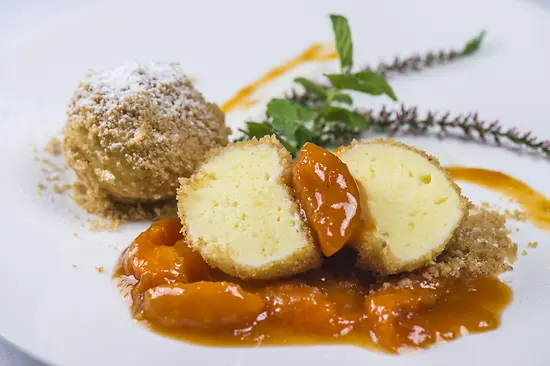
Marillenknödel found their place in the Viennese pastry repertoire in the mid-19th century. Shaped from quark or potato dough, filled with an apricot and rolled in buttered breadcrumbs, they remain classics of Viennese pastries to this day. The Wirtshaus „Zur Herknerin“ is a great place to enjoy these traditional Marillenknödel.
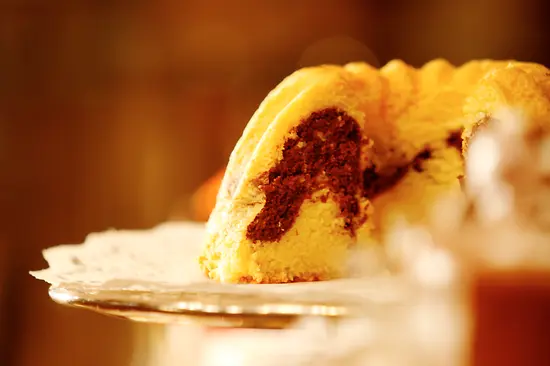
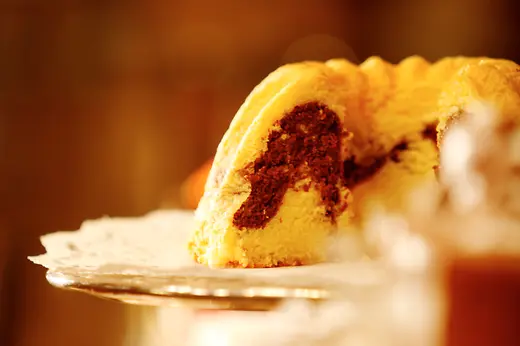
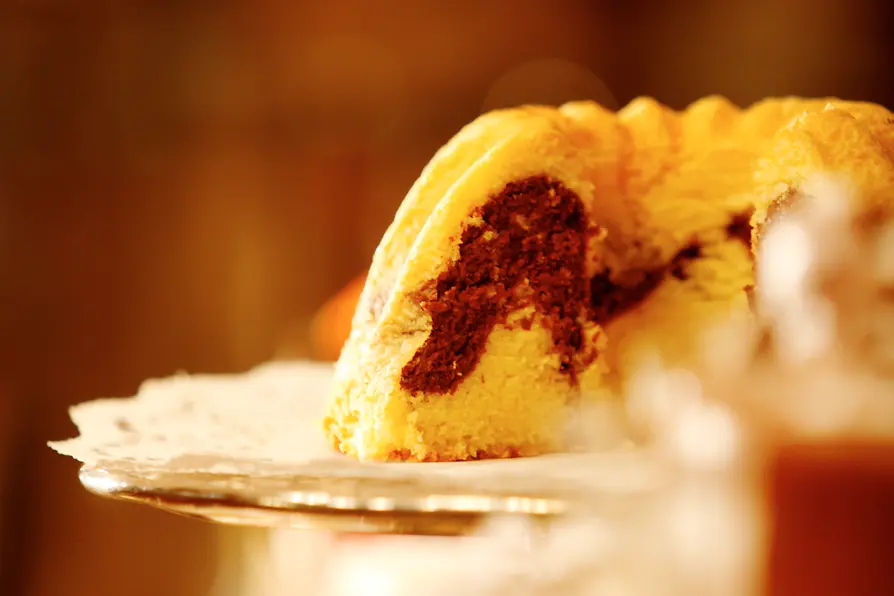
Emperor Franz Joseph I loved not only Kaiserschmarren but also the Gugelhupf, a round cake with a characteristic ring shape. Although Gugelhupf was known before the Habsburg Monarchy, it reached its heyday in the 19th century. According to legend, Franz Joseph’s lover Katharina Schratt baked him a Gugelhupf for breakfast every day. It has long been a beloved festive cake in Vienna and is not uncommon at the breakfast table. In addition to the original Viennese Gugelhupf, the Café Landtmann also offers many other versions to go and in miniature form, perfect as a souvenir.
Tortes from Viennese confectioners
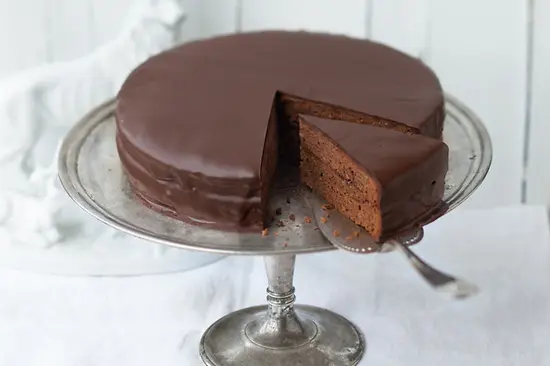
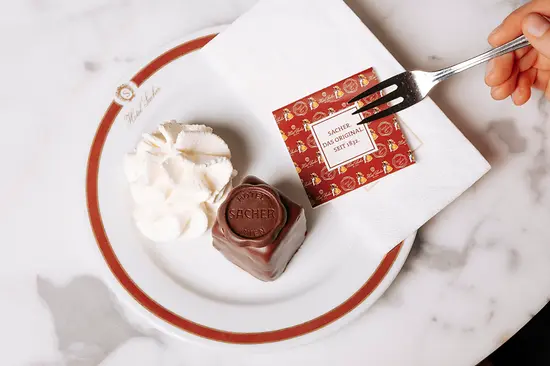
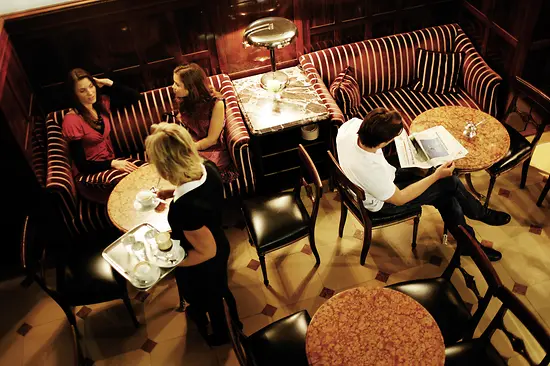
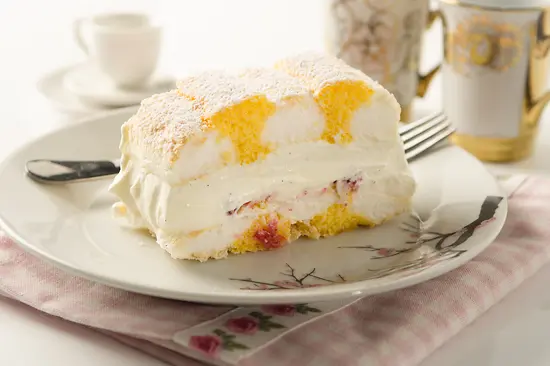
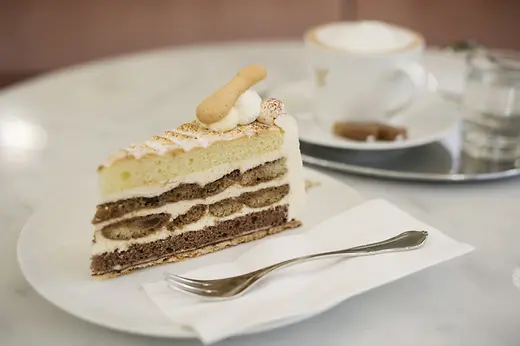
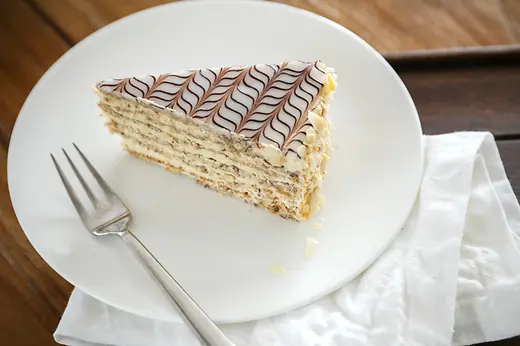
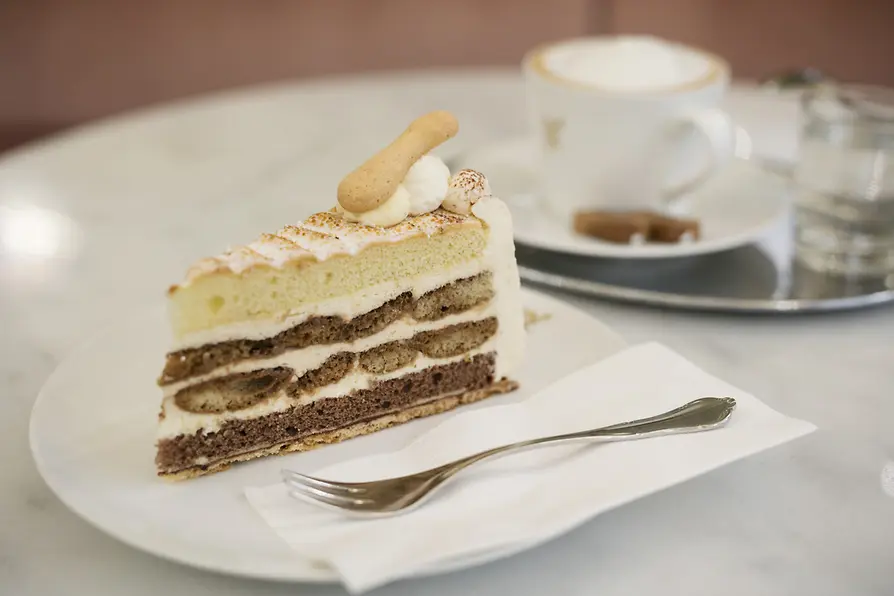
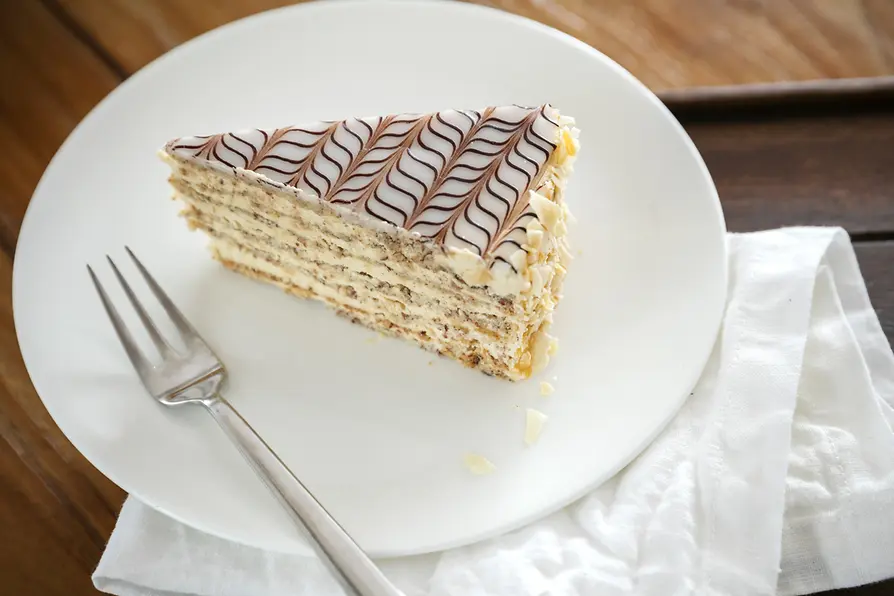
With the development of Viennese coffeehouse culture, tortes moved into the spotlight. The Sachertorte is world-famous and a must for visitors to Vienna at the storied Café Sacher. Alongside it, the Imperialtorte (created for the 1873 World’s Fair and still served at Café Imperial today), the Malakofftorte, and the Esterházytorte help define Vienna’s confectionery heritage. These tortes became symbols of indulgence, elegance and sociable afternoons in the coffeehouses.
- Dorotheergasse 6, 1010 Wien
- www.hawelka.at
- office@hawelka.at
Opening times
- Mo - Th, 09:00 - 00:00
- Fr - Sa, 09:00 - 01:00
- Su, 10:00 - 20:00
- Obere Augartenstraße 1, Main Entrance Augarten, 1020 Wien
- www.sperling.wien
- reservieren@sperling.wien
Opening times
- Tu - Sa, 09:00 - 22:00
- Su, 09:00 - 18:00
Accessibility
no steps (Swinging doors)
Ground level, also the terrace is accessible without barriers.
Assistance dogs allowed
Accessible toilet
40 free parking spaces in front of the door (no designated handicapped parking spaces)
- Nordpolstraße 3, 1020 Wien
- www.nordpol3.at
Opening times
- Mo - Fr, 17:00 - 23:00
- Sa - Su, 12:00 - 23:00
- on holidays, 12:00 - 23:00
- Wiedner Hauptstraße 36, 1040 Wien
- zurherknerin.at
Opening times
- Th - Fr, 18:00 - 23:00
- Universitätsring 4, 1010 Wien
- www.landtmann.at
- cafe@landtmann.at
Vienna City Card
20% discount on consumption per cardholder (food and drinks), redeemable once only.
The Vienna City Card must be presented when ordering.
Opening times
- Mo - Sa, 07:30 - 00:00
- Su, 07:30 - 22:00
Accessibility
no steps (Double swinging doors 120 cm wide)
Assistance dogs allowed
Accessible toilet
- Philharmonikerstraße 4, 1010 Wien
- www.sacher.com
- culinary.wien@sacher.com
Opening times
- daily, 08:00 - 22:00
- Kärntner Ring 16, 1010 Wien
- www.cafe-imperial.at
Opening times
- daily, 07:00 - 23:00
Piano music Sa, Su, pub hol 3:30 pm -7:30 pm (except July and August)